Nabyeon Station Dermatology: Pigmentation—What Matters More Than Laser Treatment
The most unfortunate thing I see when patients visit the clinic for pigment-related conditions is that they have relied indiscriminately on laser procedures or whitening cosmetics without knowing exactly what their lesions are.
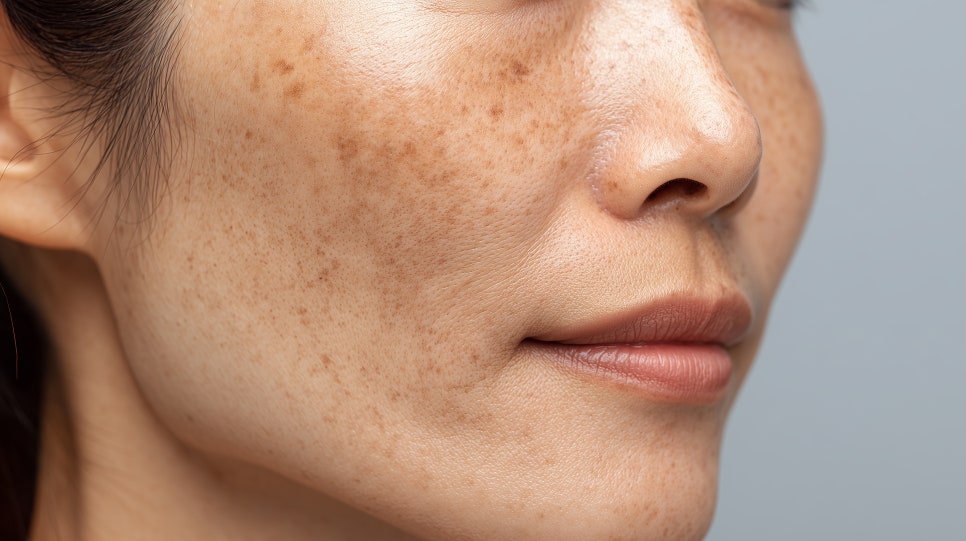
"I’ve had an expensive laser treatment more than ten times, so why is it still the same?" "I applied whitening cream diligently, but my skin actually became blotchy." These complaints happen because the characteristics of pigment disorders have been overlooked. Dark spots on the face may look similar on the surface, but melasma, freckles, blemishes, age spots, and post-inflammatory hyperpigmentation are medically completely different conditions with different mechanisms.
Therefore, proceeding with the same treatment without accurately diagnosing the type of lesion and the depth of the pigment is ineffective, and may even cause side effects that darken the pigmentation further. Today, I would like to talk about the medical treatment principles and lifestyle corrections that should come before laser procedures.
Pigment disorders: different treatment methods depending on the type
Nabyeon Station Dermatology: Pigmentation—What Matters More Than Laser Treatment
Treatment approaches for pigment disorders vary completely depending on the type and depth.
The first step to successful treatment is an accurate differential diagnosis. Pigment can be divided into cases where it is distributed shallowly in the epidermis, cases where it is located deep in the dermis, and cases where the two are mixed.
Epidermal pigment such as freckles or age spots (seborrheic keratosis) is relatively easy to remove. However, melasma, Ota-like patterns, and post-inflammatory hyperpigmentation that occurs after acne or dermatitis require a different approach.
In particular, melasma is not simply a pigment issue; it is a chronic inflammatory condition in which the dermal environment ages and blood vessels expand, causing melanocytes to react excessively. If strong energy is applied to such lesions, melanocytes may be stimulated and hyperpigmentation, making the color even darker, can occur. Therefore, before laser procedures, medication that suppresses pigment production and stabilizes the skin environment is essential.
An essential process before pigment laser treatment
Nabyeon Station Dermatology: Pigmentation—What Matters More Than Laser Treatment
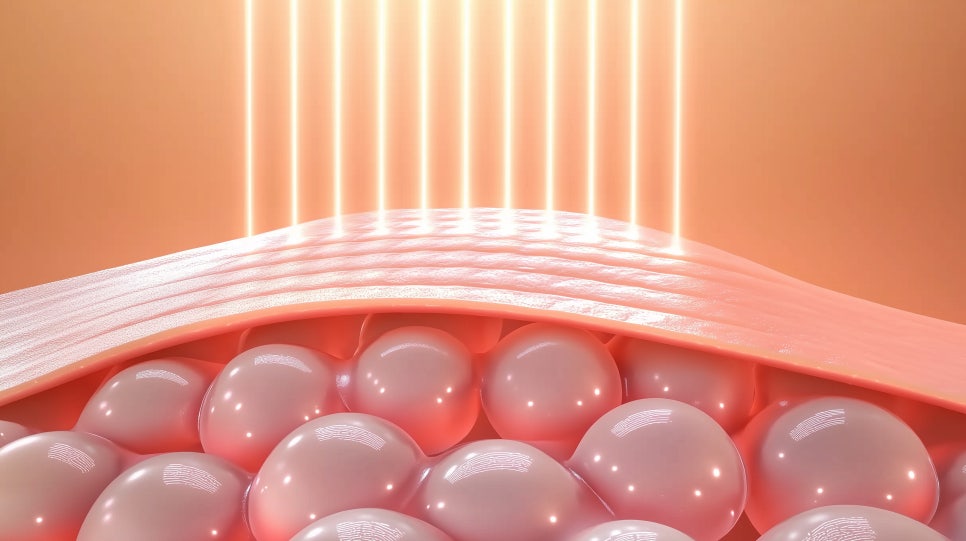
Before laser treatment, pigment suppression through medication and ointments is necessary. Many patients think of laser alone when they think of pigment treatment, but in cases of melasma or post-inflammatory hyperpigmentation, medication plays a very important role.
First, oral medication (such as tranexamic acid) suppresses vascular factors and blocks the signaling pathways that induce melanin synthesis, lowering the activity of overreactive melanocytes. This acts as an important mechanism in enhancing the effect of laser treatment for melasma and suppressing recurrence.
The use of topical medication (whitening ointments) is also important. Prescription medications containing hydroquinone or tretinoin directly inhibit melanin-synthesizing enzymes and normalize the skin turnover cycle, helping to eliminate deposited pigment. However, if the concentration and duration of use are not properly adjusted, these prescription medications can cause side effects such as irritant dermatitis or vitiligo, so they must be used only locally on the affected area under the prescription and guidance of a dermatologist.
In everyday life, it is important to protect against ultraviolet rays and avoid physical irritation

Nabyeon Station Dermatology: Pigmentation—What Matters More Than Laser Treatment
Lifestyle habits that protect against ultraviolet rays and avoid physical irritation must go hand in hand. If medical treatment is the process of removing pigment, then correcting daily habits is the process of preventing melanocytes from becoming active again.
The most important thing is sun protection. Ultraviolet rays are the strongest factor stimulating melanocytes. When going outside, apply sunscreen in sufficient amounts and use a hat or parasol to physically block sunlight.
You should also be careful about physical friction. Rubbing your face hard while washing, habitually touching your face, or frequently exfoliating can damage the skin barrier and cause tiny areas of inflammation. This chronic microinflammation is a major cause of stimulating melanocytes and worsening melasma and pigmentation. Therefore, it is best to wash the face gently with foam and minimize irritation to the skin.
Pigment disorder treatment should be viewed over the long term

Nabyeon Station Dermatology: Pigmentation—What Matters More Than Laser Treatment
Pigment disorders are not problems that can be solved in a short period of time. If you stop treatment just because it looks lighter on the surface, melanocytes deep in the skin can become active again and recurrence is likely.
Rather than relying on information from the internet or non-specialized whitening products, I recommend visiting a dermatologist to accurately diagnose the type and depth of your pigmentation. Then, with the appropriate medication prescription and consistent care tailored to it, I hope you can regain your skin’s naturally clear tone.
Only an accurate diagnosis and treatment based on principles is the safest way to resolve pigment concerns.