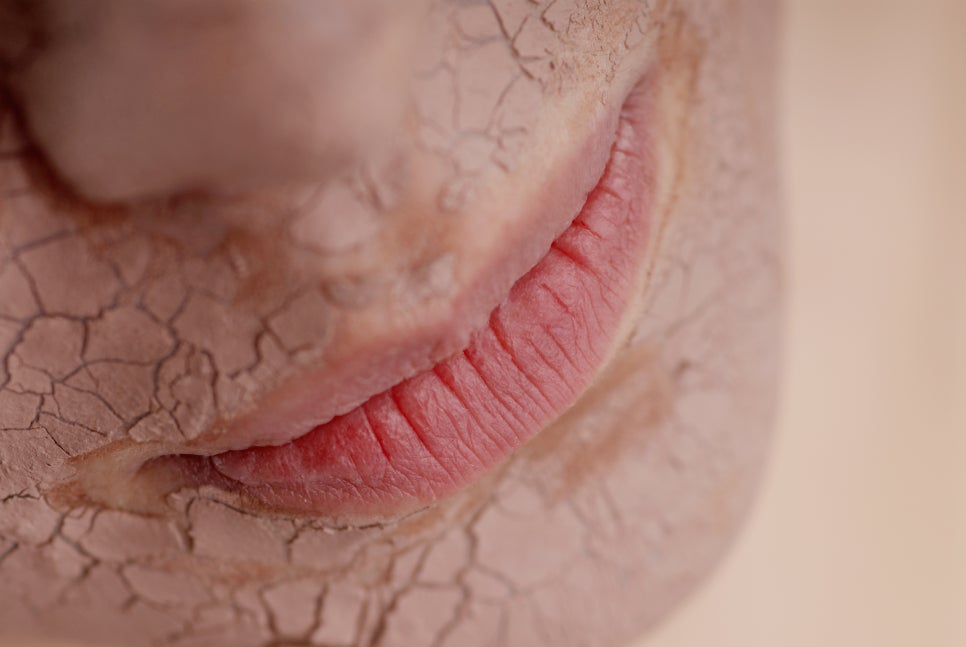
With the onset of full winter cold, the concerns of patients visiting the clinic are changing as well. More and more people are complaining less about acne or pigmentation and more about skin that feels painfully dry and stings.
“Even though I apply a lot of moisturizer and go to bed, my face feels tight in the morning.” “Even when I use oil, the surface just looks greasy while the inside feels completely dry.”
You may have felt frustrated when your skin became covered in white flakes after just being exposed to cold wind, even though you used expensive cosmetics and carefully applied masks. Many people choose to apply more and thicker products to solve winter dryness. But as a skin specialist, I want to say this: just as pouring water into a bucket with a hole in the bottom will never fill it up, layering cosmetics on top without addressing a damaged skin barrier is not a fundamental solution.
Today, I’ll talk about the real reasons skin gets dry in winter and the proper medical care methods to protect moisture inside the skin.
Winter skin is hurt more by temperature differences than by the cold itself
People often think skin worsens in winter because the weather is cold and dry. That is true, of course, but an even bigger cause is the sharp temperature difference between indoors and outdoors, along with the use of heating.
When your skin is exposed to the biting wind outside and then you go indoors, it repeatedly undergoes rapid constriction and dilation of blood vessels. Add the hot air from heaters to that, and indoor humidity can drop to the 10–20% range, which is drier than a desert.
In this kind of environment, the moisture content of the stratum corneum, the skin’s protective barrier, drops sharply. Cracks form in the skin barrier, which should be tightly built like a healthy brick wall, and moisture from inside the skin quickly evaporates through those gaps. This is the medical reason why skin becomes dry again so quickly no matter how good the cream is.
Covering it with oil alone will not solve it; you need to replenish barrier components
 Dangsan Station Dermatology Contact Dermatitis
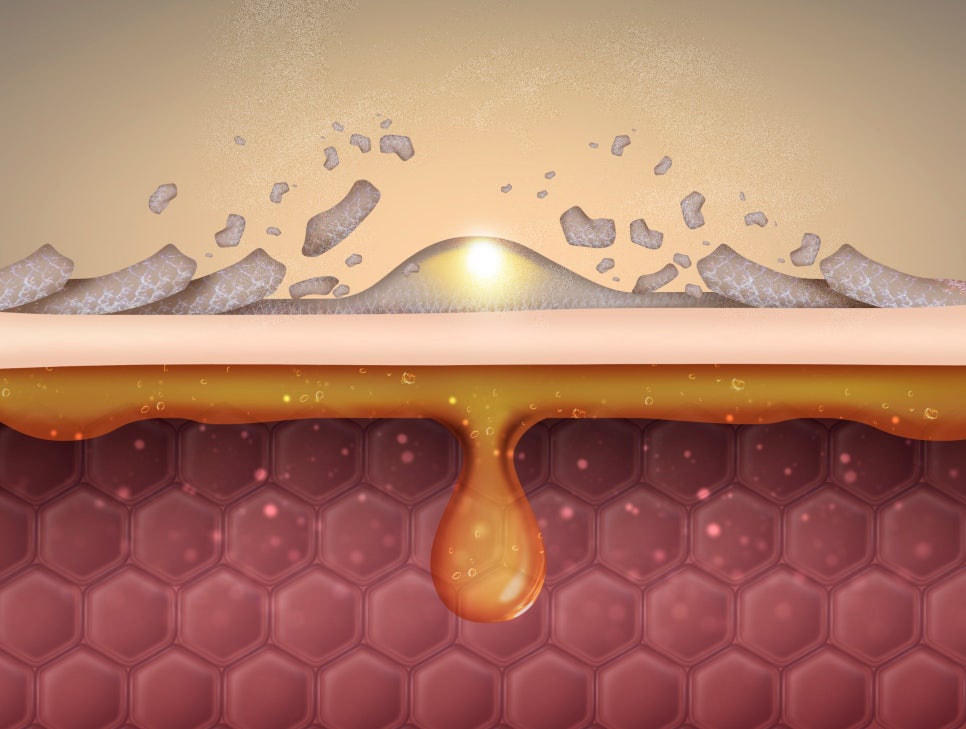
Applying thick occlusive products such as oils or petrolatum to skin with a damaged barrier is not the answer. It is like pouring oil onto a dry, cracked rice paddy and expecting the ground to become moist.
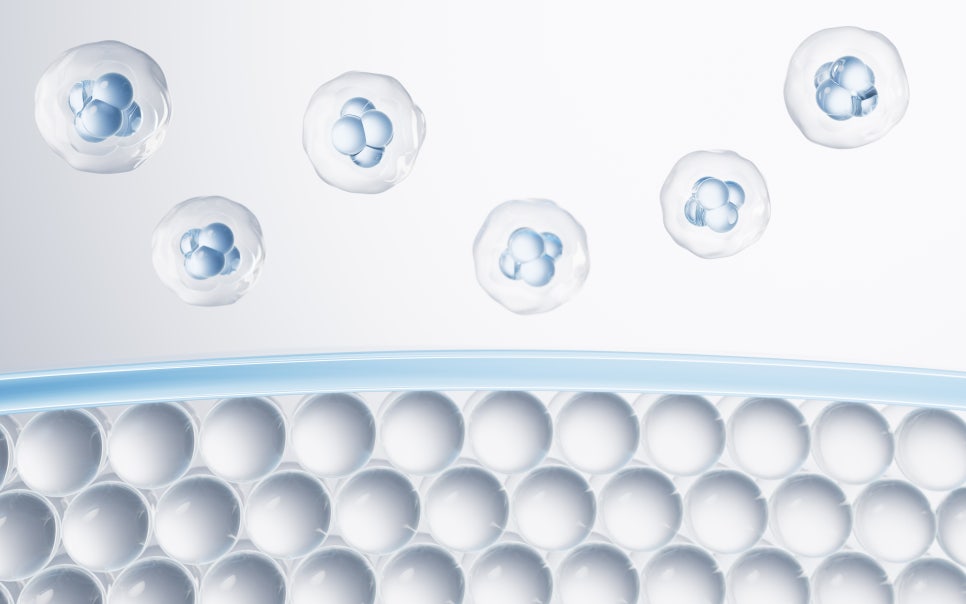
The first thing to do is supply moisture and replenish the barrier components that can hold that moisture in place. Our skin barrier is made up of lipid components called ceramides, cholesterol, and fatty acids. So when choosing a moisturizer, it is better to select one that contains ingredients similar to these barrier components rather than simply one with a heavy oily feel. Only then can it act like mortar between broken bricks and help prevent moisture from escaping.
You also need to protect the barrier starting from the cleansing step. The habit of washing until your skin feels squeaky clean is the most dangerous in winter, because it washes away the skin’s natural moisturizing factors as well. It is important to use a mildly acidic cleanser and apply moisturizer within 3 minutes of drying your face.
If home care has its limits, supply moisture directly to the dermis
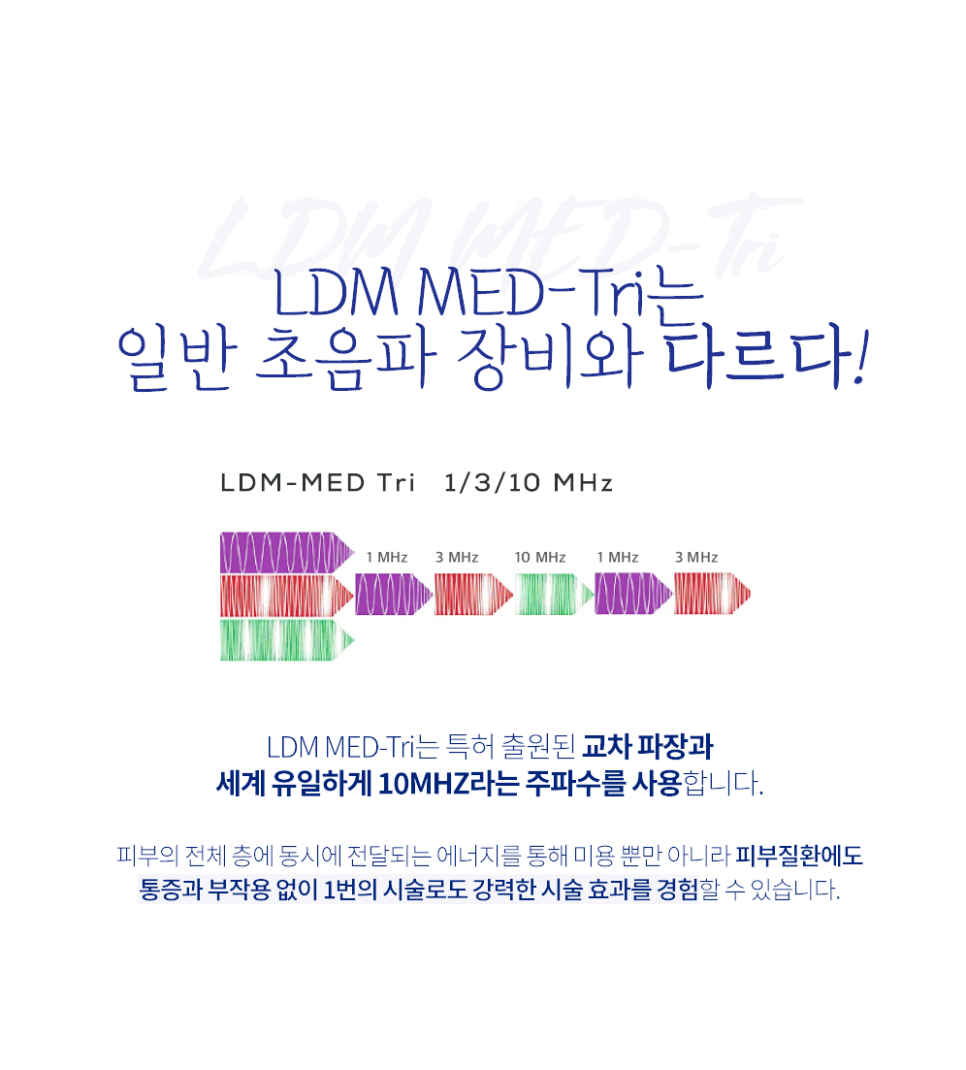
If the barrier damage is already severe and your skin stings or becomes more flushed when you apply cosmetics, recovery may be slow with home care alone. In that case, dermatologic treatment can help. 대표적으로 LDM(물방울 리프팅) 관리나 스킨 부스터 시술을 고려해 볼 수 있어요.
LDM uses high-density ultrasound energy to draw moisture in the skin from the dermis to the epidermis and normalize the immune system of sensitive skin. It is effective for relieving dryness and calming inflammation without irritation. If internal dryness is very severe, methods such as Rejuran Healer or water-glow injections, which directly inject regenerative ingredients or hyaluronic acid into the dermis, are also options. These are fundamental treatments that restore the damaged skin structure and improve the skin’s ability to retain moisture on its own.
Winter dryness can become a shortcut to aging if left untreated
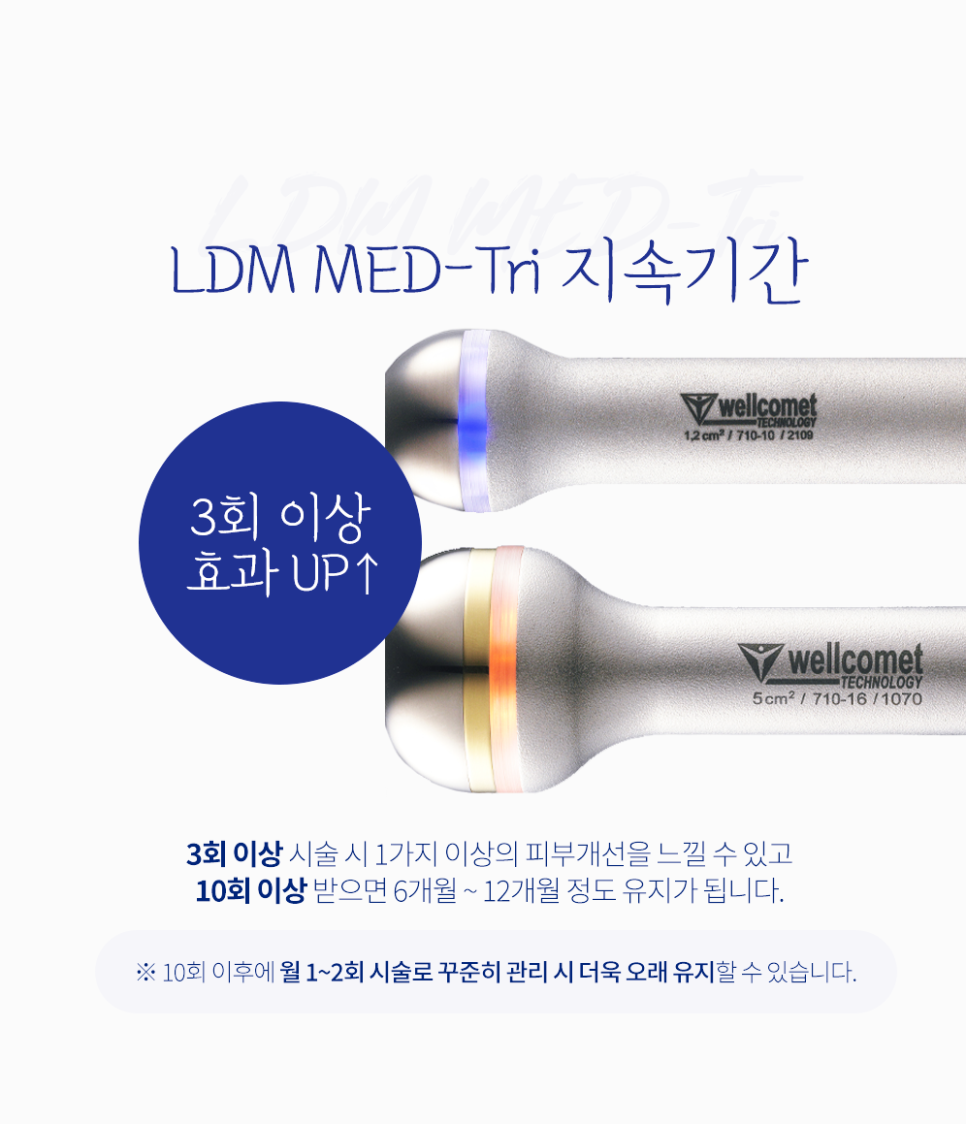
This is not just about taking care of skin because you dislike the tight feeling. If dryness continues, skin elasticity decreases and fine lines settle into deeper wrinkles. Moisturizing care in winter is also one of the most powerful anti-aging measures.
If changing cosmetics still does not resolve the dryness, do not struggle alone. Visit a dermatologist and have the current condition of your skin barrier checked. With an accurate diagnosis and the right moisturizing prescription, we will help your skin stay healthy, hydrated, and radiant even in winter.