Sadang-dong Dermatology: Treatment Methods Also Vary Depending on Urticaria Symptoms
Have you ever suddenly had your skin turn red and swell up like you’d been bitten by mosquitoes, with unbearable itching that left you flustered? What patients with urticaria who visit the clinic find most frustrating is precisely its unpredictability and the hard-to-bear discomfort.
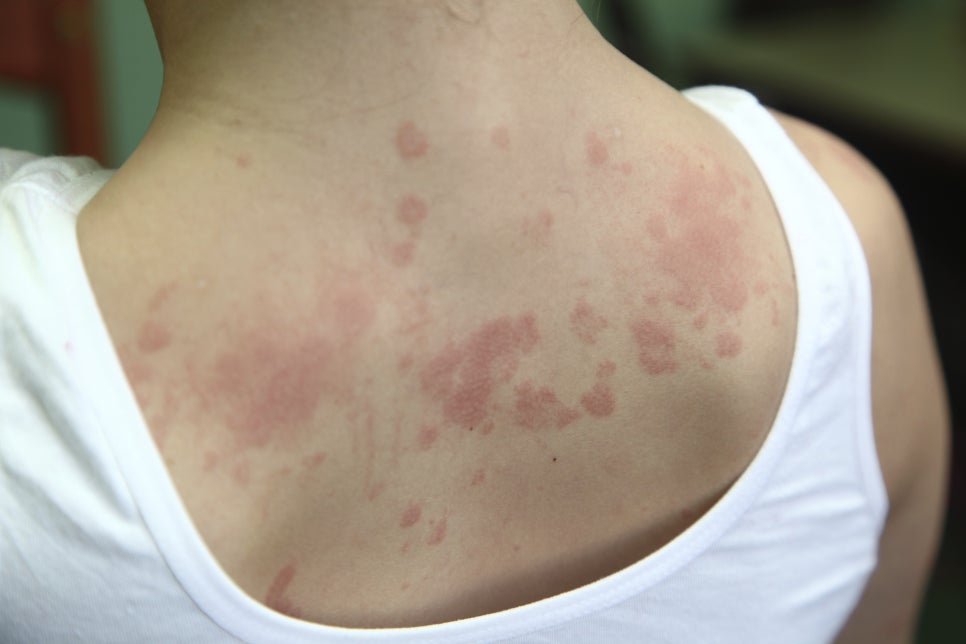
One moment everything seems fine, and then suddenly your whole body becomes red and swollen in map-like patches, or you wake up to find your eyes and lips badly swollen and are startled when you look in the mirror. Often, by the time you get ready to come to the hospital, it disappears as if nothing ever happened, which can even lead others to misunderstand it as pretending to be ill.
Because urticaria appears and disappears again and again like a ghost, many people are afraid of daily life and suffer from sleepless nights. Today, I would like to explain in detail the definition and types of urticaria, a common but by no means minor condition, as well as the proper medical treatments used to calm it down.
Urticaria Is a Strong Signal of Hypersensitivity from the Skin
Sadang-dong Dermatology: Treatment Methods Also Vary Depending on Urticaria Symptoms
Many people think of urticaria as simply a problem on the skin’s surface, but in fact it is a systemic signal caused by the body’s immune system overreacting.
In the dermis, there are important immune cells called mast cells. When these cells are stimulated by certain triggers, they explosively release histamine, a chemical they contain. This histamine expands the skin’s blood vessels and increases vascular permeability, causing the clear component of blood (plasma) to leak into the skin tissue.
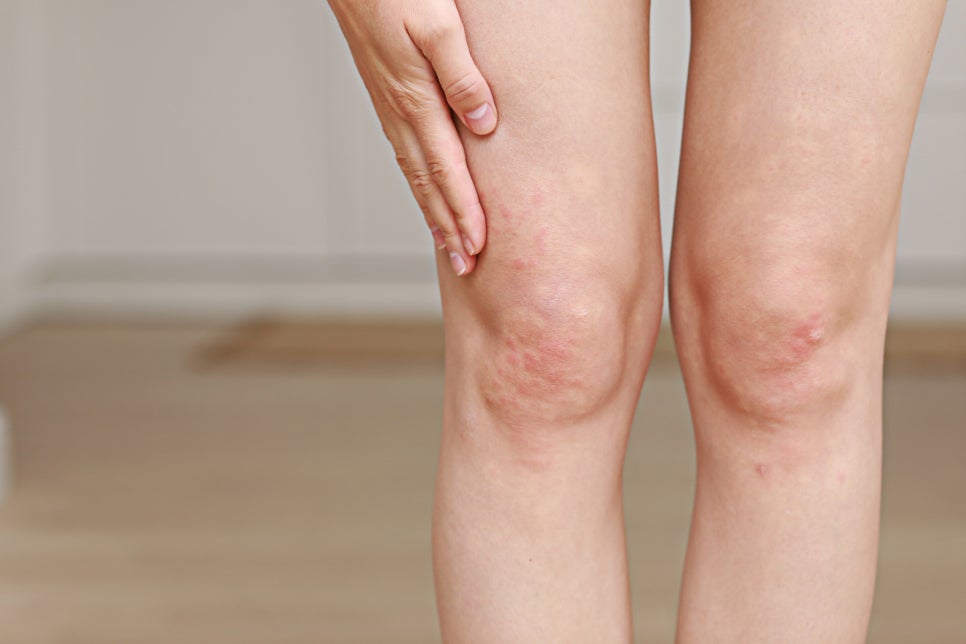
At this point, urticaria appears as clearly outlined raised welts and redness around them, with the histamine irritating nerves and causing intense itching. A characteristic feature is that it appears and disappears without a trace within a few hours, only to reappear elsewhere. If the swelling lasts longer than 24 hours or leaves purple marks that look like bruising, it may be urticarial vasculitis rather than simple urticaria, so a thorough diagnosis is absolutely necessary.
You Need to Distinguish Between Acute and Chronic Urticaria, as Well as Angioedema

Sadang-dong Dermatology: Treatment Methods Also Vary Depending on Urticaria Symptoms
Urticaria is divided into acute and chronic types depending on how long the symptoms last. Acute urticaria refers to cases in which symptoms improve within 6 weeks. It is usually caused by food, medication, insect bites, or acute viral infections, and it tends to disappear relatively quickly if the cause is removed and appropriate treatment is given.
Chronic urticaria, on the other hand, refers to cases in which symptoms recur daily or more than 2 to 3 times a week for as long as several years, lasting more than 6 weeks. In these cases, rather than a specific food or external factor, abnormalities in the patient’s immune system, autoimmune diseases, chronic inflammation, stress, and other factors often act together, so long-term management is needed.
Angioedema, in which blood vessels deeper in the skin or beneath the mucous membranes swell, may also occur. It is characterized by swollen eyelids or lips, and if the airway swells and causes shortness of breath or voice changes, this is an emergency and you should go to the emergency room immediately.
It Is Important to Identify Various Causes and Aggravating Factors
Sadang-dong Dermatology: Treatment Methods Also Vary Depending on Urticaria Symptoms
The causes that trigger urticaria are very diverse. Physical stimuli are also common. Representative examples include dermatographism, in which the skin swells where it is scratched; cholinergic urticaria, which appears when body temperature rises; and cold urticaria, which occurs when exposed to cold air or ice.
However, in about 70% of chronic urticaria patients, no specific cause can be found and the condition is often idiopathic. This does not mean that you ate something wrong and developed an allergy; rather, it means your immune cells have become hypersensitive and easily react even to minor stimuli. Therefore, instead of trying too hard to find the cause, treatment should focus on controlling symptoms and improving quality of life.
Comprehensive Management Is Needed, Centered on Oral Medication and Lifestyle Habits
Sadang-dong Dermatology: Treatment Methods Also Vary Depending on Urticaria Symptoms
Many patients endure their symptoms out of vague fear of medication or rely only on mild ointments. However, the key and foundation of urticaria treatment is taking antihistamines that block the action of histamine.
Antihistamines act like a shield, preventing already released histamine from binding to receptors in blood vessels and nerves. Older first-generation antihistamines had side effects such as drowsiness and dry mouth, but the second-generation antihistamines widely used today minimize these side effects and are safe even with long-term use.
In particular, for patients with chronic urticaria, it is important not to take medication only when itching occurs, but to take it regularly as prescribed by a doctor so that histamine levels in the body remain consistently low. If you stop taking the medication on your own because the symptoms improve, the likelihood of recurrence is high, so you should follow a gradual dose-reduction plan.

Sadang-dong Dermatology: Treatment Methods Also Vary Depending on Urticaria Symptoms
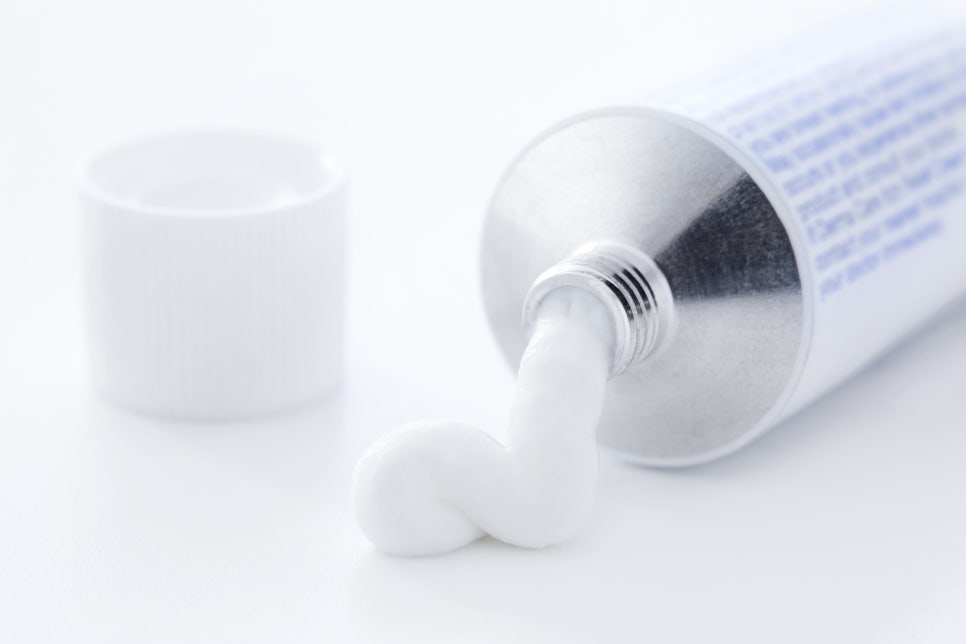
Topical medications can help when the itching is severe in a localized area. Calamine lotion cools the skin and helps relieve itching, while steroid ointment soothes local inflammatory reactions.
However, because urticaria is a systemic reaction in the blood, topical medications alone are not enough for a fundamental solution. Therefore, it is effective to use oral medication as the main treatment while also using topical medication as a supportive measure to ease unbearable itching. If symptoms are so severe that daily life is impossible or the airway swells, a short course of oral steroids or immunomodulators may be necessary. These must be used under the strict monitoring of a specialist.