Sadang Station Dermatology: Psoriasis Should Not Be Hidden—It Needs to Be Managed from the Immune System First
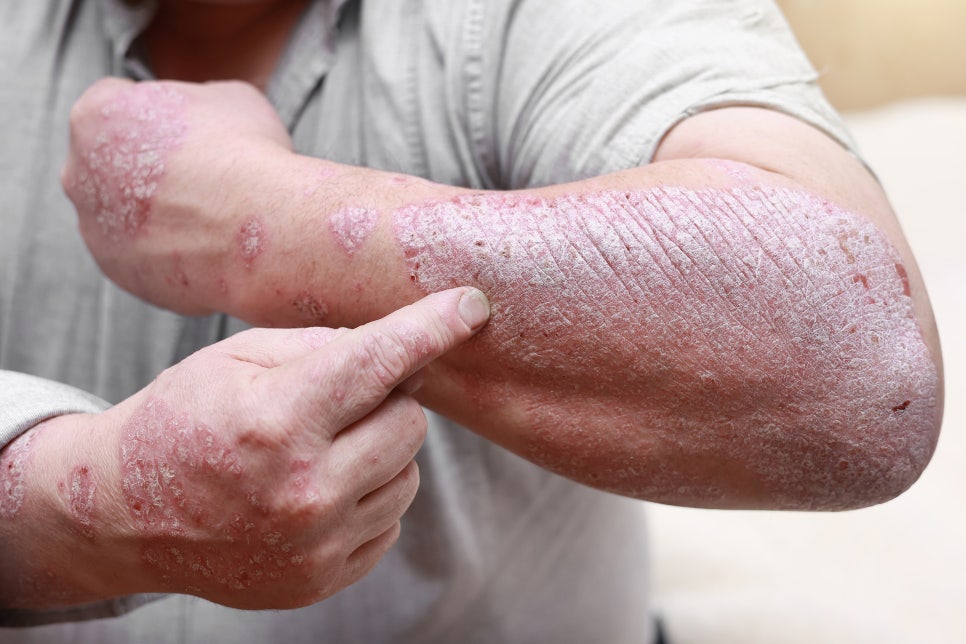
Have you ever quietly shed tears because of the white flakes that spread all over your body when the weather turns especially dry? When I meet psoriasis patients in the clinic, there are many cases where they come in with emotional wounds caused more by other people's stares than by skin pain itself. "People think it’s contagious and avoid me." "I have to wear long sleeves and long pants even in the middle of summer, and it’s so distressing." "I can’t even dream of going to a bathhouse or pool. I’ve even been stopped at the entrance."
As a doctor, I deeply empathize with the pain of being misunderstood as unclean or having a contagious disease simply because your skin looks a little different, to the point of developing social avoidance. But I can clearly say that psoriasis is not a disease caused by not washing, and it is not contagious. Today, I’ll explain in detail the medical mechanism behind why psoriasis develops, and the treatment methods that help you manage it like a lifelong companion and keep your skin clear.
Psoriasis is a problem of the "immune system," not just the "skin"
Sadang Station Dermatology: Psoriasis Should Not Be Hidden—It Needs to Be Managed from the Immune System First
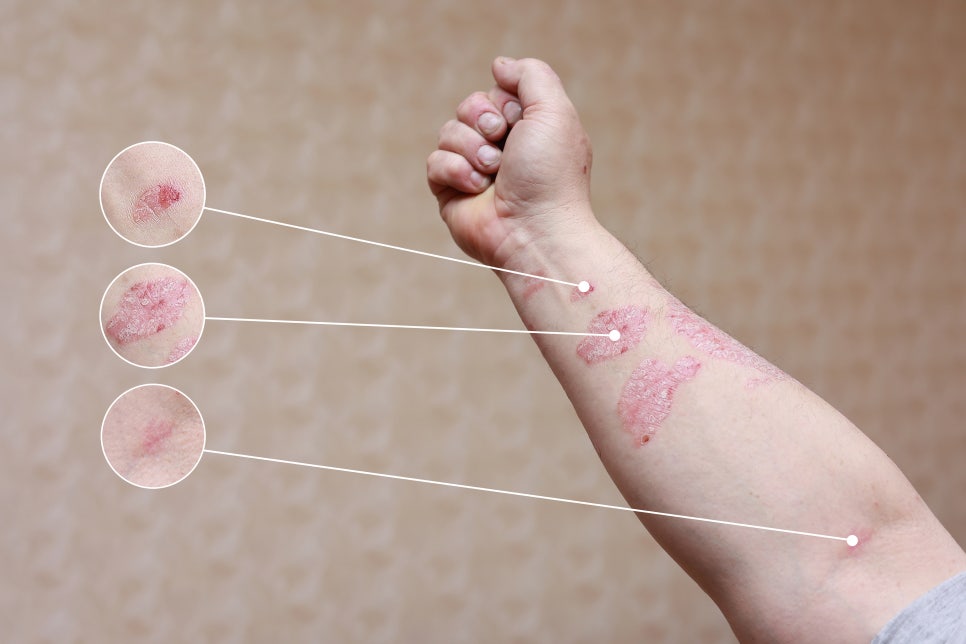
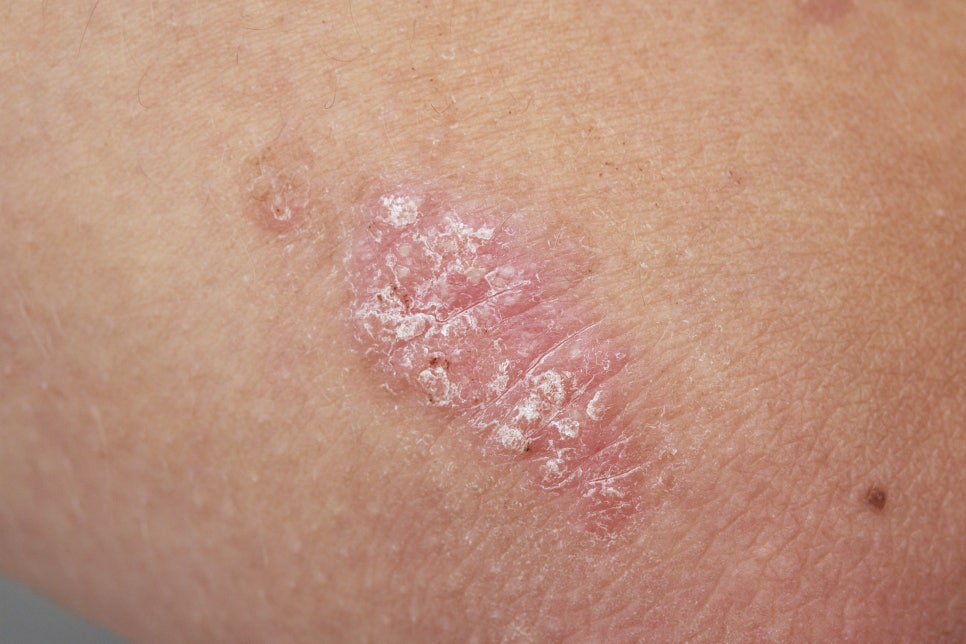
The reason psoriasis is difficult to treat is that in many cases, simply applying ointment to the skin surface is not enough. Many people try to forcibly remove the flakes by scrubbing or exfoliating because of the scaling, but that is like fanning the flames of a burning house. Psoriasis is not caused by a bacterial or viral infection; it is a condition in which the body's immune system overreacts and makes skin cells abnormally fast.
Normal skin cells are produced and shed on a cycle of about 28 days, but in patients with psoriasis, that cycle becomes insanely fast at just 3 to 5 days. Cells that have not yet fully matured cannot shed properly and pile up in layers on the skin, creating white, scale-like flakes (scales). Therefore, removing only the visible flakes on the surface is merely a temporary fix. A fundamental approach is needed to calm the overactive immune system and restore the skin’s regeneration cycle to normal.
Do not forcibly peel it off, or the lesions will spread further
Sadang Station Dermatology: Psoriasis Should Not Be Hidden—It Needs to Be Managed from the Immune System First
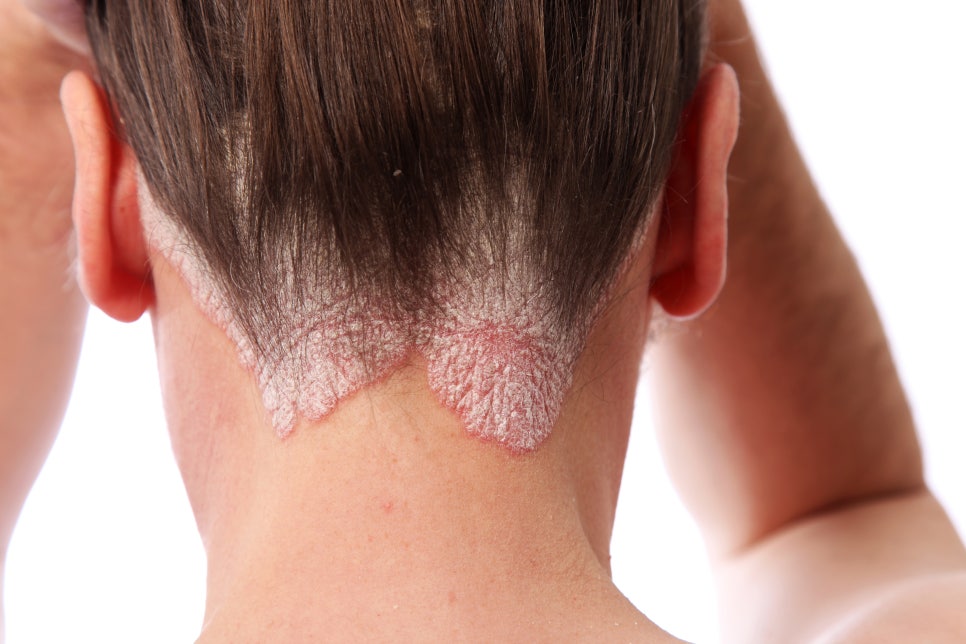
The most important thing psoriasis patients need to be careful about is "irritation." If you pick off the scales with your hands because you dislike how they look, the thinned blood vessels underneath can break and cause bleeding, known as the "Auspitz sign."
Even more concerning is the "Koebner phenomenon," in which psoriasis develops anew in areas of injury. This means that scrubbing or scratching can become a trigger that causes psoriasis to spread throughout the body.
Stage-by-stage customized treatment based on your symptoms is important
Sadang Station Dermatology: Psoriasis Should Not Be Hidden—It Needs to Be Managed from the Immune System First
Depending on the extent and severity of the patient’s psoriasis, we apply the safest and most effective step-by-step treatment.
First, we extinguish the initial flare with topical treatment and phototherapy. In early, mild cases, steroid ointments or vitamin D analog ointments are used to reduce inflammation and dissolve the scales. If the lesions are widespread across the body, we combine this with ultraviolet therapy devices or an excimer laser that suppresses skin cell proliferation. These treatments are safe enough for pregnant women and children, yet their therapeutic effect is excellent.
Second, if psoriasis is severe, we manage it with immune modulators. For severe patients whose condition is not controlled with topical medications or phototherapy, we prescribe immunosuppressants or perform injectable treatment with "biologics," which have recently made remarkable advances. Because these selectively block only the specific immune substances that trigger psoriasis, they offer hope for patients with intractable psoriasis who have not responded to any other treatment to regain clear skin.
Correcting lifestyle habits is half of the treatment

Sadang Station Dermatology: Psoriasis Should Not Be Hidden—It Needs to Be Managed from the Immune System First
You may complain, "It only gets better briefly when I go to the hospital, then it comes back again," but in fact, psoriasis is a chronic disease that requires ongoing management, just like high blood pressure or diabetes. To maintain the treatment effect for a long time, lifestyle correction is essential. Alcohol and smoking are the worst factors that worsen psoriasis inflammation, so you must avoid them. Also, because dry skin makes symptoms worse, apply moisturizer generously and frequently to keep your skin barrier strong.
Psoriasis is a condition for which the word "control" is more appropriate than the word "cure." However, if proper treatment and management are carried out together, you can fully enjoy an ordinary daily life—wearing short sleeves without worrying about other people’s stares and confidently going to public bathhouses.
Rather than relying on folk remedies circulating on the internet, I recommend visiting a dermatologist and first receiving an accurate diagnosis that matches the type and stage of your psoriasis. Only an accurate diagnosis and consistent management are the safest way to become free from psoriasis, which has troubled you for so long.