Banbae Station Dermatology: A Complete Guide to Acne Scar Treatments, from Deep Pitted Scars to Red Marks, Including Ointments and Lasers
When you see deeply indented marks or red traces left behind where acne once was, they can feel like an unerasable scar, and that naturally weighs on the mind. Acne may subside over time, but scars caused by damage to skin tissue during that process keep drawing your eye every time you look in the mirror and can even lower your confidence in daily life.
From pitted scars to reddish marks, the types and depths vary so much that many people feel unsure about where to begin treatment. Since scars are the result of the skin’s limited self-repair ability, a careful approach is needed to revive the skin’s paused healing process and help new tissue fill in.
Scars occur due to tissue damage and an imbalance in regeneration
Banbae Station Dermatology: A Complete Guide to Acne Scar Treatments, from Deep Pitted Scars to Red Marks, Including Ointments and Lasers
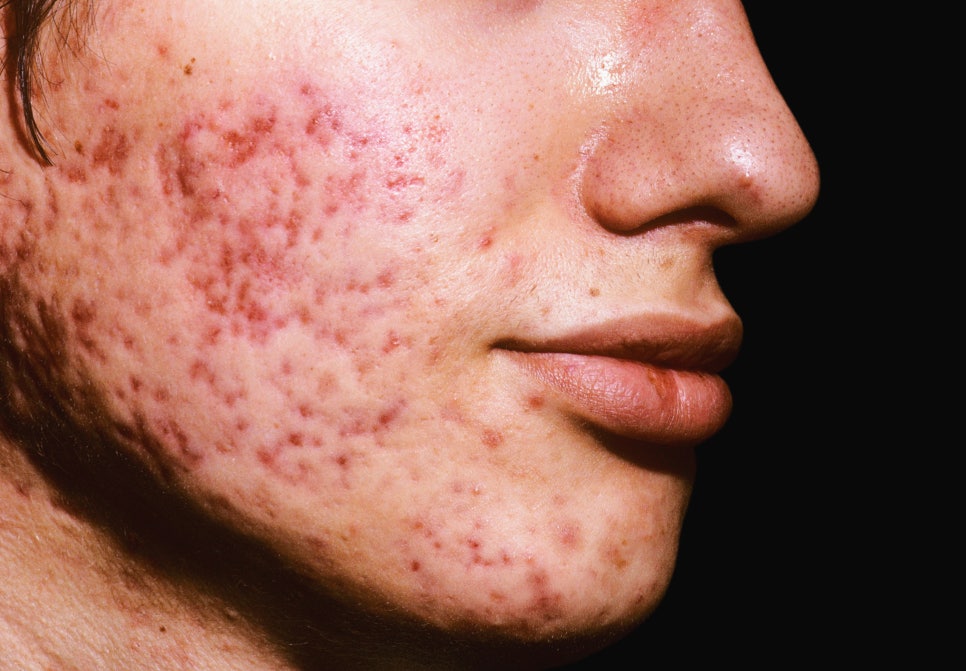
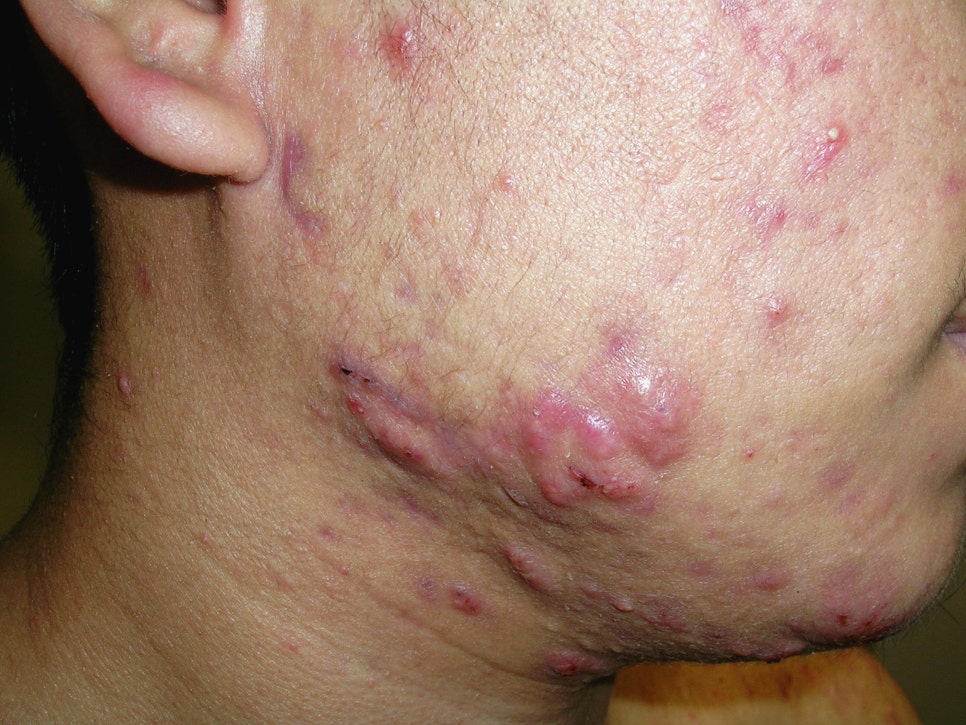
Acne scars occur when tissue in the dermis at the site of severe inflammation is destroyed, preventing the skin from recovering properly and causing it to sink in, or conversely, when fibrous tissue grows excessively and protrudes. Their shapes vary widely, from deep, needle-like pits to gently curved indentations, and sometimes the red or brown post-inflammatory marks left behind can also look like scars.
In particular, if you squeeze inflamed skin forcefully with your hands or irritate it in an unhygienic environment, the connective tissue beneath the skin is very likely to be damaged, leaving scars behind. Once skin tissue has been altered in this way, there is a limit to how much it can return to normal on its own, so systematic care is needed to fundamentally improve the skin’s regenerative environment.
Ointments and injections help establish the foundation for regeneration
Banbae Station Dermatology: A Complete Guide to Acne Scar Treatments, from Deep Pitted Scars to Red Marks, Including Ointments and Lasers
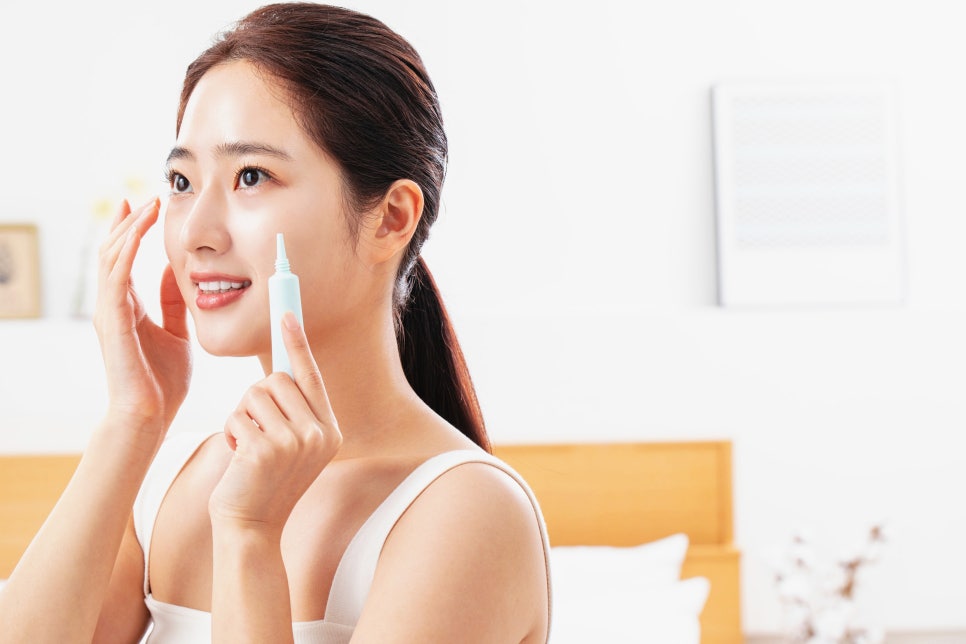
Before device-based treatments such as lasers, it is effective to first soothe the skin’s regenerative environment using medication or injections. Ointments with specific ingredients used for scar treatment help soften hardened scar tissue and stimulate collagen production, contributing to improved skin texture.
In addition, for deeply pitted scars, regenerative injections can be administered directly to increase cellular activity in the skin and supply the nutrients needed for lost tissue to fill in. These treatments are not about artificially removing skin, but rather about building the skin’s own ability to recover, making them a very standard approach.
VIRTU RF, Sculptra, and Pladuo for systematic care
Banbae Station Dermatology: A Complete Guide to Acne Scar Treatments, from Deep Pitted Scars to Red Marks, Including Ointments and Lasers
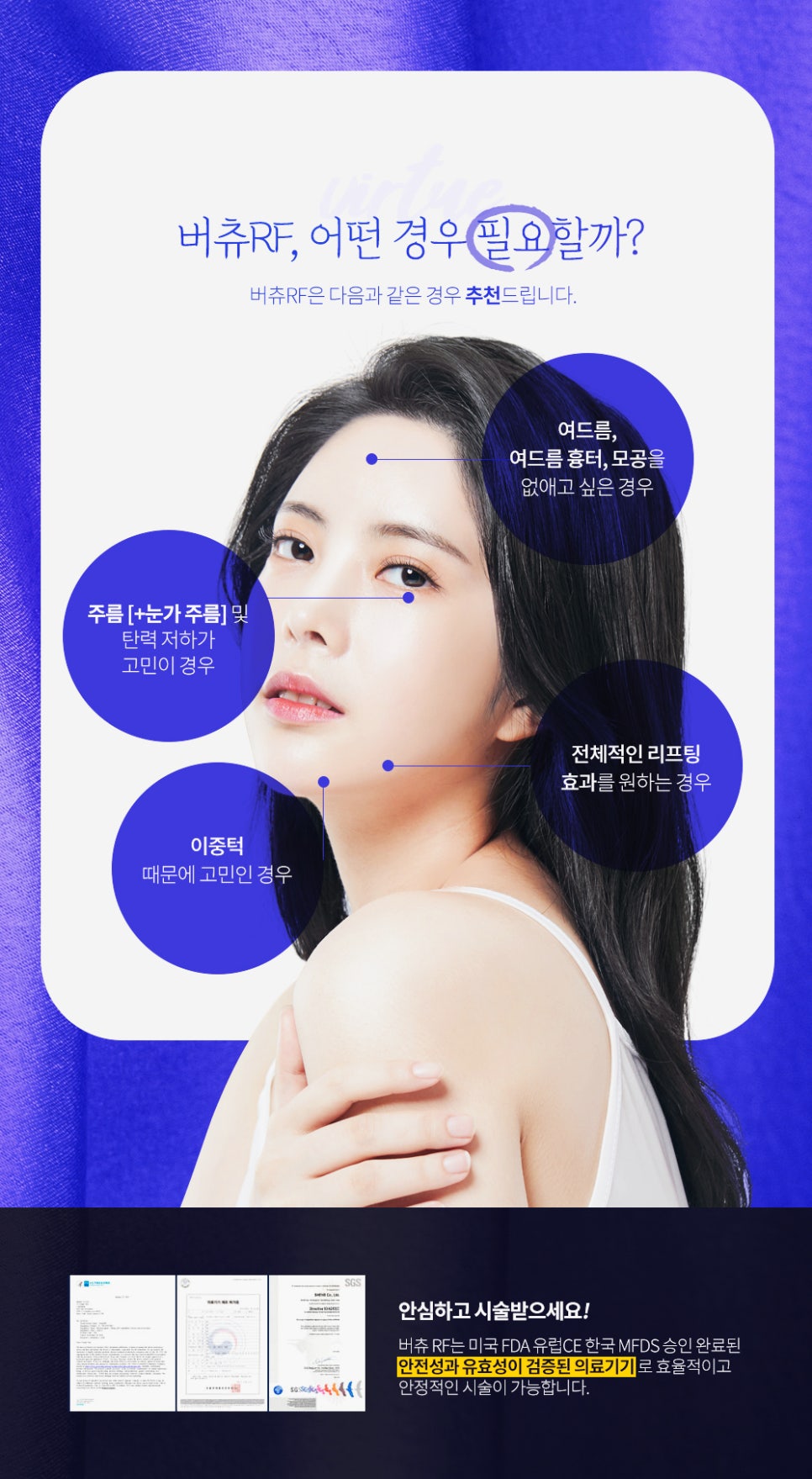
When it comes to smoothing out pitted scars and rough skin texture, combining proven devices can be a powerful solution. VIRTU RF delivers radiofrequency energy into the dermis through microneedles, strongly inducing collagen production and firmly restructuring loosened scar tissue to help the skin fill in.
If Sculptra, a collagen-stimulating agent, is used alongside it, the skin’s ability to restore volume on its own is maximized, and deeply pitted areas can be filled in much more naturally. In addition, Pladuo’s plasma energy helps stabilize the skin’s regenerative environment and refine the texture around scars, playing a role in improving the overall complexion.
Thorough sun protection completes smooth skin

Banbae Station Dermatology: A Complete Guide to Acne Scar Treatments, from Deep Pitted Scars to Red Marks, Including Ointments and Lasers
It is no exaggeration to say that the final step of all scar treatment is careful daily care. If the skin, which becomes sensitive after treatment, is directly exposed to ultraviolet rays, pigmentation can easily develop, so you should not forget to apply sunscreen carefully when going বাইরে. Also, if the skin becomes dry, regeneration may slow down, so it is important to apply moisturizer frequently to help keep the skin hydrated. It is only when care goes beyond simply receiving device-based treatment—such as applying regenerative ointment at the prescribed times and getting enough rest—that you can truly see new skin filling in.
When rough skin becomes smooth, the time spent looking in the mirror and the mindset you bring to meeting people naturally feel lighter. Acne scars may take a little time, but when proper medical techniques and attentive care come together, they are an area that can definitely improve. Rather than worrying alone every time you look in the mirror, it is important to accurately identify your current type of scar and seek a safe and effective path that fits it. Even a small scar can be a major concern for someone, so it is important to empathize and to do your best to care for the skin until the day it regains its naturally smooth texture and you can smile with confidence.