Proper Skin Care for Treating Keratosis Pilaris and Removing Chicken Skin at a Dermatology Clinic in Seocho-gu
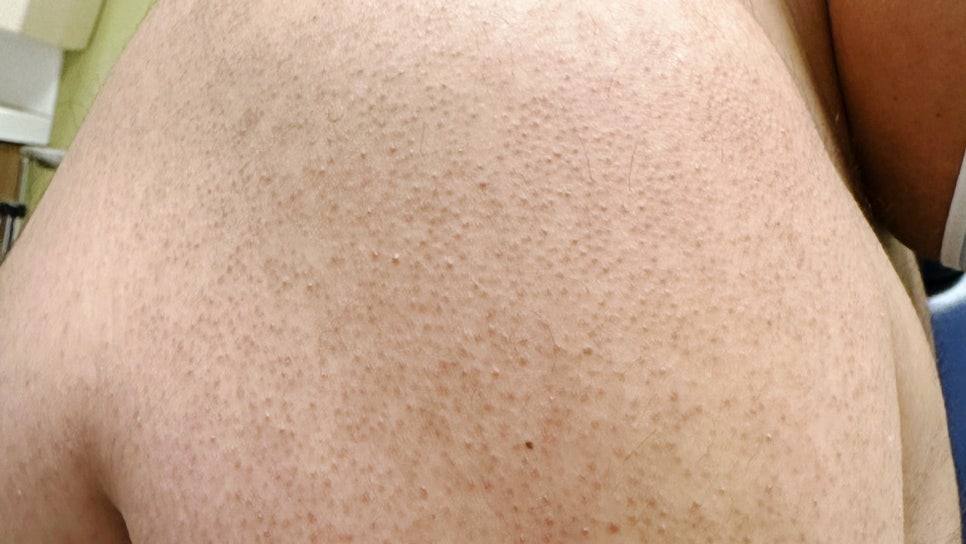
Many people hesitate to wear short-sleeved clothes because of bumpy skin, or feel like constantly picking at it and peeling it off. Keratosis pilaris, which appears as chicken skin on the backs of the arms or legs, is not a painful condition, but its rough texture and the red marks it leaves behind can cause cosmetic stress.
Some people try scrubbing it hard with a rough washcloth or squeezing it with their nails, but this can instead damage the skin barrier and leave dark pigmentation behind. Today, let’s look at why the skin sends these signals and talk about the standard care methods and treatments that can help restore a smooth, healthy texture.
Dead skin cells block pores and create bumpy papules
Proper Skin Care for Treating Keratosis Pilaris and Removing Chicken Skin at a Dermatology Clinic in Seocho-gu
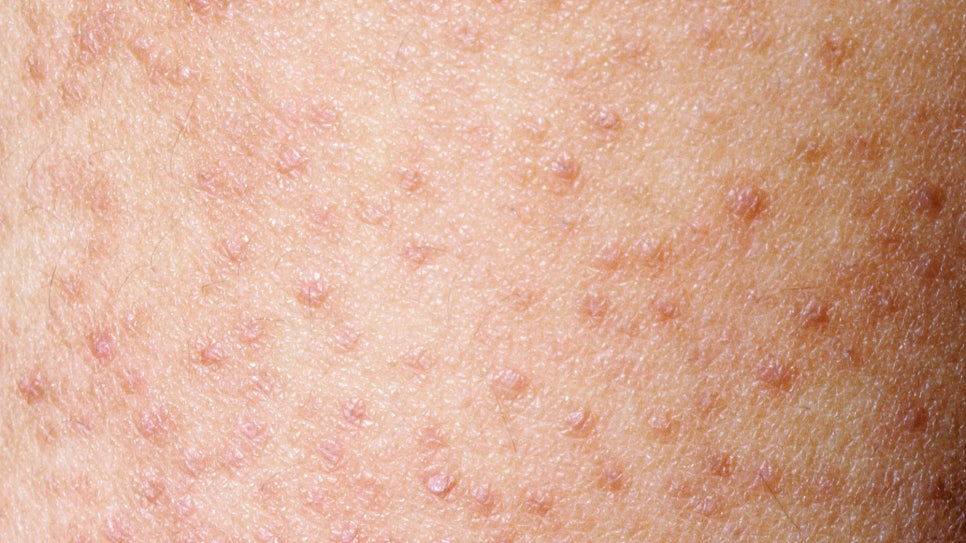
Keratosis pilaris occurs when keratin, a protein that protects the skin, is produced in excess and tightly blocks the openings of the pores. Dead skin cells that should normally shed become trapped inside the pores and harden, forming tiny bumps like millet grains. It mainly appears on the outer upper arms and thighs, and is closely related to genetic factors or an especially dry skin environment.
It is important to understand that this is not simply a hygiene issue caused by not washing properly, but rather a result of an irregular skin renewal cycle. In particular, when someone also has atopic dermatitis or is genetically prone to very dry skin, the stratum corneum tends to become thicker and the symptoms more noticeable.
Thorough moisturizing and gentle cleansing are the first steps in treatment

Proper Skin Care for Treating Keratosis Pilaris and Removing Chicken Skin at a Dermatology Clinic in Seocho-gu
The most basic and important part of managing keratosis pilaris is supplying enough moisture so that the skin does not dry out. When the skin becomes dry, the dead skin cells harden further and firmly block the pores, worsening the condition. During showers, it is better to use a low-irritation body wash rather than a soap with strong cleansing power, and to use lukewarm water instead of hot water.
Within 3 minutes after showering, before the moisture dries, apply enough moisturizer, and in daily life use products that contain ingredients that soften dead skin cells to help smooth out hardened bumps. In dry seasons especially, mixing one or two drops of oil into your moisturizer before applying it can help prevent moisture loss and is even more effective in easing dead skin buildup.
Prescription ointments and medication tailored to the symptoms can be effective
Proper Skin Care for Treating Keratosis Pilaris and Removing Chicken Skin at a Dermatology Clinic in Seocho-gu
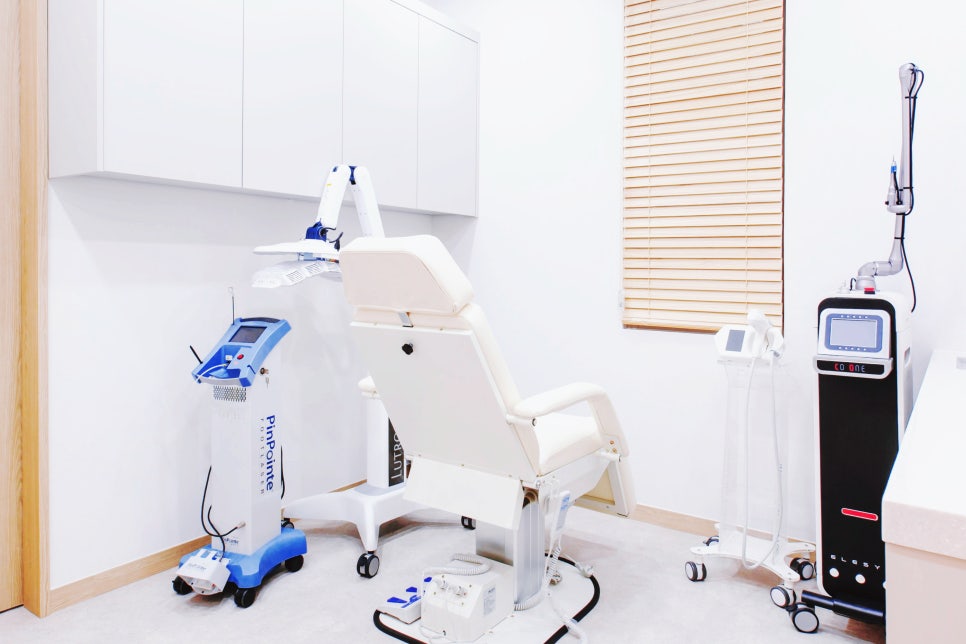
If improvements are slow even after lifestyle changes, or if redness and inflammation are present, medication treatment through a professional diagnosis may be necessary. Prescription ointments containing keratolytic agents with urea or vitamin A derivatives are very helpful in softening hardened dead skin and opening the pore channels. If the area around the bumps is red and warm, or if itching is present, the inflammation should first be calmed with appropriate prescription treatment.
These medical treatments address the underlying cause of the symptoms without excessive irritation, so they can be an honest and reliable solution for those who have been troubled by rough skin texture. When using ointments, the frequency of use should be adjusted according to skin thickness and sensitivity, so be sure to apply the proper amount as directed.
Please follow the precautions to prevent pigmentation
Proper Skin Care for Treating Keratosis Pilaris and Removing Chicken Skin at a Dermatology Clinic in Seocho-gu
One of the most common mistakes people with keratosis pilaris make is picking at the bumps with their nails or aggressively scrubbing them off with a rough washcloth. Such physical irritation creates tiny wounds on the skin, which can lead to secondary bacterial infections or leave red and dark pigmentation behind. Pigmentation that has already formed takes much longer to recover from than the keratin bumps themselves, so it is important to avoid touching the affected area as much as possible. If pigmentation is already present, careful aftercare is needed, such as consistently applying ointments that help skin regeneration and avoiding sun exposure, in order to restore a smooth skin tone.
Keratosis pilaris is not a condition that disappears dramatically overnight; rather, it requires a process of gradual improvement through ongoing attention and care. Even if the symptoms improve a little, it is important not to neglect care, and patience is needed to keep the skin barrier strong by moisturizing consistently and avoiding irritation. Keeping indoor humidity at 50–60% helps minimize dryness felt by the skin, and clothing that comes into direct contact with the skin should be made of cotton with low friction and good breathability, which can greatly help ease symptoms. The skin responds honestly to the care we give it, so if proper information and careful self-care come together, you will surely be able to regain a smooth and comfortable condition.