Maebang Station Dermatology: Causes of Seborrheic Keratosis on the Scalp and How to Self-Check
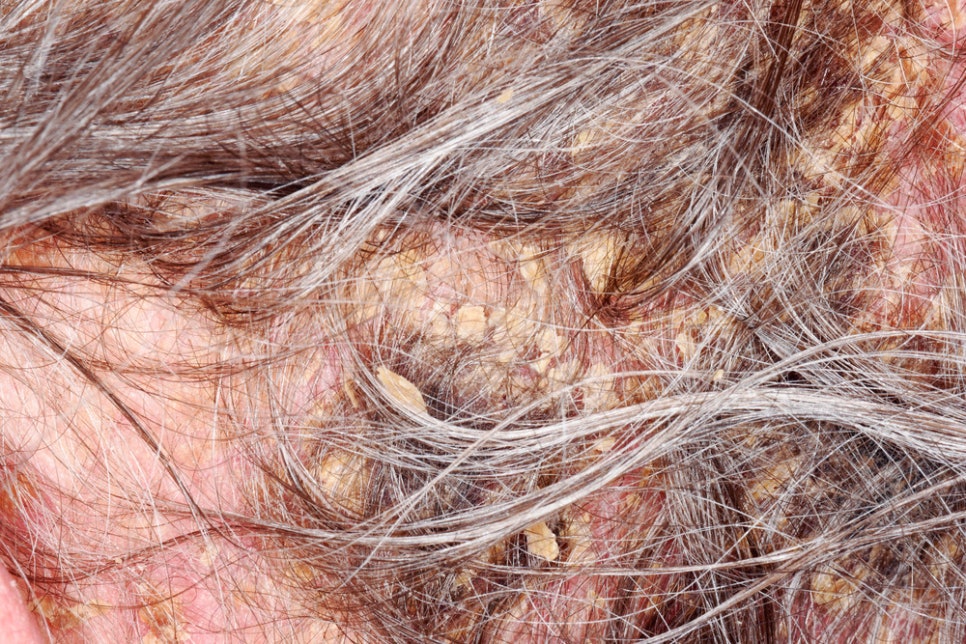
Seborrheic keratosis is a type of benign tumor that appears when keratinocytes abnormally proliferate due to skin aging, sun exposure, and similar factors. It is often called a “age spot” in Korean, and while people tend to think it mainly appears on the face or the backs of the hands, it also frequently develops on the scalp. It typically appears as brown or black papules with clear borders and is characterized by a rough texture that looks as if candle wax has dripped onto the surface or as if a scab has formed.
Aging is the main cause, but genetic factors also play a significant role. Since the scalp is an area directly exposed to ultraviolet rays, symptoms may appear more prominently than in other areas. In particular, because hair can hide early lesions, many people only begin to worry and seek consultation after the lesions have grown larger or increased in number. Beyond being a cosmetic issue, it can also cause itching or pain from friction, so a detailed evaluation by a specialist is essential.
Touching it with your hands or trying to remove it may actually cause inflammation
Maebang Station Dermatology: Causes of Seborrheic Keratosis on the Scalp and How to Self-Check
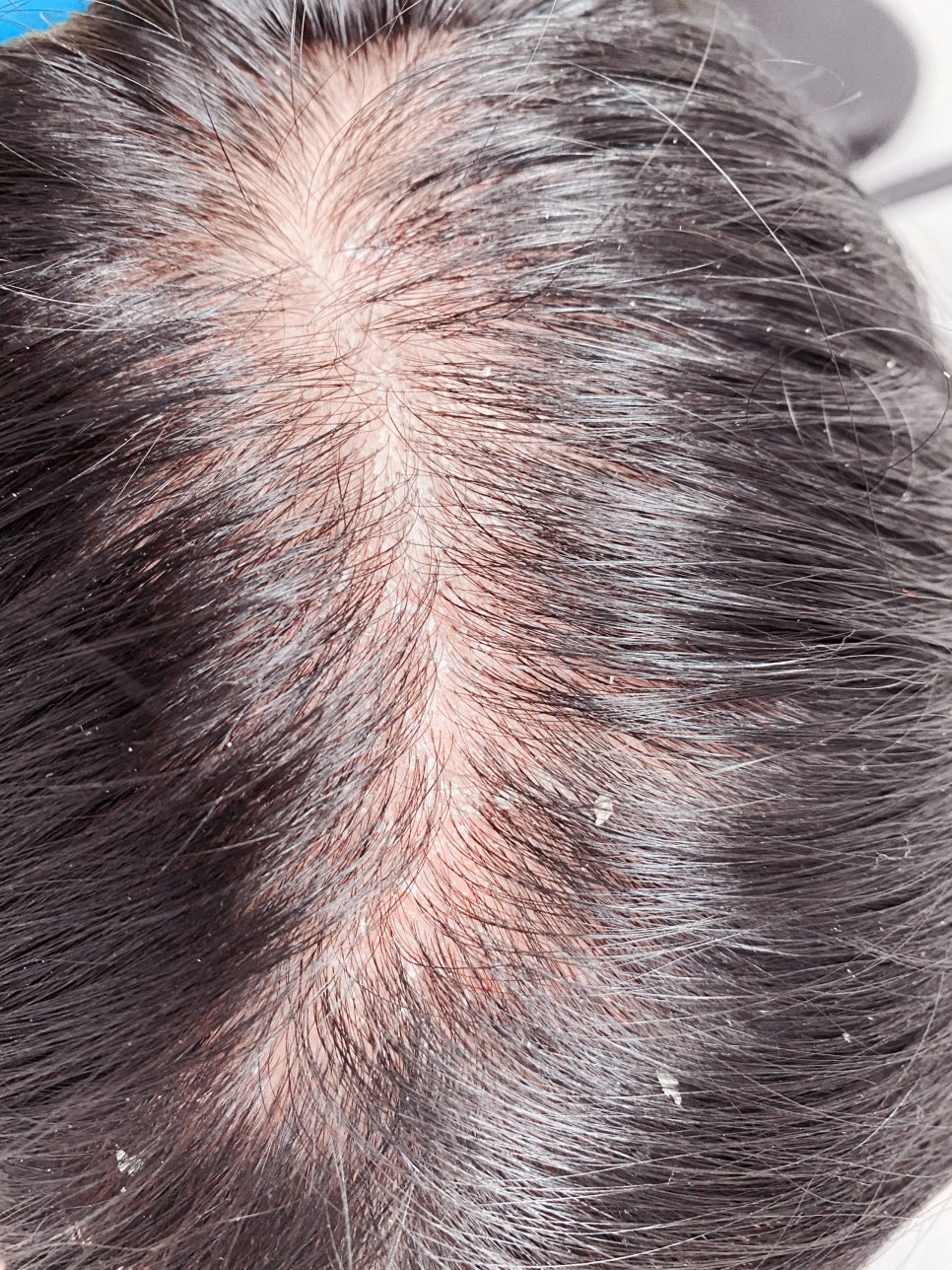
When washing or brushing your hair, if you find a hard bump catching on your fingertips, some people unconsciously try to pick it off with their nails or keep touching it with their fingers. However, seborrheic keratosis is not simply dead skin or dandruff; it is a proliferation of the skin tissue itself. If you try to remove it by force, it can create a deep wound in the affected area, and bacteria can enter through the opening, causing severe folliculitis or a secondary infection.
Repeated irritation can also stimulate the body’s defense mechanisms and, paradoxically, cause the lesion to grow larger or spread to surrounding areas. Because the scalp has abundant blood vessels and sensitive nerves, it is wiser to approach it with safe medical methods rather than irritating it through self-diagnosis. Scars caused by incorrectly touching it may later lead to localized hair loss where hair does not grow well, so extra caution is needed.
It can be removed precisely and cleanly with laser treatment
Maebang Station Dermatology: Causes of Seborrheic Keratosis on the Scalp and How to Self-Check
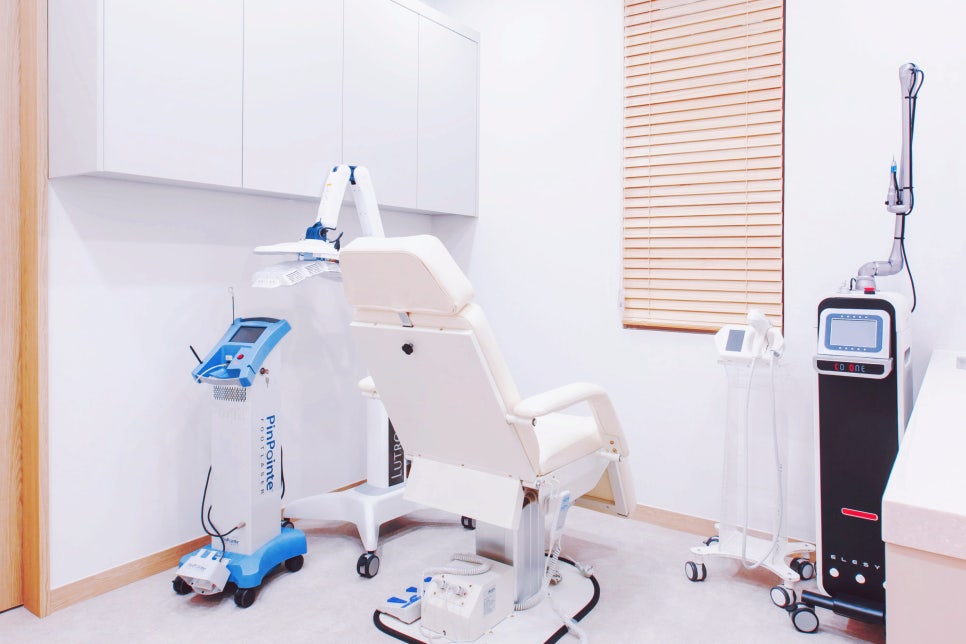
Seborrheic keratosis on the scalp can be removed relatively simply and cleanly using a laser. A carbon dioxide (CO2) laser or an erbium:YAG laser is used to precisely shave away or burn off only the lesion while minimizing damage to normal skin tissue. Because the scalp is a special area densely covered with hair, visibility during the procedure can be difficult, but with skilled technique and precise treatment that avoids damaging the hair, you can regain a smooth scalp texture while reducing concerns about scarring.
The procedure time varies depending on the number of lesions, but it is usually completed in a short time, and the burden of pain is also low, so it can be managed even in a busy daily routine. When the lesion is small and not deeply rooted, treatment leads to faster recovery and much more satisfying skin regeneration results, so if symptoms are suspected, it is best to receive appropriate treatment early.
Thorough hygiene and follow-up care are essential after the procedure
Maebang Station Dermatology: Causes of Seborrheic Keratosis on the Scalp and How to Self-Check
After removing seborrheic keratosis with laser treatment, careful aftercare is necessary so the treated area can heal cleanly without becoming irritated. On the day of the procedure, it is best to avoid shampooing and take care to keep the area dry. Starting the next day, when washing your hair, you should cleanse gently so as not to rub the treated area hard or scratch it with your nails. It is important to apply the prescribed antibiotic ointment or regenerative ointment carefully at the designated times to protect the area so healthy new skin can form rather than an artificial scab.
In addition, ultraviolet rays can cause pigmentation in the treated area or promote recurrence in nearby areas, so when going outdoors, it is necessary to protect the scalp from direct sunlight by wearing a hat or using a parasol. Remember that skin recovers honestly in proportion to the care it receives, and continue attentive management until the end.
Protect scalp health with regular checkups and lifestyle habits

Maebang Station Dermatology: Causes of Seborrheic Keratosis on the Scalp and How to Self-Check
Once seborrheic keratosis develops, it does not disappear on its own over time. In fact, if left untreated, it tends to darken in color or become even harder on the surface. Therefore, it is good to develop the habit of carefully checking the condition of the scalp while paying attention to how it feels under your fingertips when washing or brushing your hair.
In particular, if the scalp becomes very warm or blood circulation is not smooth, it can affect the skin’s regeneration cycle, so maintaining adequate hydration and balanced nutrition helps build the skin’s basic resilience. If a new bump appears or the shape of an existing lesion changes asymmetrically, do not delay—visit a specialist to check the exact condition. When proper medical information is combined with regular checkups, you will be able to keep your scalp healthy, comfortable, and clean for a long time.