Seocho-dong Dermatology: What Causes Dandruff in the Hair? Could It Be Seborrheic Scalp Dermatitis?
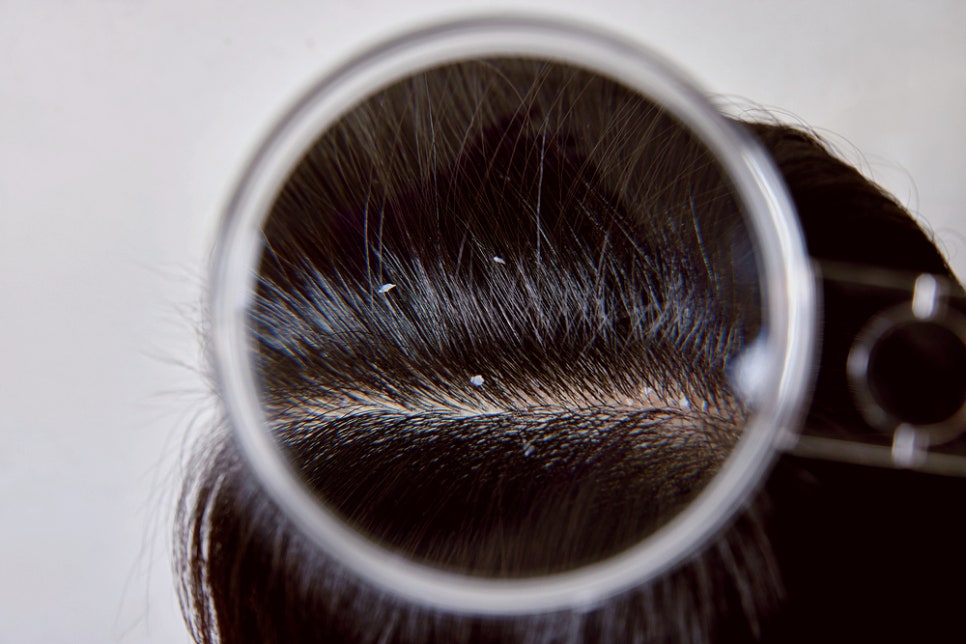
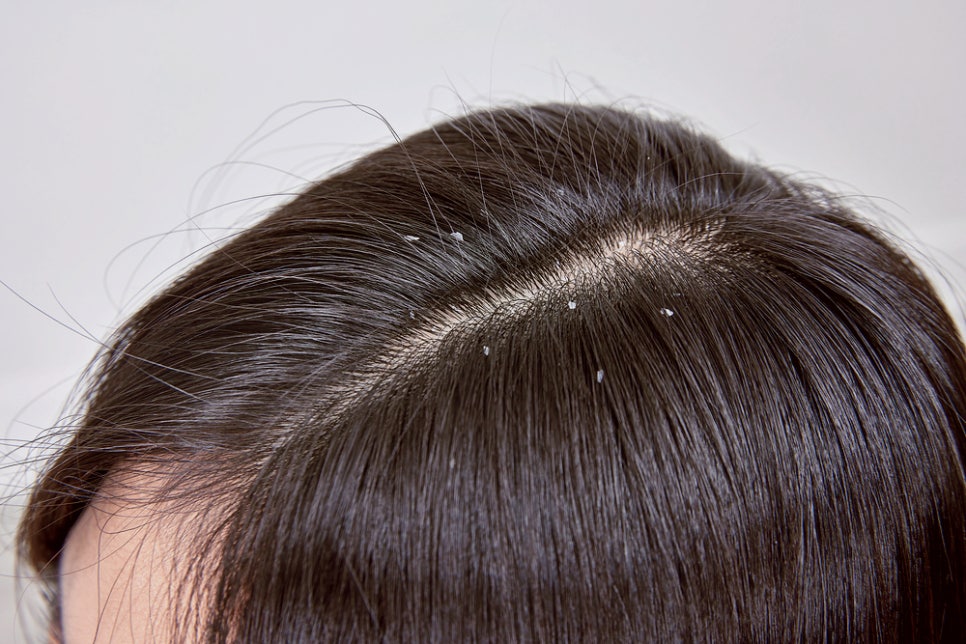
If, in daily life, you notice white flakes falling onto your shoulders or find yourself scratching your scalp because it keeps itching, you may feel embarrassed and worry that others will misunderstand you as being unclean. Hair dandruff is a common concern that anyone can experience at least once, but its cause is far too complex to dismiss as simply a hygiene problem caused by not washing well enough.
In particular, if dandruff becomes severe and the scalp turns red, oozes, or is accompanied by inflammation, it may have progressed beyond simple dead skin cells into seborrheic scalp dermatitis, so an accurate distinction is needed. Today, I’ll explain in detail the fundamental causes of hair dandruff, the medical treatments for seborrheic scalp dermatitis used to manage it, and the proper at-home care methods you can practice.
You need to understand the underlying cause of hair dandruff
Seocho-dong Dermatology: What Causes Dandruff in the Hair? Could It Be Seborrheic Scalp Dermatitis?
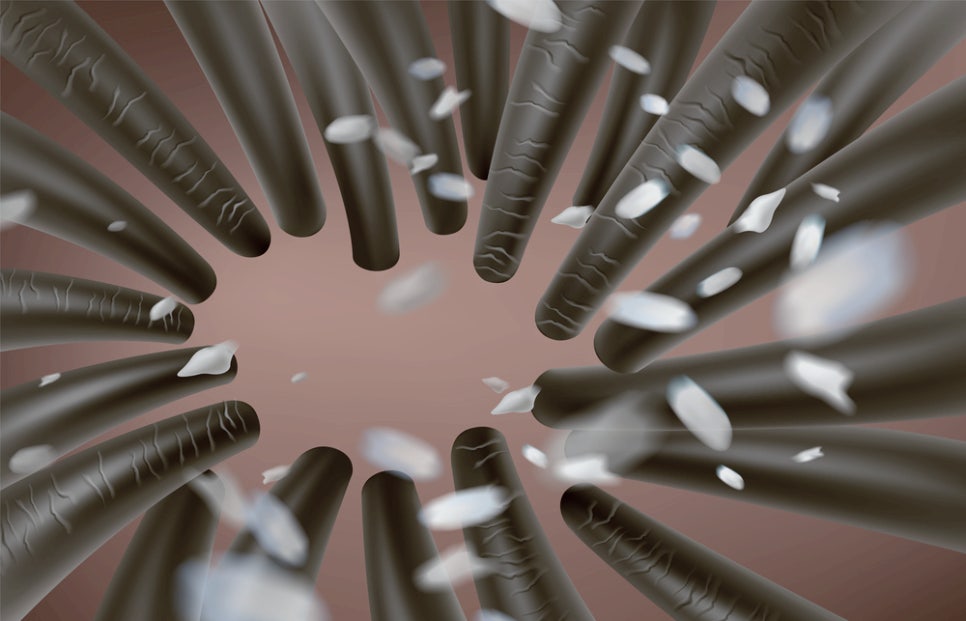
Dandruff is a natural phenomenon in which skin cells renew themselves and die off according to the skin’s regeneration cycle. However, if the amount becomes excessive and clumps together visibly, it should be approached from a medical perspective. There are many causes of hair dandruff, but the most 대표적인 one is an imbalance in the scalp’s oil and moisture levels. In oily scalps, excessive sebum secretion helps the growth of a fungus called Malassezia and promotes the formation of flakes. On the other hand, dry scalps lack moisture, causing the outer layer of skin to lift and appear white.
In addition, chronic problems common in modern life, such as stress and irregular sleep habits, affect the autonomic nervous system, disrupt blood circulation in the scalp, and increase inflammation levels. Rapid seasonal temperature changes and dry air also weaken the scalp’s protective barrier and are major factors that trigger dandruff. Irritating ingredients in hair products or the habit of not rinsing thoroughly after shampooing can also leave residue around the pores and worsen dandruff.
Severe dandruff can lead to seborrheic scalp dermatitis
Seocho-dong Dermatology: What Causes Dandruff in the Hair? Could It Be Seborrheic Scalp Dermatitis?
If you move beyond the stage where only white flakes are falling and your scalp becomes visibly red and the itching becomes unbearable, you should suspect seborrheic scalp dermatitis. Seborrheic scalp dermatitis is a chronic inflammatory disease that occurs in areas with well-developed sebaceous glands, and dandruff is one of its earliest and mildest symptoms. As the inflammation deepens, yellow pus may form on the scalp, sticky fluid may ooze out, and thick crusts can develop.
In particular, if you cannot resist scratching your scalp with your fingernails, you need to be careful because minor wounds can lead to a secondary bacterial infection. Chronic seborrheic scalp dermatitis can weaken hair root health and cause temporary hair loss, and if treatment is delayed, there is also a risk of follicle damage. Therefore, if you feel that dandruff has increased more than usual, it is wiser not to leave it alone but to receive a detailed examination from a specialist to see whether your scalp is showing an inflammatory response beyond simple flaking.
Inflammation can be quickly controlled with oral and topical medication

Seocho-dong Dermatology: What Causes Dandruff in the Hair? Could It Be Seborrheic Scalp Dermatitis?
If the condition has progressed to seborrheic scalp dermatitis, ordinary shampooing alone has its limits, so medical treatment must be combined. If the itching is severe enough to interfere with daily life or keep you awake at night, antihistamines may be prescribed to reduce immediate discomfort. When scalp swelling and redness are severe, steroid medications are used for a short period to lower inflammation levels.
Also, if excessive growth of the fungus Malassezia is confirmed, antifungal medications are needed to directly suppress the causative organism. Recently, various liquid topical treatments that strengthen the scalp barrier and relieve itching have become available, allowing for precise prescriptions tailored to the severity of the patient’s symptoms. This kind of medication treatment lowers scalp sensitivity and normalizes the abnormally accelerated skin-cell turnover cycle, helping restore a clean scalp environment in a straightforward and effective way.
Choosing the right products and shampooing method is key to treatment

Seocho-dong Dermatology: What Causes Dandruff in the Hair? Could It Be Seborrheic Scalp Dermatitis?
What matters just as much as medication is your daily shampooing habit and the products you choose. Special shampoos containing antifungal ingredients that help treat seborrheic scalp dermatitis, such as ketoconazole and ciclopirox, are typically used about 2 to 3 times a week. The important point is not to rinse immediately after lathering. Instead, let it sit for about 3 to 5 minutes so the ingredients can work deeply on the scalp, then rinse thoroughly with lukewarm water.
For your regular shampoo as well, it is best to choose a mildly acidic product that minimizes scalp irritation. When shampooing, cleanse gently as if massaging with the fingerprints of your fingers rather than your fingernails, and rinse especially carefully around the area behind the ears and the nape of the neck, where residue tends to remain. After washing your hair, it is important to remove moisture by gently pressing with a towel rather than rubbing, and to dry the scalp completely with the cool setting of a hair dryer. This is because leaving the scalp damp creates the best environment for germs to grow.