Bangbae Station Dermatology: If Chronic Hives Keep Coming Back Even After Taking Medicine, You Need to Find the Cause First
If hives appear once and disappear within a day or two, that is fortunate, but many people struggle because the symptoms do not subside even after several days, or they improve only to come back again. In the clinic, we often see patients who come in with tired expressions saying, "The medicine only helps while I’m taking it, and it comes back when I stop." If hives recur for more than 6 weeks like this, it should be considered chronic urticaria rather than a simple one-time reaction.
Chronic urticaria is not just a simple itchy skin reaction; it is a condition caused by a breakdown in the immune system’s regulatory function, so identifying the cause accurately and managing it consistently is most important. Today, I’ll explain in detail why chronic urticaria occurs and how it should be treated and managed.
Chronic urticaria is different from a simple allergic reaction
Bangbae Station Dermatology: If Chronic Hives Keep Coming Back Even After Taking Medicine, You Need to Find the Cause First
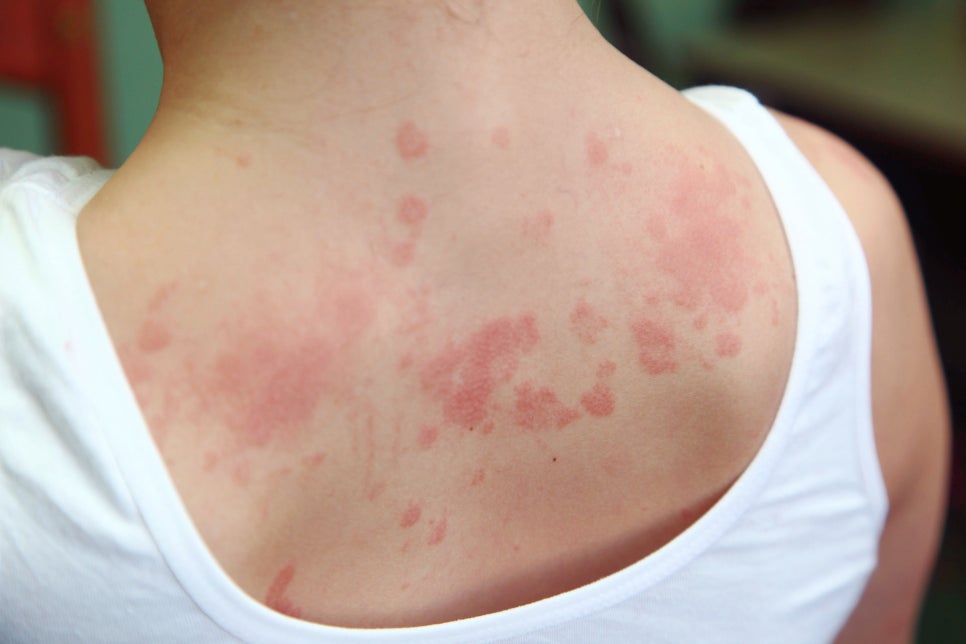
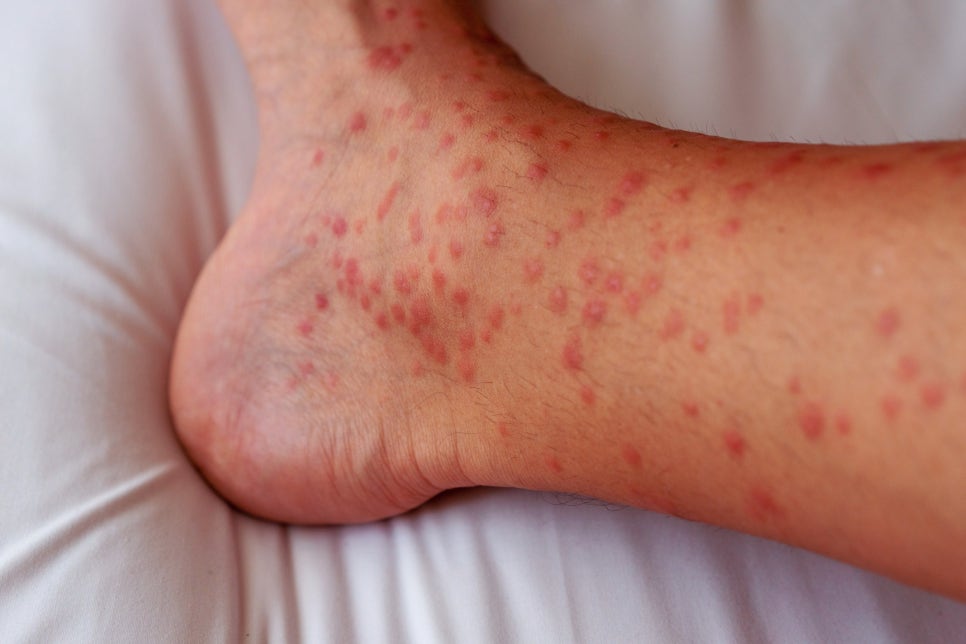
Hives are a skin condition in which the permeability of the blood vessels in the skin and mucous membranes increases, causing fluid from the blood to leak into the tissue, leading to swelling of the skin and severe itching. If the symptoms disappear within 6 weeks, it is classified as acute urticaria, and if they persist longer or recur, it is classified as chronic urticaria. In many cases, it is difficult to identify a specific cause for chronic urticaria.
This is because autoimmune reactions in which the immune system attacks itself, along with lifestyle factors such as stress, lack of sleep, and alcohol consumption, often act together. Many people think food allergies are the cause and try eliminating various foods, but in reality, food is a direct cause in chronic urticaria less often than one might expect. Trying to find the cause on your own without an accurate diagnosis can only take time and may make the symptoms chronic.
The key treatment for chronic urticaria is consistent medication management

Bangbae Station Dermatology: If Chronic Hives Keep Coming Back Even After Taking Medicine, You Need to Find the Cause First
The first-line treatment for chronic urticaria is taking antihistamines. They should not be taken only when itching occurs; they need to be taken regularly and consistently even on days when there are no symptoms in order to be effective. Today, second-generation antihistamines, which have fewer drowsiness side effects, are mainly used, so they can be taken without causing major inconvenience in daily life.
If symptoms are not well controlled with antihistamines alone, a leukotriene inhibitor may be added, or a short course of steroids may be used together. The important thing is not to stop the medicine on your own just because the symptoms have improved. The key to managing chronic urticaria is to gradually reduce it while adjusting the duration and dosage together with a dermatologist.
Pladuo helps calm sensitive skin

Bangbae Station Dermatology: If Chronic Hives Keep Coming Back Even After Taking Medicine, You Need to Find the Cause First
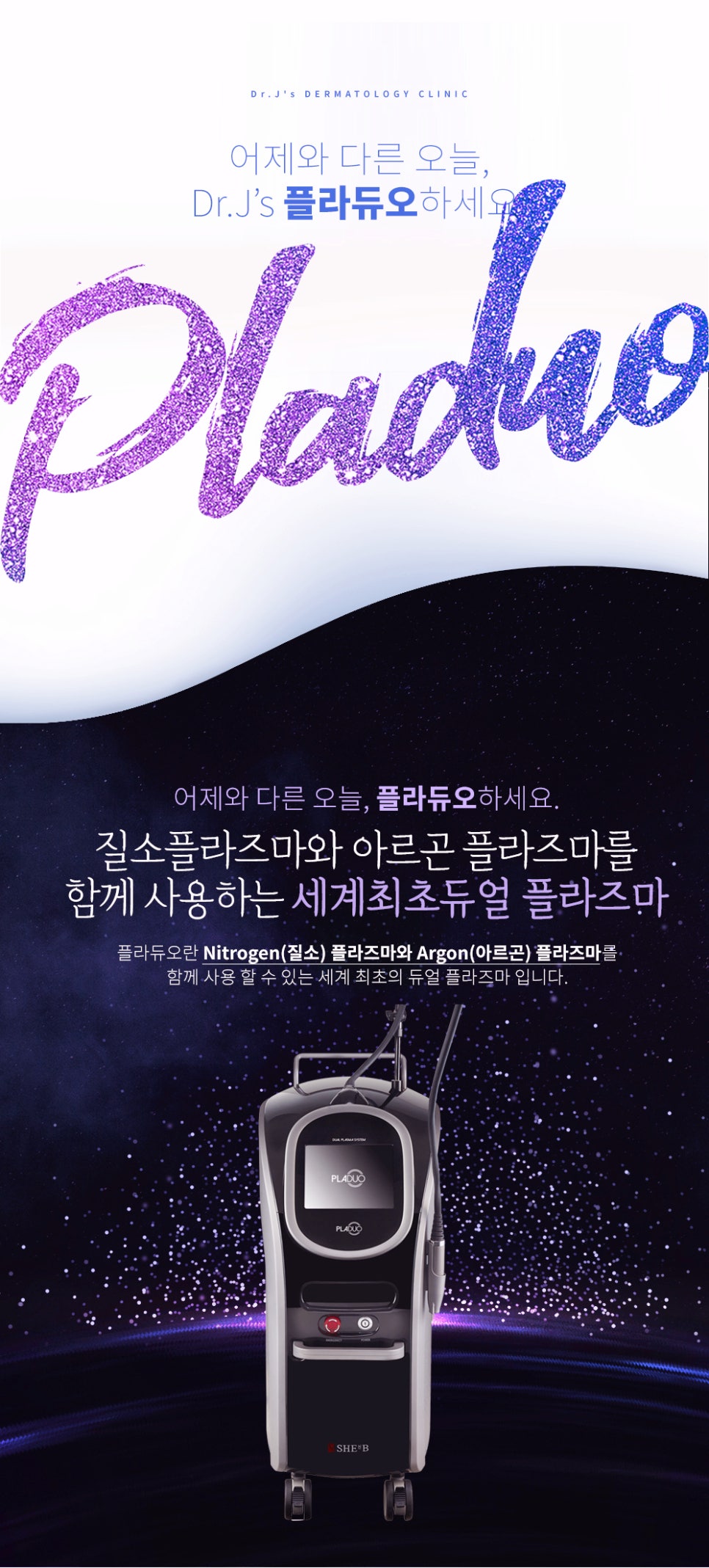
While combining with medication treatment, Pladuo can be used as a management method to help stabilize sensitive and reddened skin. Pladuo is a device that uses argon plasma and nitrogen plasma depending on the skin condition. Argon plasma is used to refine the skin surface and remove waste, while nitrogen plasma delivers energy to the dermis to help stabilize the skin regeneration environment.
Because it can be applied relatively comfortably even to skin that has become sensitive from repeated irritation caused by hives, it can be used without much burden by those who are concerned about irritation. A combined approach that controls symptoms with medication while also helping the skin recover is much more effective for managing chronic urticaria.
Reducing aggravating factors in daily life is just as important as treatment
Bangbae Station Dermatology: If Chronic Hives Keep Coming Back Even After Taking Medicine, You Need to Find the Cause First
Although it is often difficult to pinpoint a specific cause of chronic urticaria, there are certainly factors that worsen symptoms. Stress and lack of sleep are major factors that reduce immune regulation and aggravate hives. Alcohol can also dilate blood vessels and trigger symptoms, so it is best to reduce it as much as possible.
Certain medications such as aspirin or anti-inflammatory pain relievers can also worsen hives, so if you are taking any medication, be sure to mention it during your visit. In addition, physical stimuli such as tight clothing or strong friction can also trigger symptoms. Gradually reducing these aggravating factors in everyday life is the most practical way to manage chronic urticaria along with consistent medication treatment.
Chronic urticaria is a condition that can be sufficiently controlled when proper treatment and consistent management are combined. If symptoms keep recurring, do not give up too soon; instead, work with a dermatologist to create a treatment plan tailored to your skin condition. I will carefully help you get away from the uncomfortable itching and repeated symptoms and regain a comfortable daily life.