Sadang Station Dermatology: Keloid Scar Treatment
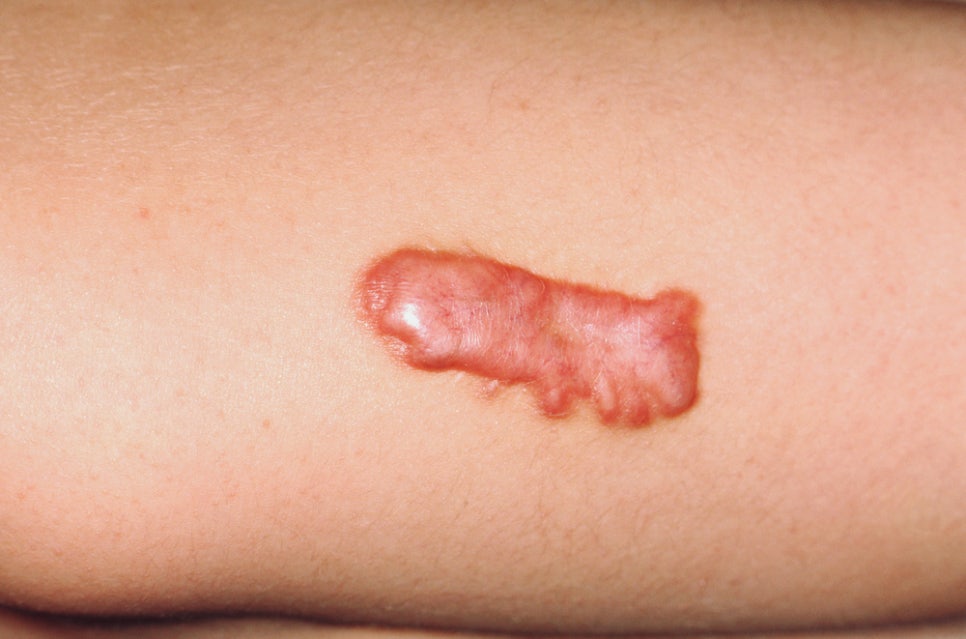
If a scar does not fade after a wound heals but instead becomes increasingly large, firm, and raised, accompanied by itching or pain, you should consider the possibility of a keloid. Many people I meet in the clinic say things like, “The spot where I had my ear pierced has swollen up like a lump,” or “I don’t understand why my acne mark has become so raised.” Keloid scars occur when excessive collagen is produced during the wound-healing process, causing scar tissue to grow beyond the original wound area.
Unlike hypertrophic scars, which are simply raised scars, keloids continue spreading into the surrounding area beyond the original wound boundaries. They do not disappear on their own, and their size may increase if left untreated, so starting keloid scar treatment early can be advantageous. Today, I’ll explain in detail why keloid scars develop and how they should be treated.
Why Are Keloid Scars Different from Ordinary Scars?
Sadang Station Dermatology: Keloid Scar Treatment
When a wound occurs, the body heals it by producing collagen to fill the damaged area. Normally, collagen production stops once the wound has fully healed. However, in people prone to keloids, this process is not properly regulated, and excessive collagen continues to be produced, causing the scar to spread beyond the original wound area into the surrounding skin.
Keloids can develop for various reasons, including ear piercings, acne marks, surgical wounds, and vaccination sites, and genetic factors play a significant role. They tend to occur more easily in people with darker skin tones and are more common in areas with greater skin tension, such as the chest and shoulders. Keloids are often accompanied by itching, stinging, or pain, which can cause discomfort in daily life.
Steroid Injections Suppress Excessive Collagen Production
Sadang Station Dermatology: Keloid Scar Treatment
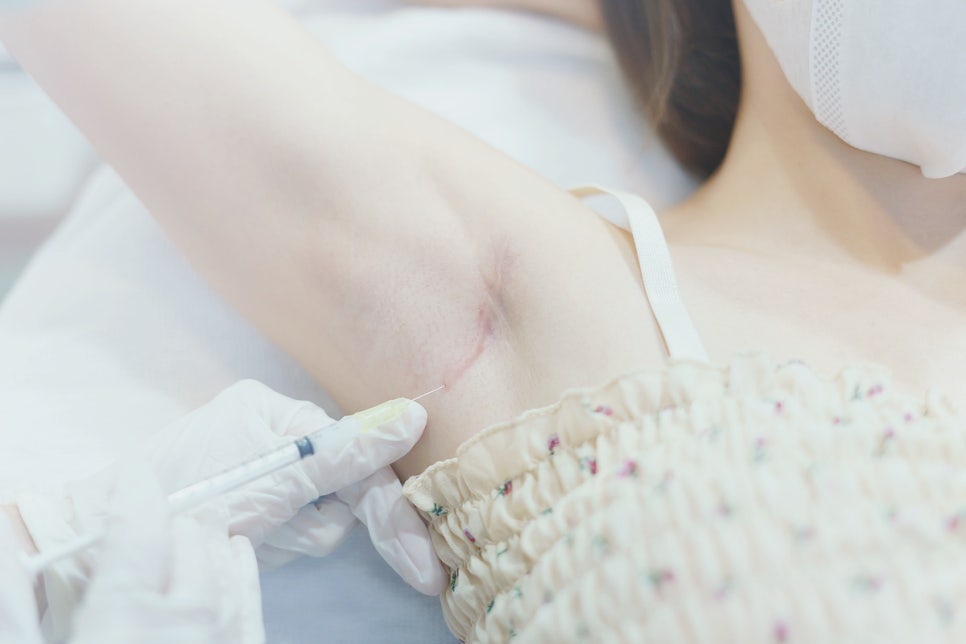
The most basic treatment for keloid scars is steroid injection therapy. Steroids are injected directly into the keloid scar tissue to suppress excessive collagen production and gradually flatten the scar tissue.
With repeated injections, firm, raised scars may gradually become softer and decrease in size. Associated discomfort, such as itching or pain, often improves as well. The injection interval and number of treatments are adjusted according to the scar’s size and thickness, and consistent treatment is key to improving the results of keloid scar treatment.
Clariti Pro Helps Reduce Scar Redness and Visible Blood Vessels

Sadang Station Dermatology: Keloid Scar Treatment
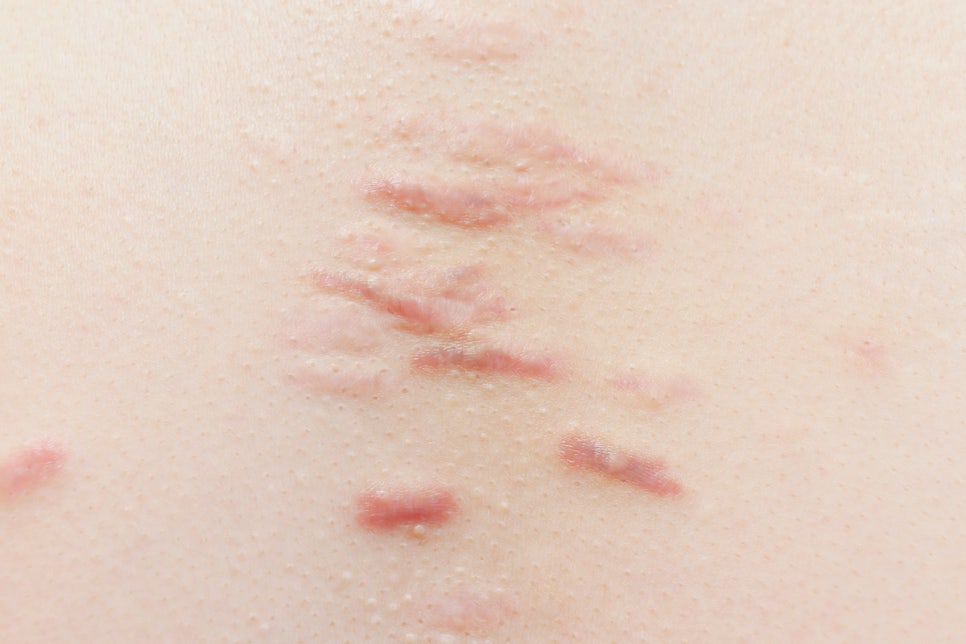
Using Clariti Pro alongside steroid injection therapy may further improve the results of keloid scar treatment. Keloid scars often appear red and raised because they contain many blood vessels. Clariti Pro’s laser energy selectively targets the blood vessels within the scar, helping organize the vessels and reduce redness.
A comprehensive approach that reduces the scar’s size while also improving its color and texture can help improve the overall appearance of keloid scars. Combining injections to suppress scar tissue with laser treatment to address blood vessels and pigmentation may produce better results than either treatment alone.
Preventing Recurrence After Keloid Scar Treatment Is Important

Sadang Station Dermatology: Keloid Scar Treatment
The most challenging aspect of keloid scar treatment is its high recurrence rate. Even if treatment reduces the scar, it may grow again if the same area is irritated, making post-treatment care very important. Avoiding unnecessary irritation to the treated area and using scar-specific silicone sheets or pressure dressings may help suppress recurrence. If you are prone to keloids and develop a new wound, starting care at a dermatology clinic from the early stages of healing is the most effective way to prevent the wound from developing into a keloid. Visiting a dermatologist regularly to have the scar evaluated and receiving maintenance treatment when necessary is a practical way to manage keloid scars over the long term.
Because keloid scars can grow larger and become more difficult to treat the longer they are left unattended, please visit a dermatology clinic promptly if you notice anything unusual. Keloid scar treatment is not usually completed in a single session; it involves consistent care to control the scar’s size and prevent recurrence. If you have been concerned about a raised scar for a long time, consult a dermatologist to find a treatment approach suited to your scar’s condition. I will do my best to provide careful support so that you can move beyond the discomfort caused by your scar.