Seocho-gu Dermatology Clinic: Contact Dermatitis
Have you ever experienced sudden facial redness and itching after applying cosmetics you purchased, or swelling and blisters after wearing jewelry made of a particular metal? Many people I meet in the consultation room say things like, “My skin suddenly broke out, and I don’t know which cosmetic product caused it,” or “The area where I wear my wristwatch is unusually itchy and red.” Contact dermatitis is a skin condition in which inflammation occurs when a specific substance comes into contact with the skin.
It is not simply caused by having sensitive skin. Depending on the causative substance and how the skin reacts, it is divided into irritant and allergic types, and the treatment approach differs for each. If the causative substance is not identified accurately, the same symptoms may continue to recur. That is why an accurate diagnosis should come first in cases of contact dermatitis. Today, I will explain in detail why contact dermatitis occurs and how it should be treated and managed.
Contact Dermatitis Is Divided into Irritant and Allergic Types

Seocho-gu Dermatology Clinic: Contact Dermatitis
Contact dermatitis is broadly divided into irritant contact dermatitis and allergic contact dermatitis. Irritant contact dermatitis is a reaction that can occur in anyone when the skin comes into direct contact with substances that cause irritation, such as strong detergents or chemicals. In contrast, allergic contact dermatitis occurs when the immune system reacts excessively to substances such as nickel-containing metals, certain cosmetic ingredients, rubber, or fragrances. Even when exposed to the same substance, some people develop a reaction while others do not.
With the allergic type, there may be no reaction upon the first exposure. Symptoms typically appear after repeated exposure has caused an immune response to develop. Redness, itching, and swelling are the main symptoms of both types, but accurately distinguishing between them is important because their causes and treatment approaches differ.
Identifying the Causative Substance with a Patch Test Is the Beginning of Treatment

Seocho-gu Dermatology Clinic: Contact Dermatitis
The first step in treating contact dermatitis is to accurately identify the causative substance. If treatment is repeatedly used only to relieve symptoms without knowing what substance is responsible, the symptoms are likely to recur because of continued exposure to the same substance. Dermatology clinics identify the causative allergen through a patch test, in which suspected substances are applied to the skin and the reaction is checked after 48 to 72 hours.
Once the causative substance has been identified, avoiding it is the most important aspect of managing contact dermatitis. If cosmetics are the cause, it is important to make a habit of checking the ingredient list carefully. If you have a metal allergy, it is a good idea to choose nickel-free products.
Antihistamines and Steroids Help Relieve Inflammation and Itching

Seocho-gu Dermatology Clinic: Contact Dermatitis
While avoiding the causative substance, medication is used at the same time to quickly relieve inflammation and itching that have already developed. If the itching is severe, antihistamines may be taken to suppress the itching response and prevent secondary skin damage caused by scratching. If the inflammation is severe or covers a wide area, a topical steroid may be prescribed to quickly soothe red and swollen skin.
In very severe cases, an oral steroid may also be used for a short period. Even if the symptoms have improved, it is important not to stop medication on your own. Following a specialist’s instructions and gradually reducing the medication is important for preventing recurrence.
LDM Helps Quickly Restore a Skin Barrier Weakened by Sensitivity
Seocho-gu Dermatology Clinic: Contact Dermatitis
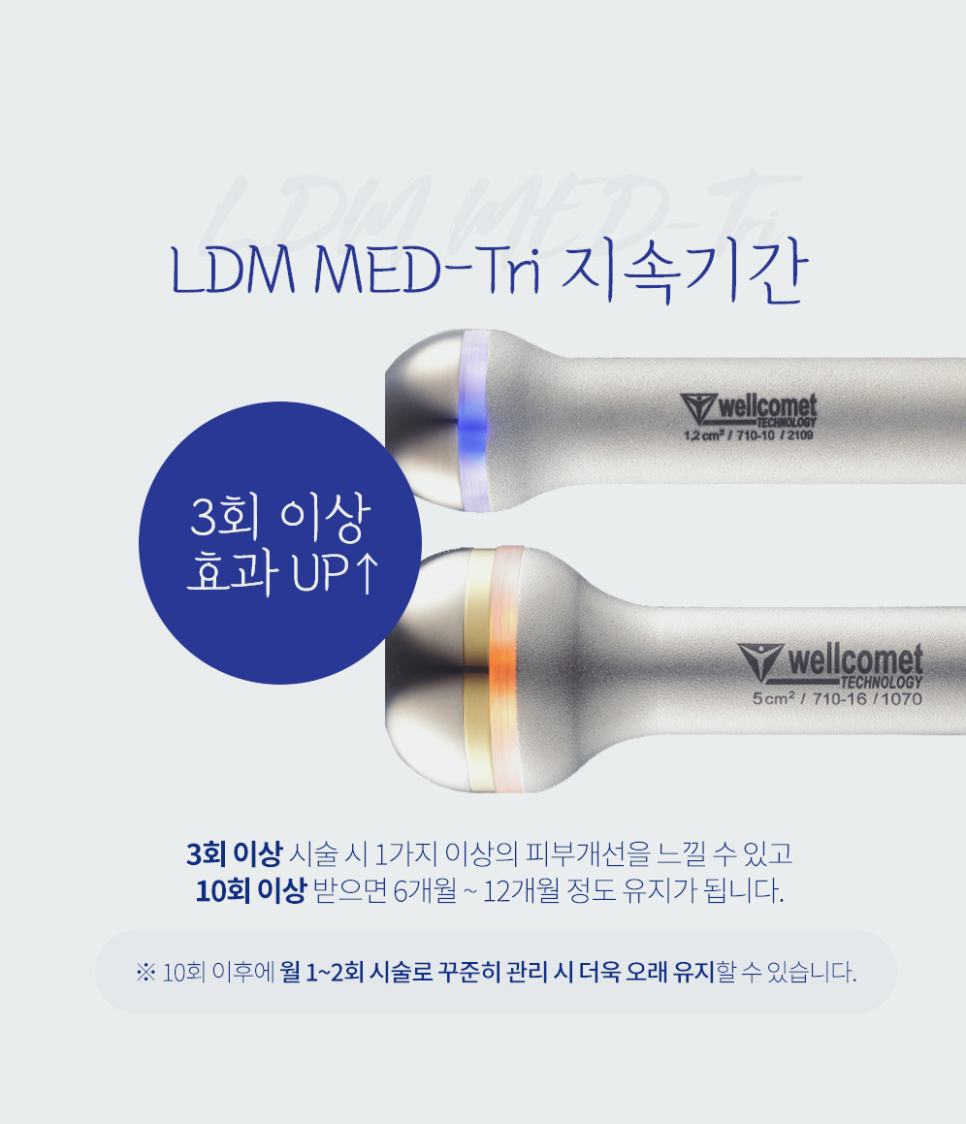
LDM is a treatment that may help restore the skin barrier damaged by contact dermatitis when used alongside medication. Repeated episodes of contact dermatitis can weaken the skin barrier, making it easy for a vicious cycle to develop in which the skin reacts sensitively even to minor stimuli. LDM uses ultrasound energy at two different frequencies applied alternately to help stabilize the moisture environment in the dermal layer and create conditions in which the weakened skin barrier can recover on its own. Because it involves little heat stimulation, it can be received comfortably even by skin that has already become sensitive due to inflammation. This is why LDM may be used during the recovery phase of contact dermatitis. As the skin barrier becomes stronger, the skin may react less to the same stimuli, which can help reduce the frequency of contact dermatitis recurrences.
Contact dermatitis is a condition that can be managed sufficiently by accurately identifying and avoiding the causative substance. If you have been uncomfortable for a long time because of itchy, red skin, seek an accurate diagnosis from a dermatology specialist rather than trying to find the cause on your own. Once the cause is identified and appropriate treatment is received, you can move beyond recurring skin problems and return to a more comfortable daily life. I will do my best to help you maintain healthy, comfortable skin.