Naebang Station Dermatology Clinic Facial Lifting Procedure
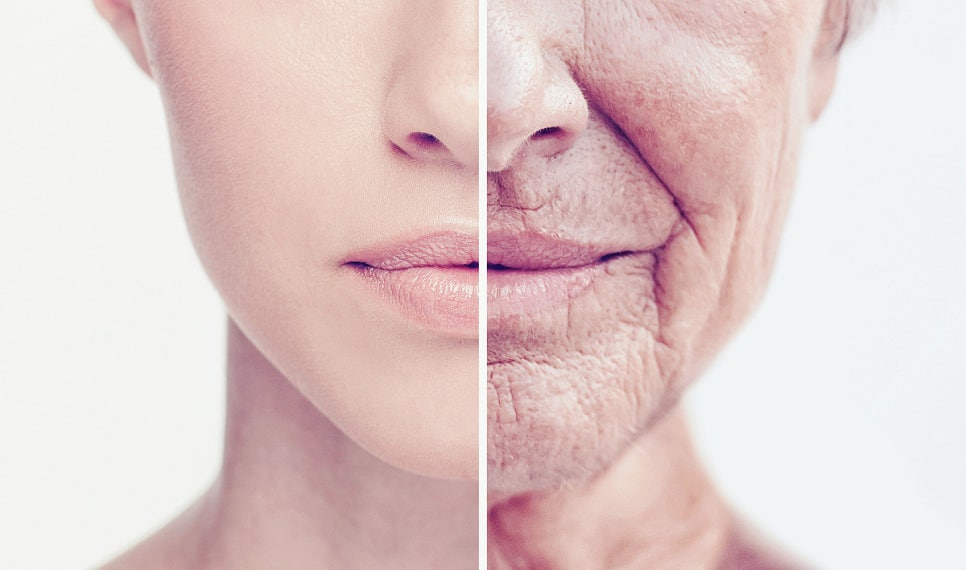
Have you ever felt upset after taking a photo because your cheeks seemed much more saggy than before? Many people feel that they look fine when they look in the mirror, but that their face appears somehow heavy and lowered in photos. As the lines around the mouth deepen, they may also feel that their overall appearance looks tired. Many people I meet in the consultation room say things like, “I haven’t even gained weight, so I don’t know why my face looks so saggy,” or, “I feel like my face has changed a lot since taking off my mask.”
The reason the face sags is not simply age. It is caused by complex structural changes: collagen in the dermal layer decreases, facial fat moves downward, and elasticity in the fascial layer declines. Facial lifting procedures are treatments designed to address these changes, starting from the deeper layers within the skin. Today, I’ll explain in detail why the face sags and how facial lifting procedures can be used effectively.
Facial sagging is the result of changes in the structures beneath the skin
Naebang Station Dermatology Clinic Facial Lifting Procedure
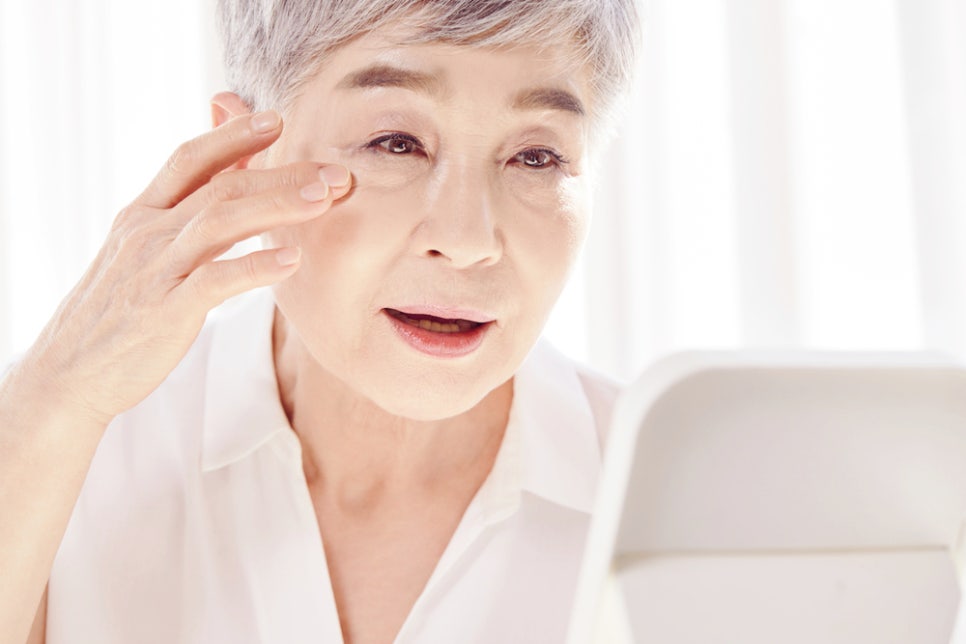
When we are young, the fat compartments positioned throughout the face remain in place, creating volume and elasticity. As we age, however, these fat compartments sag downward in the direction of gravity. When the ligaments connecting the skin and fascia become lax, the entire face begins to shift downward. If the skin itself also loses elasticity as collagen and elastin in the dermal layer decrease, several changes begin to appear at once: the cheeks descend, the jawline becomes less defined, and the nasolabial folds deepen.
Accumulated ultraviolet damage and sudden changes in weight can also accelerate these changes. The key to facial lifting procedures is not simply pulling the skin’s surface, but addressing these structural changes from the deeper layers within the skin.
InMode tightens and lifts sagging facial tissue

Naebang Station Dermatology Clinic Facial Lifting Procedure
Among facial lifting procedures, InMode works by delivering radiofrequency thermal energy from the dermal layer to the area near the fascial layer, encouraging collagen fiber regeneration and tightly firming loose skin tissue. Because it can both reduce unnecessary fat and improve skin elasticity, it is particularly suitable for facial lifting when the cheeks are sagging or the jawline has become less defined.
Dedicated tips suited to each area of the face can be used to deliver energy carefully, even to narrow and curved areas. As time passes after the procedure, collagen regenerates and sagging tissue is lifted upward, allowing you to feel that your overall facial contours have become more defined.
EMFACE stimulates the muscle layer as well for a three-dimensional lift
Naebang Station Dermatology Clinic Facial Lifting Procedure
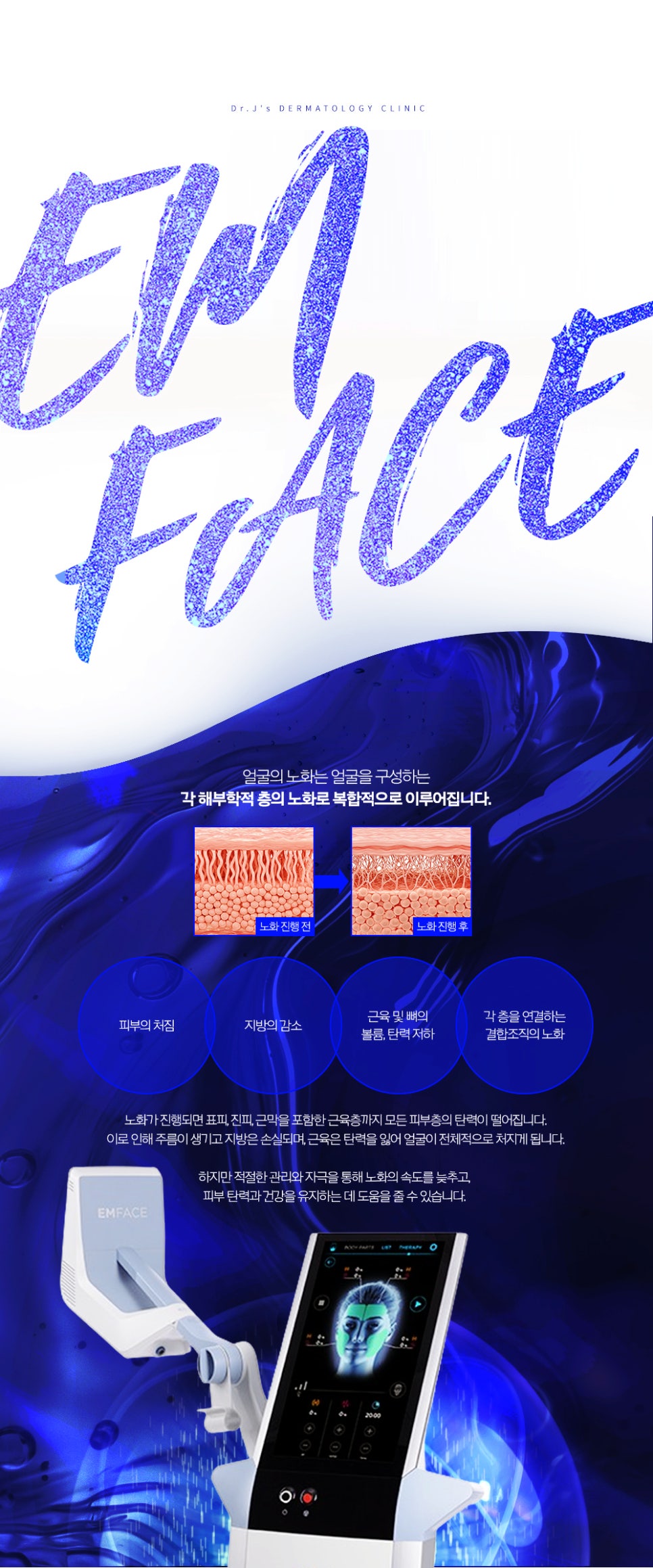
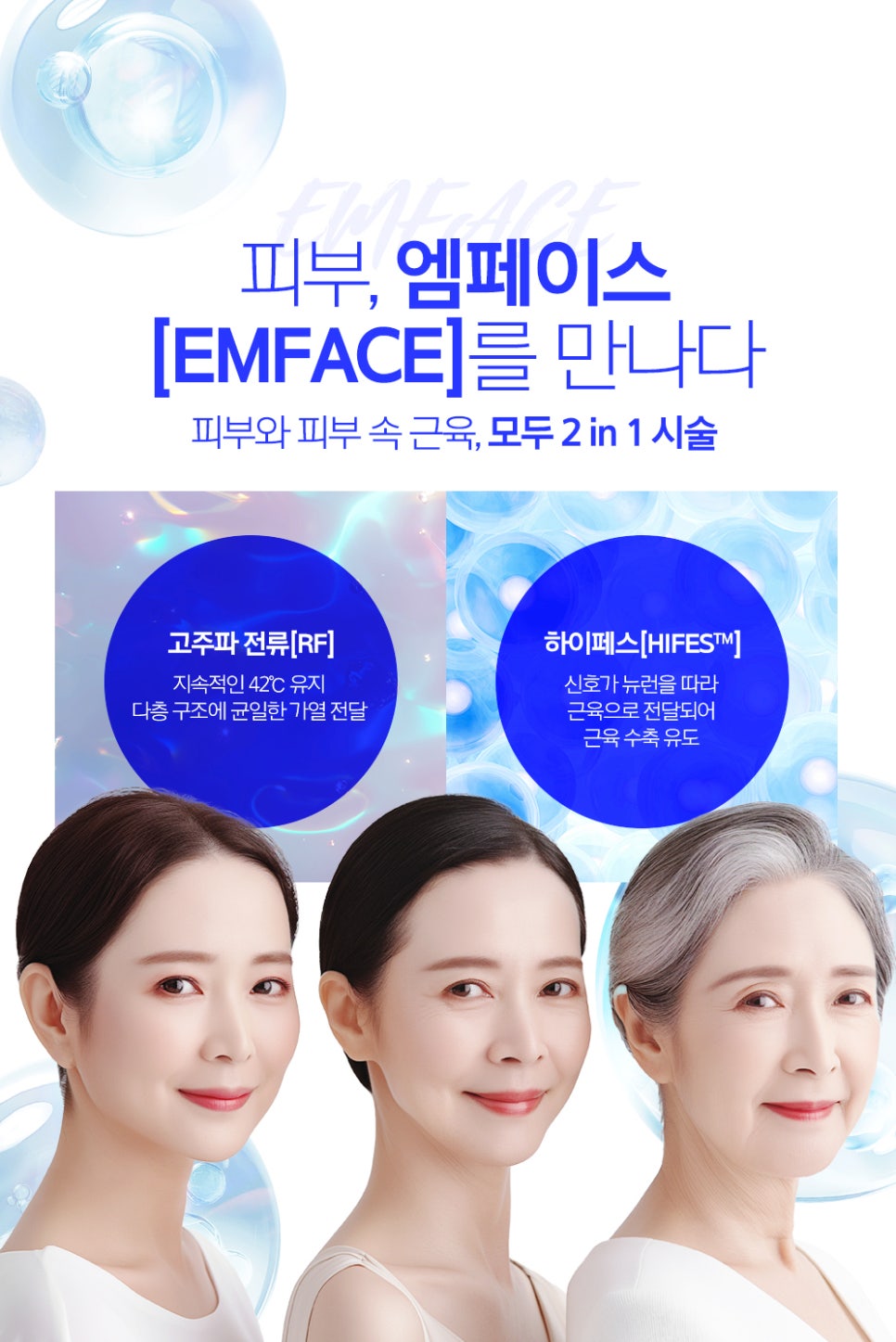
EMFACE can be used alongside InMode to further enhance the effects of facial lifting procedures. EMFACE uses high-intensity radiofrequency energy and muscle stimulation technology simultaneously to directly stimulate the facial expression muscles and induce contractions in a lifting direction. Because it manages both the skin and muscle layers at the same time, it is designed not only to pull the skin’s surface upward but also to create a three-dimensional lifting effect that raises the overall facial structure.
Because it is a noninvasive method that does not use needles, it places less burden on the recovery process, including redness and swelling, and allows you to return to daily activities immediately. This combined approach—tightening sagging tissue with InMode while also stimulating the muscle layer with EMFACE—helps maintain the effects of facial lifting procedures for much longer.
Care habits can help maintain the effects of facial lifting procedures for longer
Naebang Station Dermatology Clinic Facial Lifting Procedure
You can maintain the effects for much longer by managing your lifestyle habits after receiving a facial lifting procedure. Ultraviolet radiation damages collagen and is a major cause of rapidly reduced skin elasticity, so applying sunscreen carefully whenever you go outside is the most basic step. Immediately after the procedure, it is best to avoid high-temperature environments such as jjimjilbangs and saunas, as well as reduce exposure to intense ultraviolet radiation. Habits such as resting your chin on your hand or chewing only on one side can accelerate facial asymmetry and sagging, so consciously correcting them can be helpful. Rather than treating facial lifting as a one-time procedure, receiving periodic care is the most realistic way to improve a sagging face and maintain the effects for longer.
Changes in the face as it sags are a natural part of aging, but they can be sufficiently improved and maintained with facial lifting procedures. Without the burden of surgery, restore firm, well-defined facial contours with a procedure suited to your skin condition. If concerns about a sagging face have become more troubling, consult a board-certified dermatologist to find a treatment approach suited to your skin. I will carefully help you regain a youthful, vibrant appearance.