Atopic Dermatitis at a Sadang Station Dermatology Clinic
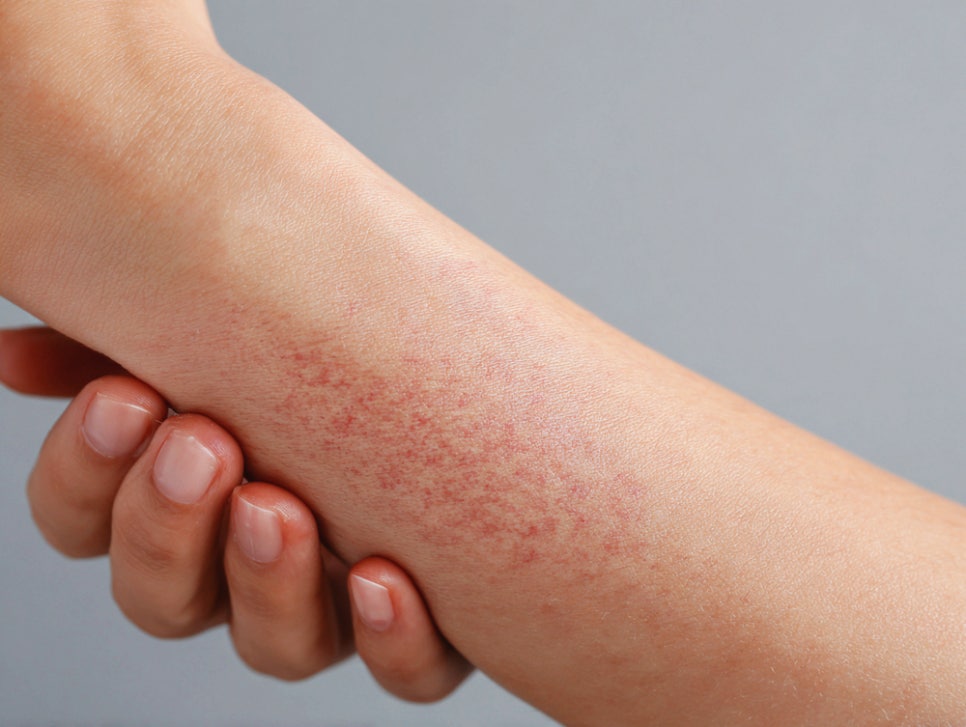
If you are repeatedly unable to sleep properly because of unbearable itching every night, or your skin becomes even redder, irritated, and oozes after scratching, you may have atopic dermatitis. Many people I meet in the consultation room say things like, “I had atopic dermatitis as a child, but it keeps recurring even now that I’m an adult,” or “It always flares up when I’m stressed or when the seasons change.” Atopic dermatitis is not simply dry skin or an allergic reaction.
It is a chronic inflammatory skin condition in which the skin barrier is inherently weak and the immune system overreacts to external irritants, causing inflammation to recur. Scratching may seem to relieve the itch temporarily, but in reality, it deepens the skin damage and creates a vicious cycle in which the inflammation becomes more severe. Today, I’ll explain in detail why atopic dermatitis develops and how it should be treated and managed.
Atopic dermatitis involves a breakdown of both the skin barrier and the immune response

Atopic Dermatitis at a Sadang Station Dermatology Clinic
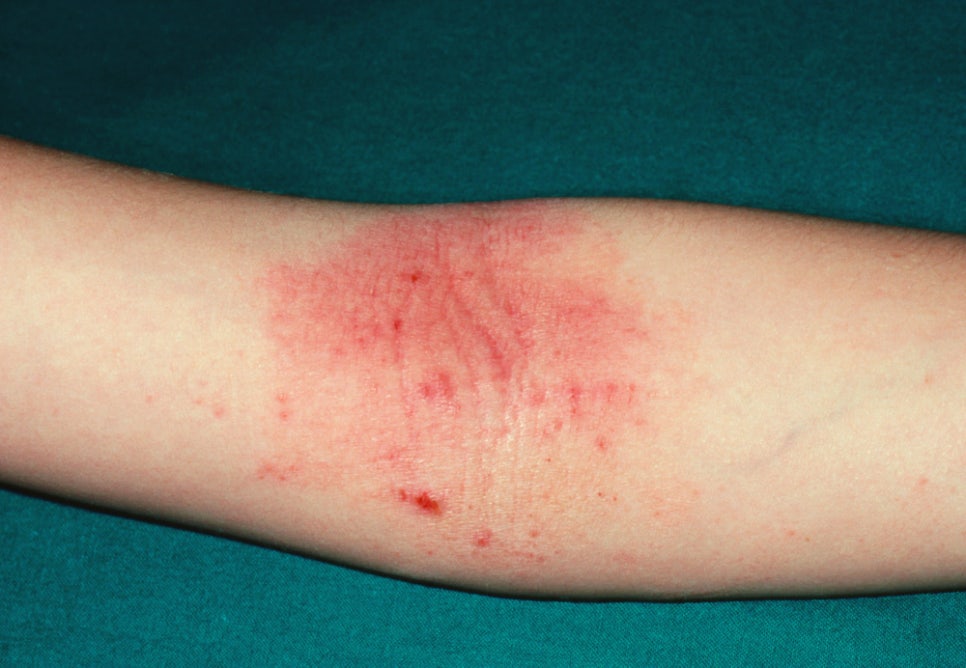
Skin affected by atopic dermatitis lacks the lipid components that make up the skin barrier, and the connections between skin cells are loose, allowing external irritants and allergens to penetrate the skin easily. These penetrating irritants excessively activate immune cells, triggering an inflammatory response and causing recurring itching, redness, and dryness. Genetic factors play a significant role, but environmental factors are also important.
Allergens such as house dust mites, pollen, and pet dander, as well as lifestyle factors such as stress, lack of sleep, and excessive cleansing, can act as triggers that worsen symptoms. Rather than focusing on a complete cure, the key direction of atopic dermatitis treatment is to control inflammation and strengthen the skin barrier through consistent management.
Medication helps quickly control inflammation and itching
Atopic Dermatitis at a Sadang Station Dermatology Clinic
Medication is the foundation of atopic dermatitis treatment. For areas with severe inflammation, topical medications containing corticosteroids or calcineurin inhibitors may be prescribed to calm inflammation and reduce itching. Corticosteroids work quickly and effectively, but long-term use may cause side effects such as skin thinning, so it is important to use them appropriately according to a specialist’s instructions.
When itching is severe enough to interfere with sleep, antihistamines may be taken to help prevent secondary skin damage caused by scratching. If symptoms are widespread or difficult to control with topical medication alone, oral medication containing immune-modulating ingredients may also be used. To reduce recurrence, it is important not to stop medication arbitrarily once symptoms improve, but to adjust treatment gradually together with a specialist.
Pladuo and LDM help soothe sensitive skin and restore the skin barrier
Atopic Dermatitis at a Sadang Station Dermatology Clinic
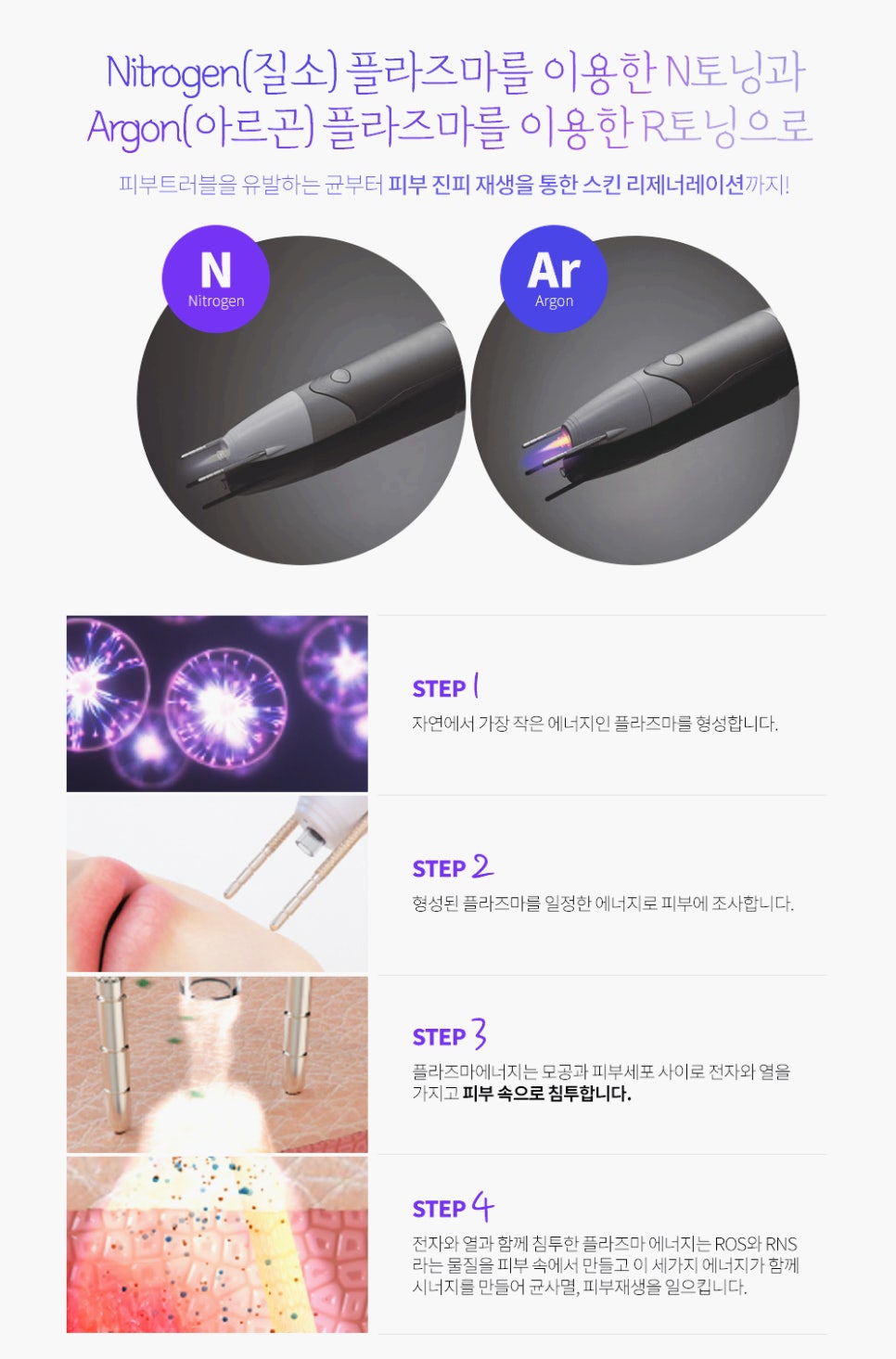
Alongside medication, certain treatments may help restore the skin barrier damaged by atopic dermatitis. Pladuo uses nitrogen plasma energy to help stabilize the regenerative environment of skin made sensitive by atopic dermatitis and soothe the skin’s surface. Because of the nature of plasma, it can be applied relatively comfortably even to skin that cannot tolerate excessive stimulation, making it a manageable option for sensitive skin such as skin affected by atopic dermatitis.
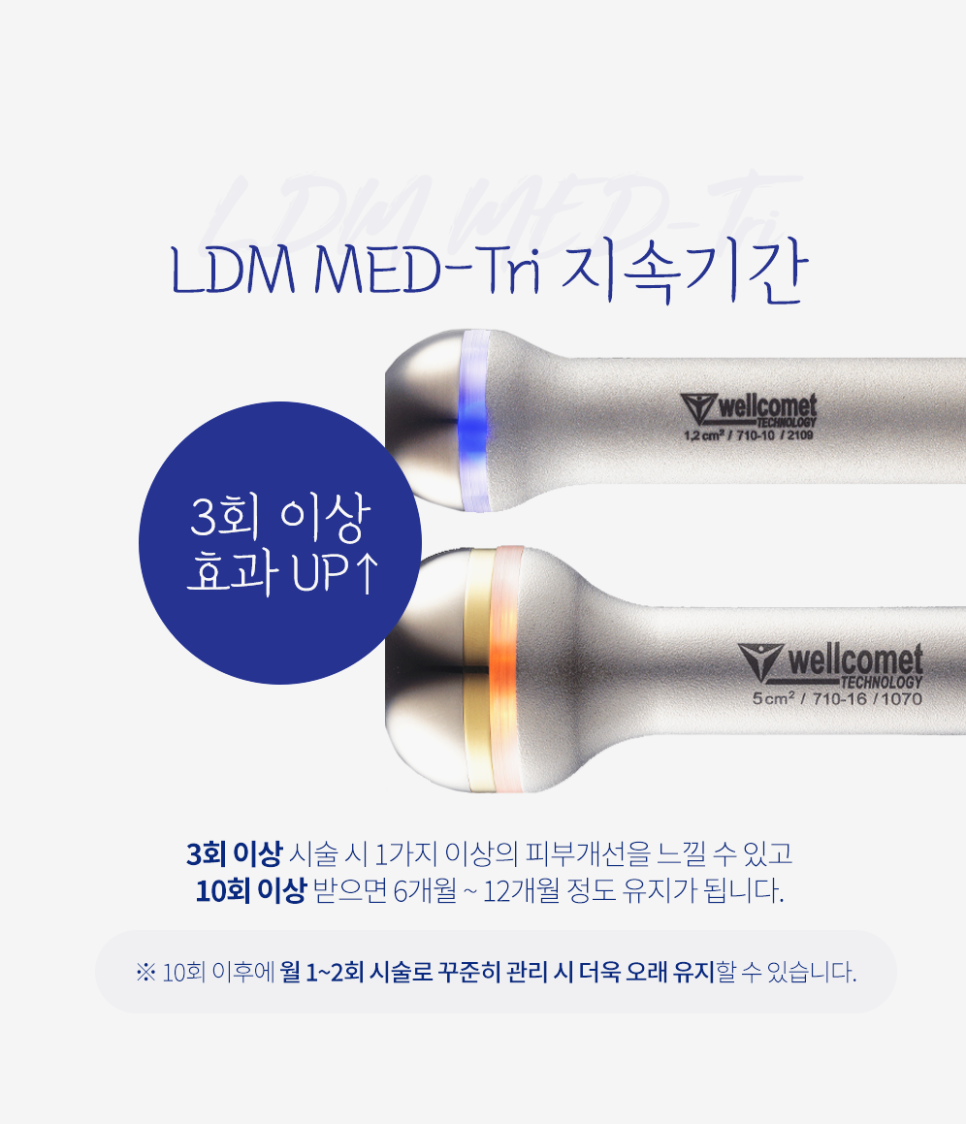
LDM uses ultrasound energy with little thermal stimulation to stabilize the moisture environment in the dermal layer and create a foundation that allows the weakened skin barrier to recover on its own. By soothing skin that has become red and sensitive due to inflammation while improving barrier function, it may be more effective in controlling atopic dermatitis symptoms and preventing recurrence when used alongside medication.
Daily care is as important as treatment for atopic dermatitis
Atopic Dermatitis at a Sadang Station Dermatology Clinic
For atopic dermatitis, daily care habits play a decisive role in preventing recurrence, just as important as receiving treatment. Keep baths or showers brief, finishing within 10 to 15 minutes using lukewarm water, and use a mildly acidic cleanser that is gentle on the skin. Applying plenty of moisturizer within three minutes after bathing to lock in moisture before it evaporates is the key to moisturizing skin affected by atopic dermatitis. Moisturizers containing ceramides or hyaluronic acid may help restore the skin barrier.
Bedding should be washed frequently and dried in direct sunlight to help reduce the spread of house dust mites. Because stress and lack of sleep are major factors that can worsen atopic dermatitis, it is important to consider regular sleep and stress management as part of atopic dermatitis treatment as well.
The goal with atopic dermatitis is not necessarily a complete cure, but controlling symptoms through consistent management and maintaining a comfortable daily life. If you have been struggling for a long time with itchy, dry skin, do not endure it alone. Consult a dermatology specialist to find a treatment approach suited to your skin’s condition. I will carefully help you work toward regaining healthy, comfortable skin.