Types of Forehead Lifting at a Naebang-dong Dermatology Clinic
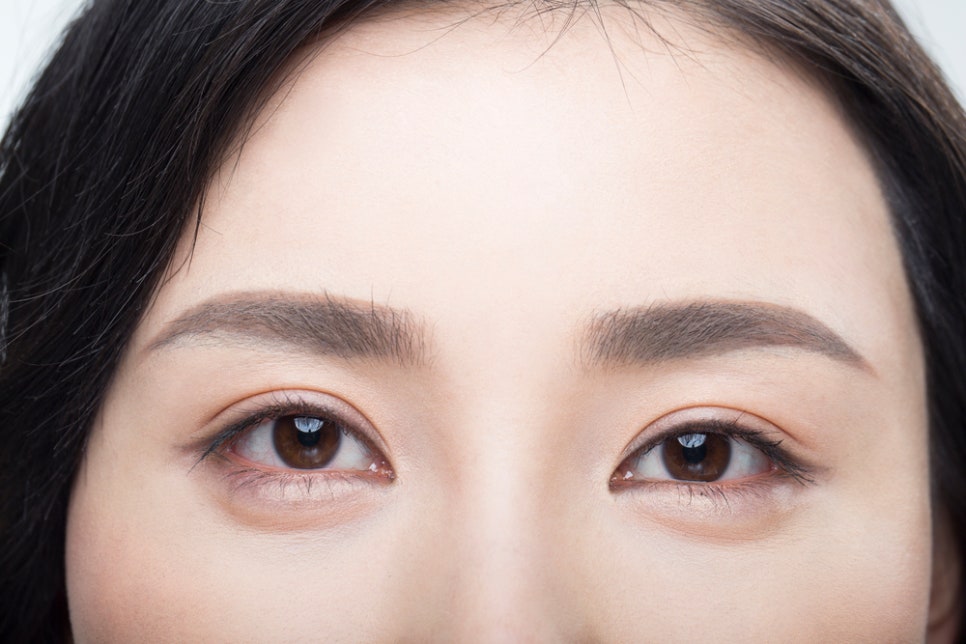
Have you ever looked in the mirror in the morning and felt that your eyelids looked heavy and droopy, or that your expression appeared tired and stern as the lines between your eyebrows gradually became deeper? Before considering eyelid surgery, it is often the downward sagging of the forehead and eyebrows that causes these changes. Many people I meet in the clinic say things like, “My eyes look smaller,” or “When I look at photos these days, I worry that I look so tired.” In many cases, sagging forehead skin causes the eyebrows to descend, making the eyelids look heavy.
The forehead is one of the areas where aging progresses relatively quickly because it is constantly exposed to ultraviolet rays and moves repeatedly when we make facial expressions. As the forehead loses elasticity and the skin begins to sag downward, the entire eye area can look heavier, and the impression of the upper part of the face can change all at once. Today, I will explain in detail why the forehead sags and how to approach it effectively with forehead lifting.
Why Sagging Forehead Skin Can Also Make the Eyes Look Heavy
Types of Forehead Lifting at a Naebang-dong Dermatology Clinic
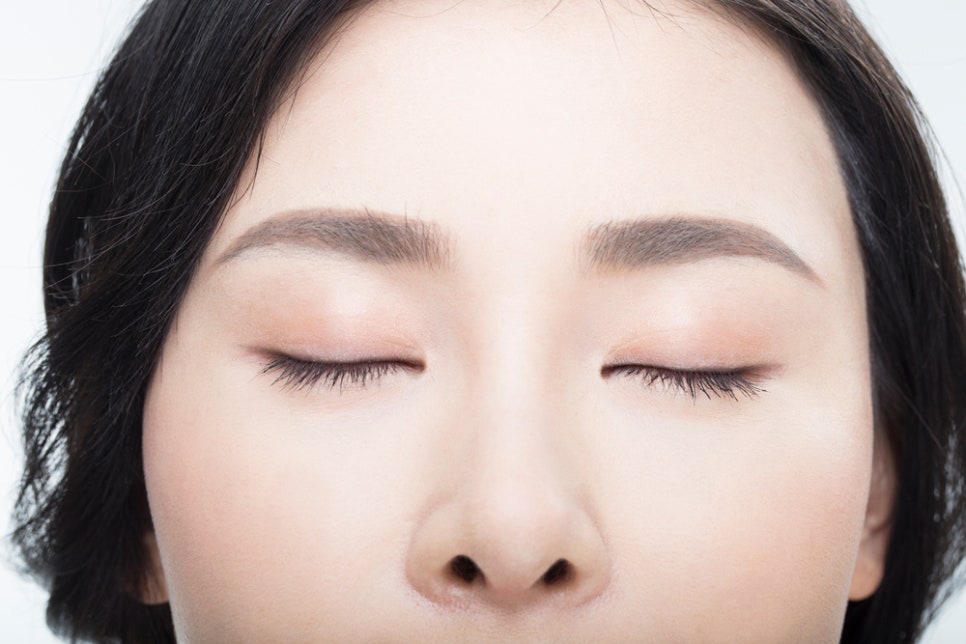
The forehead is one of the areas of the face that is directly exposed to ultraviolet rays for long periods. In addition, repeated facial expressions such as frowning or opening the eyes wide cause horizontal forehead lines and lines between the eyebrows to gradually develop. As we age, collagen in the forehead decreases and the skin loses elasticity, causing the forehead skin itself to begin settling downward. When the forehead sags, the eyebrows also descend, making the eyelids look heavier and the eyes appear smaller.
Even when there is no problem with the eyes themselves, many people who feel that their eyes have become more droopy are actually experiencing sagging of the forehead. By lifting sagging forehead skin with forehead lifting, the eye area may look more open and the overall facial impression may appear much more vibrant.
Lifting by Stimulating the Forehead Expression Muscles with M-Face

Types of Forehead Lifting at a Naebang-dong Dermatology Clinic
For forehead lifting, M-Face is a device that can be used effectively on broad, flat areas such as the forehead. It works by using high-intensity radiofrequency energy together with muscle stimulation technology to directly stimulate the forehead expression muscles and induce contraction in a lifting direction. Because it addresses both the skin and muscle layers, it may help lift the overall structure of the forehead upward rather than simply pulling the skin surface.
Because it is a noninvasive method that does not use needles, there is less concern about recovery-related issues such as redness or swelling after the procedure, and you can return to your daily activities immediately. By lifting sagging forehead skin upward, you may also notice that the eye area, which had looked heavy, appears more open.
Tightening the Deeper Layers of Forehead Skin with Onda Lifting
Types of Forehead Lifting at a Naebang-dong Dermatology Clinic
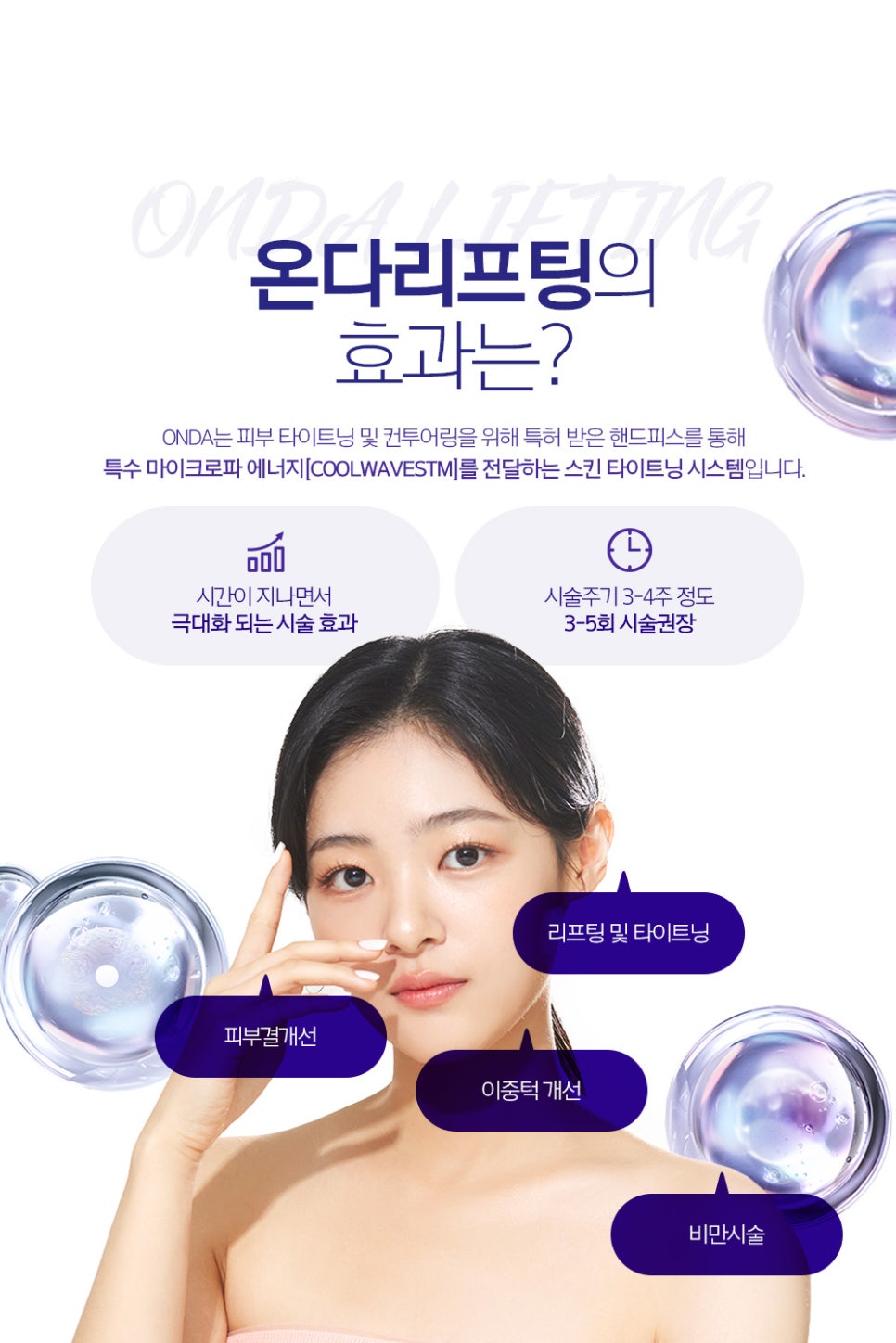
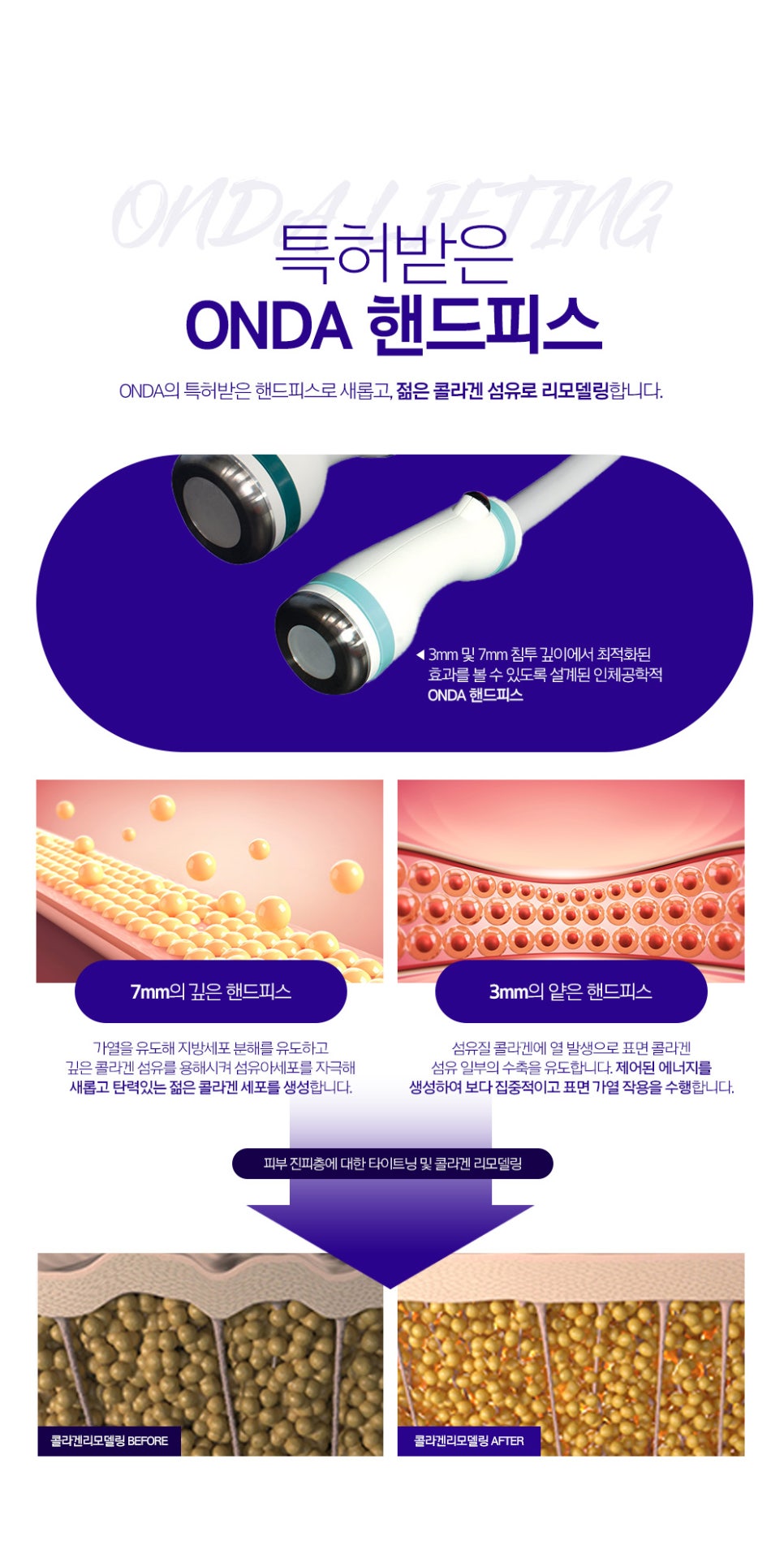
Onda Lifting can be performed alongside M-Face to further enhance the forehead-lifting approach. Onda Lifting is a device designed to use 2.45 GHz microwave energy to deliver energy evenly to deeper layers than radiofrequency can reach. When used on relatively thick areas such as the forehead, energy can reach deep into the dermal layer, where it may stimulate collagen regeneration and tighten sagging skin tissue.
Because a cooling system is applied at the same time, the procedure is performed while maintaining a stable skin-surface temperature, so even people who are sensitive to heat stimulation may receive it relatively comfortably. A combined approach that stimulates the muscle layer with M-Face and tightens the deeper dermal layer with Onda Lifting may help the effects of forehead lifting last longer.
Lifestyle Habits That Help Maintain the Effects of Forehead Lifting
Types of Forehead Lifting at a Naebang-dong Dermatology Clinic
Even after receiving forehead-lifting treatment, managing your lifestyle habits can help maintain the effects for longer. Ultraviolet rays are a major cause of collagen breakdown and rapid loss of elasticity in the forehead skin. When going outdoors, apply sunscreen thoroughly, including to the forehead, and consider additional protection with a hat or parasol.
It can also help to consciously reduce the habit of frequently frowning, as it can deepen the lines between the eyebrows and repeatedly irritate the forehead skin. Looking down at a smartphone for long periods can also place unnecessary tension on the muscles around the forehead and eyes, so it is better to develop the habit of holding the phone at eye level. Regular forehead-lifting treatments are the most practical way to slow the rate of sagging and maintain the effects for longer.
Forehead lifting is not simply a treatment for improving forehead lines; it can also change the appearance of the eyes and the overall facial impression. If you are concerned that sagging, heavy forehead skin makes you look tired, consult a dermatologist to find an approach to forehead lifting suited to your skin condition. I will carefully help you work toward a more open and vibrant-looking eye area.