Sadang Station Dermatology Clinic: Seborrheic Dermatitis
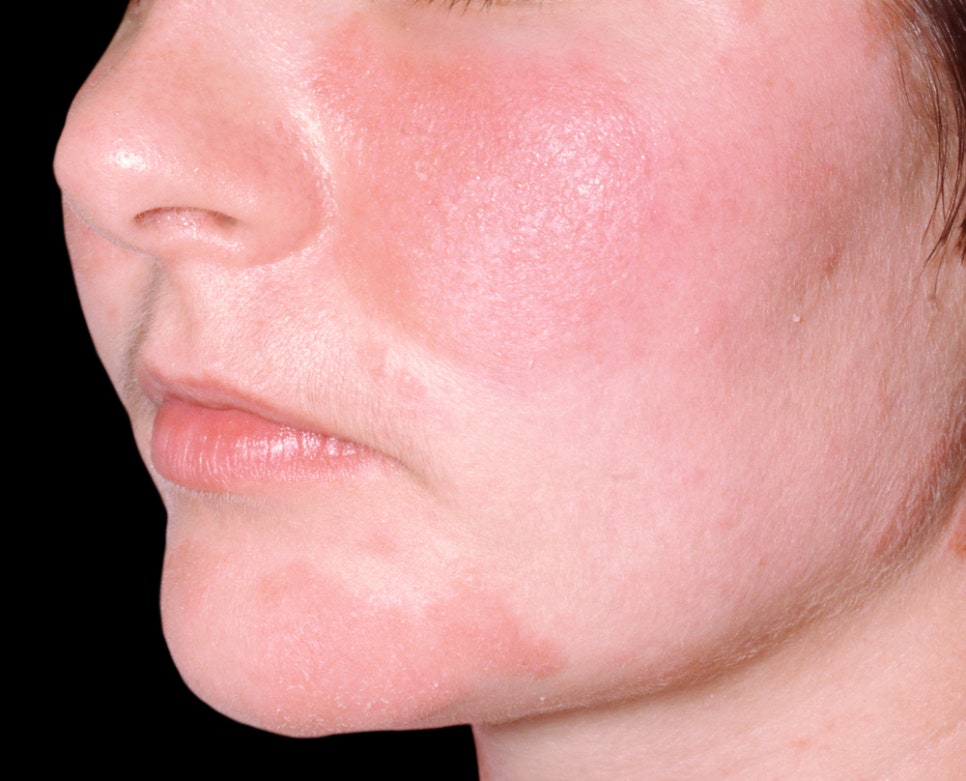
If yellowish, sticky flakes repeatedly appear around your nose or between your eyebrows by the afternoon, even after washing your face thoroughly in the morning, or if the area along your forehead and scalp becomes red and itchy, you should consider the possibility of seborrheic dermatitis. Many people I see in the clinic say things like, “I wash my face twice a day, but the flakes keep coming back,” or “I thought it was dandruff, but it seems to have spread to my face.”
Seborrheic dermatitis is different from simple dry skin or dandruff. It is a chronic skin condition in which inflammation develops as a fungus called Malassezia excessively multiplies in areas with abundant sebum production. It mainly occurs on areas with well-developed sebaceous glands, such as the scalp, eyebrows, around the nose, and behind the ears. Symptoms tend to worsen when factors such as stress, lack of sleep, or reduced immune function are added. Today, I will explain in detail why seborrheic dermatitis develops and how it should be treated and managed.
Seborrheic dermatitis is a condition involving both fungus and inflammation
Sadang Station Dermatology Clinic: Seborrheic Dermatitis
Our skin has sebaceous glands that secrete sebum throughout the body. Seborrheic dermatitis occurs especially often on areas with a high concentration of sebaceous glands, such as the face, scalp, and chest. When sebum production increases, the Malassezia fungus, which feeds on sebum, can multiply excessively. Substances released by this fungus irritate the skin and trigger an inflammatory response. As a result, the skin becomes red, yellowish and sticky flakes develop, and severe itching may occur.
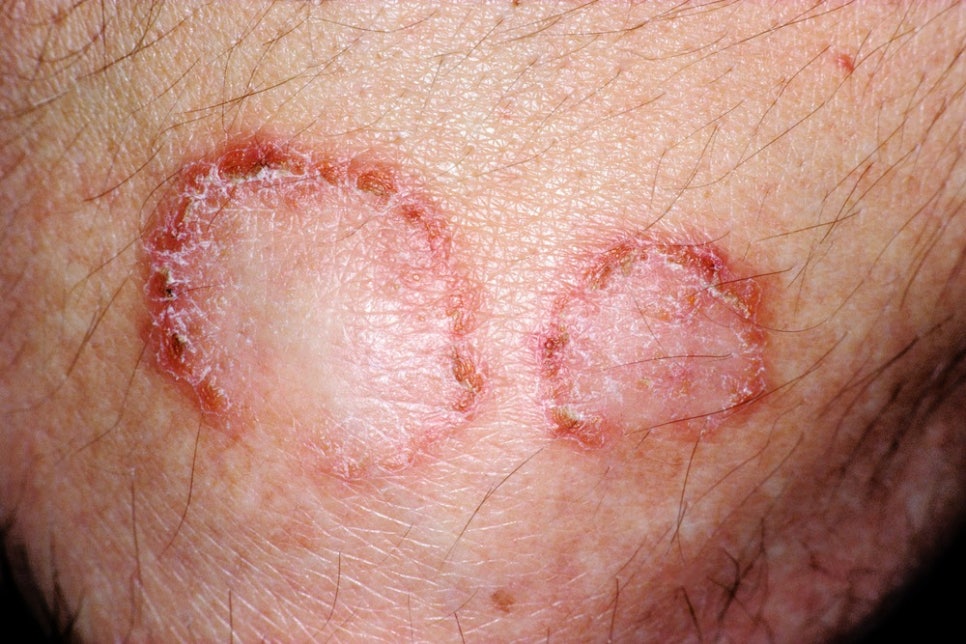
Simple dry-skin dandruff is fine and white, whereas flakes caused by seborrheic dermatitis are yellowish, oily, and tend to form clumps. Factors such as stress, lack of sleep, excessive alcohol consumption, and reduced immune function often worsen symptoms by stimulating sebum production and weakening the immune response.
Antifungal and steroid medications address both the fungus and inflammation

Sadang Station Dermatology Clinic: Seborrheic Dermatitis
The key to treating seborrheic dermatitis is to suppress the fungus causing the condition while also calming the inflammation. Dermatology clinics may prescribe topical medications or shampoos containing antifungal ingredients that suppress Malassezia and help reduce its excessive growth. For areas with severe inflammation, topical steroids may be used together to quickly reduce redness and itching. If symptoms have spread extensively or are difficult to control with topical medication alone, oral antifungal medication may also be prescribed.
When severe itching leads to secondary skin damage from scratching, antihistamines may be taken together to reduce the itching. Because seborrheic dermatitis is a chronic condition that frequently recurs, it is important not to stop treatment on your own just because your symptoms have improved, but to continue managing the condition consistently with a specialist.
LDM soothes skin made sensitive by inflammation and supports recovery
Sadang Station Dermatology Clinic: Seborrheic Dermatitis
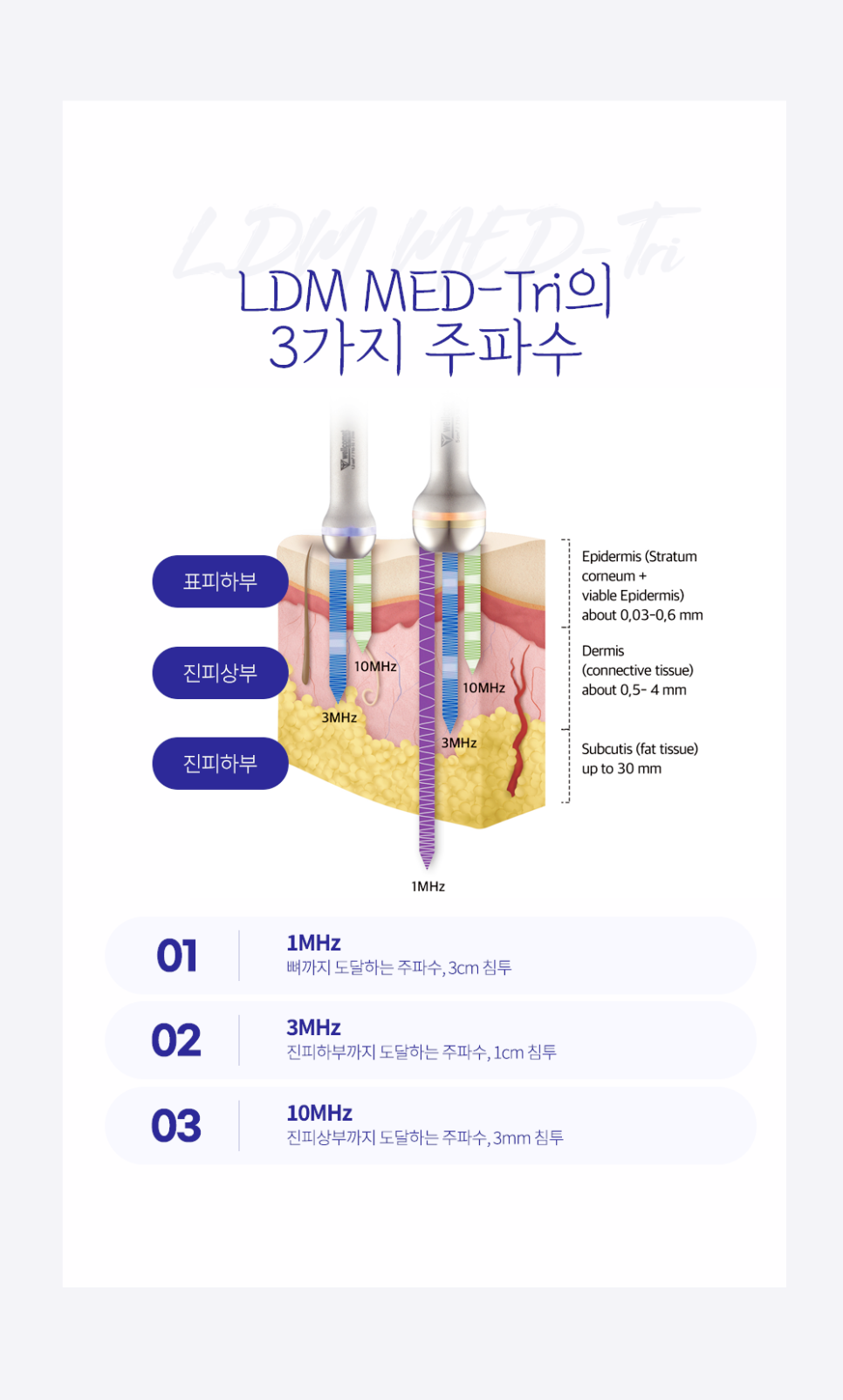
When used alongside medication, LDM can help stabilize the condition of skin damaged by seborrheic dermatitis. Repeated episodes of seborrheic dermatitis can weaken the skin barrier, making inflammation-sensitized skin excessively reactive even to minor irritation and creating a vicious cycle. LDM uses alternating ultrasound energy at two different frequencies to stabilize the moisture environment in the dermal layer and create an environment in which weakened skin tissue can recover on its own.
One advantage is that it produces little thermal stimulation, allowing it to be applied comfortably even to seborrheic dermatitis-affected skin that has already become sensitive due to inflammation. A combined approach that suppresses the fungus and inflammation with medication while using LDM to help restore the skin barrier can be effective in reducing the frequency of seborrheic dermatitis recurrences.
Lifestyle management is key to preventing seborrheic dermatitis from recurring

Sadang Station Dermatology Clinic: Seborrheic Dermatitis
Along with controlling symptoms through treatment, it is very important to reduce lifestyle factors that trigger recurrences of seborrheic dermatitis. Stress stimulates sebum production and reduces immune function, making it one of the most common factors that aggravate seborrheic dermatitis. Therefore, maintaining regular sleep and managing stress are part of treatment. When washing your face, use a mildly acidic cleanser with low irritation. Excessive cleansing can instead stimulate sebum production further, so it is better to keep it to twice a day. If you have seborrheic dermatitis of the scalp, it is important to dry your scalp completely after washing your hair. Alcohol consumption can increase sebum production and reduce immune function, which may worsen symptoms, so reducing it as much as possible is recommended.
Seborrheic dermatitis is a chronic condition for which the goal is not so much a complete cure as controlling symptoms and reducing the frequency of recurrences through consistent management. If you have been uncomfortable for a long time because of flakes and itching, do not try to handle it alone. Consult a dermatology specialist to find a treatment approach suited to your skin’s condition. I will carefully help you work toward regaining healthy, comfortable skin.