Bangbae Station Dermatology: Laser Removal of Age Spots
If one or two raised brown spots have started appearing on areas such as your cheekbones, temples, or the backs of your hands whenever you look in the mirror, you may suspect age spots. They were once known as something that occurred only in older adults, but these days, as cumulative UV damage combines with aging, many people begin developing them in their 40s or later. Among the people I meet in the consultation room, many say, “A dark spot that looks like a mole suddenly appeared, and I want to get rid of it,” or “I can’t tell whether it’s melasma or an age spot.”
Age spots are medically called seborrheic keratoses. They are benign skin tumors that develop when epidermal cells proliferate excessively and abnormally. Unlike melasma or other blemishes, they typically have clearly defined borders and a slightly thick, rough surface. They can be removed relatively clearly with laser treatment for age spots, but an accurate approach suited to the condition of the skin and the thickness of the age spots is necessary. Today, I will explain in detail why age spots develop and how to approach them effectively with laser treatment.
Age Spots Are Skin Lesions Different from Melasma or Other Blemishes
Bangbae Station Dermatology: Laser Removal of Age Spots
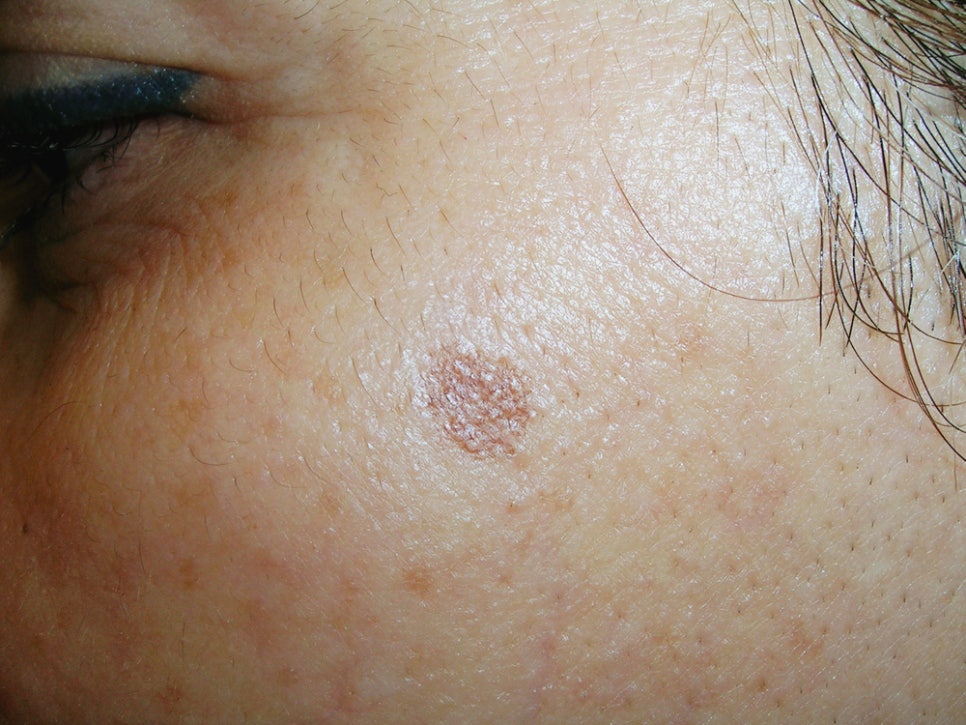
Age spots differ from melasma and other blemishes, which develop due to pigmentation, in both their causes and characteristics. Melasma and blemishes occur when excess melanin is produced, causing the skin to become darker, whereas age spots develop when the epidermal cells themselves proliferate excessively, creating thick spots on the skin’s surface. For this reason, age spots often feel slightly raised compared with the surrounding skin and have a rough texture when touched. Their color can range from light brown to dark brown, and in severe cases they may appear almost black.
Because cumulative UV damage and aging are the primary causes, they commonly develop on areas frequently exposed to sunlight, such as the face, backs of the hands, and arms. Their number and size also tend to increase with age. Although they are benign lesions and do not pose a major threat to health, they can make the skin look older, and if left untreated, they may gradually become wider and thicker.
Precisely Removing Thick Age Spot Tissue with a CO2 Laser
Bangbae Station Dermatology: Laser Removal of Age Spots
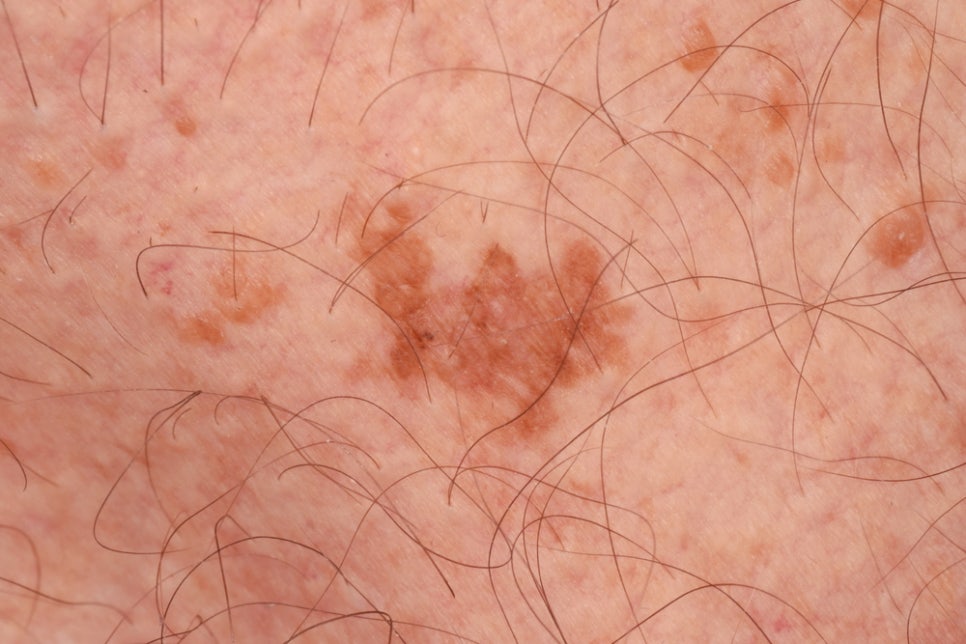
Among the laser treatments used to remove age spots, the CO2 laser is effective for precisely removing thick age spots formed by excessive proliferation of epidermal cells. It works by accurately vaporizing tissue to the desired depth, making it particularly suitable for larger age spots or those with a thick, raised surface. The procedure can be performed by selectively removing only the lesion tissue while minimizing damage to the surrounding healthy skin.
After the procedure, a scab forms and naturally falls away, leaving the area where the age spot was cleanly cleared. When the spots are small and few in number, they can often be removed relatively cleanly in a single treatment. When they are large or numerous, treatment may be divided into stages.
Evening Out Remaining Marks and Skin Tone After Removal with Refton
Bangbae Station Dermatology: Laser Removal of Age Spots
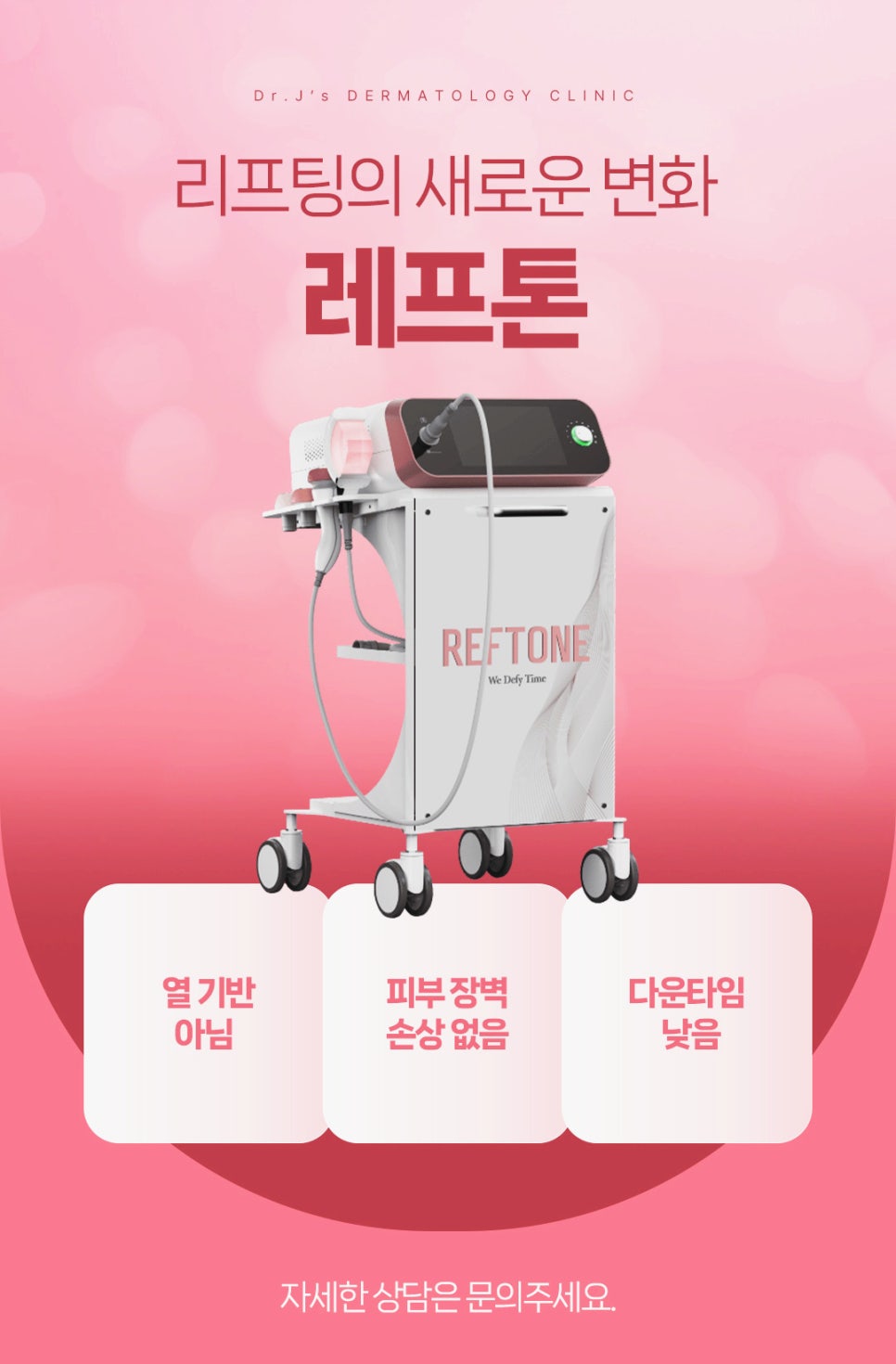
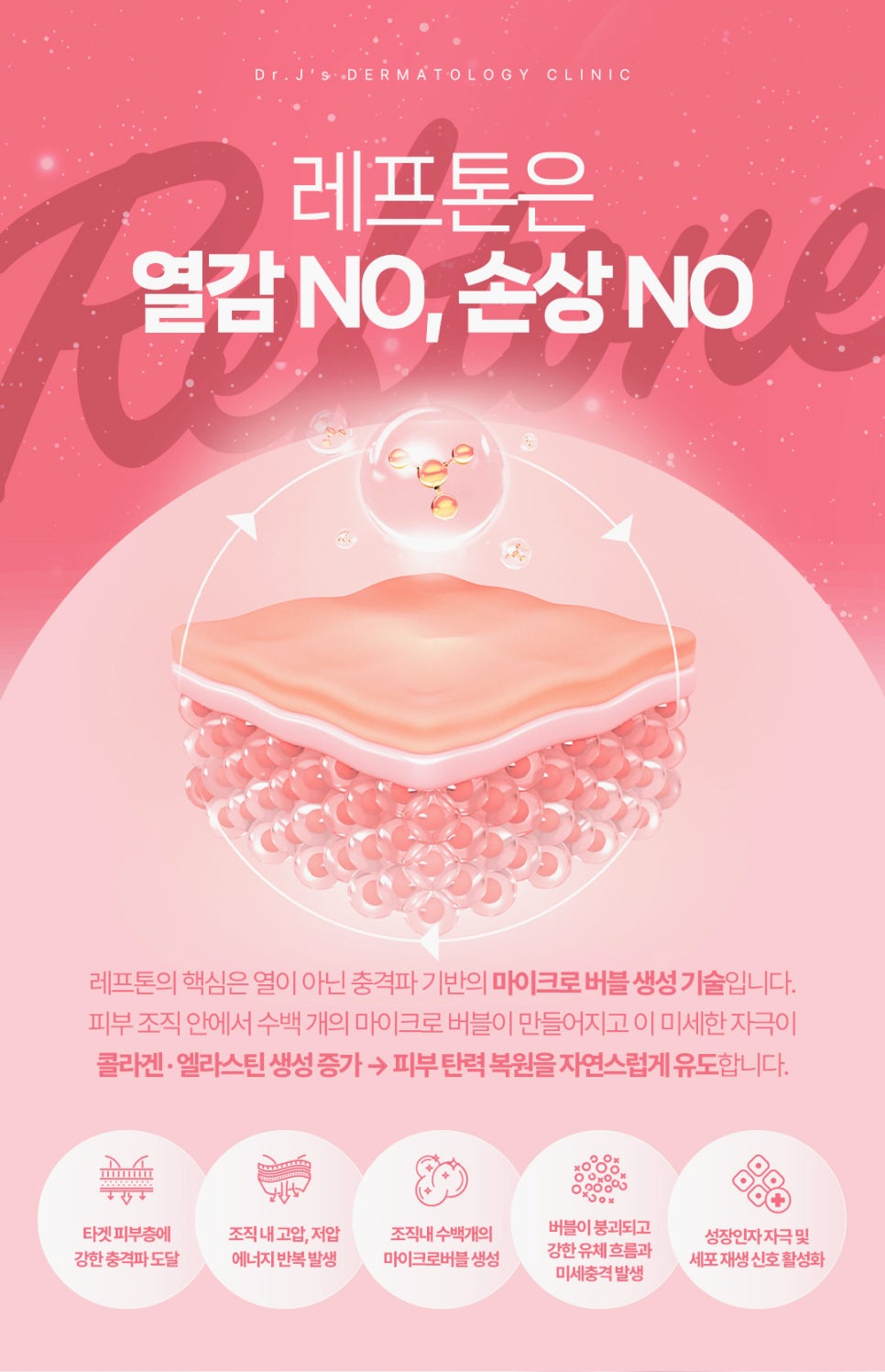
After age spots are removed with a CO2 laser, temporary redness or pigmentation may remain in the treated areas. In such cases, combining the treatment with Refton can help improve the remaining marks and even out the overall skin tone. Refton uses low-power radiofrequency to deliver uniform energy across the skin, helping the collagen and elastic fibers within the skin to reorganize and stabilizing the skin’s regenerative environment after age spot removal.
Because it can be received relatively comfortably without excessive stimulation, it can also be applied without placing undue stress on skin that has become sensitive after age spot removal. A combined approach—precisely removing age spots with a CO2 laser and evening out the skin tone with Refton—can improve the overall quality of laser treatment for age spots.
UV Protection Is Essential to Help Prevent Recurrence After Age Spot Removal
Bangbae Station Dermatology: Laser Removal of Age Spots
Even if existing age spots have been removed with laser treatment, new age spots may develop again in the same or other areas if you neglect UV protection. Since the greatest cause of age spots is cumulative UV damage, UV protection is the most important part of post-treatment care. When going outdoors, apply a sufficient amount of sunscreen thoroughly, and it is also recommended to use physical protection such as a hat or parasol. Immediately after the procedure, it is important not to touch the treated area with your hands or forcibly remove the scab until it has completely fallen away. Even after the scab naturally falls off, the skin remains prone to pigmentation for some time, so thorough UV protection during this period is especially important for maintaining a clean result.
Because age spots tend to increase in number and size the longer they are left untreated, it is advantageous to begin care promptly once they start bothering you. Try to clear the raised spots with laser treatment for age spots and prevent recurrence through consistent UV protection. If you have been concerned that age spots make your skin look older, first have your skin examined by a board-certified dermatologist and find a treatment approach suited to your skin. I will carefully help you regain clear, clean-looking skin.