Improving Sagging Cheeks at a Bangbae-dong Dermatology Clinic
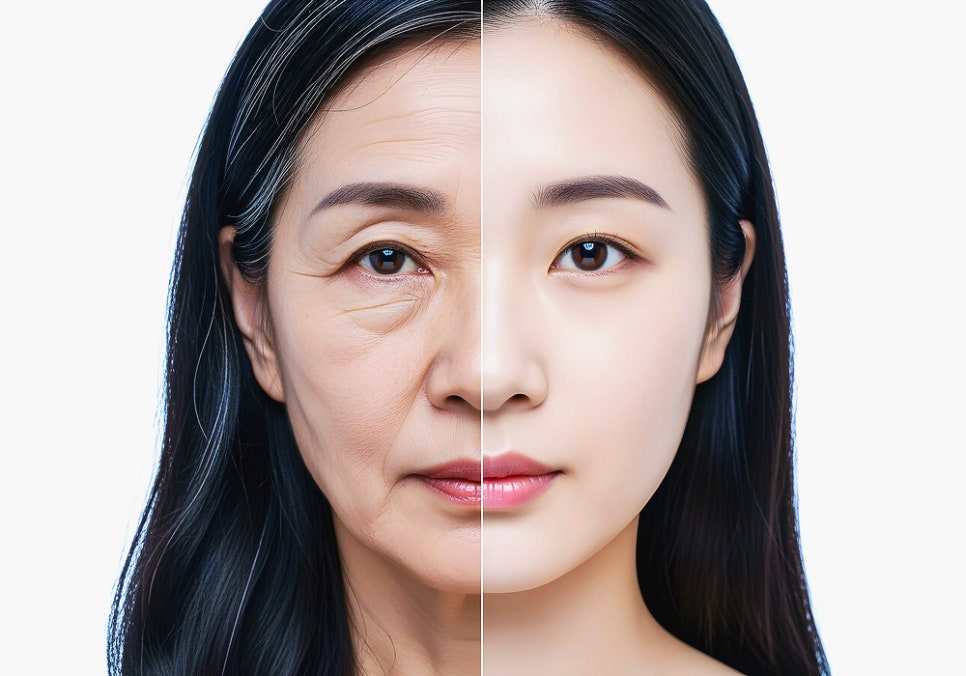
When comparing older photos with your current face, you may feel upset seeing how the formerly firm, lifted center of your cheeks has gradually descended, making your entire face look heavier and older. When the cheeks sag, it is not simply an issue of elasticity. Nasolabial folds deepen, marionette lines appear, and the overall impression of the face can change all at once. Many people I meet in the consultation room say things like, “My face looks fine in the mirror, but when I take photos, the sagging cheeks are very noticeable,” or, “When I smile, my cheeks do not lift and instead seem to spread outward.”
The reason improving sagging cheeks can be difficult is that cheek sagging is not a problem limited to a single layer of skin. It is a structural change in which the skin, fat, and fascial layers move downward together. An approach that only pulls the surface cannot be expected to provide fundamental improvement, so a three-dimensional treatment tailored to each layer is needed. Today, I will explain in detail why the cheeks sag and how to approach improving sagging cheeks effectively.
Sagging cheeks result from the breakdown of the support structures within the face
Improving Sagging Cheeks at a Bangbae-dong Dermatology Clinic
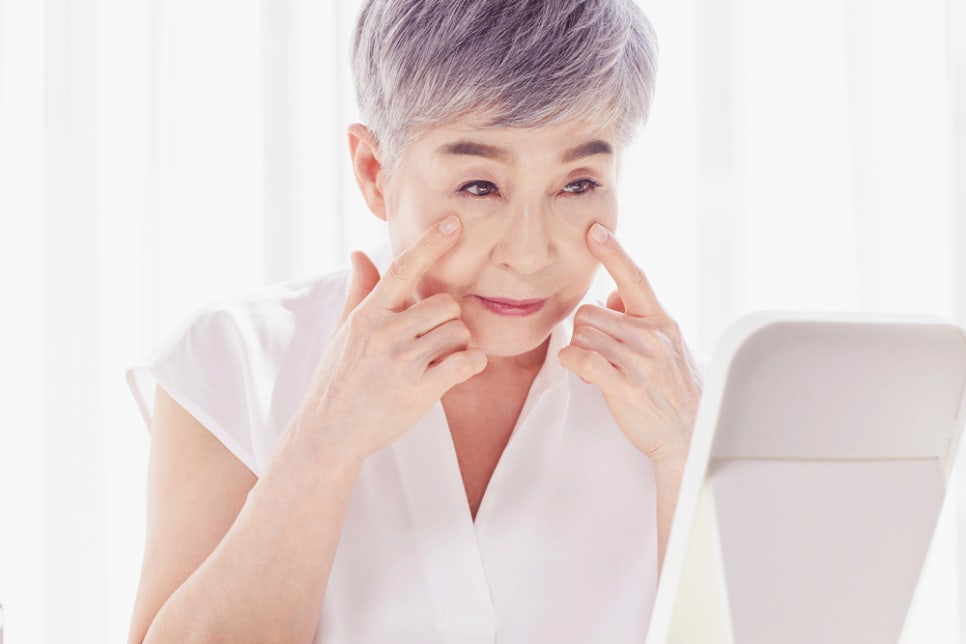
The reason cheeks look firm and lifted when we are young is that the fat compartments located in the center of the cheeks are held in place by ligamentous tissue. As we age, however, this ligamentous tissue loosens, and the fascial layer that supported the fat loses elasticity. The cheek fat then begins to shift downward as if sliding.
When cumulative ultraviolet damage also reduces collagen in the skin, the center of the cheeks may appear hollow. As the descended fat accumulates around the corners of the mouth and jawline, the nasolabial folds and marionette lines can become deeper. Even when cheek volume decreases along with weight loss, the supporting structures can weaken, making sagging cheeks more noticeable. The key to improving sagging cheeks is not simply increasing skin elasticity, but restoring the weakened support structure itself.
Gradually restoring hollow cheek volume with Sculptra

Improving Sagging Cheeks at a Bangbae-dong Dermatology Clinic
When improving sagging cheeks, simply pulling the skin is not enough to address lost cheek volume at the same time. Sculptra is an injectable treatment in which PLLA is gradually absorbed in the dermal layer and stimulates collagen production. It can help restore a natural sense of volume to areas that look hollow because volume has decreased, such as the center of the cheeks. Rather than producing an immediate change right after treatment, it is characterized by the cheeks gradually filling out as collagen is produced over several weeks to several months.
Because this treatment encourages the skin to produce collagen on its own rather than artificially inflating the area, it is well suited to people who want natural-looking volume restoration. As cheek volume is restored, the descended cheeks may also receive upward support, which can make the nasolabial folds appear less pronounced.
Lifting sagging cheeks by stimulating the cheek muscle layer with MFACE

Improving Sagging Cheeks at a Bangbae-dong Dermatology Clinic
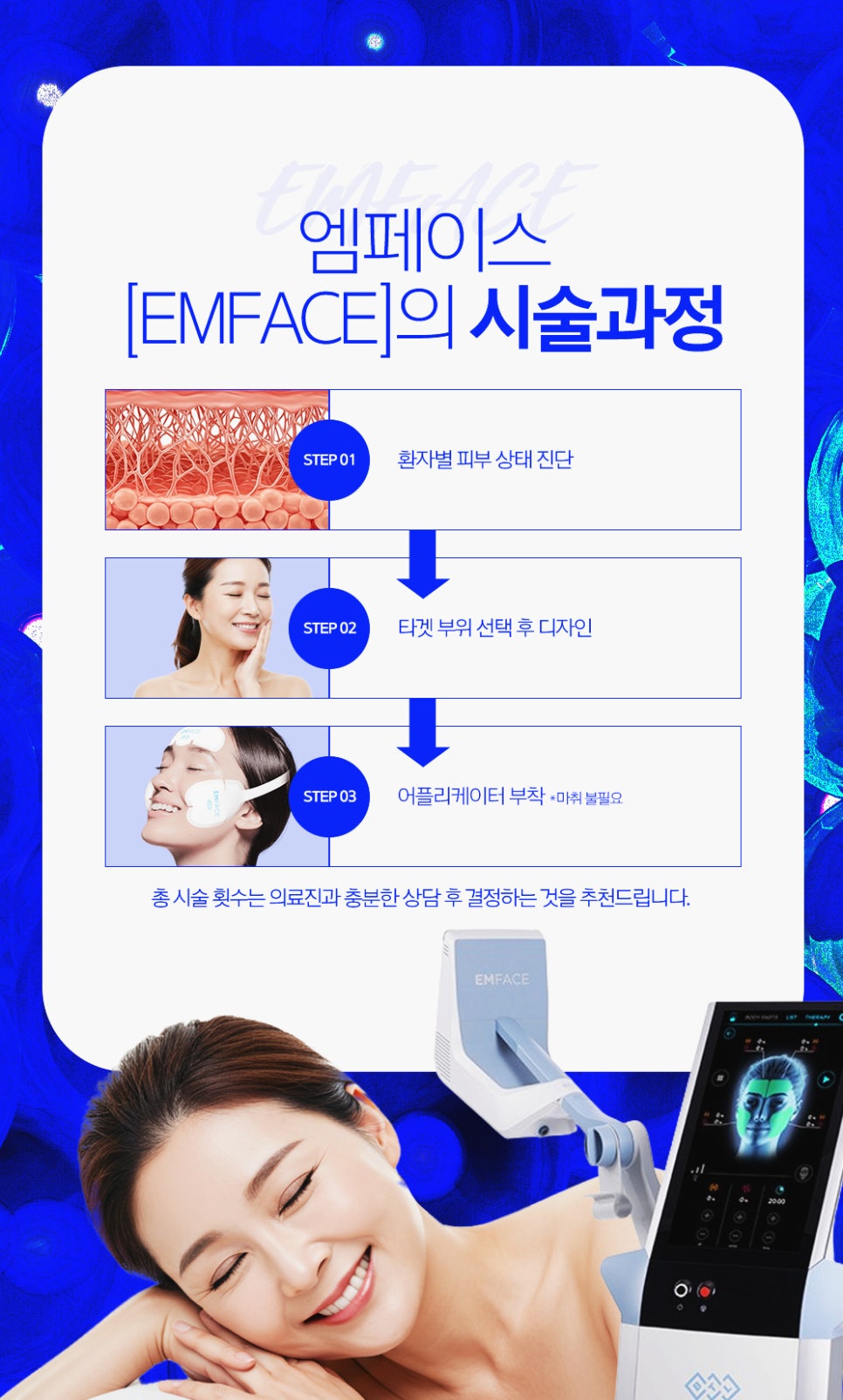
MFACE can further enhance the improvement of sagging cheeks when performed alongside Sculptra to restore cheek volume. MFACE is a device that simultaneously uses high-intensity radiofrequency energy and muscle-stimulation technology. Unlike conventional lifting devices, it directly stimulates not only the skin layers but also the facial expression muscles. One cause of sagging cheeks is reduced elasticity in the expression muscles, and MFACE directly contracts these muscles to create an effect that lifts them upward.
A combined approach—restoring hollow cheek volume with Sculptra and stimulating the muscle layer with MFACE to lift the descended cheeks upward—can provide a more three-dimensional improvement than either treatment alone. Another advantage is that it is a noninvasive treatment that does not use needles, allowing you to return to your daily activities immediately afterward.
Habits that help maintain the results of sagging-cheek treatments
Improving Sagging Cheeks at a Bangbae-dong Dermatology Clinic
Even after receiving treatment to improve sagging cheeks, managing your daily habits can help maintain the results for much longer. Sleeping position can also affect cheek sagging. If you regularly sleep on only one side for a long time, facial asymmetry may develop and sagging may become more pronounced on the side being compressed. When possible, it is better to maintain a position lying on your back. Rapid weight loss can cause cheek volume to decrease all at once and accelerate cheek sagging, so losing weight gradually is also better for your skin.
Sun protection is the most basic habit for preventing collagen breakdown and maintaining the results of sagging-cheek treatments. Rather than treating sagging cheeks only once, managing them periodically to slow the rate of sagging is a much more natural and effective long-term approach.
Because restoring a structure that has already weakened takes time, it is important to begin care promptly when you start noticing changes. If you want to lift the increasingly heavy center of your face, consult a board-certified dermatologist to accurately identify the cause of your cheek sagging and determine a customized treatment plan. I will carefully help you regain a firm, vibrant-looking face.