Sadang Station Dermatology Clinic Pigmentation Treatment
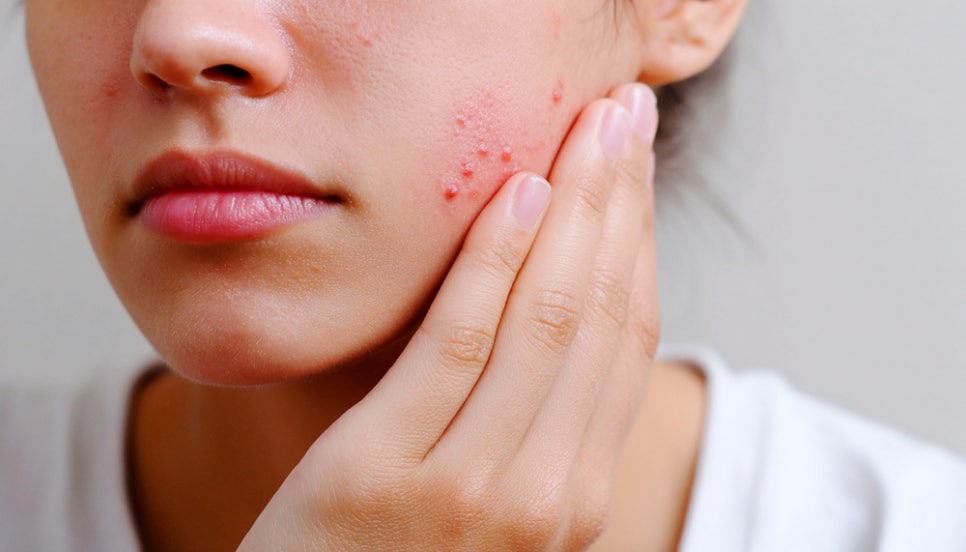
Many of you may have felt frustrated when brown or dark reddish marks remained for a long time after your acne healed, making them difficult to cover even with makeup. Others may have noticed that their overall skin tone became darker after significant sun exposure, or that certain areas became noticeably more pigmented. Among the people I meet in the consultation room, many say things like, “My acne has completely healed, but the marks last even longer,” or “The spot where I was injured in the past is still dark.”
Pigmentation occurs when melanin is produced excessively and accumulates in specific areas as the skin recovers after damage caused by inflammation, UV exposure, or trauma. The treatment approach varies depending on the cause and the depth at which the pigment has settled, so an accurate diagnosis comes first. Today, I will explain in detail why pigmentation occurs and how to approach pigmentation treatment effectively.
Pigmentation varies depending on its cause and depth
Sadang Station Dermatology Clinic Pigmentation Treatment
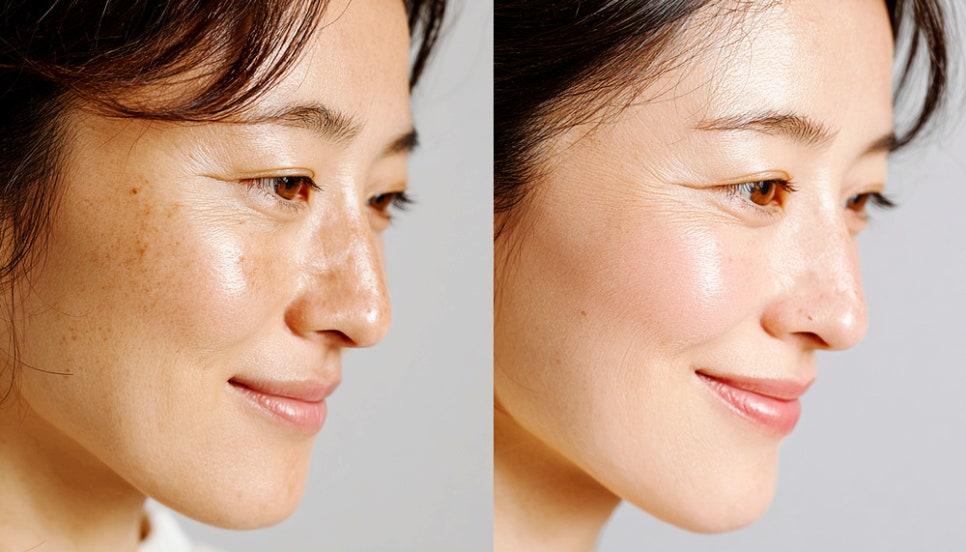
Pigmentation can broadly be divided into post-inflammatory pigmentation and pigmentation caused by UV exposure. Post-inflammatory pigmentation occurs when excessive melanin accumulates in an area as inflammation subsides after acne, trauma, or a skin procedure. It usually appears as brown or dark reddish marks. Pigmentation caused by UV exposure develops when repeated exposure to sunlight overactivates melanocytes, and it often appears in forms such as melasma, freckles, or age spots.
Even with the same type of pigmentation, the treatment response can vary completely depending on whether the pigment is limited to the epidermis or has settled deep within the dermis. Epidermal pigmentation tends to improve relatively quickly, whereas pigment located deep in the dermis may require more treatment sessions and a different approach. Receiving an accurate diagnosis before pigmentation treatment is the first step toward improving treatment results.
Suppress melanin production with lightening medication
Sadang Station Dermatology Clinic Pigmentation Treatment
Medication is an essential part of pigmentation treatment and should be used alongside laser treatment. Topical medications containing hydroquinone or tretinoin help gradually lighten pigmentation by suppressing pigment production in melanocytes and promoting skin cell turnover. Oral medication containing tranexamic acid helps suppress the excessive production of pigment that occurs when melanocytes are stimulated.
Medication can be effective on its own, but when used together with laser treatment, the effects of pigmentation treatment can appear much faster and last longer. Because the ingredients and concentrations are prescribed according to your skin type and the type of pigmentation, it is important to choose medication suited to your skin through a consultation with a specialist.
Even out pigmentation and brighten the skin tone with Refton

Sadang Station Dermatology Clinic Pigmentation Treatment
Refton can be used as an equipment-based treatment alongside medication to further enhance the results of pigmentation treatment. Refton uses low-output radiofrequency energy to deliver uniform energy across the skin, helping rearrange collagen and elastic fibers within the skin while also helping organize unevenly accumulated pigment. When pigmentation makes the skin tone uneven and dull, it may help brighten the overall skin tone and blend areas of pronounced pigmentation naturally with the surrounding skin.
Because it can be received relatively comfortably without excessive stimulation, it can also be applied without placing too much burden on skin that has already become sensitive due to pigmentation. A combined approach that suppresses melanin production with medication and evens out the skin tone with Refton can maximize the effects of pigmentation treatment.
Care habits to prevent recurrence after pigmentation treatment

Sadang Station Dermatology Clinic Pigmentation Treatment
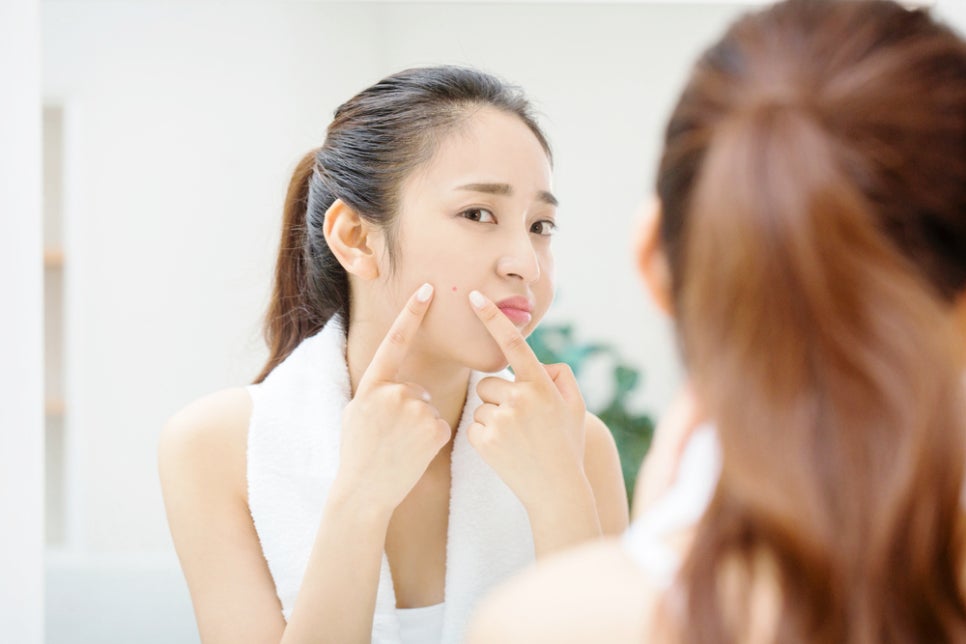
While receiving pigmentation treatment and after completing treatment, it is very important to maintain lifestyle habits that help prevent recurrence. UV exposure stimulates melanocytes, worsens pigmentation, and is the biggest factor that can quickly undermine treatment results. When going outdoors, apply a sufficient amount of sunscreen thoroughly and reapply it every two to three hours. This is the most basic habit for maintaining the effects of pigmentation treatment. When a new acne lesion appears, squeezing it or irritating it with your hands can cause new pigmentation, so please also pay attention to managing breakouts. Foods rich in vitamin C help suppress melanin production and support skin regeneration, so including them in your diet may help improve the results of pigmentation treatment.
Pigmentation can become darker and spread over a wider area the longer it is left untreated, so it is beneficial to begin treatment promptly once it starts to concern you. Through pigmentation treatment, regulate melanin production and clear away accumulated pigment to restore an even, clear skin tone. Work with a dermatology specialist to accurately identify the cause and depth of your pigmentation and find a personalized treatment plan. I will carefully help you restore an even, brighter complexion.