Bangbae Station Dermatology: Excess Sebum and Acne
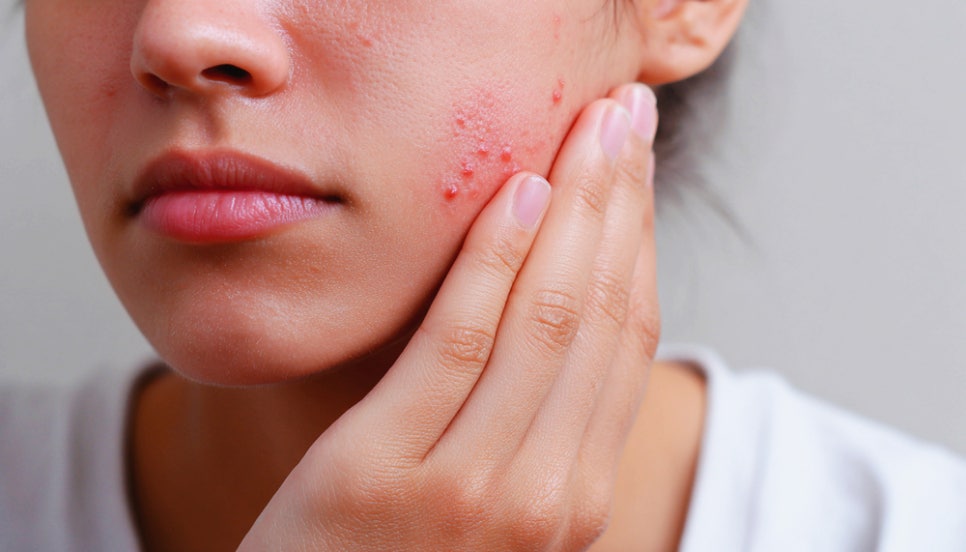
Have you ever washed your face in the morning, only to find that your skin starts looking shiny in less than an hour, and by the afternoon your forehead and the area around your nose are greasy and recurring acne breakouts have appeared? Some of you may also have felt frustrated because your skin quickly becomes shiny again even after using oil-blotting paper, and washing your face three times a day does not reduce the sebum.
Many people I meet in the consultation room say things like, “The harder I wash my face, the shinier my skin seems to become,” or “I have so much sebum that my acne never goes away.”
Excess-sebum acne occurs when the sebaceous glands become excessively active and produce more sebum than necessary. The sebum then blocks the pores, allowing acne-causing bacteria to multiply and creating a vicious cycle of inflammation. Simply washing your face thoroughly or using cosmetics that tighten the pores is unlikely to resolve the underlying problem. Dermatological treatment that regulates sebum production itself is needed. Today, I will explain in detail why excess-sebum acne keeps recurring and how to approach it effectively.
Why Can’t Excess-Sebum Acne Be Resolved by Washing Your Face Alone?
Bangbae Station Dermatology: Excess Sebum and Acne
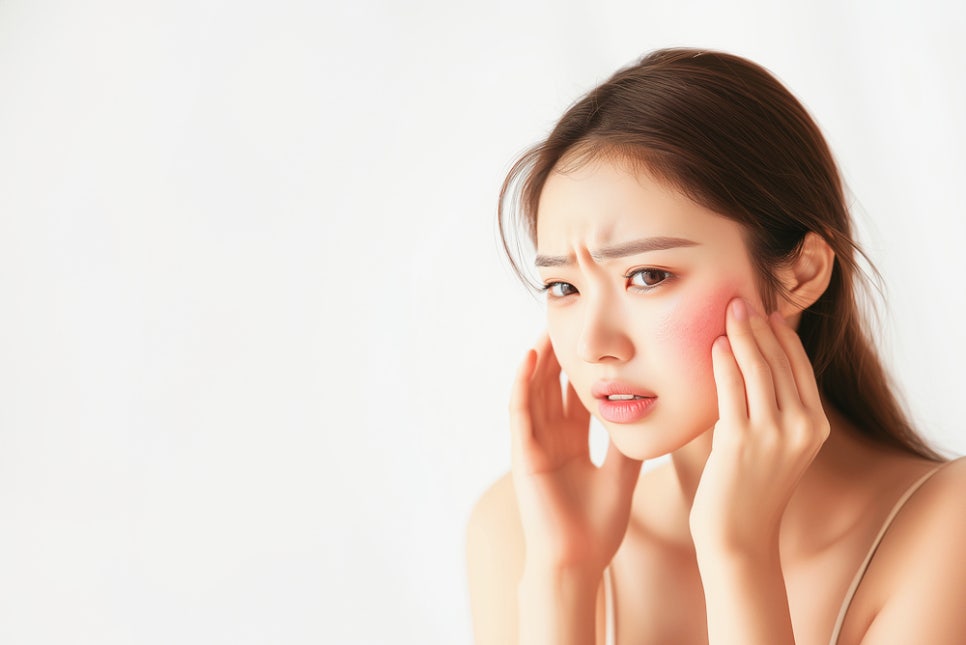
Sebum is an oily substance secreted by the sebaceous glands. It protects the skin and prevents moisture loss. However, when the sebaceous glands become excessively active, they produce more sebum than necessary. This accumulates inside the pores, mixes with dead skin cells, and blocks the pores. Acne-causing bacteria rapidly multiply inside the blocked pores, leading to inflammation. This is how excess-sebum acne develops.
Washing your face frequently can remove sebum from the surface, but it does not suppress the activity of the sebaceous glands themselves. In fact, if excessive cleansing damages the skin barrier, the skin may produce even more sebum to compensate for dryness, creating a vicious cycle. This is why a treatment approach that regulates sebaceous gland activity itself is needed to fundamentally improve excess-sebum acne.
Suppressing Sebaceous Gland Activity with Isotretinoin-Type Medication
Bangbae Station Dermatology: Excess Sebum and Acne
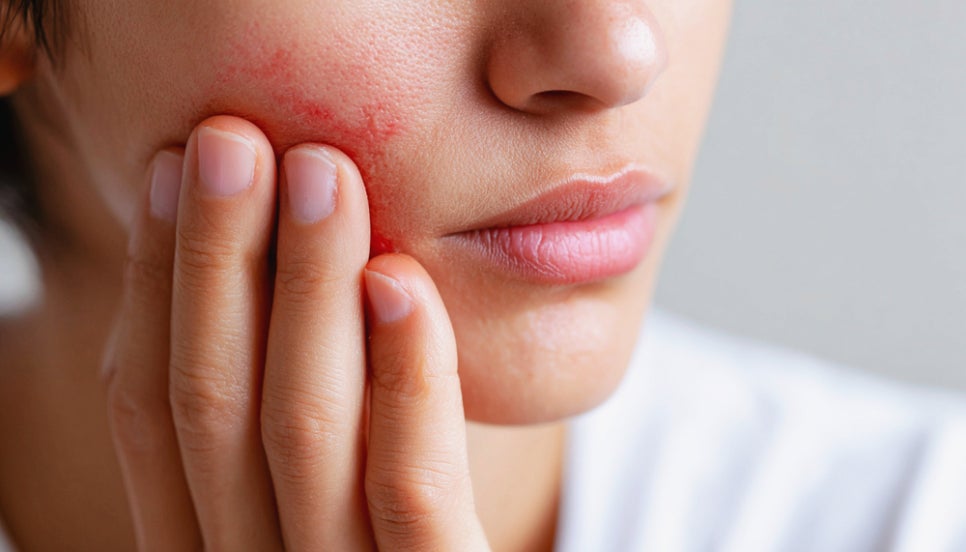
The most effective medication-based treatment for excess-sebum acne is oral medication in the isotretinoin class. Isotretinoin works by reducing the size of the sebaceous glands themselves and fundamentally decreasing the amount of sebum they produce. When sebum production decreases, pores become blocked less often, and the environment that allows acne-causing bacteria to multiply is reduced, so noticeable improvement in excess-sebum acne can be expected.
During treatment, side effects such as dry skin and chapped lips may occur, so it is important to use moisturizer carefully alongside the medication. The treatment period and dosage are adjusted by a specialist according to the level of sebum production and the severity of the acne. Treatment proceeds with regular blood tests to check whether the medication can be taken safely. Topical ointments containing tretinoin or adapalene may also be used to help prevent the buildup of dead skin cells inside the pores.
Regulating Sebum Production by Directly Stimulating the Sebaceous Glands with Pladuo

Bangbae Station Dermatology: Excess Sebum and Acne
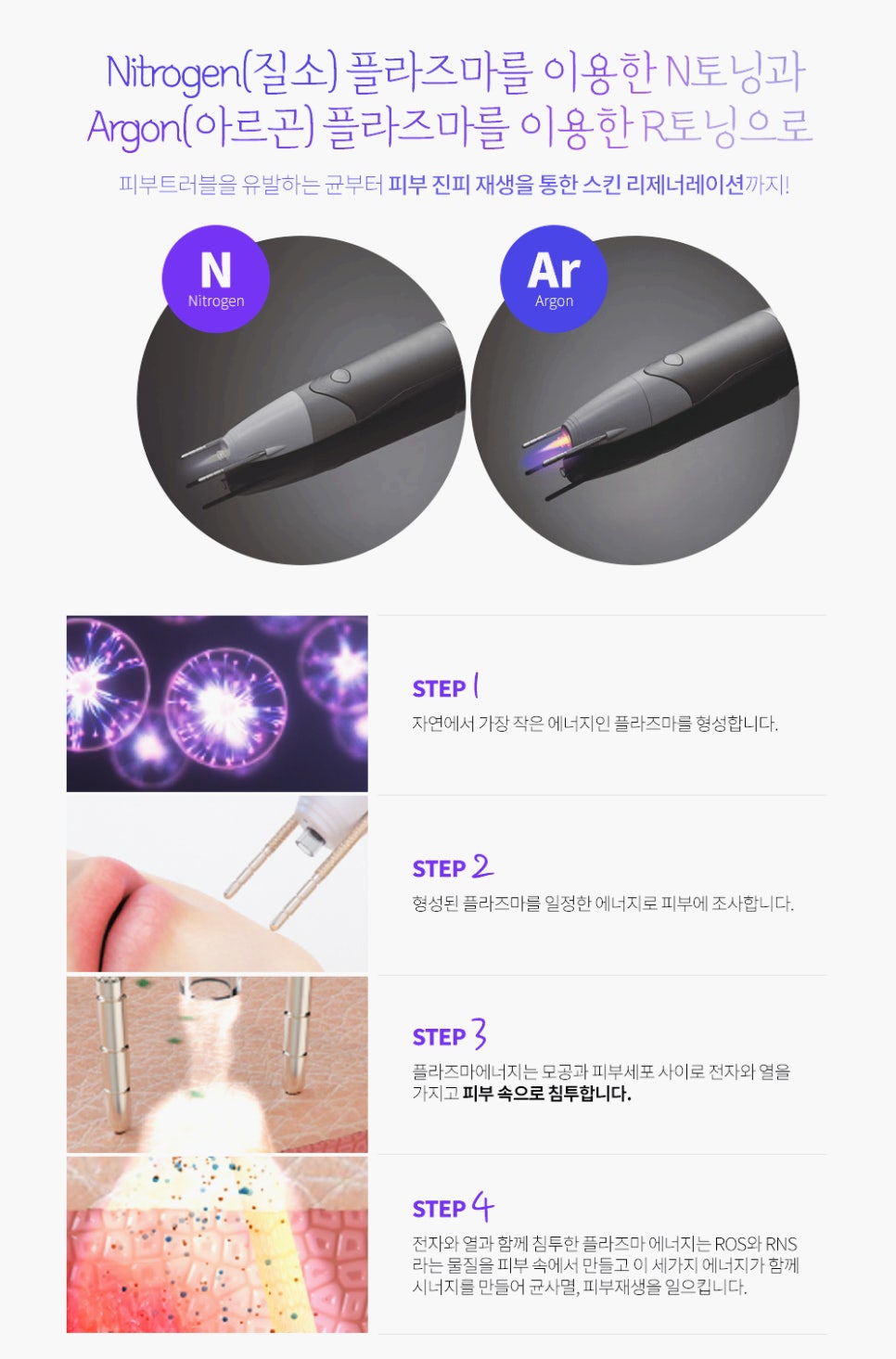
Pladuo can further enhance the effectiveness of excess-sebum acne treatment when used alongside medication. The argon plasma energy of Pladuo helps clear away excess sebum and dead skin cells from the skin’s surface while helping maintain a clean environment around the sebaceous glands. Nitrogen plasma delivers energy to the dermal layer and is used to help stabilize an environment in which the sebaceous glands have become excessively active.
It can be applied relatively comfortably to oily skin that is prone to frequent breakouts and produces a great deal of sebum, without excessive heat stimulation. This makes it less burdensome for skin that has already become sensitive due to excess-sebum acne. A combined approach—suppressing sebaceous gland activity with medication while organizing the skin’s surface environment with Pladuo—can help reduce the frequency of recurring excess-sebum acne.
Change Lifestyle Habits That Worsen Excess-Sebum Acne
Bangbae Station Dermatology: Excess Sebum and Acne
Alongside treatment for excess-sebum acne, changing your daily habits can be a significant help in preventing recurrence. Limit face washing to twice a day, and use a mildly acidic cleanser rather than one with strong cleansing power to remove sebum while protecting the skin barrier. If you skip moisturizing because you have a lot of sebum, your skin may produce even more sebum to compensate for dryness, so be sure to moisturize with a lightweight, low-oil hydrating cream. Some studies have found that foods high in sugar or dairy products may stimulate sebum production, so dietary adjustments may also help manage excess-sebum acne. Stress and lack of sleep stimulate the release of hormones that increase sebum production, so maintaining regular sleep and managing stress should also be part of your overall approach to treating excess-sebum acne.
Excess-sebum acne is difficult to resolve fundamentally by managing only the skin’s surface. To break free from recurring breakouts, medication that regulates sebaceous gland activity itself should be combined with device-based treatment that improves the skin environment. If you have been troubled for a long time by shiny skin and persistent acne, consult a dermatologist to accurately assess your sebum production and find a personalized treatment approach. I will carefully help you work toward restoring clear, clean-looking skin.