Sadang Station Dermatology Clinic: Nasolabial Fold Filler
“Even when I’m not smiling, my nasolabial folds are visible, which makes me upset.” “Won’t my face look swollen if I get filler?” “I want to reduce the wrinkles, but I’m concerned about my face looking different.”
These are comments I often hear in the consultation room from people concerned about their nasolabial folds. When the line extending from the sides of the nose to the corners of the mouth becomes deeper, you may look tired even when you are not actually fatigued, or your entire face may appear heavier. For this reason, many people think that simply injecting filler into the hollowed line will solve the problem. However, nasolabial folds are not just a single wrinkle on the surface of the skin. They are a change created by the position of the front cheeks, hollowing beside the nose, skin elasticity, and facial movements together. Filling based only on the visible line can therefore produce a result different from what you expected.
Nasolabial folds are not caused by inadequate skin care
Sadang Station Dermatology Clinic: Nasolabial Fold Filler
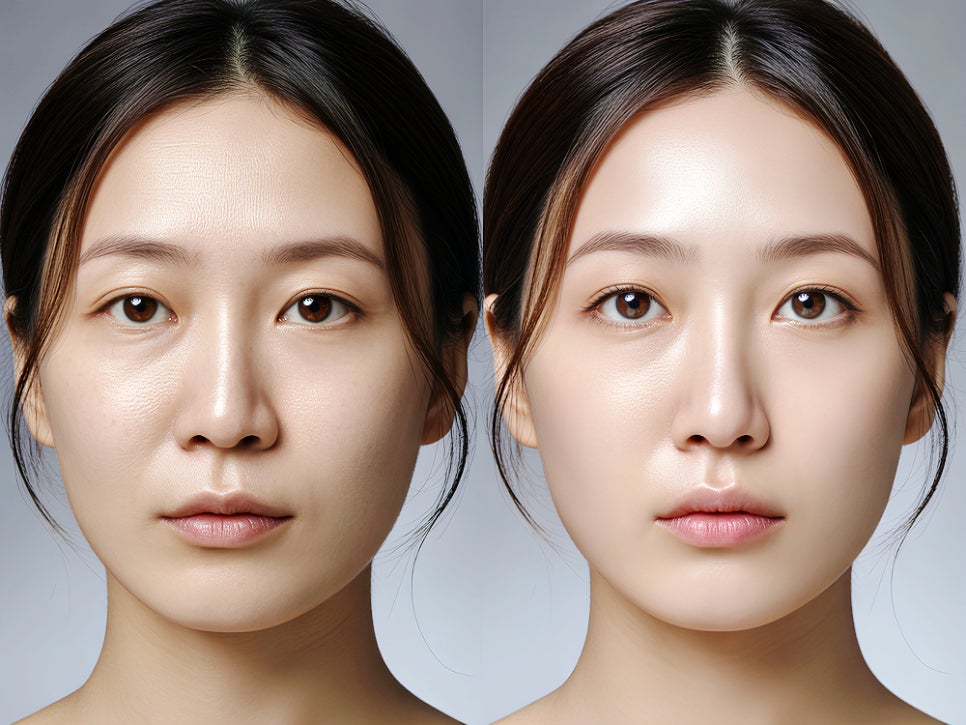
Nasolabial folds are natural facial boundaries that can appear in anyone when smiling or speaking. However, as we age, collagen in the skin decreases and the fat forming the front cheeks can shift downward, causing the lines to remain deeply visible even when the face is at rest. Loosening of the ligaments connecting the skin to deeper tissues, as well as changes in the shape of the facial bones supporting the sides of the nose and front cheeks, can also have an effect.
Changes in weight, exposure to ultraviolet rays, and repeated facial expressions can make these changes more pronounced. Therefore, if wrinkles remain despite consistently using cosmetics or doing facial exercises, it does not mean that your care was inadequate. If the change began in structures deeper than the skin’s surface, an approach suited to the cause is needed.
The appropriate treatment can differ even for similar nasolabial folds
Sadang Station Dermatology Clinic: Nasolabial Fold Filler
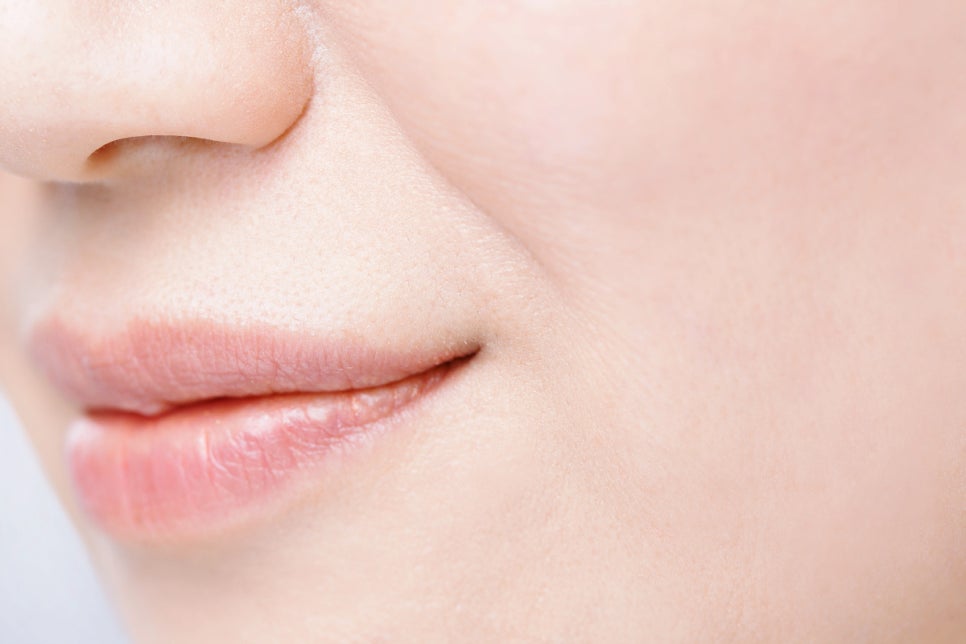
For people with structural hollowing beside the nose, a dark shadow can form in that area when light falls on it. In contrast, when the front-cheek tissue has shifted downward, cheek volume can overlap above the nasolabial line, making the boundary appear deeper. For people with thin skin, even a small difference in height can be clearly visible, while those with strong movement around the mouth may show more pronounced wrinkles when smiling.
If a large amount is injected into the visible line without distinguishing these differences, the area beside the nose may look bulging or the corners of the mouth may appear heavy. When planning nasolabial fold filler at a Sadang Station dermatology clinic, it is necessary to examine the face from both the front and side and check the changes both at rest and when smiling. It is important to first determine which structure is creating the wrinkle, rather than focusing only on the depth of the line.
Filler supplements insufficient supporting structure
Sadang Station Dermatology Clinic: Nasolabial Fold Filler
Nasolabial fold filler primarily uses hyaluronic acid. Hyaluronic acid has the property of binding with moisture and helps supplement insufficient volume in the space where it is injected. Rather than injecting a medication that relaxes wrinkles, this treatment supports hollowed areas and reduces differences in height between surrounding tissues, helping deep shadows appear softer. Because the firmness and spreading properties differ by product, the choice may vary depending on skin thickness and the injection site.
If there is insufficient support beside the nose, support in a deeper layer may be needed. For thin skin, an approach using a small amount to refine the boundary may be considered. If the supporting strength of the front cheeks has decreased, it may also be necessary to examine the surrounding areas rather than the nasolabial line itself. At our clinic, instead of applying the same set volume to everyone, we determine the necessary range after assessing the facial structure and the degree of change desired.
Rather than eliminating wrinkles, preserve your natural expressions
Sadang Station Dermatology Clinic: Nasolabial Fold Filler
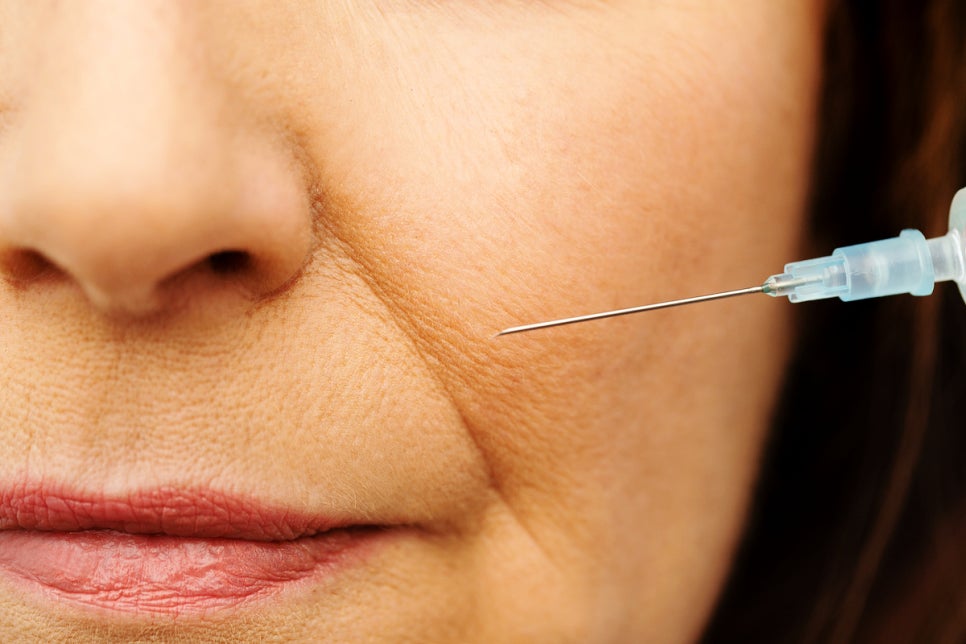
After nasolabial fold filler, swelling, redness, bruising, and discomfort when pressed may occur. Since tissue reactions remain immediately after the procedure, you should observe how the swelling subsides rather than judging the result based only on its immediate appearance. It is best to avoid repeatedly pressing or vigorously rubbing the area. If the pain continues to worsen, the skin turns white, or patchy color changes spread, you should contact the medical institution where the procedure was performed.
Because important blood vessels pass around the nasolabial folds, safety management before and after the procedure should not be taken lightly. Having nasolabial folds does not mean that every line must be eliminated. It is important to leave the natural expressions that appear when smiling while reducing, as needed, the shadows that look pronounced when the face is at rest. I believe the role of dermatological care is not to make the face look unfamiliar, but to help people feel more comfortable seeing their own expressions in the mirror and in photographs.