Seocho-gu Dermatology Clinic: Scar Hyperpigmentation
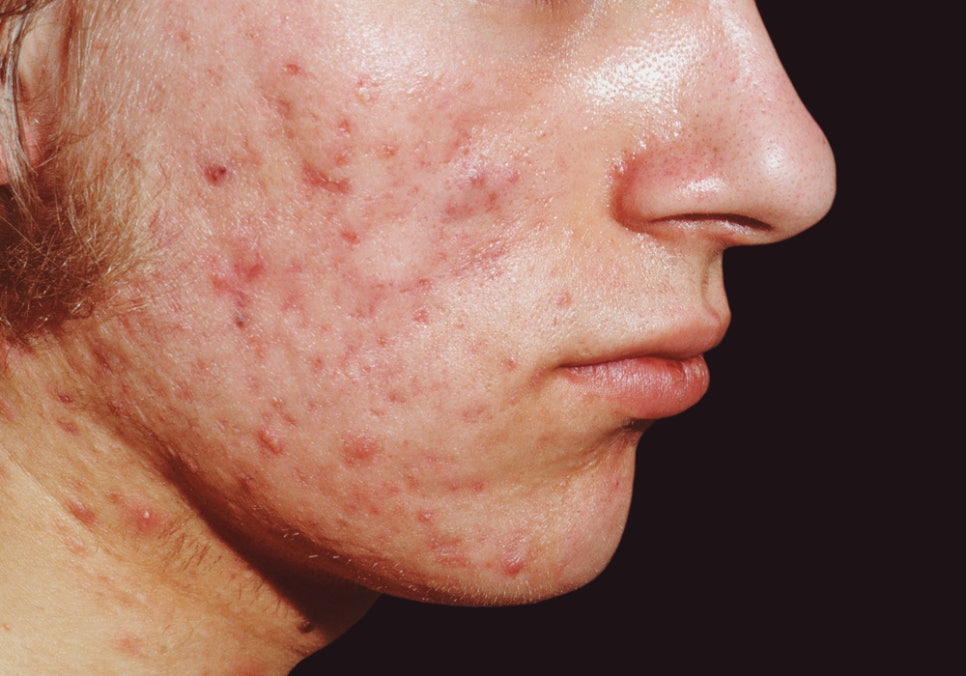
Many people have been bothered by reddish or brownish marks that remain for a long time after a wound or acne seems to have completely healed. At first, you may have thought they would disappear with time, but it can be frustrating when the marks remain unchanged even after several months or seem to become darker. Many people I meet in the consultation room say things like, “The scar has almost disappeared, but the color looks strange,” or “I’m not sure whether it’s an acne mark or a scar, but it’s brown and cannot even be covered with makeup.”
Scar hyperpigmentation occurs when excess melanin accumulates in an area as the skin recovers after being damaged. Today, I’ll explain in detail why scar hyperpigmentation develops and how it can be treated effectively.
Why Does Scar Hyperpigmentation Develop, and Why Does It Remain for So Long?
Seocho-gu Dermatology Clinic: Scar Hyperpigmentation
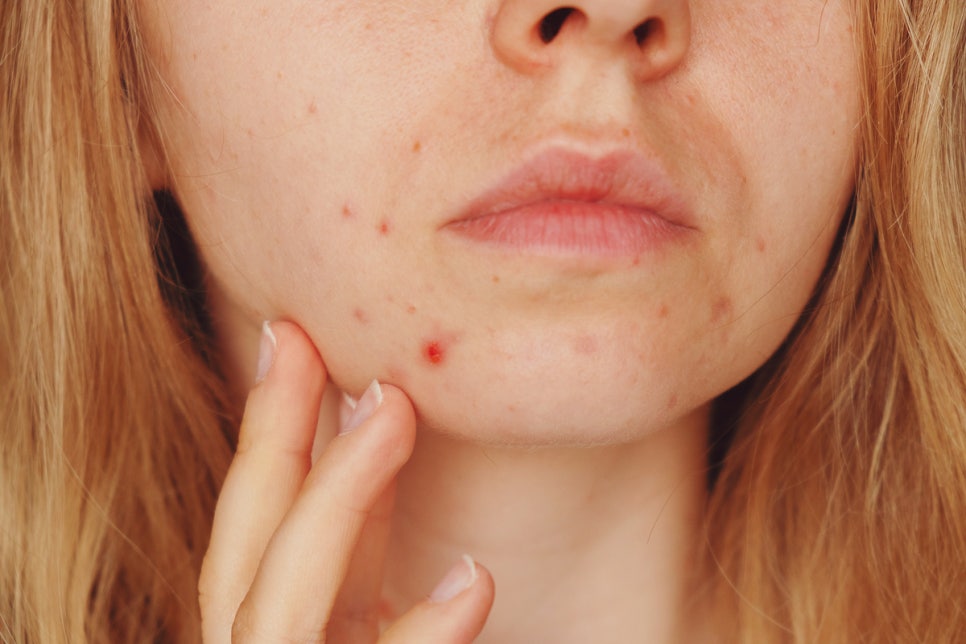
When the skin is damaged, the body triggers an inflammatory response as part of the wound-healing process. This inflammatory response stimulates melanocytes to produce excessive pigment, and the more severe the inflammation, the darker the resulting hyperpigmentation tends to be. Scar hyperpigmentation is broadly divided into reddish and brownish types. Reddish marks are caused by dilated blood vessels and tend to appear relatively early, while brownish marks develop as melanin accumulates in the epidermis.
Scar hyperpigmentation tends to remain darker in people with darker skin tones. Exposure to ultraviolet rays further activates melanocytes, making the hyperpigmentation darker and longer-lasting. Therefore, neglecting sun protection can also delay natural recovery. The treatment approach differs depending on whether the scar hyperpigmentation is limited to the epidermis or extends into the dermis, so an accurate diagnosis comes first.
Whitening Medication Suppresses Melanin Production and Lightens Pigmentation

Seocho-gu Dermatology Clinic: Scar Hyperpigmentation
Medication is a key treatment that should be used alongside laser treatment for scar hyperpigmentation. Topical medication containing hydroquinone inhibits the enzymes involved in melanin production, helping prevent the affected area from becoming darker and gradually lightening it. Tretinoin helps improve scar hyperpigmentation by accelerating the skin-cell renewal cycle, allowing pigment-laden cells to shed more quickly.
Oral medication containing tranexamic acid helps prevent hyperpigmentation from spreading by suppressing the excessive response of melanocytes to stimulation. Consistent use is important during medication treatment, and the ingredients and concentrations should be selected according to your skin type and the degree of hyperpigmentation under a specialist’s prescription so they can be used safely without side effects.
Repton Helps Address Blood Vessels and Pigmentation in Areas of Scar Hyperpigmentation
Seocho-gu Dermatology Clinic: Scar Hyperpigmentation
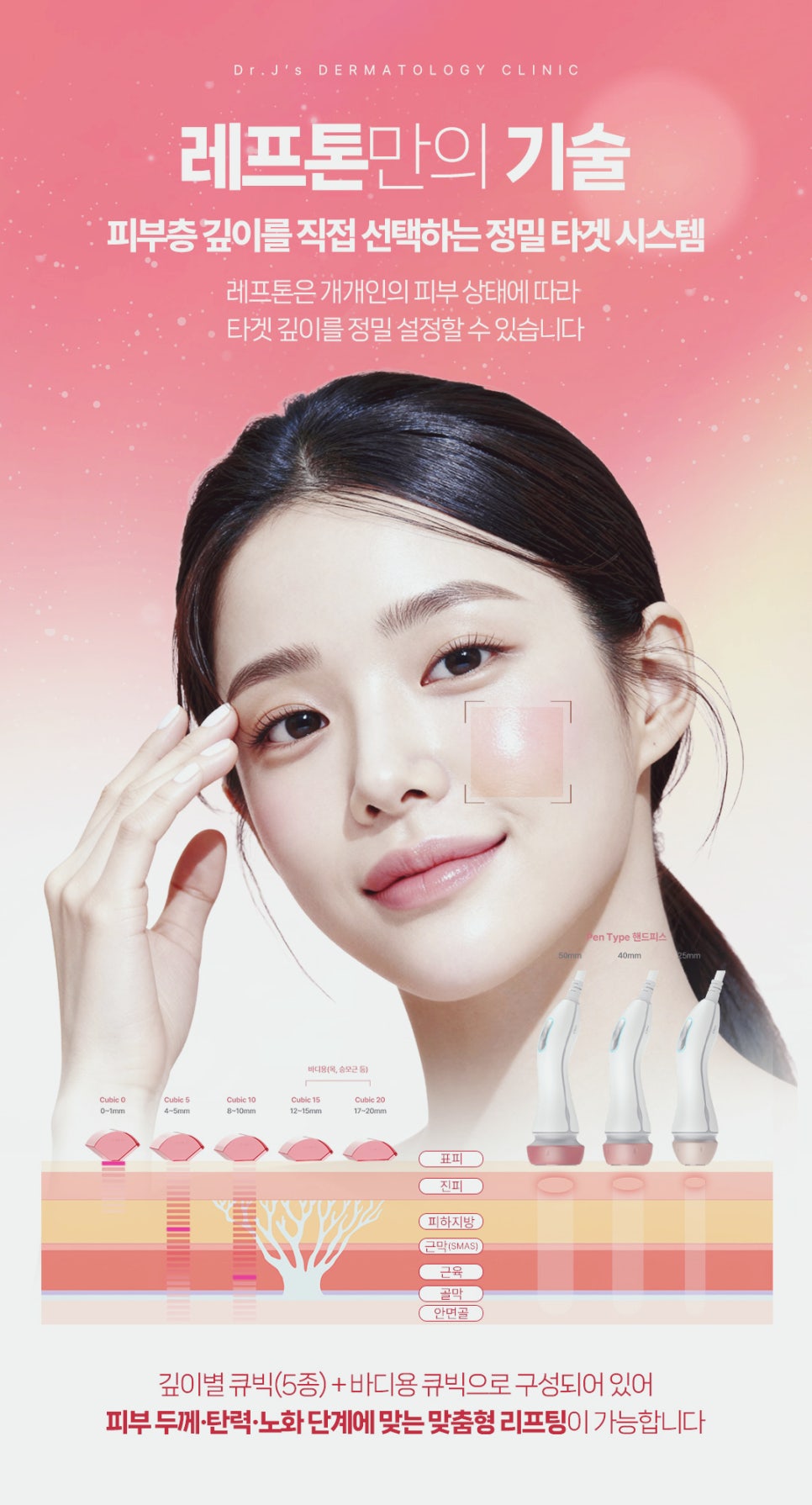
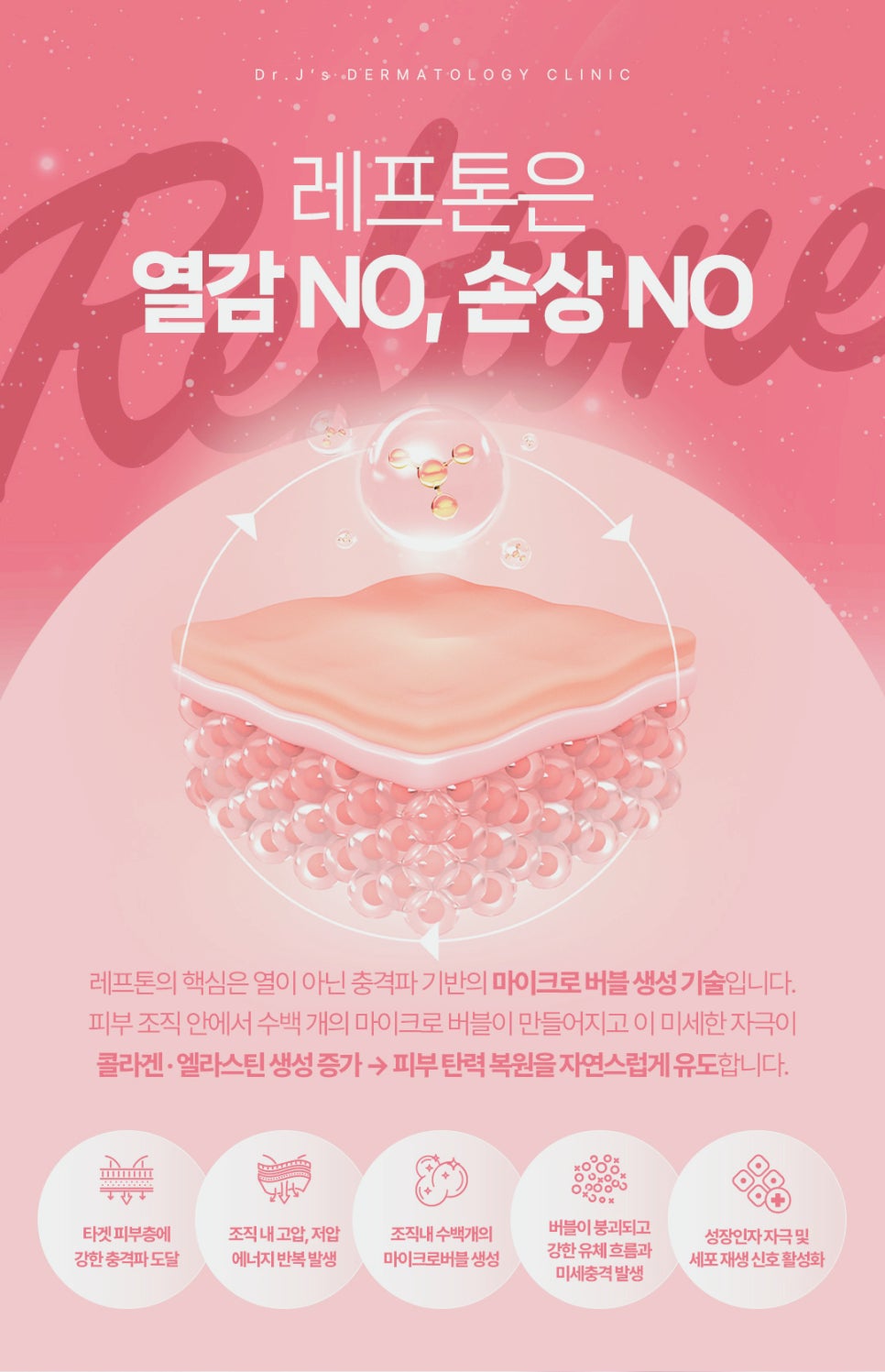
Repton can be used as an equipment-based treatment alongside medication to further improve the results of scar hyperpigmentation treatment. In many cases, scar hyperpigmentation includes both reddish tones and brown pigmentation. Repton uses low-output radiofrequency energy to deliver uniform energy across the skin, helping address blood vessels around the scar and improve unevenly accumulated pigmentation. When scar hyperpigmentation causes an uneven skin tone, it can help even out the overall tone and blend more prominent pigmented areas naturally with the surrounding skin.
Because it causes relatively little irritation, Repton can be applied without placing much stress on skin that has become sensitive after scar treatment. A combined approach—suppressing pigment production with medication while addressing existing pigmentation and blood vessels with Repton—can improve the overall quality of scar hyperpigmentation treatment.
Care Habits That Can Improve the Results of Scar Hyperpigmentation Treatment
Seocho-gu Dermatology Clinic: Scar Hyperpigmentation
Taking care of your skin in daily life while receiving treatment for scar hyperpigmentation can significantly improve the results and help prevent recurrence. Ultraviolet rays are one of the most direct causes of darker scar hyperpigmentation, so the most important step is to apply sunscreen carefully every time you go outside during the treatment period. You can also be exposed to ultraviolet rays indoors when near a window, so it is best to maintain sun-protection habits in your daily routine.
Frequently touching the affected area or forcibly removing dead skin can cause new irritation and lead to hyperpigmentation again, so care for the area with as little irritation as possible. Foods rich in vitamin C may help improve scar hyperpigmentation by suppressing melanin production and supporting skin regeneration, so including them in your diet may be helpful.
Scar hyperpigmentation can become darker and spread over a wider area if left untreated, so it is advantageous to begin treatment promptly once it starts to concern you. It can be sufficiently improved through consistent care alongside medication and laser treatment. If you have been concerned about an uneven skin tone due to scar hyperpigmentation, consult a dermatology specialist to find a treatment approach suited to the condition of your pigmentation. I will carefully help you work toward restoring an even, clear skin tone.