Naebang Station Dermatology Clinic Surgical Scar Treatment
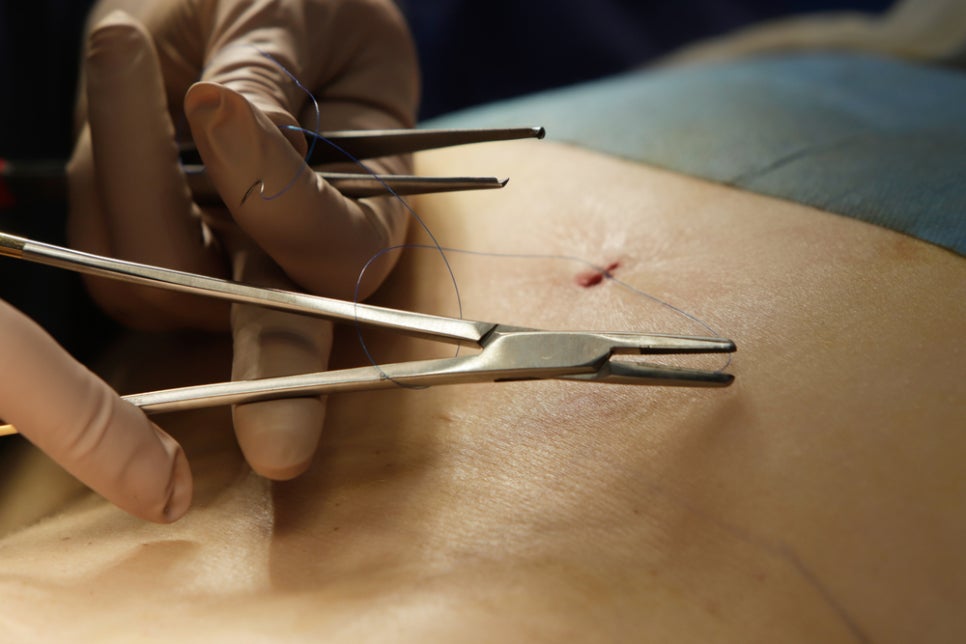
Many people wait for their wounds to heal after surgery, only to feel reluctant to expose the area because the surgical mark remains raised or darkens over time. Some initially think it will disappear with time, but later find that the scar has become thicker, redder, and more noticeable. Among the people I meet in the consultation room, many say, “I never expected the scar to remain like this after surgery,” or “Even though it is in an area covered by clothing, I keep worrying about it.” Surgical scars form when an incision reaches the dermis during surgery, causing collagen to become abnormally arranged.
The shape and thickness of a scar vary depending on skin type and the suturing method used at the surgical site. Even after the same surgery, people with a keloid-prone tendency may be more likely to develop scars that remain thicker and more raised. Because the approach to surgical scar treatment varies depending on the scar’s condition and how long ago it developed, an accurate diagnosis comes first. Today, I will explain in detail why surgical scars do not disappear on their own and how to approach surgical scar treatment effectively.
Why do surgical scars not disappear even over time?

Naebang Station Dermatology Clinic Surgical Scar Treatment
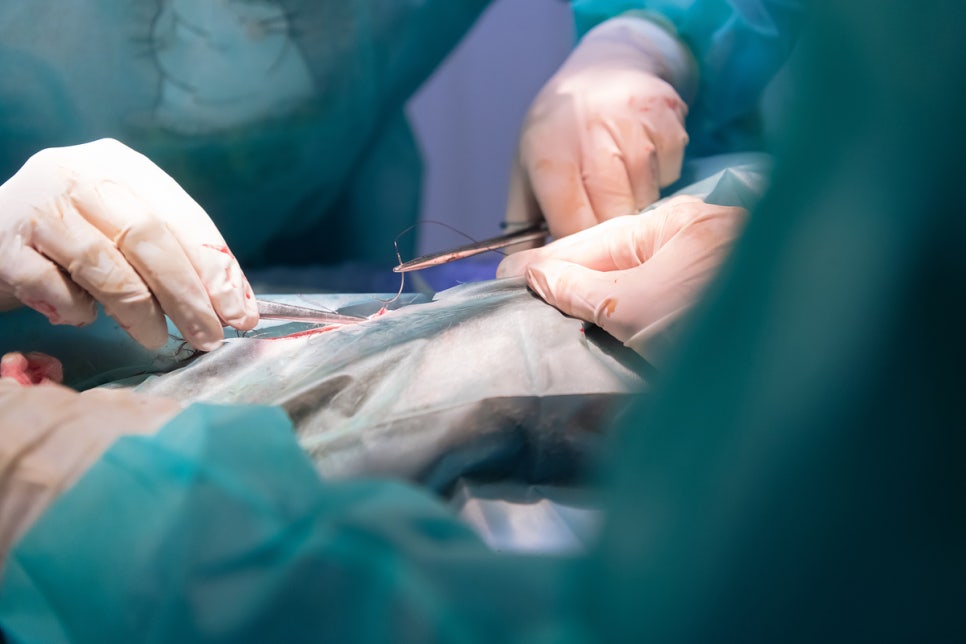
In most cases, surgery involves an incision that extends beyond the epidermis, the skin’s outer layer, and into the dermis. When the dermis is damaged, the body produces excess collagen to fill the wound. During this process, collagen cannot be arranged regularly as it is in normal skin; instead, it becomes irregularly intertwined, forming scar tissue. A scar may initially look red and raised and may fade over time, but because the scar tissue itself differs from the structure of normal skin, it is difficult for it to disappear completely.
In particular, on areas with high skin tension, such as the chest or shoulders, or in people with a keloid-prone tendency, the scar may develop into a hypertrophic scar or keloid that becomes thicker and extends over a wider area. Surgical scar treatment is more effective when started during the early stage, before the scar has fully matured. Therefore, it is advantageous to begin care promptly once the wound starts to heal after surgery.
Early suppression of scar formation with silicone products and medication
Naebang Station Dermatology Clinic Surgical Scar Treatment
In surgical scar treatment, silicone products and medication can be used most effectively during the early stage of scar formation. Silicone sheets or silicone gel create continuous pressure and a moist environment over the scar, helping suppress excessive collagen production and prevent the scar from becoming thicker. It is important to use them consistently as soon as the wound has completely healed.
If the scar begins to look red and raised, treatment may be combined with intralesional steroid injections to suppress excessive collagen production and flatten the scar tissue. When pigmentation occurs around the scar as well, a topical medication containing brightening ingredients may be prescribed to manage the pigmentation at the same time. Early medication plays a decisive role in preventing the scar from becoming more severe.
Stimulating scar tissue with VirtueRF to bring it closer to normal skin
Naebang Station Dermatology Clinic Surgical Scar Treatment
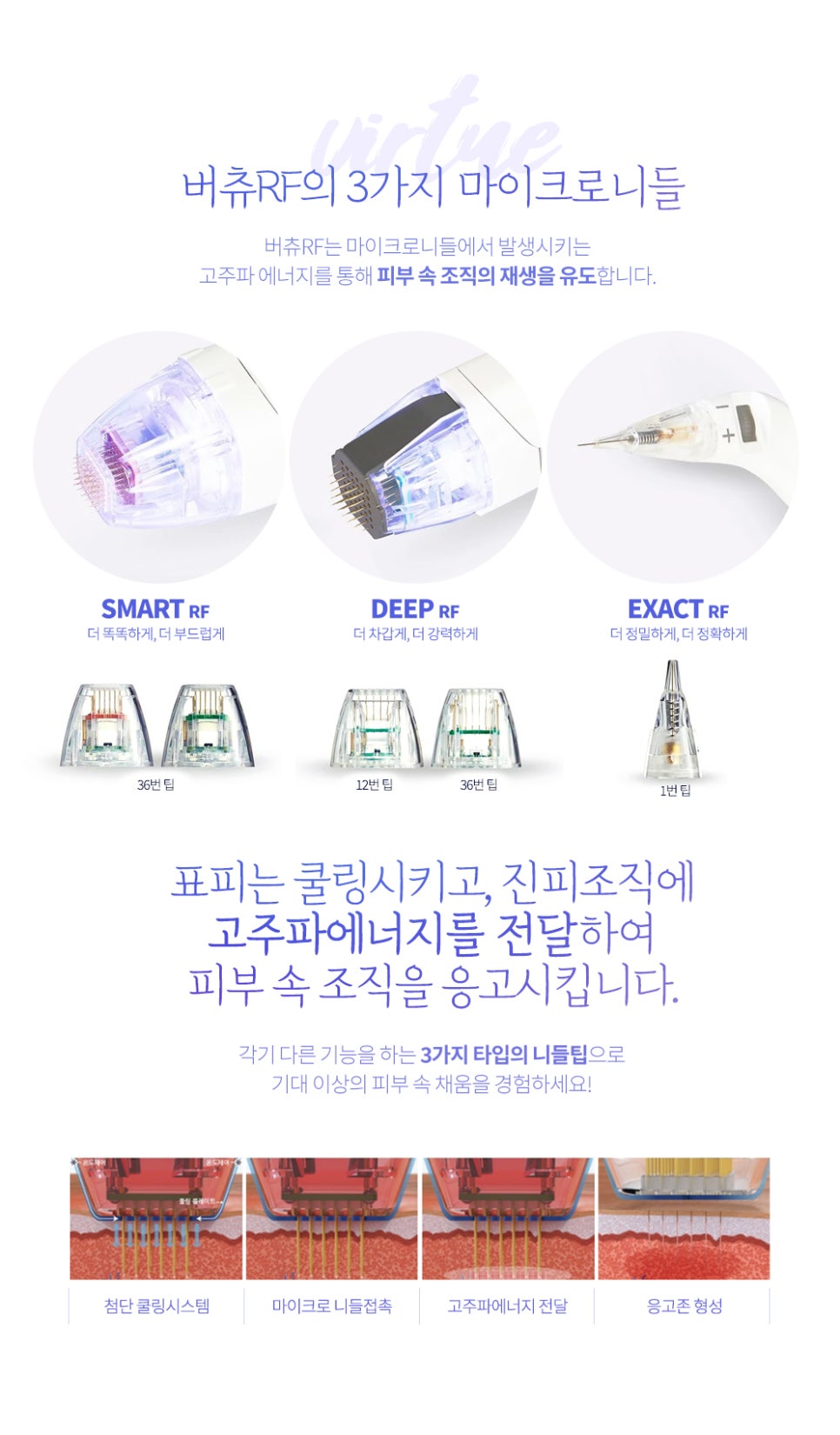
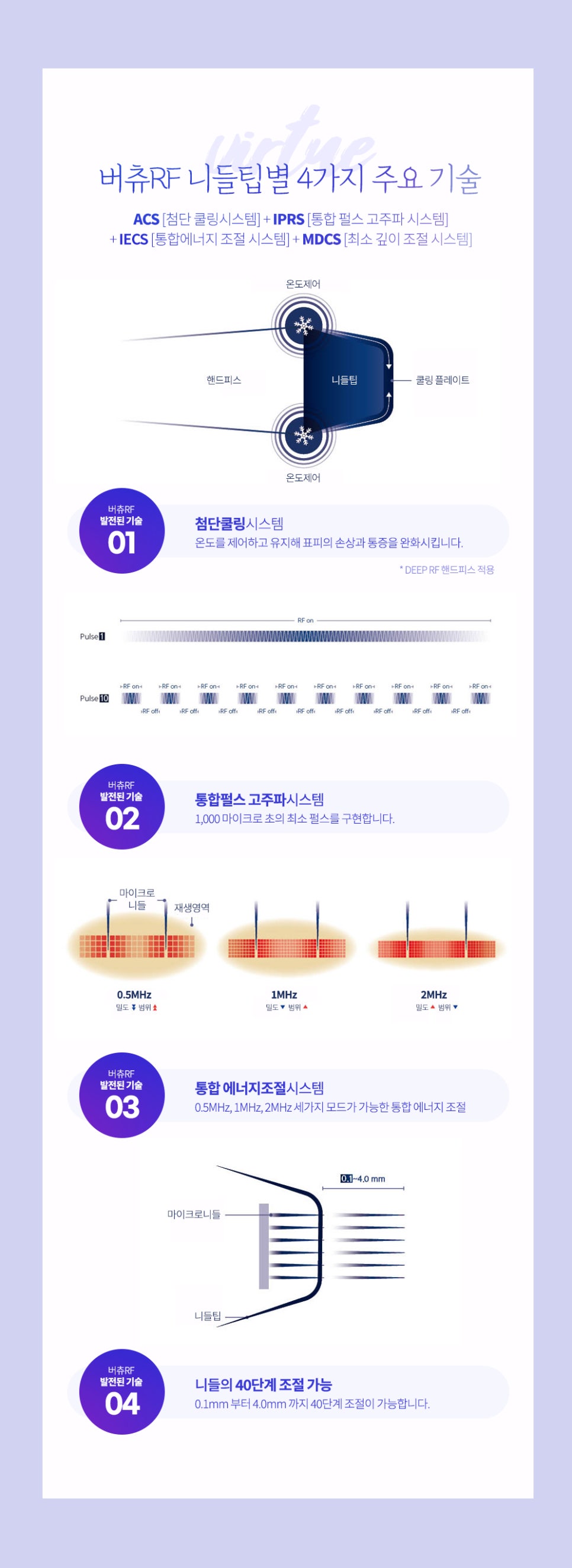
After the initial care period, once the scar has stabilized to some extent, surgical scar treatment using VirtueRF can be performed to improve the scar tissue itself. Fine needles directly deliver radiofrequency energy to the dermal layer containing the scar, stimulating irregularly arranged collagen tissue and encouraging it to be remodeled into a more normal arrangement. Because the needle depth and energy can be adjusted precisely according to the scar’s thickness and depth, a customized approach is possible for various types of surgical scars, from long and wide scars to narrow and deep scars.
As the procedure is repeated, you may notice the scar gradually becoming softer and the boundary between the scar and surrounding skin blending more naturally. When pigmentation remains along with the scar, combining treatment with Refton to manage the pigmentation and blood vessels together can further improve the overall quality of surgical scar treatment.
Care habits that improve the results of surgical scar treatment
Naebang Station Dermatology Clinic Surgical Scar Treatment
Paying attention to daily care while receiving surgical scar treatment can significantly improve the results. Ultraviolet rays can worsen pigmentation in the scarred area and interfere with collagen regeneration, so it is most important to apply sunscreen carefully to the scar throughout the treatment period. Take care to avoid unnecessary friction or pressure on the surgical site, and choose clothing and undergarments made from materials that do not irritate the scar. Consistently applying silicone sheets between scar treatments can also help maintain the treatment results and prevent the scar from becoming thick again. Because the effects of surgical scar treatment accumulate with continued treatment, the key is to care for the scar patiently while maintaining the recommended treatment intervals.
The earlier surgical scars are managed actively, the better the results can be. If you have begun to worry about a scar after surgery, do not leave it unattended. Instead, consult a board-certified dermatologist to determine a surgical scar treatment plan suited to the condition of your scar. I will carefully help you make the raised scar blend naturally with the surrounding skin.