Hello.
This is Dr. Daram from Hongdae Sinchon U&I Clinic.

"What if it comes back even after removing the mole?"
"I’m worried a scar might remain where the mole was removed."
Many people think mole removal is a simple procedure, but when the time for treatment actually comes, they often bring up these concerns.
In particular, some people sigh because the mole has appeared again in the same spot even after being removed once or twice.
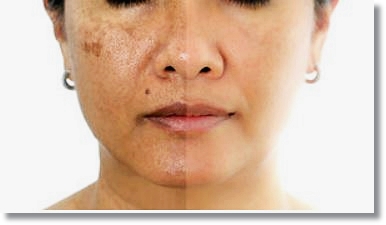
Today, for those people, I’ll explain clearly the recurrence and scarring issues that patients are most curious and worried about during Hongdae mole removal procedures,
and I’ll also explain in detail how to expect a clean result.
Table of Contents
Hongdae Mole Removal
Reasons Moles Appear
Why do moles form, and why do they come back?
What we commonly call a "mole" is, medically, a phenomenon in which pigment-producing cells called "nevus cells" proliferate and appear on the skin surface.
Because nevus cells produce a dark pigment called melanin, they are usually black in color.
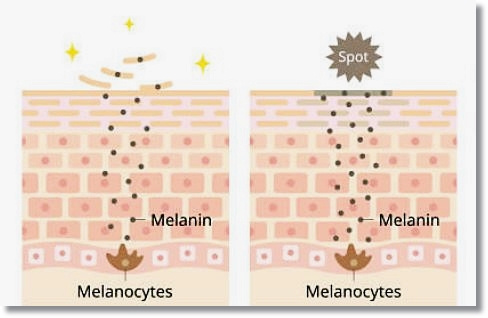
They may form due to genetic factors, but long-term exposure to ultraviolet rays can also be a major cause.
So while other pigment conditions such as melasma, freckles, and blemishes are problems with the melanin pigment itself, moles are a bit different in that they involve cell proliferation.
Then why do moles that were carefully removed appear again?
This is often not simply because "the procedure was done wrong," but because nevus cells left deep in the skin after treatment begin to proliferate again over time, or because there was insufficient diagnosis of the type and depth of the mole and insufficient aftercare.
In particular, since a mole is a mass of cells, even if a very small number of cells remain,
continued stimulation from ultraviolet rays and other factors can cause it to grow or fill in again over time.
Hongdae Mole Removal
Things to Check Before Treatment
Then what should be considered to prevent moles from coming back or scars from forming?
The most important things in mole removal are accurate diagnosis, customized treatment, and thorough aftercare.
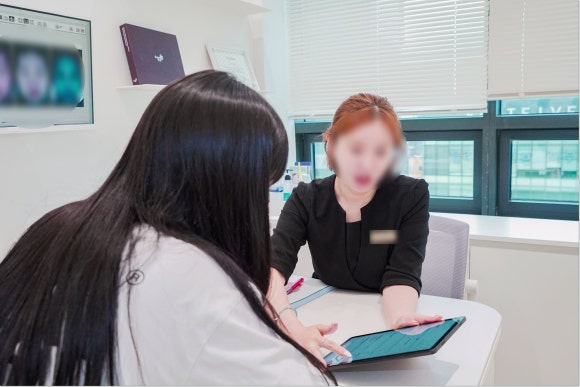
Even if they all look like the same "mole" on the surface, in reality there are often different types and depths, such as pigmented and sebaceous lesions.
For example, if a non-pigmented lesion such as sebaceous hyperplasia, milia, or a skin tag is mistaken for a mole and only the surface is removed,
the root tissue remains, making recurrence highly likely.
Also, it is very important to accurately determine which layer of the skin the mole is located in.
This is because a mole located shallowly in the epidermis, the outermost layer of the skin, can be removed relatively easily, but if it is deep in the dermis, multiple treatments may be necessary.
So before treatment, it is most important to carefully diagnose the patient's skin condition,
accurately identify the type and depth of the pigment to be removed, and establish a customized treatment plan accordingly.
Hongdae Mole Removal
How to Care After Treatment
After mole removal, it is easy to think that once a scab forms and falls off, the procedure is over, but in fact, aftercare is much more important than the procedure itself.
Scarring is not common, but because there is a possibility of forcibly picking off the scab or being exposed to ultraviolet rays, care is needed.
The regenerating tape applied after the procedure is best left on for about 3 to 7 days, and consistently applying regenerative ointment helps recovery.
Also, ultraviolet rays are a major cause of pigment recurrence, so after treatment you should thoroughly block them by applying sunscreen carefully and wearing a hat.
In particular, even after the scab falls off, it is best to avoid sunlight for at least 3 to 4 weeks.
And excessive irritation should be avoided.
Even if there is oozing or a scab forms, you should not forcibly remove it but let it fall off naturally in order to prevent scarring and speed up recovery.
For a few days after the procedure, it is best to wash your face with lukewarm water and use a low-irritation cleanser.
If you are considering mole removal in Hongdae and are worried about scarring and recurrence, please take a close look not only at the procedure itself, but also at the treatment plan and the aftercare that follows.
Because moles are visibly noticeable, you can quickly confirm changes after treatment.
However, to maintain that clean condition for a long time, the key elements of a clear diagnosis, appropriate laser settings according to the type of mole, regenerative care after the procedure, and thorough ultraviolet protection must all be included.
If you have any skin concerns that were not resolved in today’s post, please feel free to contact us anytime. Thank you for reading this long post.
Thank you. This was Hongdae Sinchon U&I^^
<Directions to U&I Clinic Hongdae Sinchon Branch>