“How often should I get skin planning?”
“Does the effect last a long time after one session?”
“Won’t getting it too often irritate the skin?”
When the skin’s glow fades and it starts to look dull and rough, you may begin thinking that it’s time to smooth out your skin texture.
At times like this, many people come in to learn about skin planning treatments.
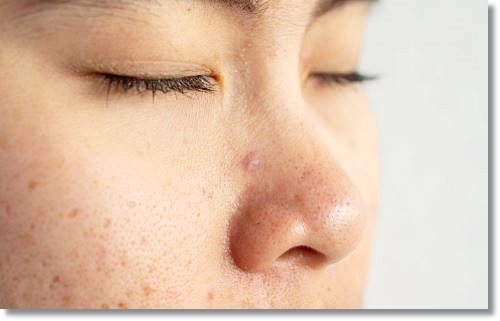
However, when consulting with people considering this treatment, the most common question is about the “treatment interval.”
So today, I’d like to explain the appropriate skin planning interval and precautions, which I’m sure will be helpful to read.
Since this is information that is essential for scheduling, please check it before treatment and use it as a reference.
Table of Contents
Skin Planning Interval
Treatment Overview
Skin planning is a treatment that gently removes dead skin cells and fine vellus hair from the skin’s surface using a non-sharp surgical blade.
It is a method of gently exfoliating the skin’s surface with a special blade, and it is performed relatively simply without any separate invasive procedure or anesthesia.
Because it smooths the skin texture without causing wounds, it may help improve makeup adherence and refine skin tone.
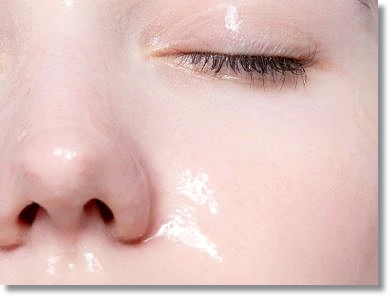
For this reason, it is also a treatment sought by people who are worried that makeup does not apply well, who want exfoliation and smoother skin texture, or who want to prep the skin before another procedure such as laser treatment.
Of course, it is not suitable for all skin types, and individual evaluation is necessary for inflammatory acne or sensitive skin.
Skin Planning Interval
Is It Bad to Get It Too Often?
Skin planning is a relatively low-irritation treatment, but since it directly removes the stratum corneum, adjusting the interval is important.
▶ What happens if you get it too often?
The skin barrier may become thinner, the skin may temporarily become more sensitive, or the fine hair may feel like it is growing back thicker.
(Actually, the hair does not become thicker, but it may feel that way because of reflected light.^^;)

▶ What happens if you wait too long between sessions?
Dead skin cells and impurities may build up, making the effects less noticeable or causing uneven changes in skin texture.
Therefore, it is important to receive treatment at an appropriate interval suited to your skin condition.
Skin Planning Interval
Recommended Interval
So, many of you may be wondering how often you should get it.
In general, the treatment interval is recommended as follows.
| Skin condition | Recommended interval | Explanation |
|---|
| Healthy general skin | Every 3–4 weeks | Can be managed in line with the turnover cycle |
| Sensitive or dry skin | Every 4–6 weeks | Interval adjusted with skin barrier recovery time in mind |
| Inflammatory acne skin | Consultation with a specialist required | Caution is needed because it may cause irritation |
The basic approach is to plan the treatment schedule according to the skin’s natural regeneration cycle,
and it can be adjusted flexibly depending on your individual skin condition and whether you are receiving other treatments at the same time.
I hope this has helped clear up many of your questions about the skin planning interval.
Skin planning is a treatment that may help smooth out skin texture and improve the absorption of skincare products.

But rather than repeating it indiscriminately, it is important to set the interval by considering your skin’s recovery speed, skin type, and any accompanying conditions.
Before treatment, we recommend checking your skin condition through sufficient consultation and deciding on the interval and care method that best suit you together with a medical professional.
If you have any questions, please feel free to ask at any time.
Thank you. This was Hongdae Sinchon UNI^^
<Directions to UNI Clinic Hongdae Sinchon Branch>