“I’ve been feeling like my skin is dull these days, and my makeup doesn’t go on well.”
“My dead skin is lifting and my skin is dry, but I’m worried peeling will make my skin even more sensitive.”
There are moments when you look at your skin and feel that peeling is needed.
But the more sensitive your skin is, the more worry comes first.
“Peeling stings and makes my skin red...
Is there a peeling treatment that’s okay for sensitive skin too?”
If you have sensitive skin, this is probably a concern you’ve had.
One of the treatments recommended for sensitive skin is the ‘Pumpkin Peel.’
The Pumpkin Peel is a low-irritation peeling treatment that can provide exfoliation, nourishment, and soothing effects all at once without strong stimulation.
Today, I’ll explain in simple terms why Pumpkin Peel is recommended for sensitive skin, exactly how it works, and who it suits best.
Table of Contents
What is Pumpkin Peel?
As the name suggests, Pumpkin Peel is a peeling treatment that uses natural ingredients extracted from pumpkin.

It contains vitamin A, C, and E, natural enzymes, minerals, and antioxidants, so rather than irritating the skin, it gently removes dead skin cells and helps calm the skin.
Rather than “stripping away” the skin like a typical chemical peel, you can understand it as a method that helps the skin restore its own balance.
Pumpkin Peel does more than simply remove dead skin cells.
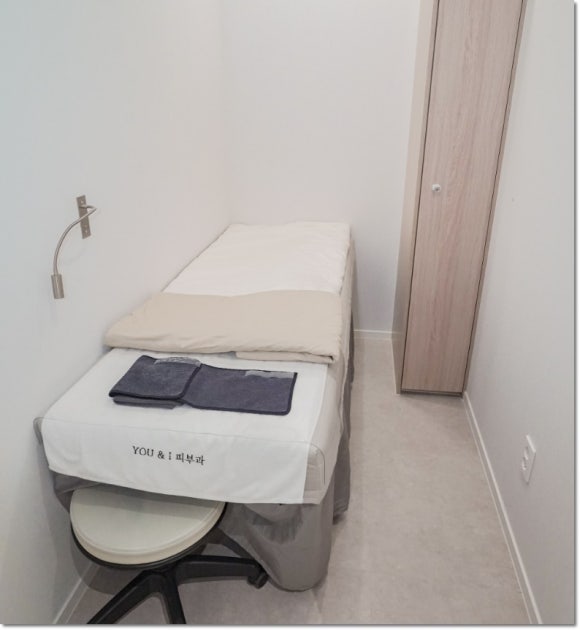
The natural enzymes and AHA in Pumpkin Peel gently dissolve and remove built-up dead skin cells,
while vitamins A, C, and E provide antioxidant effects and help refine skin tone.
Minerals and fatty acids strengthen the skin barrier and provide nourishment.
With these ingredients working together, Pumpkin Peel can offer a dual effect: the skin’s surface is smoothed, and the skin feels more comfortable from within.
Pumpkin Peel Effects
Can Sensitive Skin Benefit Too?
You may be wondering whether sensitive skin can also benefit from Pumpkin Peel.
For sensitive skin that easily turns red, Pumpkin Peel minimizes irritation by using natural enzymes instead of strong acids.
Also, for dry skin that tends to flake, it helps with both exfoliation and hydration.
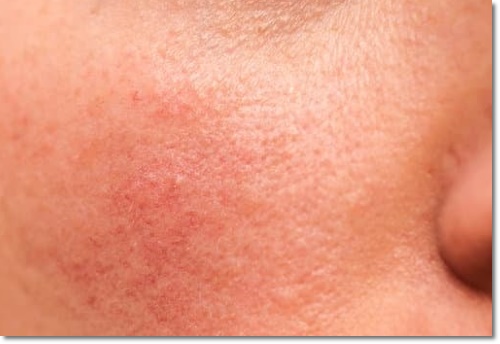
For sensitive oily skin that is prone to acne, it can help improve sebum flow and provide anti-inflammatory effects.
Because Pumpkin Peel is a treatment that does not place much burden on the skin, it is suitable for people with sensitive skin.
That’s why more people seek it out during seasonal transitions or when their skin becomes more sensitive.
Pumpkin Peel
How often should you get the treatment to see results?
The timing depends on your skin condition and purpose, but many people ask how often they need to receive the treatment to see results.
Usually, it is recommended to have it done at 1- to 2-week intervals.
Let’s look at it more specifically by skin type.
For sensitive or dry skin, it is best to have it done every 2 weeks.
If you have oily skin and are prone to breakouts, every 1 to 2 weeks is recommended.
If you have normal skin and your main goal is to improve skin texture, every 2 weeks is good.

Our skin continuously produces dead skin cells, so rather than just one session, it is more effective when done consistently at regular intervals.
Although Pumpkin Peel is low in irritation, there are still precautions to take after the treatment.
If dead skin flakes after the treatment, do not rub it off by hand. Also, be sure to use sunscreen in your daily routine, and wearing a hat or mask when going out can help.
In addition, it is good to use moisturizer generously so the skin barrier can recover.
Even people with sensitive skin can benefit from Pumpkin Peel.
That’s because Pumpkin Peel is not just about removing dead skin cells; it is a healthy peeling treatment that helps enhance the skin’s natural recovery ability and nutrient balance.

Pumpkin Peel can be an effective treatment for sensitive skin, but before receiving it, please first check your own skin condition.
Thank you. This has been UNNI from Hongdae Sinchon^^
<Directions to UNNI Clinic Hongdae Sinchon Branch>