Hongdae Picotoning: If Visible Spots and Pigmentation Are a Concern

'I apply sunscreen carefully, but melasma keeps coming up and my face looks dull.'
Among the people who visit the dermatology clinic, many are worried about melasma, spots, and hyperpigmentation.
Simply thinking, 'If I go to a dermatology clinic, all my spots will disappear,' and getting a procedure done carelessly can actually lead to side effects such as pigmentation getting darker or skin troubles developing.
That is why I always try to provide accurate explanations about the procedure before treatment.
Today, I’d like to talk about picotoning, one of the ways to help address concerns about spots.
I’ll explain in detail how picotoning works, who it is suitable for, and what precautions should be taken.
Hongdae Picotoning
Hongdae Picotoning
Procedure Principle
Picotoning is a procedure that breaks pigment particles down much more finely and at a much faster speed than conventional laser devices.
To explain a little more specifically, it delivers strong energy in an extremely short unit of time called a picosecond.
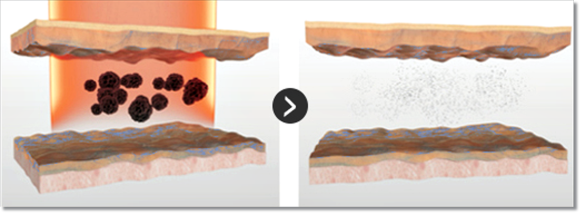
Compared with conventional nanosecond lasers, the energy acts about 1,000 times faster and for a much shorter time,
so it can selectively destroy pigment while minimizing heat damage to the skin relatively well.
Hongdae Picotoning
Expected Effects
Basically, picotoning is intended to treat pigmentation.
However, it is also a procedure that many people seek out because it can be expected to provide various other skin improvement effects.
-
Relief of pigmentation such as melasma, spots, and freckles
-
Improvement of pigment changes accompanying acne scars
-
Improvement of skin texture and tone
-
Improved pores associated with reduced elasticity
So if you have had these skin concerns, it may be helpful to read this post a little more carefully. ^^
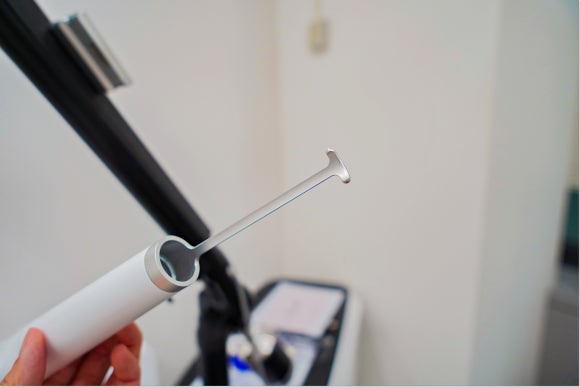 Picolo device
Of course, these effects may vary depending on the individual’s skin condition, pigment depth, and response.
Therefore, because specific results cannot be guaranteed, it is best to determine the number of sessions, treatment interval, and expected level that are appropriate for your skin
through consultation with a specialist.
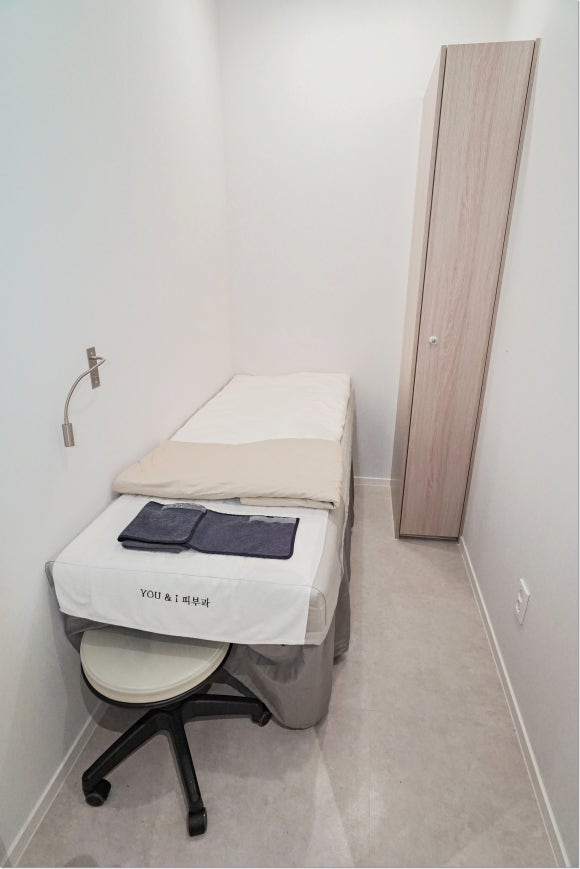
Hongdae Picotoning
Side Effects and Care Methods
Picotoning is known to involve less heat damage than conventional lasers and to have relatively fast recovery,
but after the procedure, the skin may temporarily become red or dry,
and in the case of sensitive skin, temporary troubles may appear in particular.
 Hongdae UNI U&I Clinic
In addition, pigment located in deeper layers of the skin, such as melasma, can actually be further stimulated by excessive laser irritation.
Because a specialized approach can help reduce side effects by adjusting the power or treatment area according to skin condition,
if you are very concerned, please be sure to ask a specialist.
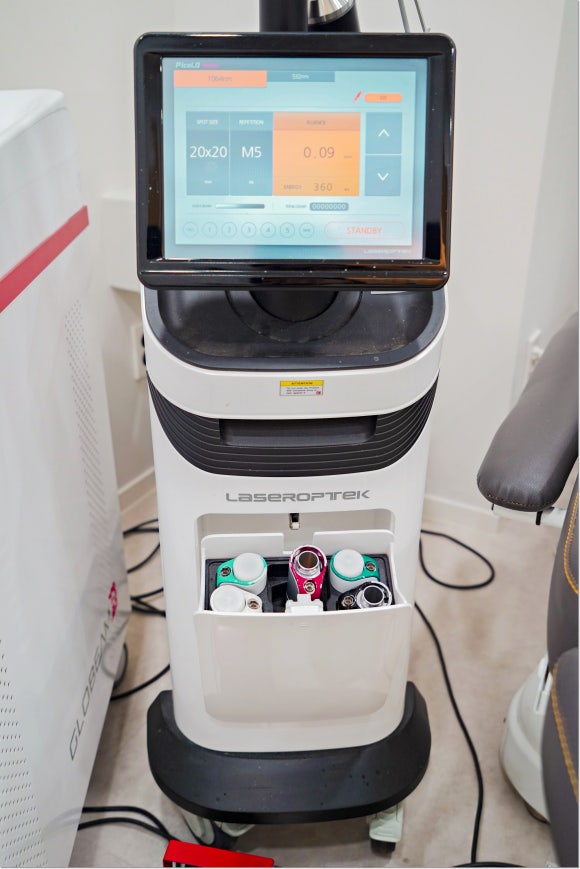
Another side effect to check is the post-inflammatory hyperpigmentation phenomenon, where pigmentation becomes darker again.
Right after the procedure, the skin is in a sensitive state, and if sunscreen is not applied properly, pigmentation may reappear.
Therefore, you must apply sunscreen carefully and avoid excessive heat or friction.
Please keep this in mind!
Hongdae picotoning is not a procedure that can remove all spots in just one session.
Even with the same picotoning, the number of sessions differs completely depending on the skin condition, such as melasma, spots, pores, and scars.
Therefore, rather than thinking, 'The procedure will solve everything,' we recommend designing the expected results and treatment plan through skin diagnosis and consultation with a specialist. ^^
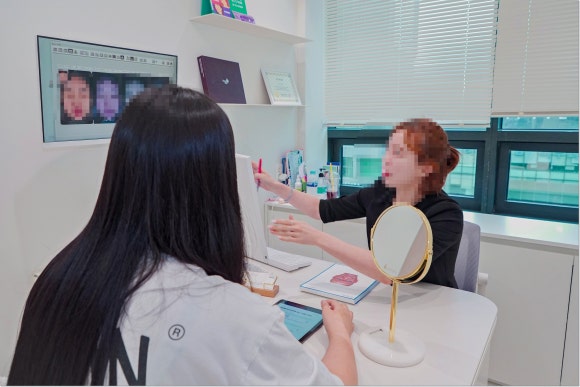
Today, I explained picotoning from the procedure principle to the expected effects, side effects, and post-procedure care methods.
Has the information you were curious about regarding picotoning become a little clearer?
If you have any more questions, please feel free to leave a comment anytime.
Thank you. This was Hongdae Sinchon UNI U&I ^^
< The story of the Hongdae Sinchon branch built over 10 years>
< Hongdae Sinchon UNI U&I Clinic >