Lhalafill Treatment Interval
Should the Treatment Interval Change Depending on Skin Condition?
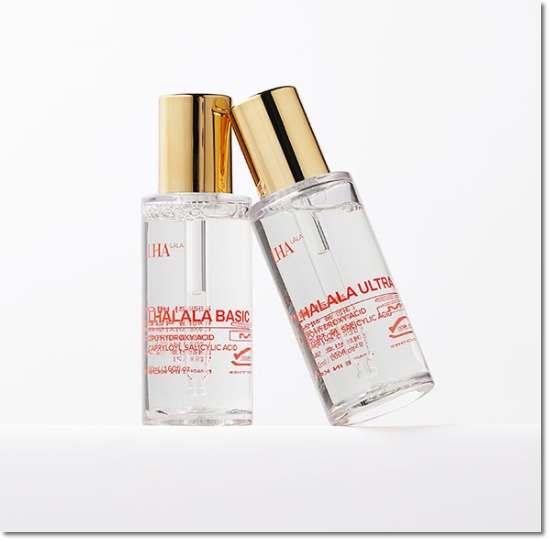
'I've heard Lhalafill doesn't irritate the skin...
Then can I get it often?'
If you have tried Lhalafill, you may have noticed that it helps smooth skin texture without irritating the skin, which is why many people ask whether it can be done frequently.
It is natural to want to do it as often as possible when the effect shows up right away and it seems not to cause irritation.
However, skin has its own regeneration cycle for recovery, and if this rhythm is ignored, the skin can become more sensitive instead.
Today, let’s talk about how to set the Lhalafill treatment interval according to skin condition.
If you have been curious about Lhalafill, please refer to today’s post.
Lhalafill Treatment Interval
Should the Treatment Interval Change Depending on Skin Condition?
- What is the principle behind smoothing the skin?
- Should the treatment interval change depending on skin condition?
- What happens if you do not follow the interval?
Lhalafill
What Is the Principle Behind Smoothing the Skin?
Before talking about the Lhalafill treatment interval, let’s first talk about Lhalafill itself.
Lhalafill is effective at smoothing the skin while causing little irritation. The reason lies in its ingredients.
The main ingredient in Lhalafill is LHA. Compared with commonly used peeling ingredients such as AHA and BHA, its particles are larger and its absorption speed is slower, so it causes much less irritation when it comes into contact with the skin.
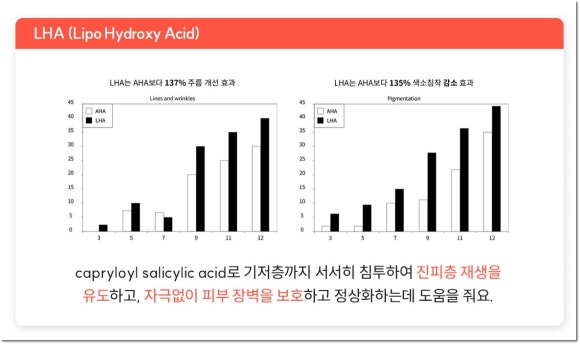
But that does not mean the effect is weaker. In fact, LHA is highly oil-soluble, so it blends well with sebum and penetrates deep into pores, making it effective at gradually dissolving waste and sebum.
In addition, instead of quickly stripping away dead skin cells, LHA gradually and naturally removes the buildup of old keratin on the skin surface.
That is why the skin barrier does not collapse significantly right after the procedure, and it can be used safely even on sensitive skin.
In the end, Lhalafill is not an irritating peel that forcibly strips the skin, but a low-irritation treatment that helps healthy regeneration by removing waste and sebum while protecting the skin barrier.
Lhalafill Treatment Interval
Should the Treatment Interval Change Depending on Skin Condition?
In general, Lhalafill is recommended at 2-week intervals for 3 to 5 sessions.
However, because not all skin is the same, the interval should be adjusted depending on skin condition to achieve the best results.
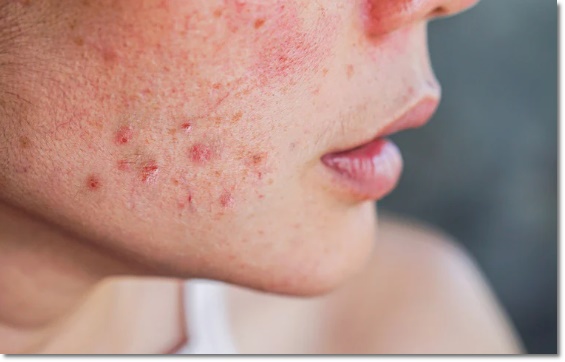
Oily or acne-prone skin has excessive sebum secretion and pores that clog easily.
In such cases, the LHA ingredient in Lhalafill is very helpful for clearing sebum and dead skin cells.
For this type of skin, intensive care at 1- to 2-week intervals can help suppress breakouts more quickly.
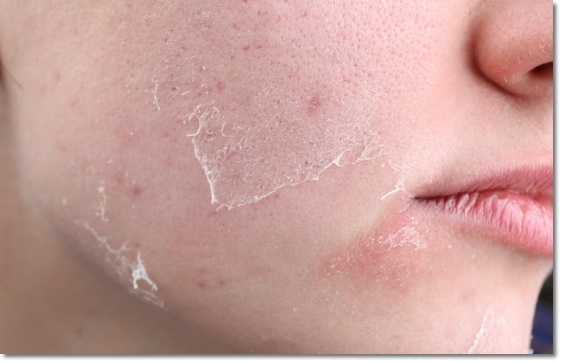
Dry or sensitive skin has a weaker skin barrier and reddens easily.
Excessive peeling can actually worsen the skin condition.
Therefore, it is safer to allow enough recovery time and perform the treatment at 3- to 4-week intervals.
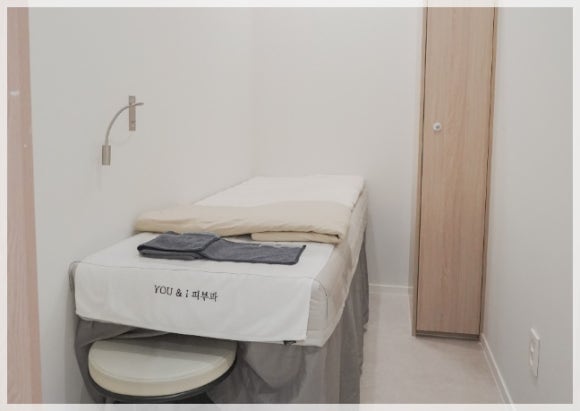
If you have combination skin, with the forehead and nose producing more sebum and the cheeks and chin being dry, the condition differs by area, so adjusting it every 2 to 3 weeks is ideal.
In other words, with Lhalafill, the key is not that “everyone should do it every week for better results,” but rather setting an interval that matches your own skin type and current condition.
This allows you to improve skin texture without overburdening the skin.
Lhalafill Treatment Interval
What Happens If You Do Not Follow It?
Lhalafill is a low-irritation treatment, but if it is repeated too aggressively, problems can occur.
After being stimulated, the skin needs time to recover on its own. If this is ignored, the skin barrier becomes unstable, and redness, dryness, and uneven shedding of dead skin can worsen.
This is especially true for dry or sensitive skin, where these side effects appear more easily.
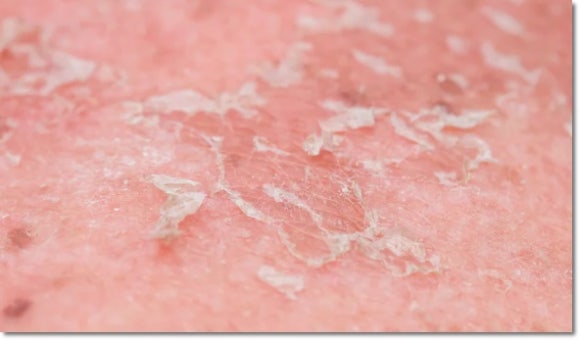
In addition, skin has a regeneration cycle in which new cells rise to the surface and old dead skin naturally sheds at regular intervals.
If peeling is repeated excessively without considering this cycle, even newly formed cells can be stimulated and may not settle properly.
As a result, the skin may look brighter in the short term, but over the long term there is a risk that it will become thinner and more sensitive.
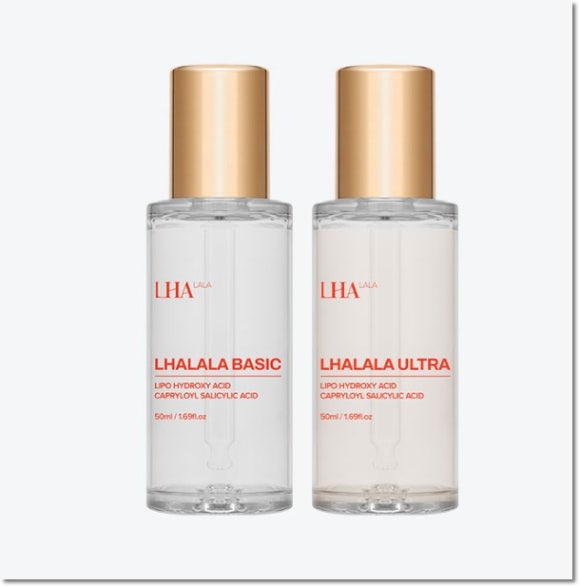
Therefore, Lhalafill is not a treatment that should be done frequently just because the effect is immediate. To maintain proper results for a long time, the interval should be followed in line with the skin’s regeneration rhythm.
Giving the skin time to recover is the key to creating true “healthy beauty.”
Today, we talked about the Lhalafill treatment interval for caring for the skin without irritation.
Lhalafill is a low-irritation peeling treatment, but to get the full effect, you need to consider your skin’s regeneration cycle and your individual skin type.
For oily skin: 1- to 2-week intervals
For dry skin: 3- to 4-week intervals
For combination skin: 2- to 3-week intervals
The Lhalafill treatment interval should vary depending on skin condition.
Rather than doing it frequently without thinking, I hope you take good care of your skin wisely by keeping an interval that suits you.
Thank you. This was UNNI Clinic Hongdae Sinchon ^^
< The Story of Hongdae Sinchon Branch Over 10 Years >
<Directions to UNNI Clinic Hongdae Sinchon Branch>