Shinchon mole removal,
Why are multiple devices needed?
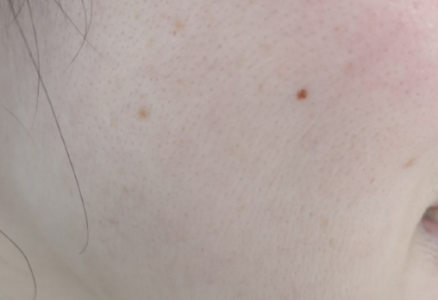
“Can’t moles be removed easily?”
“Isn’t it okay to use just any device?”
There are many types of pigmented skin conditions, such as melasma and blemishes, but moles are often seen as relatively easy to remove.
Because they are often small and located in the epidermal layer, it is easy to think of them as a simple procedure.
However, if you look closely at reviews, it is not hard to find stories like “it came back” or “a scar formed.”
From this, it is clear that mole removal is by no means a procedure to take lightly.
Several devices are used for mole removal, and depending on the type of mole, combining devices may be necessary.
Today, I will explain in detail how to remove moles more effectively.
Shinchon mole removal
- Are all moles the same?
- What devices are used for mole removal?
- Post-procedure care is even more important
Shinchon mole removal
Are all moles the same?
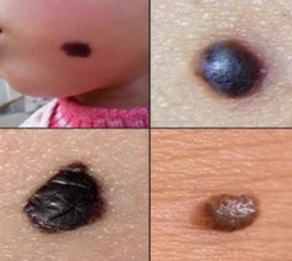
At first glance, all moles may look similar.
If they appear as clustered dark spots, it is easy to think they are all the same kind of mole, but in reality, pigmented skin conditions that appear on the skin are divided into various forms.
A mole is a type of benign lesion formed when melanocytes gather in one place, so it does not usually cause major health problems, but many people consider removing it because it is bothersome in terms of appearance.
If you look closely at a mole, you can notice subtle differences.
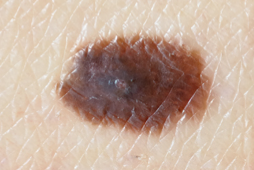
A typical mole often has a smooth, flat surface.
These moles are located close to the epidermis, so they are relatively easy to remove.
On the other hand, some moles protrude above the skin.
In such cases, they are often deeply rooted in the dermis, making them difficult to remove with just one device.
In this way, moles are divided into several types depending on their shape and depth, and the appropriate procedure and devices also differ accordingly.
Therefore, it is important to accurately identify your mole type before proceeding with treatment.
Shinchon
What devices are used for mole removal?
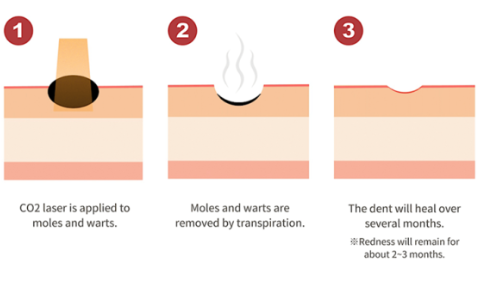
So, what devices are mainly used for mole removal?
First, flat moles located in the epidermal layer are often treated with a CO2 laser.
This device works by delivering energy that reacts to moisture in the skin tissue, selectively removing only the targeted area.
In simple terms, it removes mole tissue by “vaporizing” it, with the advantage of minimizing damage to surrounding normal tissue while quickly removing only the necessary area.
However, for protruding or deep moles, a CO2 laser alone may have limitations.
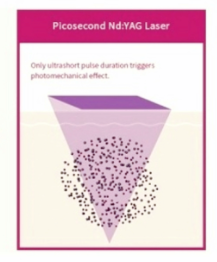
This is because it can remove the surface, but the stimulation may be too strong to completely eliminate pigment that is deeply rooted in the dermis.
In such cases, using two or more devices together can be more effective.
For example, if a device in the pico laser family that uses a longer wavelength is used together, it can more precisely break down melanin pigment, which may help reduce the chance of recurrence.
Shinchon mole removal
Post-procedure care is even more important
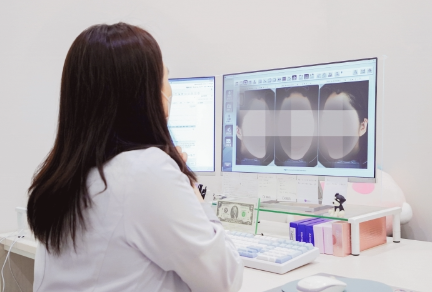
The most commonly mentioned issue after mole removal is “recurrence.”
Some people may think the procedure itself is pointless because the mole comes back after some time.
However, if the procedure is performed with the proper devices and method, mole removal can be expected to be effective enough.
Looking at cases of recurrence, the cause is often insufficient aftercare.
Right after mole removal, the skin surface is peeled and becomes very sensitive to external irritation.
If it is exposed to ultraviolet rays and similar factors, melanin pigment may be produced excessively to protect the skin, making it appear like the mole has returned.
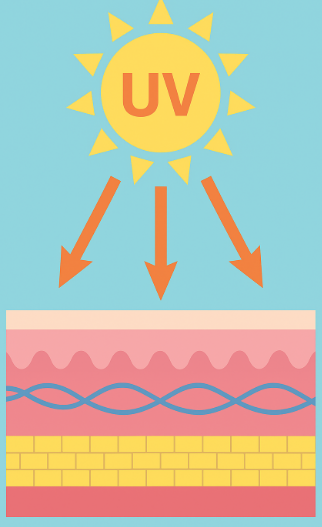
Therefore, one of the most important elements in mole removal is aftercare.
Even if the procedure is done with the proper devices, insufficient care can lead to recurrence, so it is very important to use sunscreen carefully.
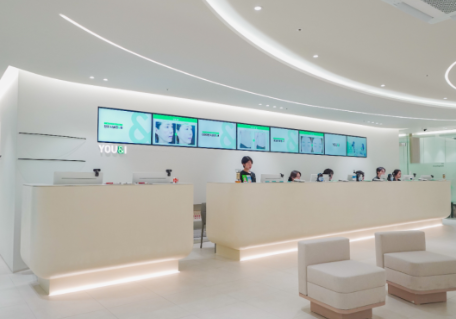
Shinchon mole removal is by no means a simple procedure.
The appropriate device differs depending on the type of mole, and especially when it is deeply rooted in the dermis, there may be limitations with a single device.
Also, even if you receive the proper procedure, satisfaction may drop if aftercare is insufficient, so it is important to prevent recurrence by thoroughly protecting against UV exposure.
Thank you. This was Hongdae Sinchon U&I^^
< The story of Hongdae Sinchon branch accumulated over 10 years >
< Hongdae Sinchon U&I Clinic Hours >
Weekdays: am 10:00 ~ pm 08:00
Saturday: am 10:00 ~ pm 05:00
(Sunday closed)
< Directions >
U&I Clinic Hongdae Sinchon branch is
located near Hongik University Station.