Sinchon Onda Lifting
How Is It Different from Other Procedures?
"Thermage, Ulthera, Onda...
I’ve heard the names,
but what exactly is different about them?"
This is a question I really hear often in the clinic.
When people look into lifting procedures, the names may sound similar, but the principles are all different,
and because every review says a different procedure is best, many people end up postponing their decision because it’s hard to choose.
Among those who come in for consultations, quite a few say, “I’ve heard Onda is good, but I don’t really understand why I should specifically get this one.”
So today, I’ll calmly organize what makes Onda lifting different from other lifting procedures, just as I would explain it to patients in the clinic.
Sinchon Onda Lifting
Sinchon
The Principle of Onda Lifting
Lifting devices are largely divided by what kind of energy they use.
 How Ulthera Works
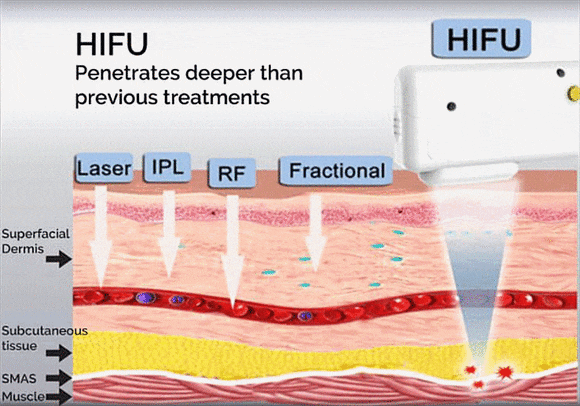
Thermage creates heat as radiofrequency current passes through the body, and Ulthera concentrates ultrasound at a single point to deeply heat only that area.
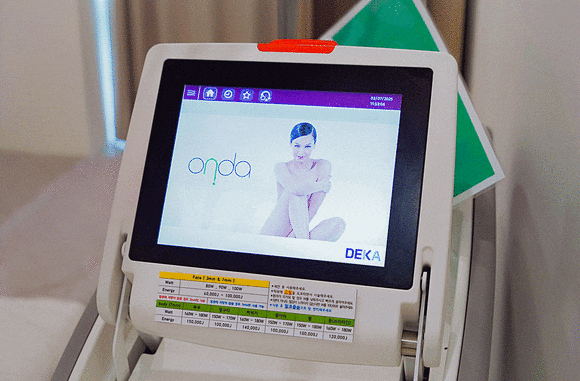
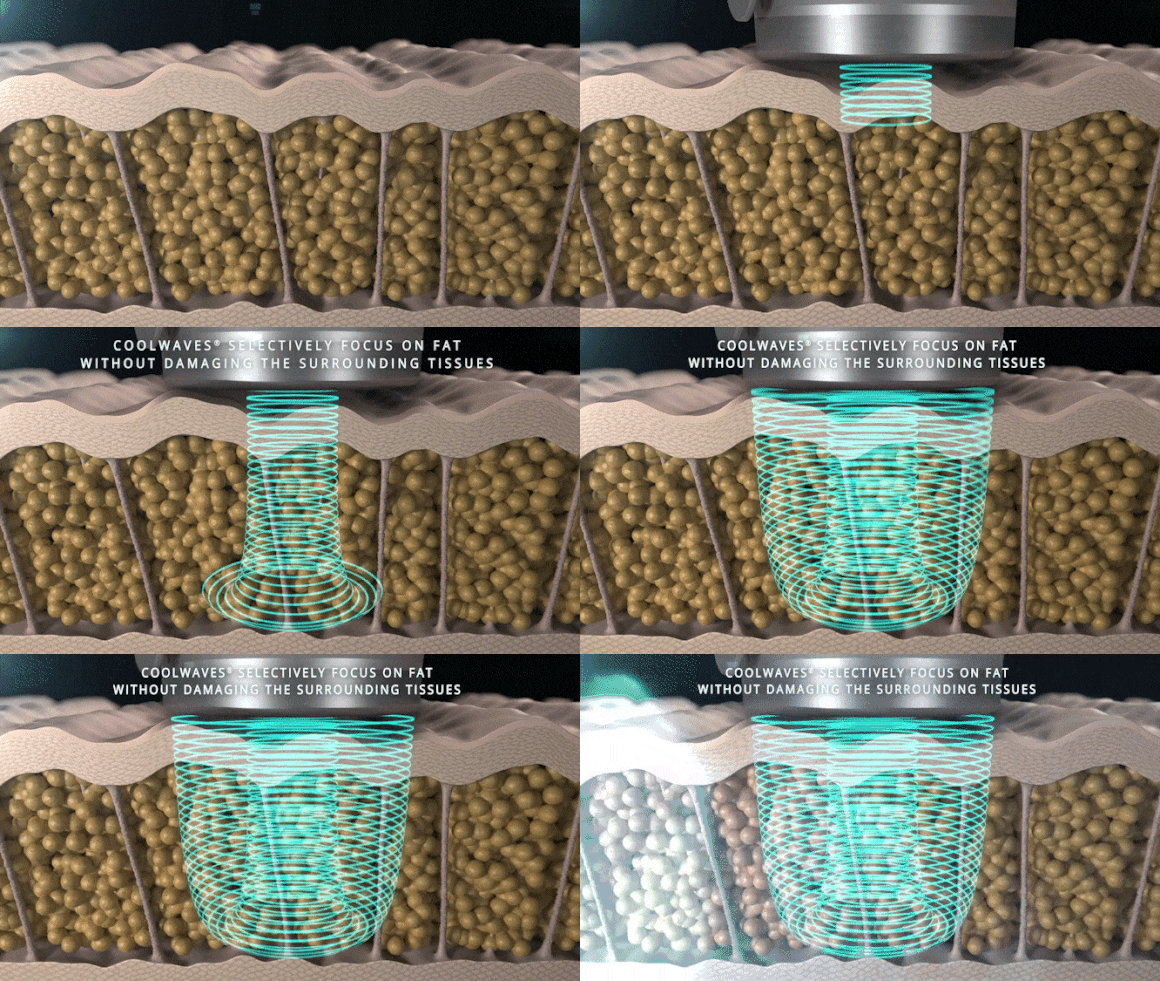
Onda, on the other hand, uses microwaves (MW), which have a different approach from the two above. It works by directly acting on the moisture in the tissue, like a microwave oven, to generate heat.
If you compare the three in one sentence, it would be this.
Thermage heats as current passes broadly through the tissue, Ulthera heats deeply by targeting a single point, and Onda gently warms the entire surface area.
It’s like the difference between pressing one spot with a hot iron, spreading heat broadly like a heated floor mat, or wrapping something in warm hands.
So even though it’s all heat, Onda definitely causes less discomfort, and most people feel only a warm sensation during the procedure.
Another important difference is the depth of action.
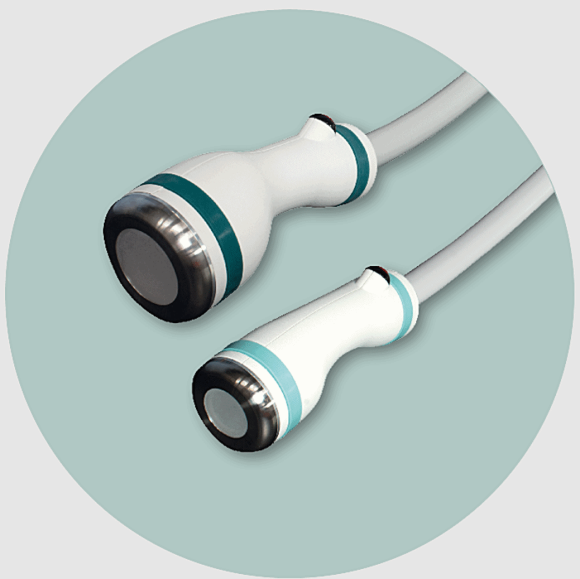
With Onda, the 3mm handpiece helps improve elasticity in the dermis layer, and the 7mm handpiece can reach the subcutaneous fat layer.
So the fact that it can improve firmness and also partially address fat at the same time is what most clearly sets it apart from other lifting procedures.
Sinchon Onda Lifting
Recommended Candidates
So, who is Onda lifting a good fit for?
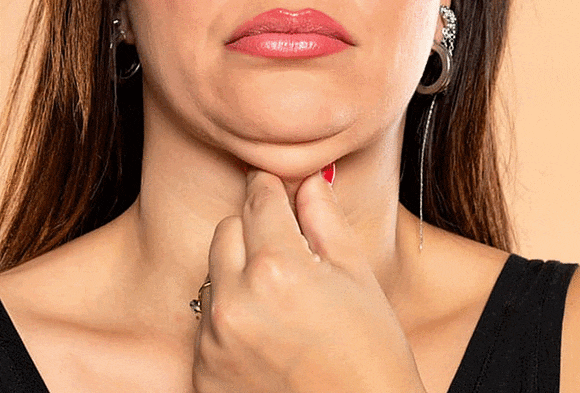
It works especially well for people with a heavy layer of fat under the chin or on the cheeks.
Because Onda can directly reach the fat layer with the 7mm handpiece, it can improve firmness and address fat at the same time in one session.
It is also suitable for people who have suddenly developed sagging after dieting or childbirth.
For people who are sensitive to pain, and for office workers or students who need to return to daily life immediately after treatment, it is a relatively low-burden option.
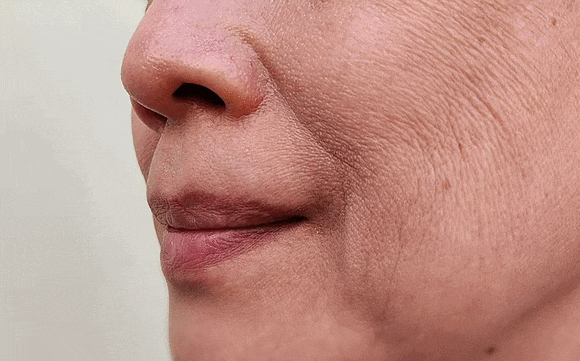
On the other hand, if your main concern is fine lines or improving skin texture, laser-based procedures that act closer to the skin surface may be more suitable,
and if sagging of the deepest skin layer, such as the SMAS layer, is the main cause, we tend to recommend an Ulthera-type procedure first.
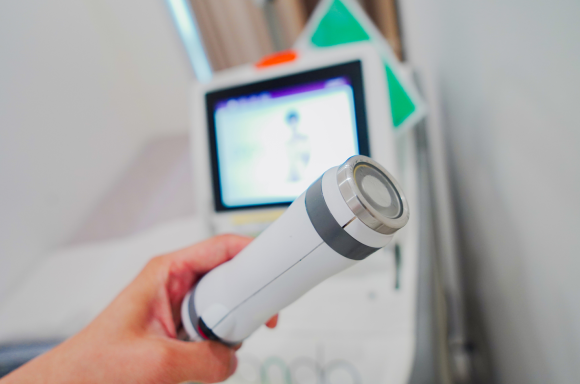
In fact, even among people in their 40s, there were cases where some did much better with Onda-focused treatment, while others saw much better results by combining Ulthera and Thermage.
So rather than deciding on a procedure name first and coming in, I recommend identifying through consultation which layer the sagging is coming from and then setting the direction accordingly.
Onda is not the right answer for everyone.
However, it is definitely the device that comes to mind first when there is a combined concern of wanting to improve firmness and slightly reduce fat.
Sinchon Onda Lifting
Limitations and Aftercare

To be honest, Onda is not a procedure that promises dramatic change after just one session.
It is usually a treatment that should be done at least three times at 3- to 4-week intervals while observing the process of collagen regeneration,
and the effects appear gradually after about one month and three months rather than immediately after the procedure.
That is why it is important to establish the treatment schedule together from the start during consultation.
After the procedure, temporary redness, mild swelling, or warmth may occur, and it is best to avoid saunas, hot baths, and alcohol for about one week.
Since treatment results can vary from person to person, even if you receive the same number of sessions, the degree of change may differ, so please keep that in mind.
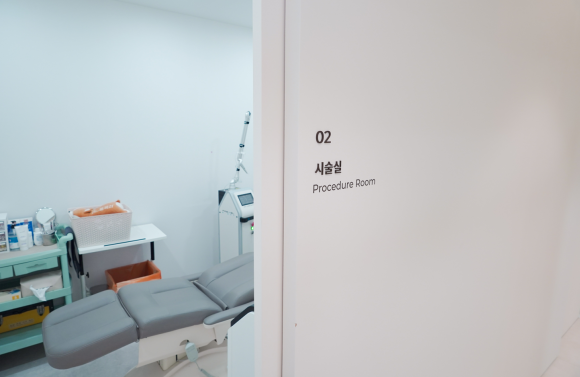 Hongdae Sinchon You&I Clinic
Today, I organized how Sinchon Onda lifting differs from other lifting procedures, from the working principle to who it is recommended for, as well as its honest limitations.
The key is getting a diagnosis of what approach is appropriate for your skin condition and concerns.
It’s good to compare information and think about which procedure is right for you, but in the end, please remember that good results come from having a plan that fits you.
Thank you. This has been Hongdae Sinchon You&I Clinic^^
< Stories from the Hongdae Sinchon branch over the past 10 years >
< Hongdae Sinchon You&I Clinic Hours >
Weekdays: am 10:00 ~ pm 08:00
Saturday: am 10:00 ~ pm 05:00
(Closed on Sundays)
< Directions >
You&I Clinic Hongdae Sinchon branch is
located near Hongik Univ. Station.