
Why does the color return so quickly even after trying teeth whitening?
Choosing based only on white teeth can leave you with regrets several years later.
The real variable in veneers is not the color.
It is how much of your natural teeth you preserve.
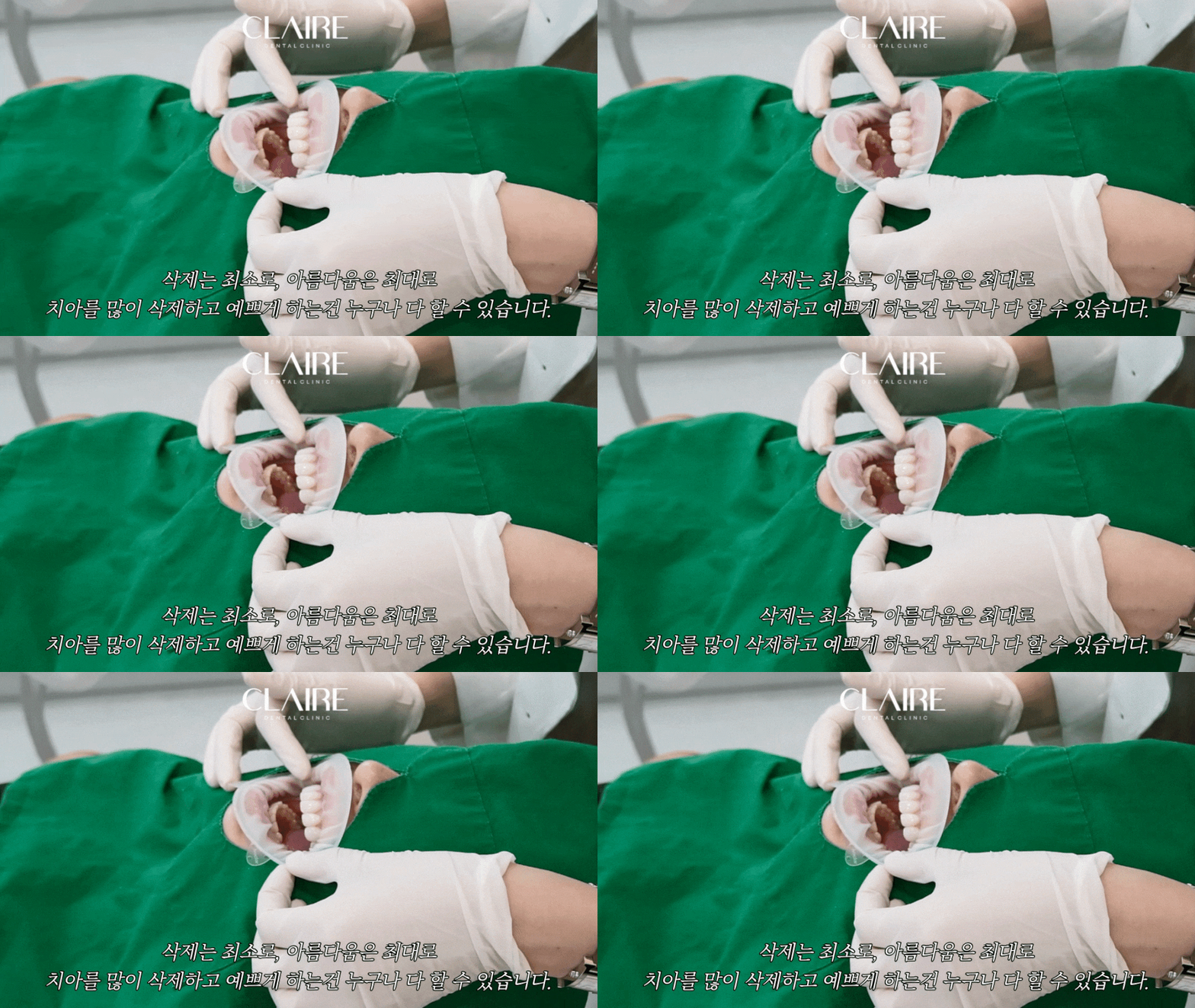
Hello, I am Yuna Kim, director of Claire Dental Clinic, where we first identify the causes of coffee-related tooth discoloration.
“Wait—were my teeth always this color?”
“Would scaling make them a little whiter?”
You may have searched for several dental clinics because you were concerned about yellow teeth, only to close the browser in the end.
That is because the photos and explanations may look similar, making it difficult to know what criteria to use when choosing a clinic.
However, yellow teeth can have different causes, and there is more than one way to create whiter teeth.
Today, I would like to calmly organize the criteria behind that hesitation.

One of the questions most frequently asked by people who enjoy coffee is:
"Doctor, if I stop drinking only coffee, will my yellow teeth become white again?"
To give you the conclusion first, coffee can be one of the causes of discoloration.
Coffee contains a pigment compound called tannin.
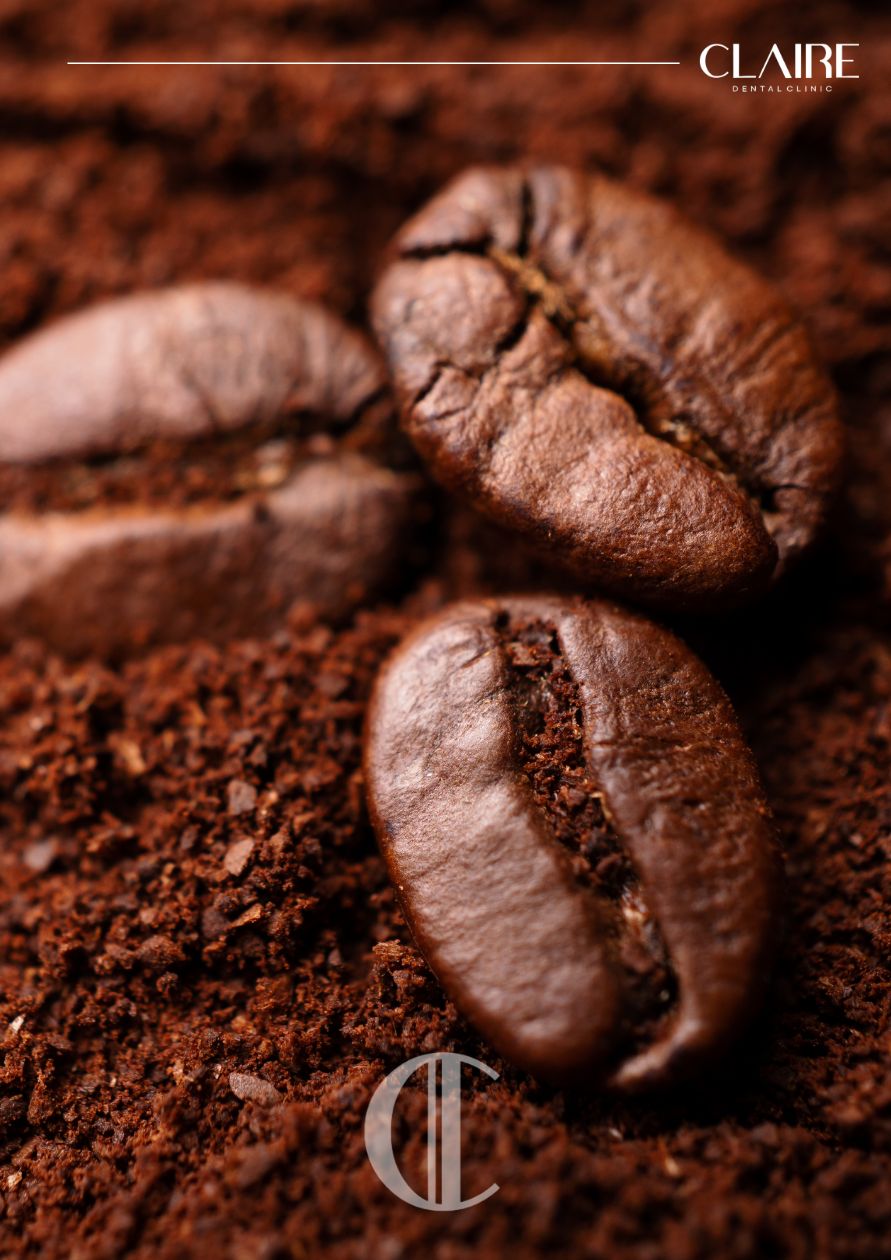
Coffee-related tooth discoloration
Tannin has a tendency to adhere easily to the surface of teeth.
Although enamel, the outermost layer of the tooth, appears smooth, it contains extremely fine textures and spaces.
When you drink coffee repeatedly, pigments gradually build up in these spaces.
Over time, your teeth may appear yellow or brownish.
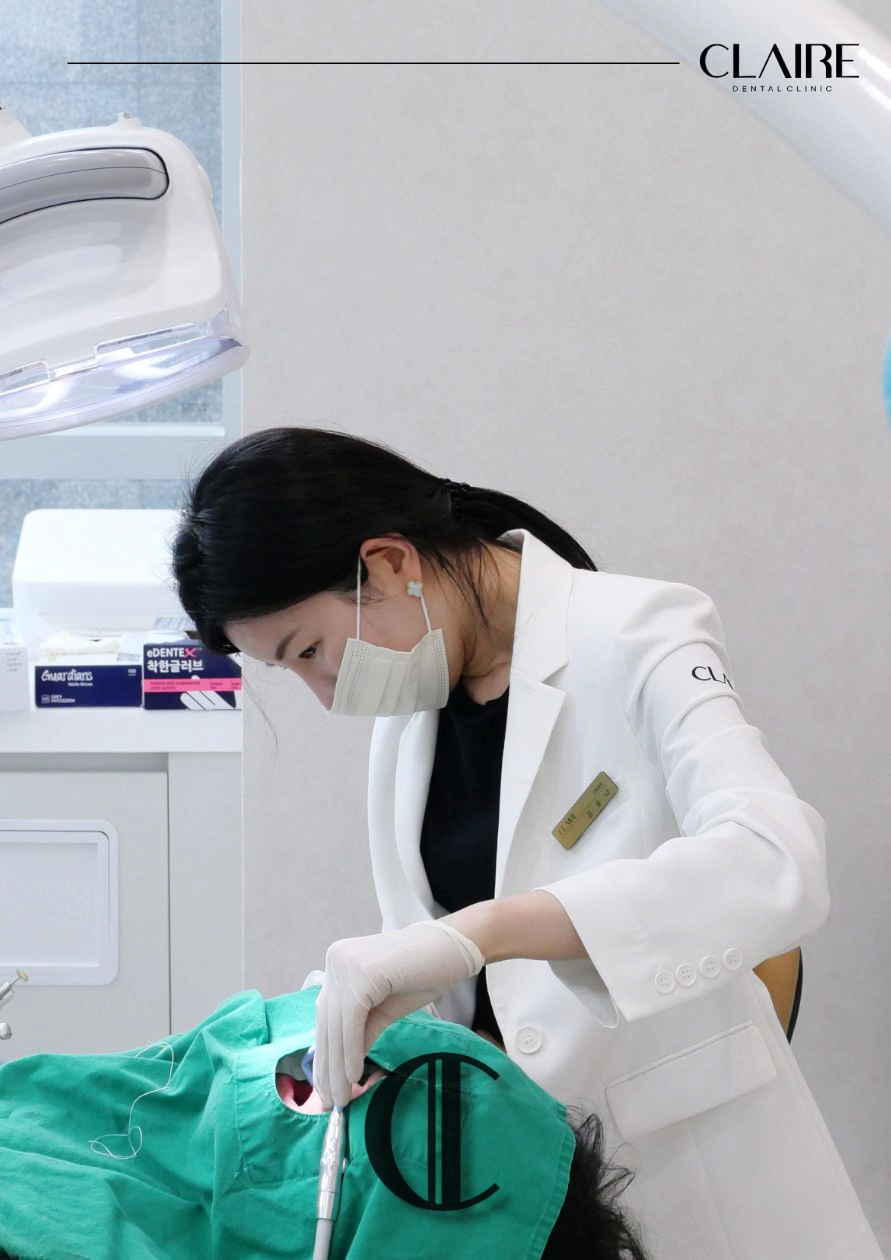
Another aspect to examine is the acidity of coffee.
Because coffee is a mildly acidic beverage, drinking it frequently can temporarily create an environment in which the tooth surface becomes more susceptible to discoloration.
If you also frequently smoke or consume pigment-rich foods and drinks such as black tea, red wine, and curry, the discoloration may appear more pronounced.
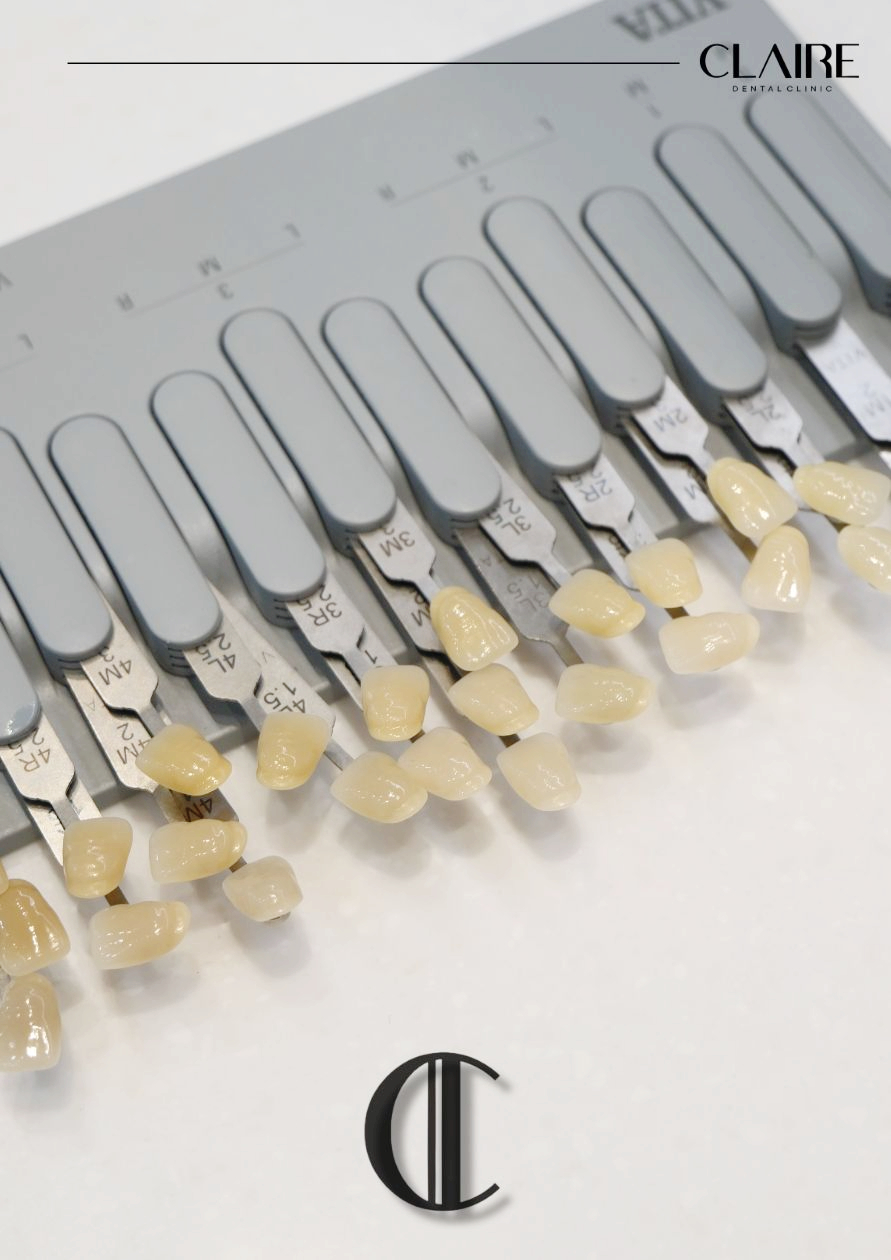
Why do my teeth look yellow again even after whitening?
It depends on the cause.
Even if they look like the same yellow teeth, the causes are not always the same.
If the discoloration is on the surface and was caused by coffee, red wine, smoking, or similar factors, improvement may be possible through whitening alone.
On the other hand, if the color change is inside the tooth or the enamel has become thin enough for the color of the dentin to show through, it may be difficult to achieve the desired result through whitening alone.
In such cases, rather than insisting on whitening alone, it may be helpful to first determine the approach suited to the current condition of your teeth.
In particular, if you are considering veneers, there is one point you should be sure to check as well.
That is temporary teeth.
What to check when temporary teeth are mentioned
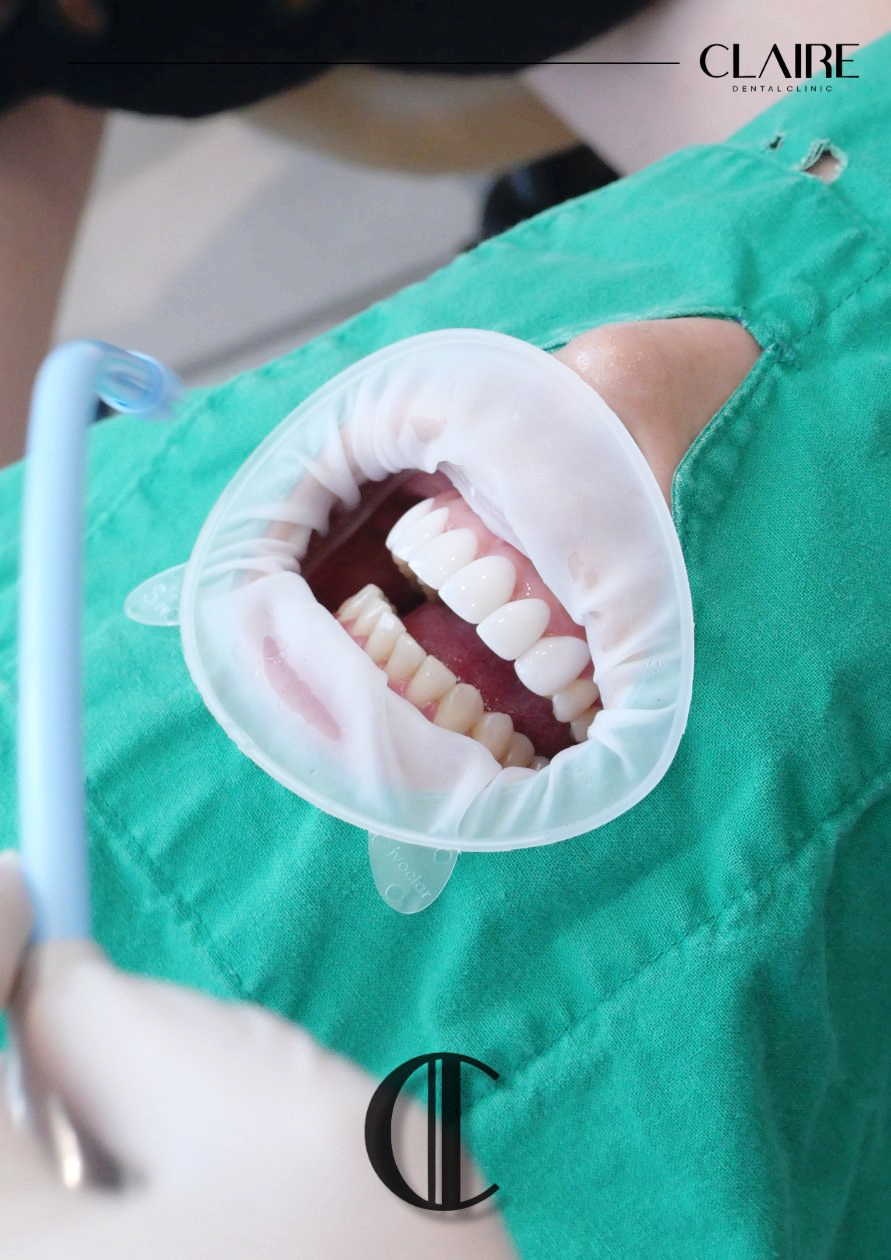
Temporary teeth are temporary restorations that cover the prepared areas for the few weeks before veneers are bonded.
But why do they need to be covered?
Because that much of the surface has been removed.
When a larger amount is removed, the dentin inside may be exposed, causing sensitivity, and the area would also be visible, so it is covered.
In fact, whether temporary teeth are used is determined by the condition of the teeth, the extent of reduction, and the treatment plan.
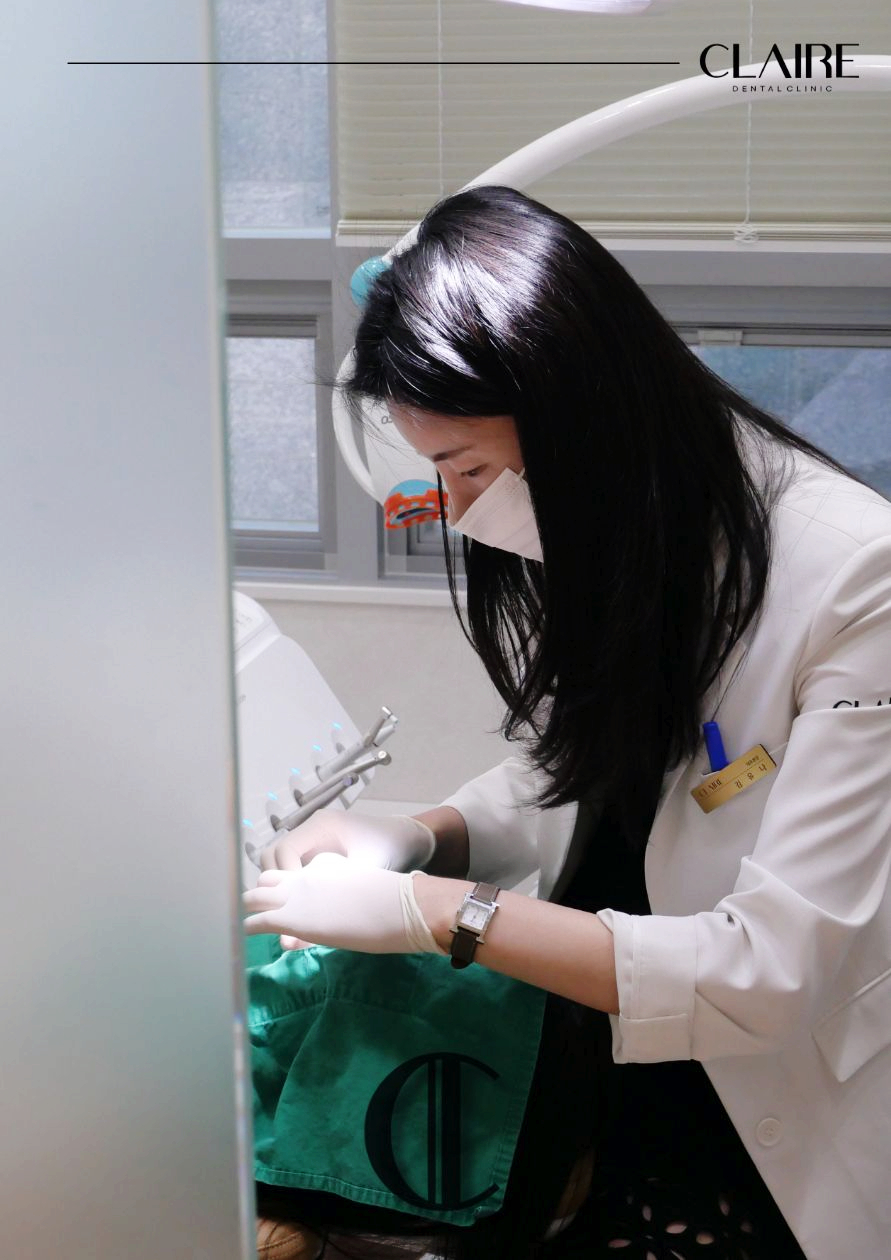
During your consultation, it may be helpful to ask about the amount of reduction and why temporary teeth are needed.
This is because enamel that has been removed does not recover on its own.
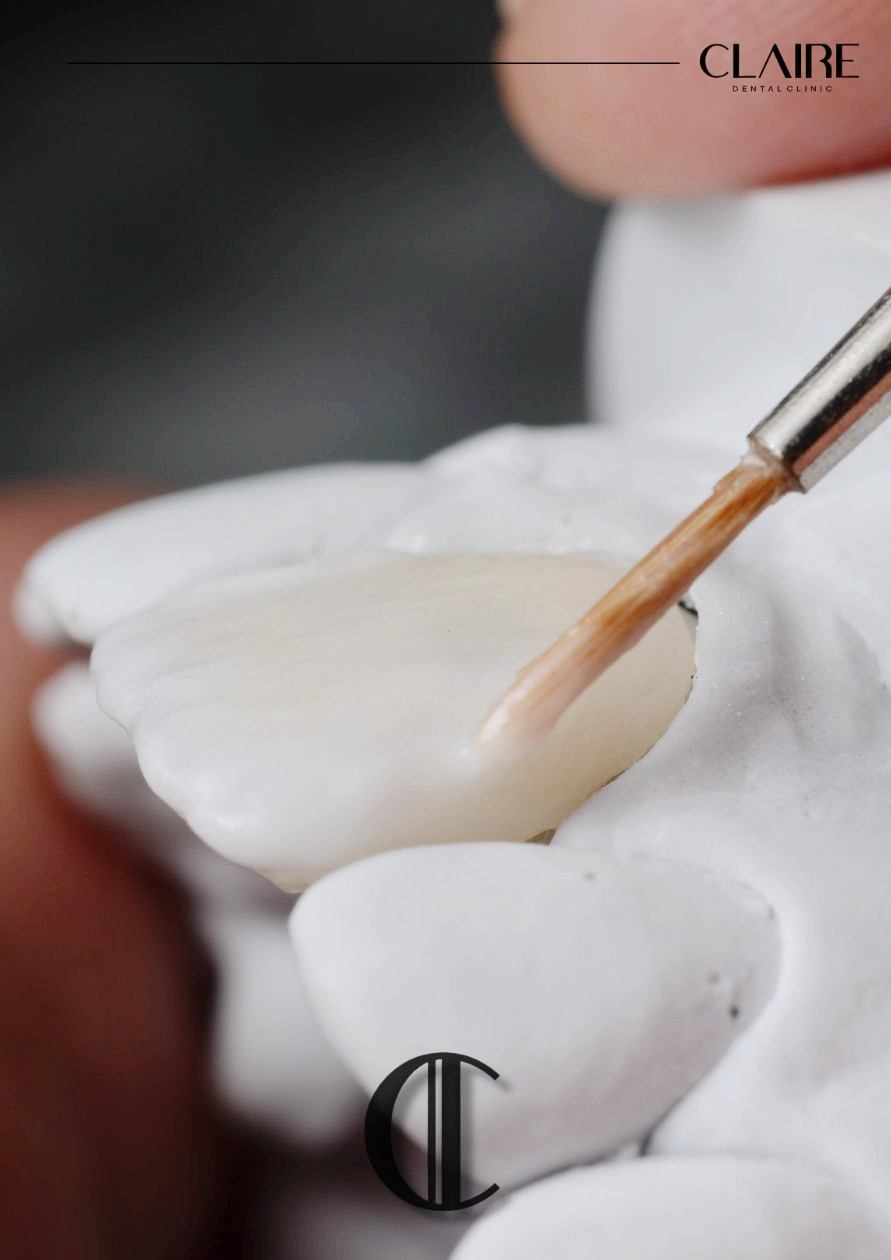
If the material being bonded is thin, less preparation may be needed, and depending on the condition, no-preparation or minimal-preparation treatment may be possible.
That is why our clinic uses ultra-thin ceramic with a thin profile.
When only a small amount of preparation is needed, this may help reduce the burden of sensitivity.
Of course, if temporary restorations are needed depending on the remaining tooth structure and alignment, we explain the reason thoroughly and discuss the treatment approach together.
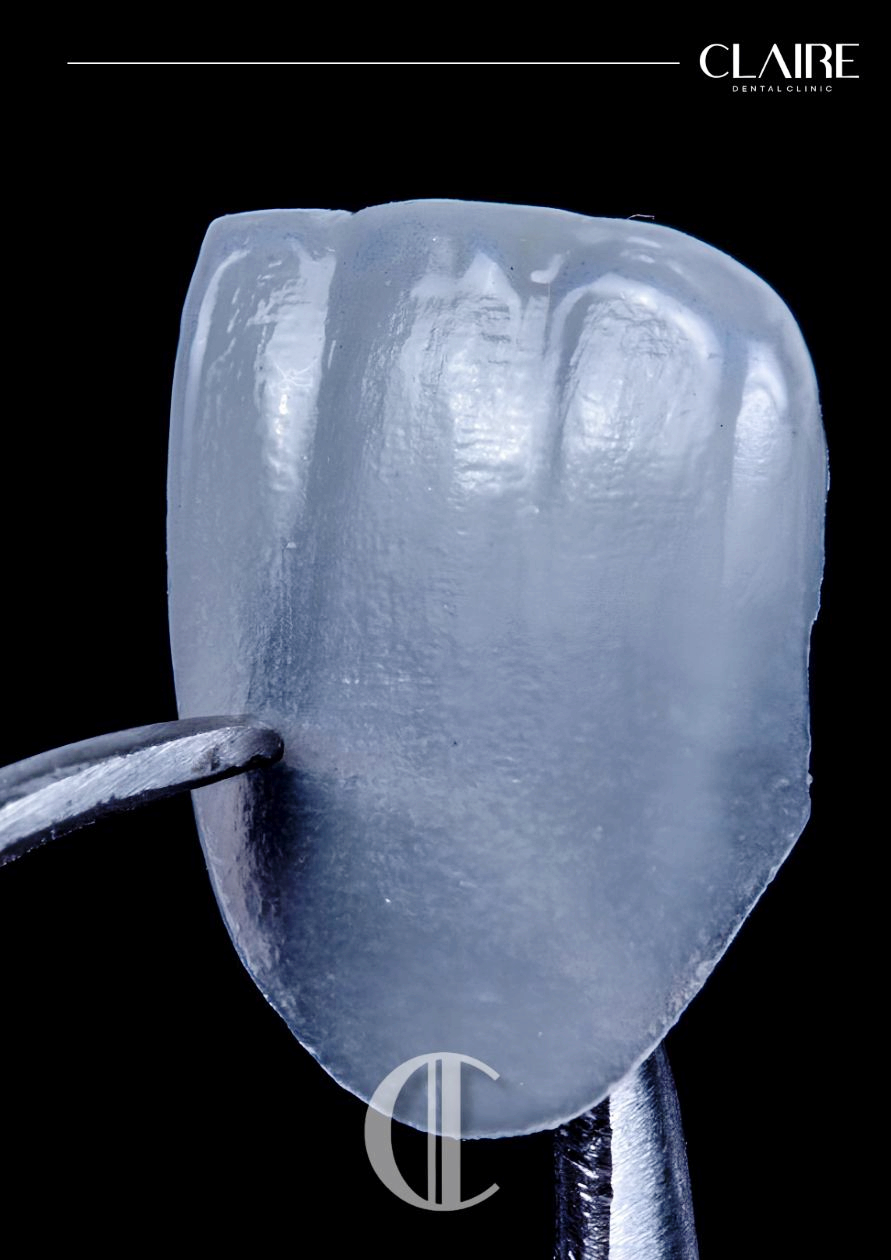
The goal is not simply to avoid using them; the goal is to remove less tooth structure. Temporary restorations are an issue that follows as a result of that process.
Veneers are known as a method for aesthetic improvement, but in reality, treatment begins by removing some of your body’s tissue.
During my many years in clinical practice, some of the most disappointing moments involved patients who returned hoping to have previous treatment redone, only to have insufficient tooth structure remaining.
So the principle I try to follow is simple.
Rather than calculating what to place on the teeth first, I first calculate what can be preserved.
Within the possible range, I prioritize preserving the natural teeth when deciding on the treatment approach.
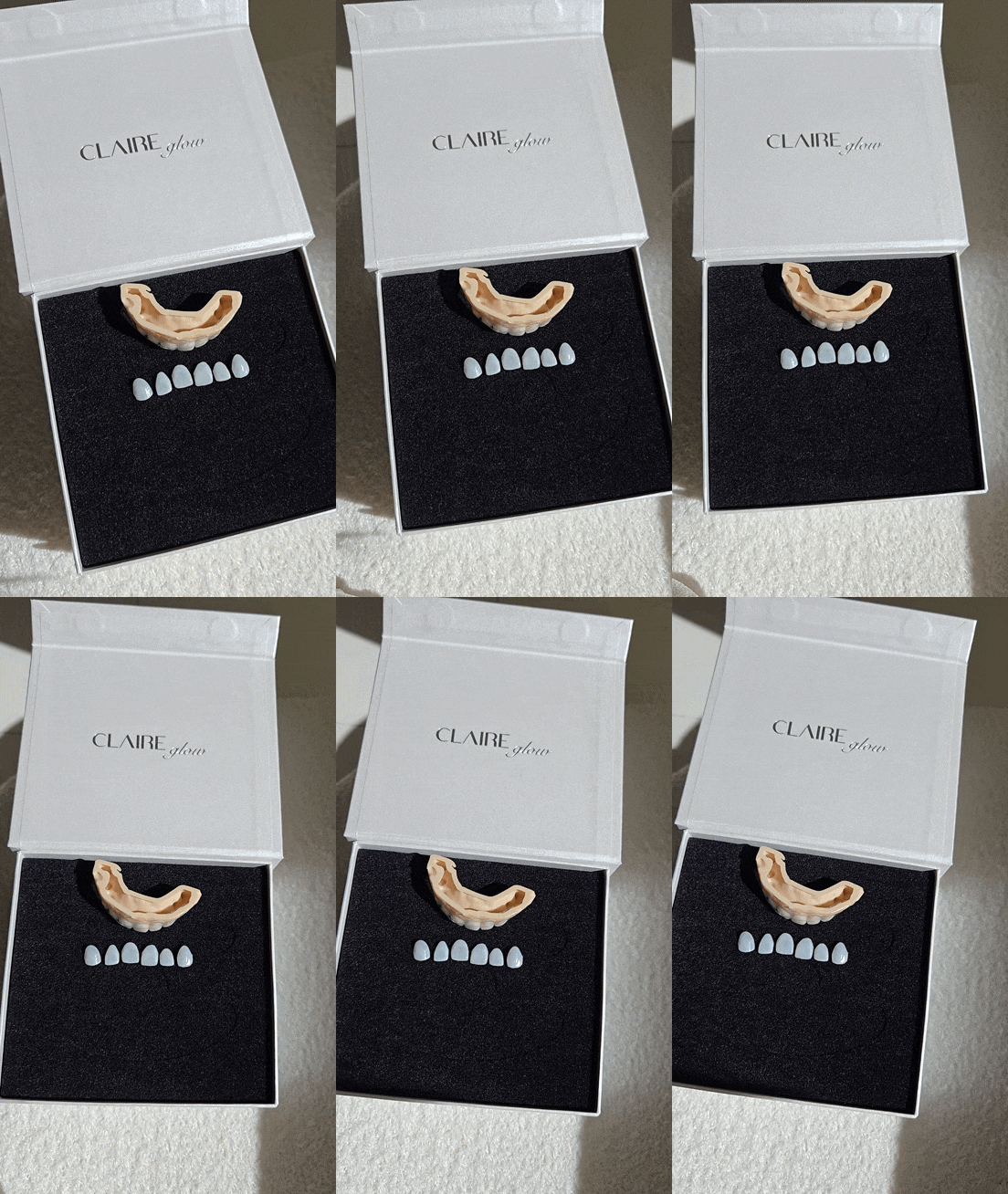
Color should not simply be white; it should be harmonious.
The longer people have been concerned about yellow teeth, the more they tend to want the brightest possible shade.
However, if brightness is considered without regard to the skin tone, gum color, and balance with the adjacent teeth, the result may no longer look natural.

That is why Claire Dental Clinic in Hannam-dong first analyzes the shade through digital shade matching.
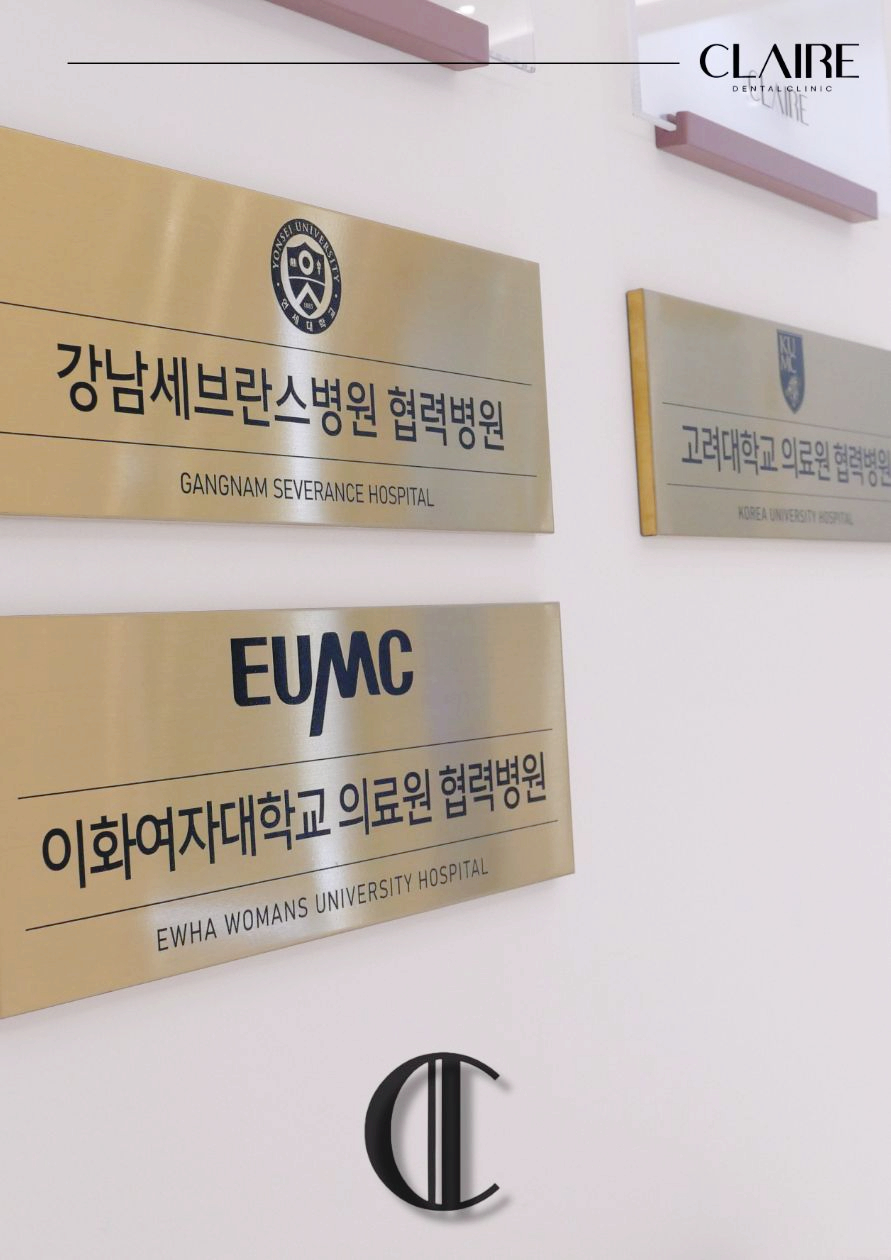
We then adjust the surface translucency and light reflection using the Glow Glazing technique, developed through joint research with Seoul National University School of Dentistry and filed for patent protection.

Have you been concerned about coffee-related tooth discoloration for a long time?
Please first check whether whitening is suitable for you now or whether your condition should be considered for veneers.
After examining your teeth thoroughly at Claire Dental Clinic in Hannam-dong, we will guide you together toward an appropriate approach.
"Thank you."

#Hannam-dongDentalClinic




Previous image
Next image