Hello, I’m Director Choi Joong-hyuk of Apgujeong Seoul Plastic Surgery.
When you are considering nose surgery,
a question you are bound to face is this.
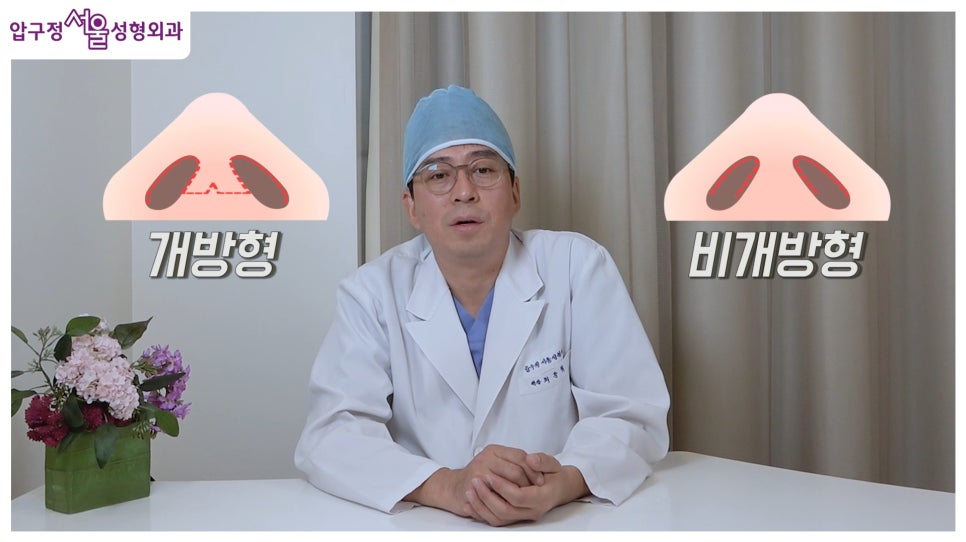
That is, whether to choose an open or closed approach.
These two surgical methods differ in everything from the approach itself
to whether a scar remains,
and today I’ll neatly organize the differences and the pros and cons
of these two methods for you.
Closed surgical method
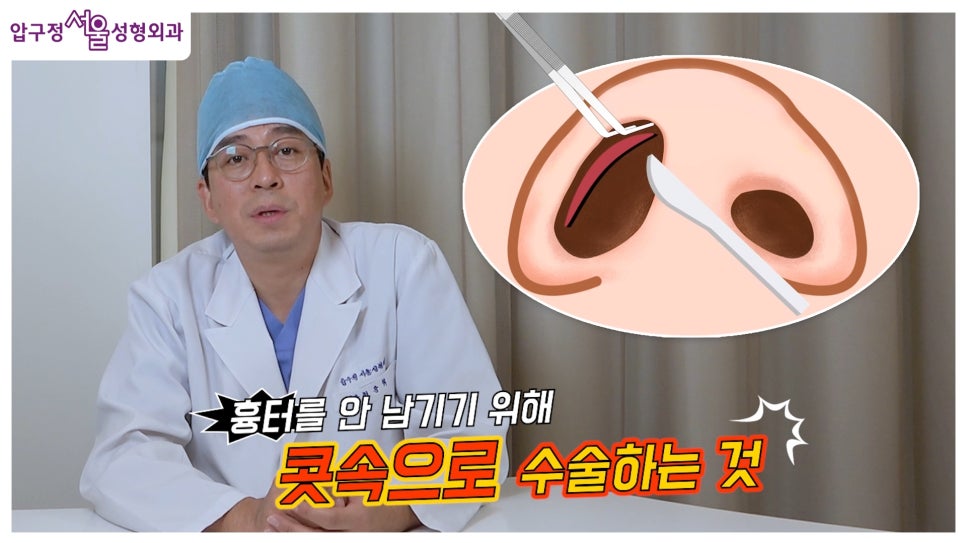
Many people think that closed nose surgery
means no incision is made.
In reality, it is a method that makes an incision inside the nose.
Closed surgery is performed by making incisions inside the nostrils
to avoid leaving a scar.
When surgery is performed with a closed approach,
-
When only the bridge of the nose is raised
-
When a hump on the bridge of the nose is removed
-
When wide nasal bones are osteotomized
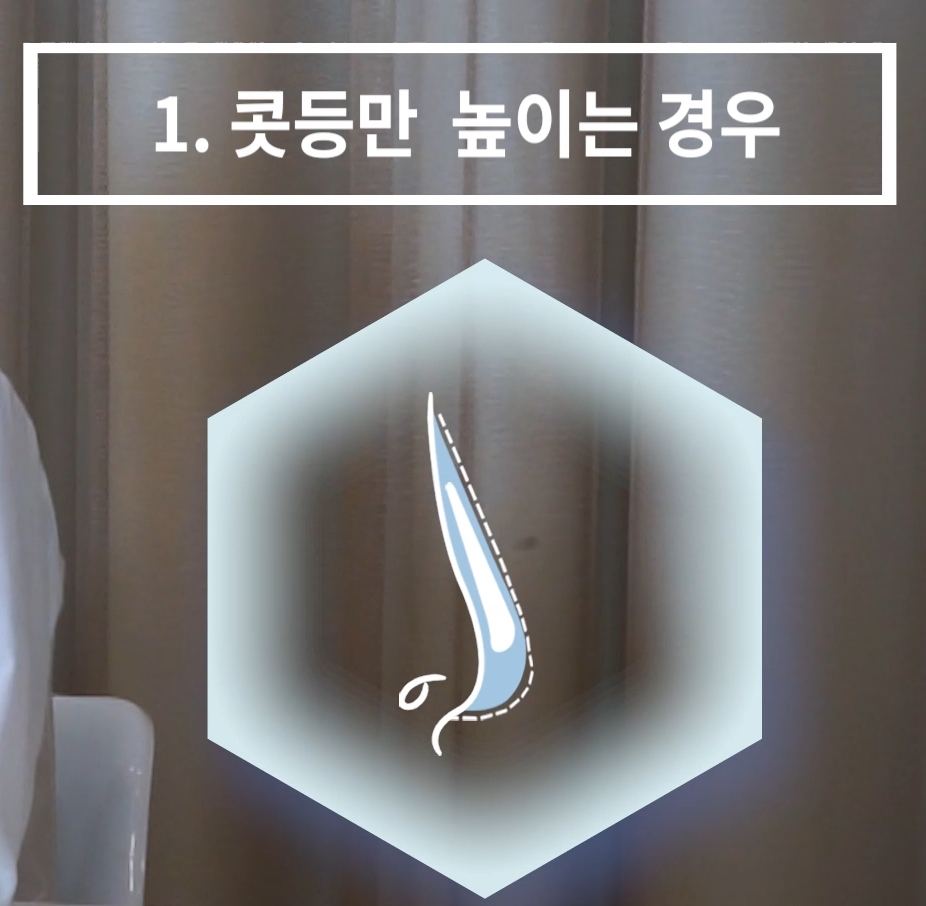
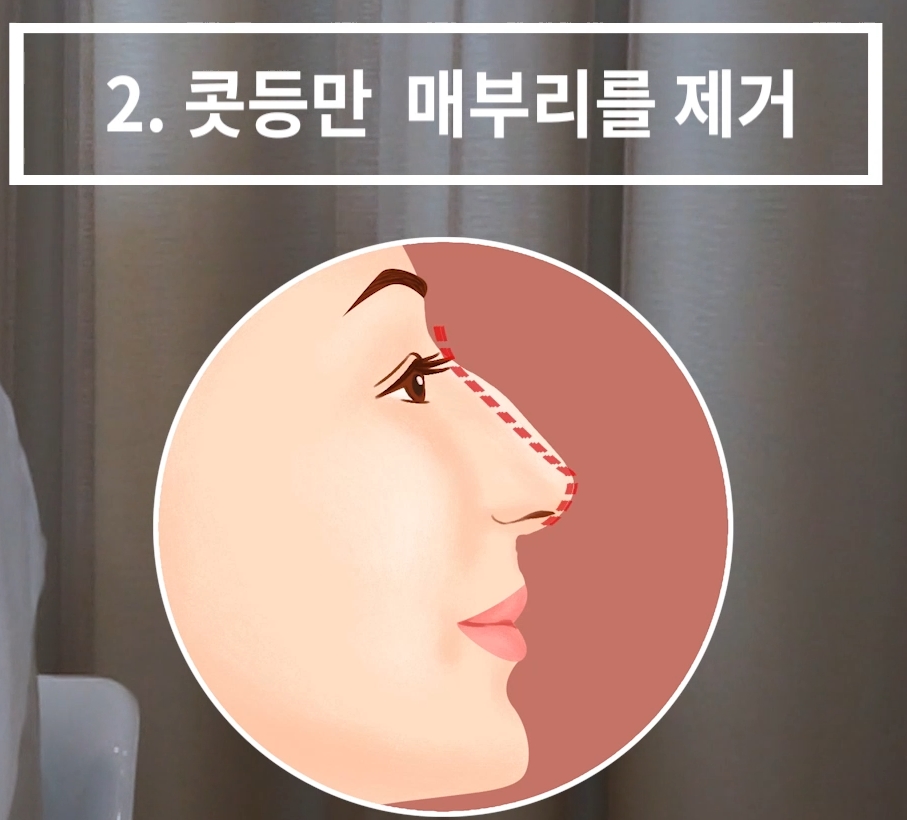
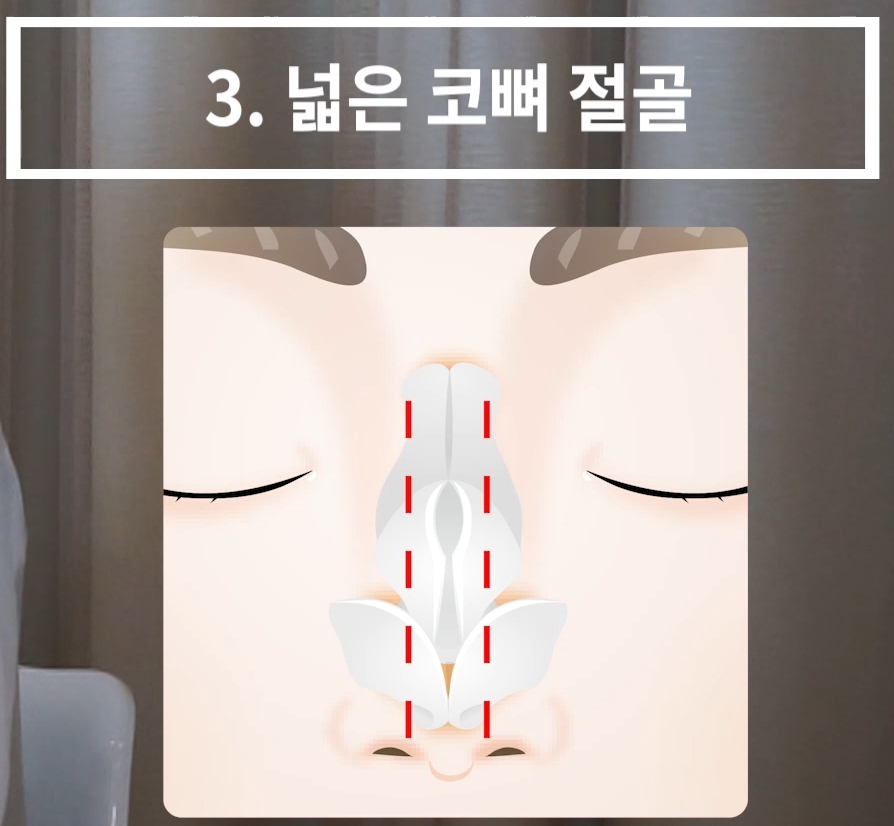
If only the bridge of the nose is operated on,
as in the cases above, without touching the tip of the nose,
then the surgery is performed with a closed approach.
Open surgical method
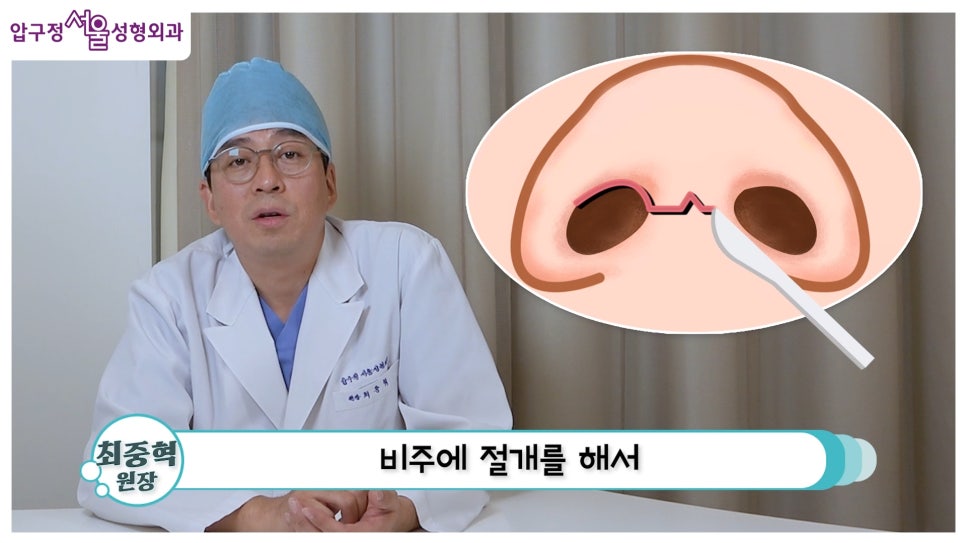
Open nose surgery involves making an incision in the columella
and fully exposing the nose.
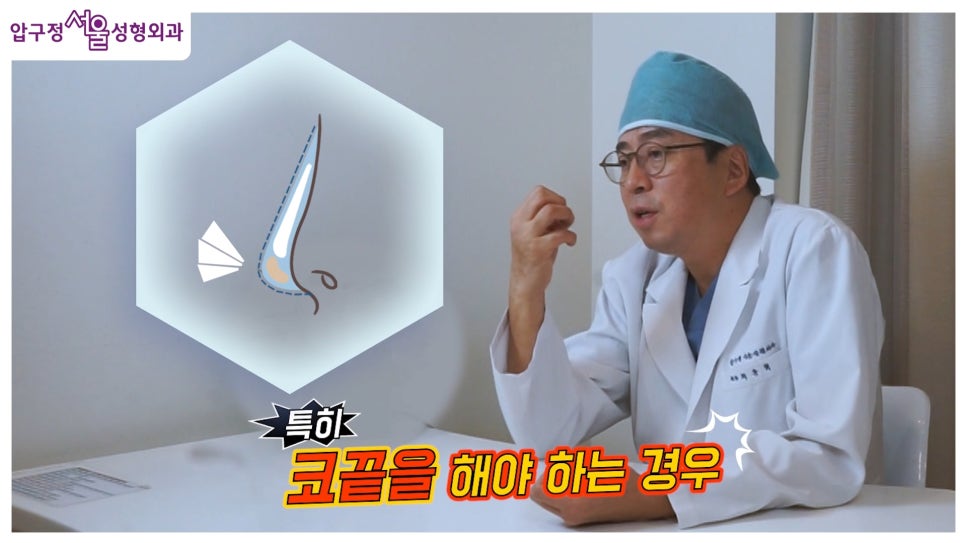
When surgery is performed with an open approach,
-
When adjusting the shape of the nasal tip, adjusting the septal cartilage, or repositioning cartilage
-
Revision surgery, asymmetry, correction of a hump nose, deviated septum
An open approach is used to perform delicate surgery,
and especially when the nasal tip needs to be addressed, open surgery is appropriate
because manipulation of the tip cartilage is limited with a closed approach.
Pros and cons of closed surgery
The biggest advantage of closed nose surgery is that
overall, it does not leave a visible scar.
Because the incision area is small, swelling and bruising
recover quickly, so you can return to daily life soon.
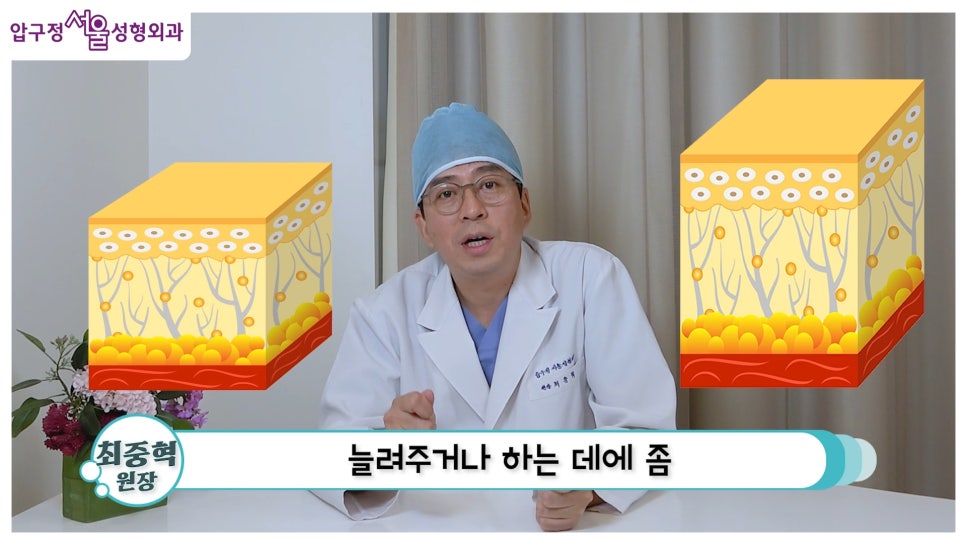
The downside of closed nose surgery is that, because the surgery is performed without opening the area,
it is difficult to directly see the inside of the nose,
which can make it inconvenient to expand tissue or perform certain adjustments,
so there are some limitations to the surgery.
Pros and cons of open surgery


The advantage of an open approach is that, because the internal structure of the nose can be seen directly during surgery,
fine cartilage manipulation and careful surgical work are possible,
and bleeding can also be controlled well.
In addition, the before-and-after difference in surgical results is often significant,
so many patients are satisfied.
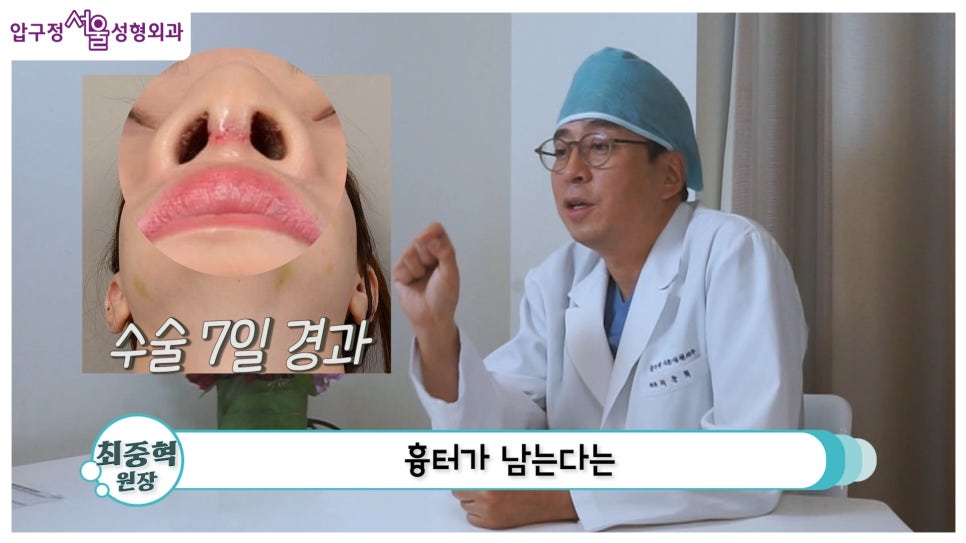
The disadvantages of open surgery are that a scar may remain on the columella,
and that the recovery period is longer than with closed surgery.
Among these, many people worry most about the possibility of a scar.
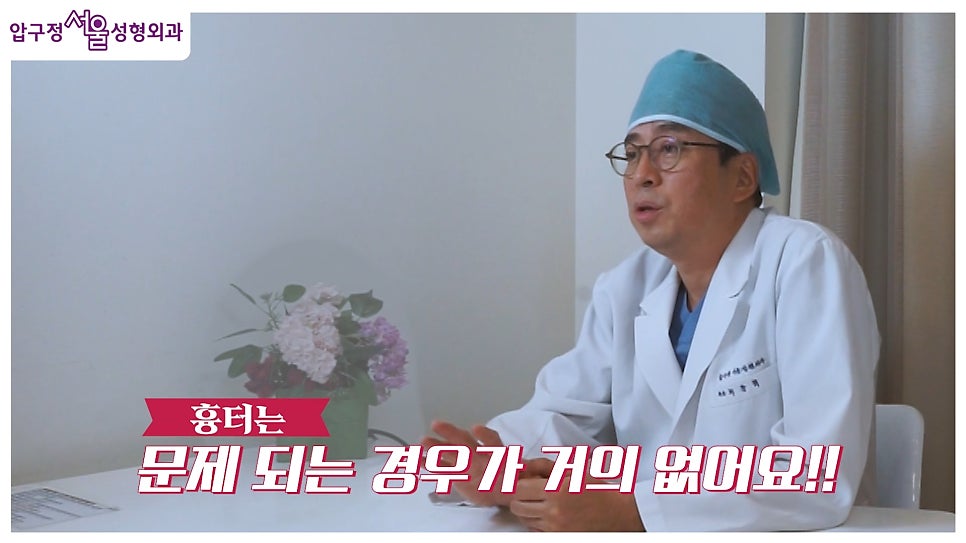
However, in actual practice, the scar is rarely a problem.
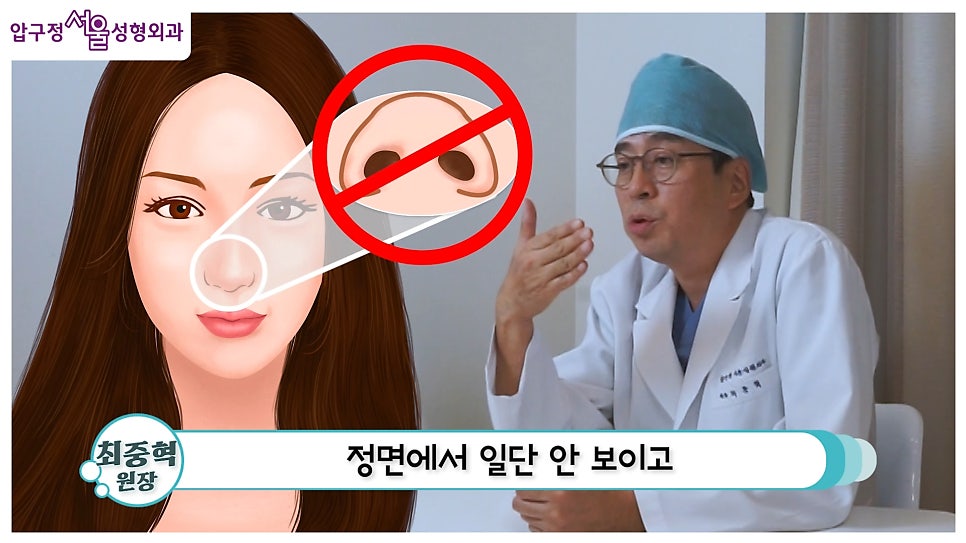
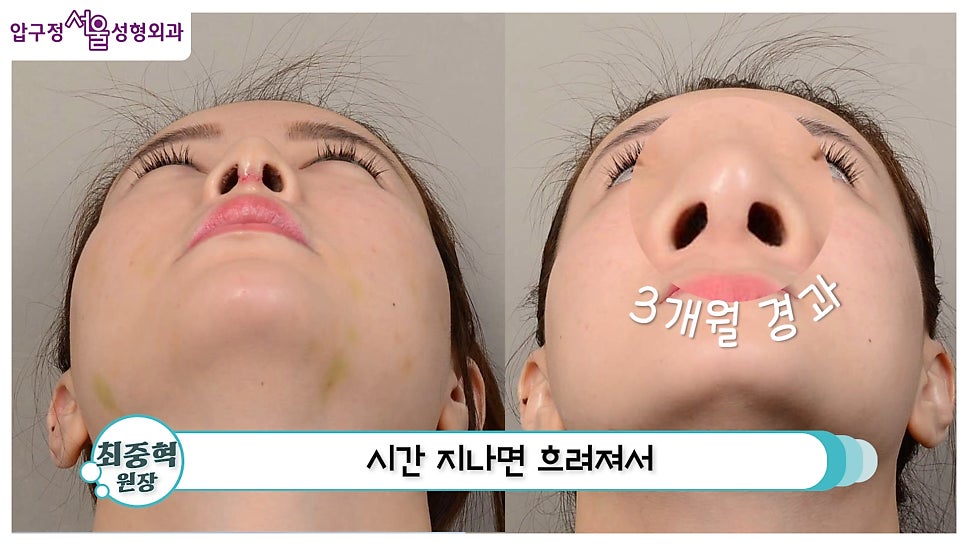
It is not visible from the front, and the incision site can only be seen when the nose is lifted.
At first, it may look like a slightly red line,
but over time it gradually fades
and becomes barely noticeable.
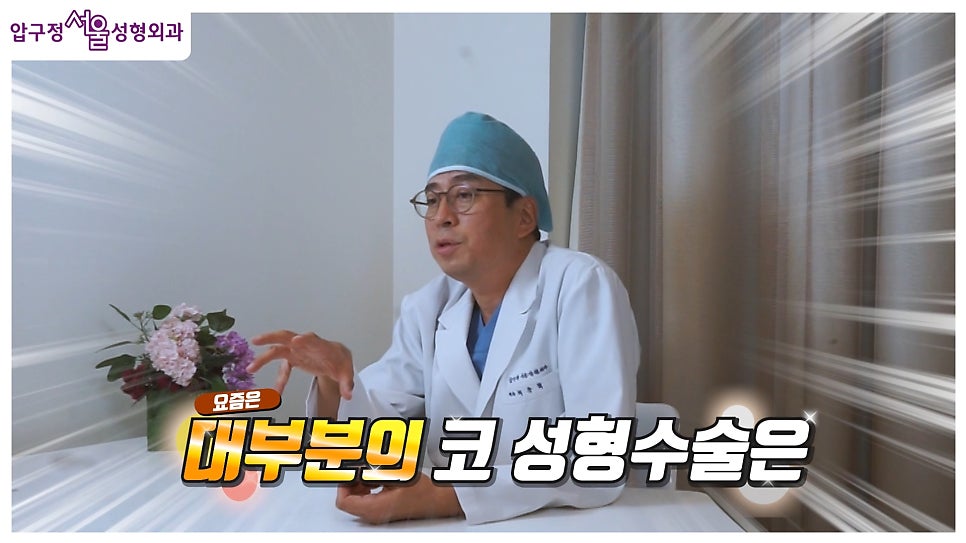
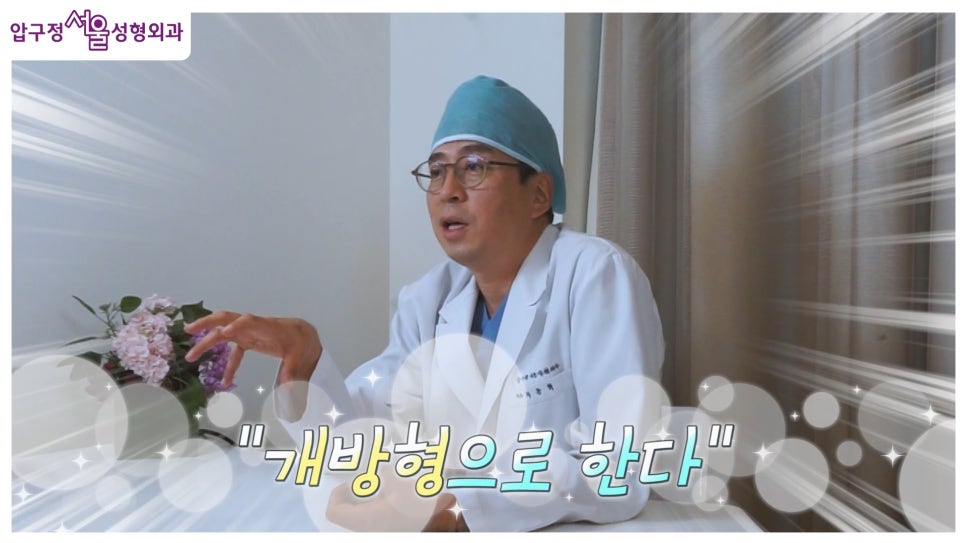
Recently, since the burden of scarring is not very high,
most nose surgeries are performed using an open approach.
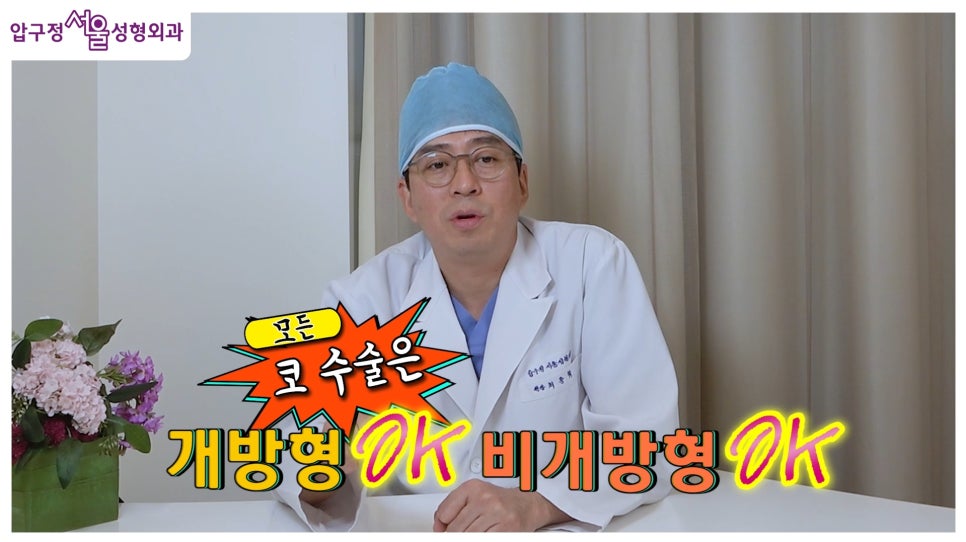
Most nose surgeries
focus on the bridge and tip of the nose,
and the surgical method can generally be chosen between open and closed approaches.
We suggest the most suitable method between the two based on the patient’s nasal condition and desired results.
Patients should also choose the surgical method by considering their own nose shape, skin condition, sensitivity to scarring, and preference for recovery time.
Nose surgery is not simply a procedure that matches a general standard of beauty.
It is a customized surgery that also considers the harmony of the individual face and function.
Therefore, there is no single fixed method for every patient,
and it is important to choose the method that best fits your current nasal condition
and the purpose of the surgery.
Through 충분한 consultation with a specialist,
carefully deciding on the surgical method that is right for you
is the first step toward achieving natural and satisfying results.
If you have any questions about nose surgery or would like a consultation,
please contact us through the reservation link below.
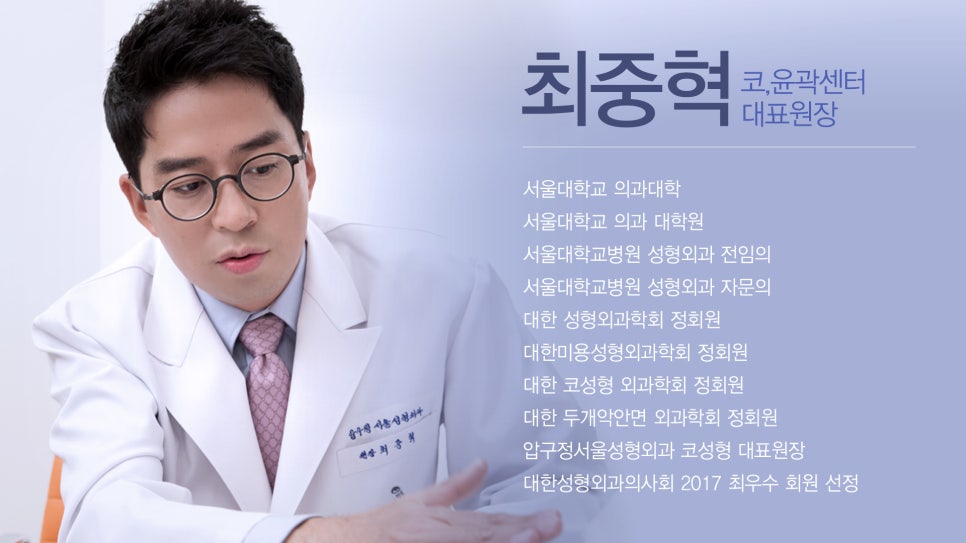
This has been Director Choi Joong-hyuk of Apgujeong Seoul Plastic Surgery.
Thank you.