Arrow Nose Correction at Apgujeong Seoul Plastic Surgery
The Truth About Self-Diagnosis and Nonsurgical Correction
Hello.
I am Dr. Choi Jung-hyuk of Apgujeong Seoul Plastic Surgery.
I have met countless people who are distressed because the tip of their nose hangs down and appears long, making their overall impression look stuffy or older. For those who have wondered every time they look in the mirror, “Could my nose be an arrow nose?” or “Is there a simple way to correct it without surgery?”, I would like to honestly explain the exact causes of an arrow nose and reliable correction methods based on clinical experience.
Could My Nose Also Be an Arrow Nose?
The Definition of an Arrow Nose and Self-Diagnosis Criteria


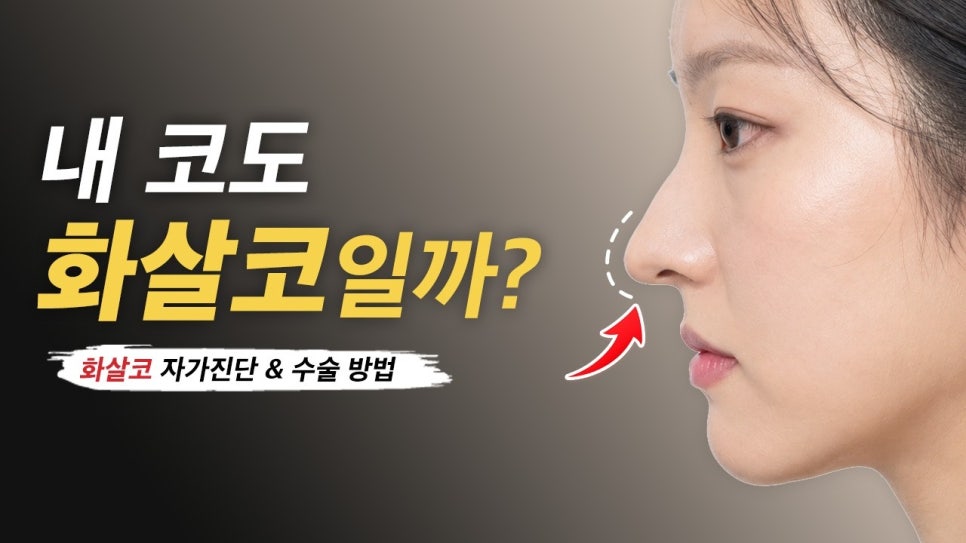
An arrow nose, medically referred to as a “long nose,” is a nose shape in which the tip hangs down and extends lengthwise, appearing like an arrowhead when viewed from the side.
Arrow noses can generally be classified into two types. The first is when the nasal tip itself extends downward, and the second is when the columella—the column of tissue between the nostrils—hangs down.
| Arrow Nose Type | Main Characteristics | Structural Cause |
|---|
| Drooping nasal tip | The nasal tip extends downward, making the face look longer | Excessive development of the alar cartilage |
| Drooping columella | The column between the nostrils extends downward | Excessive elongation of the lower part of the septal cartilage |
The underlying cause of both types is that the alar cartilage, which forms the nasal tip, is larger than normal or positioned too low. In actual clinical practice, it is also very common for patients with an arrow nose to have a dorsal hump, or a prominent bridge of the nose, at the same time.
Arrow Nose Correction Methods
-Repositioning Cartilage and Securing a Support Structure
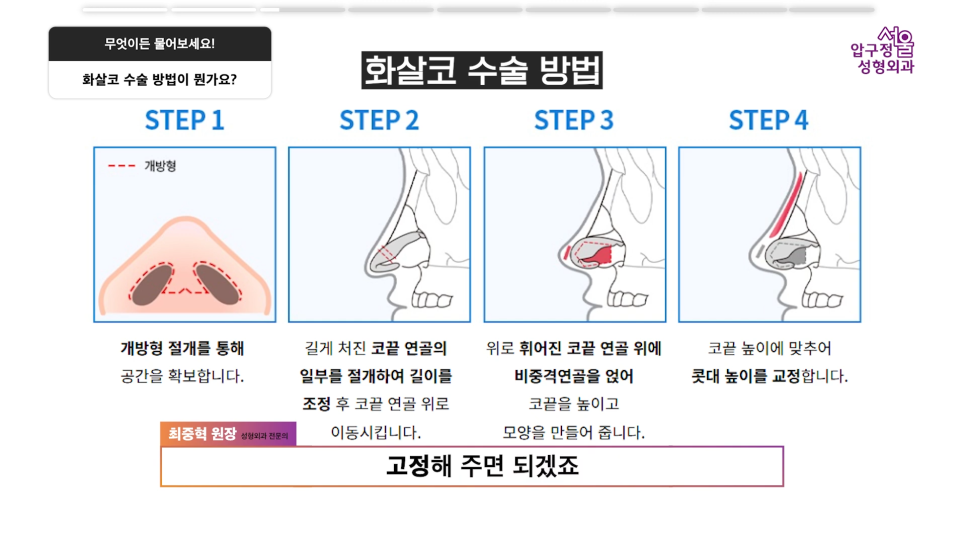
Because an arrow nose results from cartilage drooping downward, the key principle of surgery is to lift the cartilage and secure it in position. In contrast, surgery for an upturned nose fixes the cartilage lower down, while arrow nose correction moves the cartilage in the opposite direction.
- Creating and Securing a Cartilage Support Structure
A sturdy column, or support structure, is created using septal cartilage or other material, and the drooping alar cartilage is pulled upward and securely fixed in place.
- Removing Excess Cartilage and Septal Cartilage
If the cartilage itself is too large, part of its upper portion is removed. If the septum extends excessively downward, part of the lower septum is also removed.
- Removing Soft Tissue
If the skin or soft tissue around the nasal tip is thick, part of the tissue is removed directly to create a more refined shape.
Unlike standard rhinoplasty, which simply raises the bridge of the nose, arrow nose correction involves addressing an accompanying dorsal hump and performing complex cartilage repositioning, making it a relatively demanding procedure.
Can an Arrow Nose Be Corrected with
Thread Lifting or Nonsurgical Treatments?
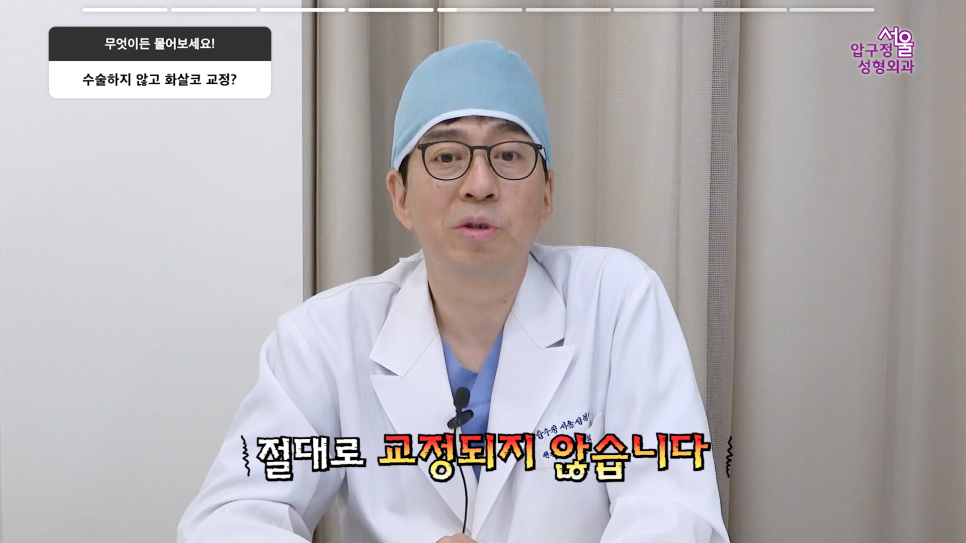
Many people who come in for consultations ask, “I am afraid of surgery. Can an arrow nose be lifted with a nonsurgical procedure involving threads?” As a board-certified plastic surgeon, I would like to state this clearly: an arrow nose cannot be corrected through nonsurgical treatments alone without surgery.
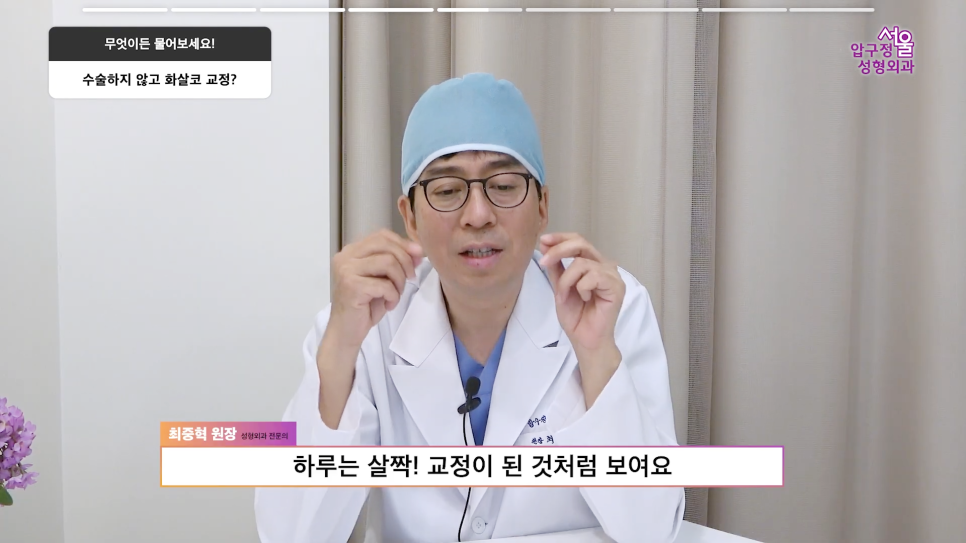
A procedure that inserts threads into the nasal tip and pulls it upward lasts only a day or two at most, and the tissue returns to its original position over time. Changing the structural position of excessively developed cartilage and the septum is possible only through surgery. Treatments without fundamental structural improvement may waste time and money, so it is important to establish an accurate surgical plan from the beginning.
Misconceptions About the Philtrum Rising and
Nostril Exposure After Arrow Nose Correction
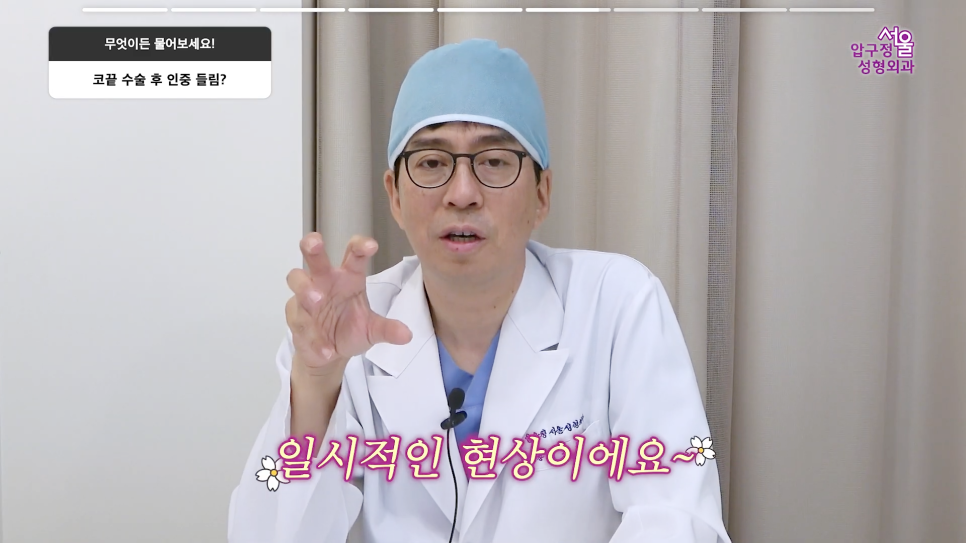
There are two questions that patients are most concerned about before surgery.
Question 1: Will my philtrum be pulled upward after surgery?
Answer: During the early stages after surgery, you may feel a pulling sensation as the nasal tip is secured upward, and it may actually appear slightly elevated. However, this is a temporary effect caused by swelling and tissue suturing. As time passes and recovery progresses, the position of the philtrum returns to normal.
Question 2: Will my nostrils become too visible?
Answer: It is rare for the nostrils to become excessively visible after arrow nose surgery. More often, the issue is that the nasal tip has not been lifted sufficiently because the correction was inadequate.
When an Arrow Nose Develops After Nasal Surgery at Another Clinic
Revision Surgery Solutions at Apgujeong Seoul Plastic Surgery
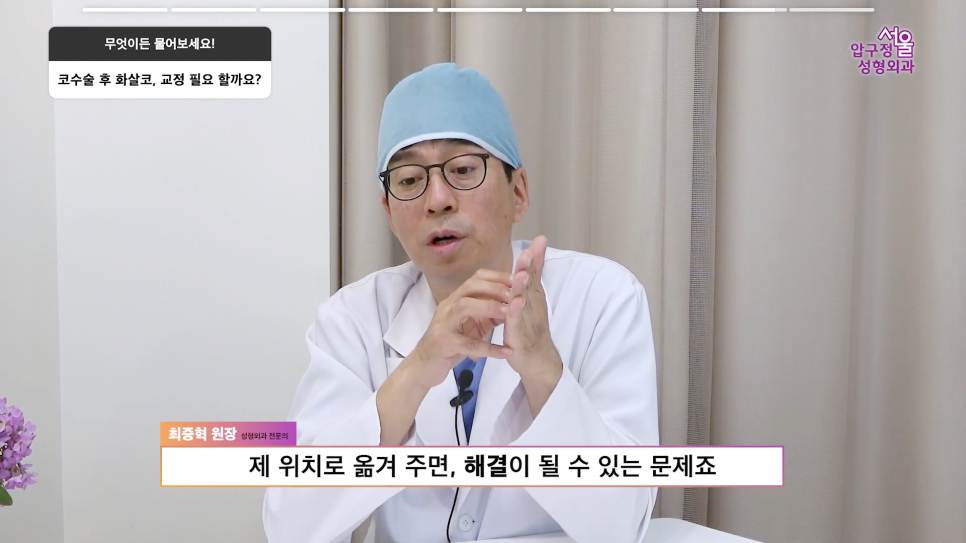
We also frequently see revision cases in which the nasal tip droops again and develops an arrow nose over time after previous nasal surgery because the support structure has weakened or its fixation has come loose.
In these cases, the fixation from the previous surgery may have been incorrect or the position of the cartilage may have become distorted. This can generally be addressed through revision surgery by repositioning the cartilage support structure correctly and securely fixing it again. Arrow nose surgery corrects the proportions of the entire face and can significantly improve the impression from both the front and side, so patients tend to report a high level of satisfaction with the procedure. We recommend receiving an accurate structural diagnosis of your nose and establishing an appropriate surgical plan.
Apgujeong Seoul Plastic Surgery comprehensively analyzes the current cartilage structure and skin thickness of the nose, the desired image, the condition of the septum, and the supporting strength of the nasal tip before explaining the surgical method appropriate for each individual.
Arrow nose surgery is not simply a procedure to lift the nasal tip; it must also take into account the proportions, three-dimensional appearance, and function of the entire face. If you are considering surgery, rather than simply looking for reviews, we recommend having a thorough consultation with a specialist to determine the method suited to you.