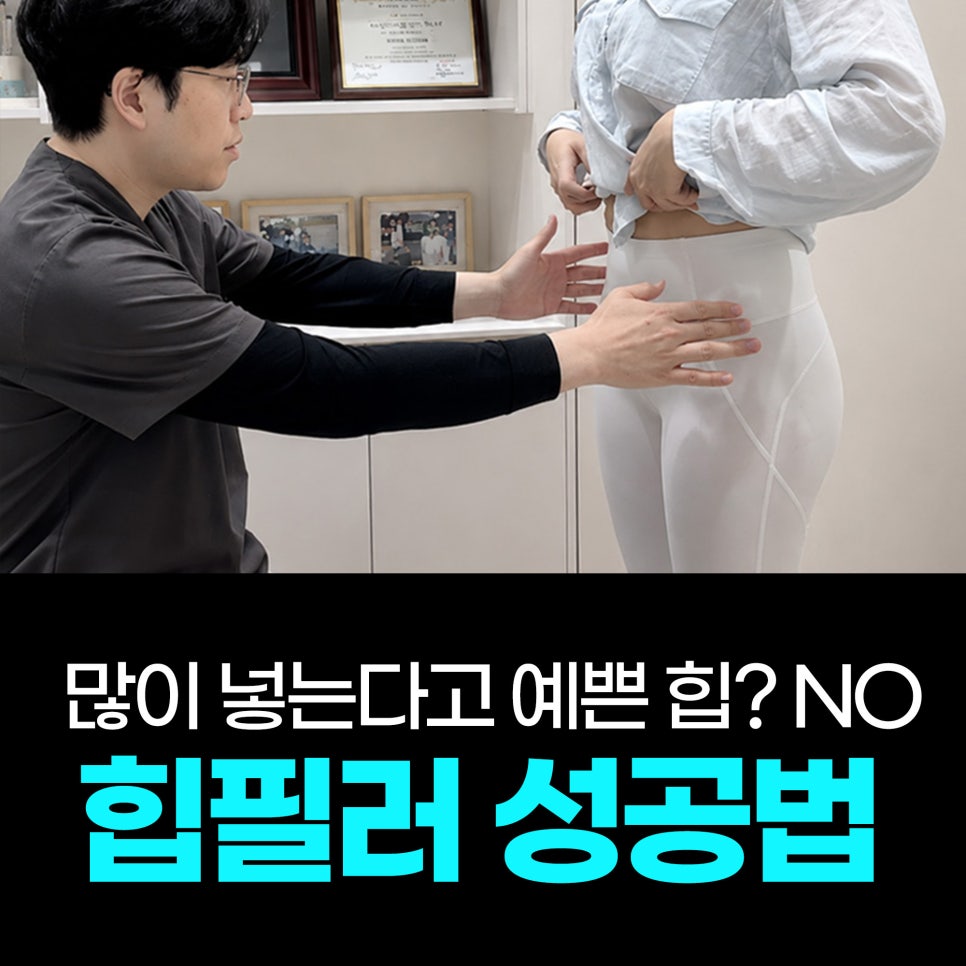
Hip dips are often influenced more by skeletal structure and muscle arrangement than by a lack of exercise. Exercise may help lift the buttocks, but it may have limitations when it comes to selectively improving indentations along the sides of the pelvis, making a design suited to your body shape important.

Approved for medical advertising review by the Korean Medical Association, No. 260601-중-213902
Hello~!
We are Jfeel Clinic,
creating your most beautiful look 🙂
Recently, when browsing social media,
you can often see comments such as:
"Isn't that a padded butt?"
"Did you get a hip filler?"
"Don't hip dips disappear with exercise?"

Why are hip fillers receiving so much attention these days?
Especially among people who work hard to manage their figures,
one area that surprisingly causes a lot of concern
is the hip dip.
Even people who have consistently done squats for years often find that their hip dips remain unchanged.


Why is that?
Today, we will explain from a medical perspective, in an easy-to-understand way, the exact causes of hip dips, the limitations of exercise, and the situations in which hip fillers may recently be considered.
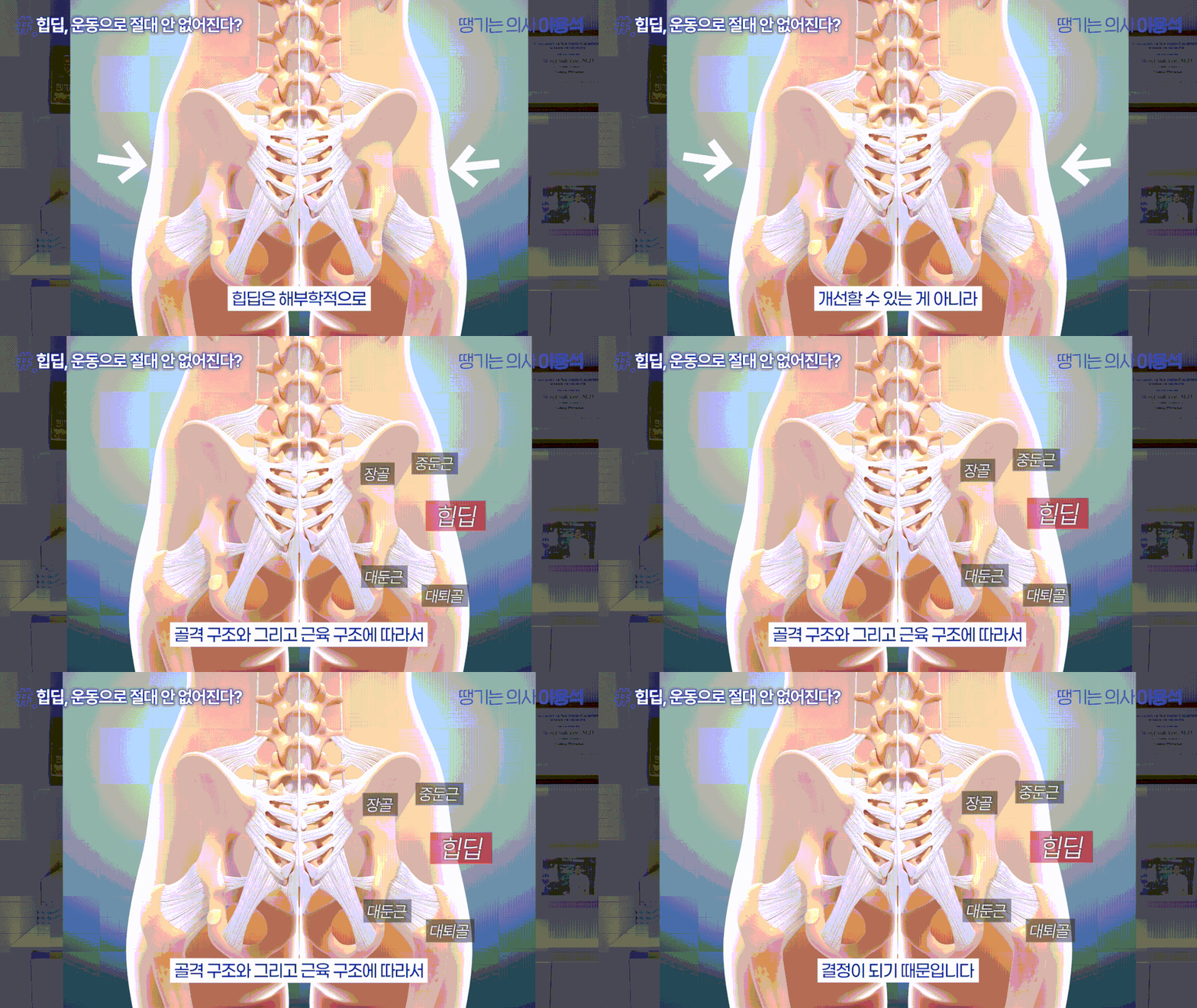
📌 First, you need to understand what hip dips are
What is a hip dip?
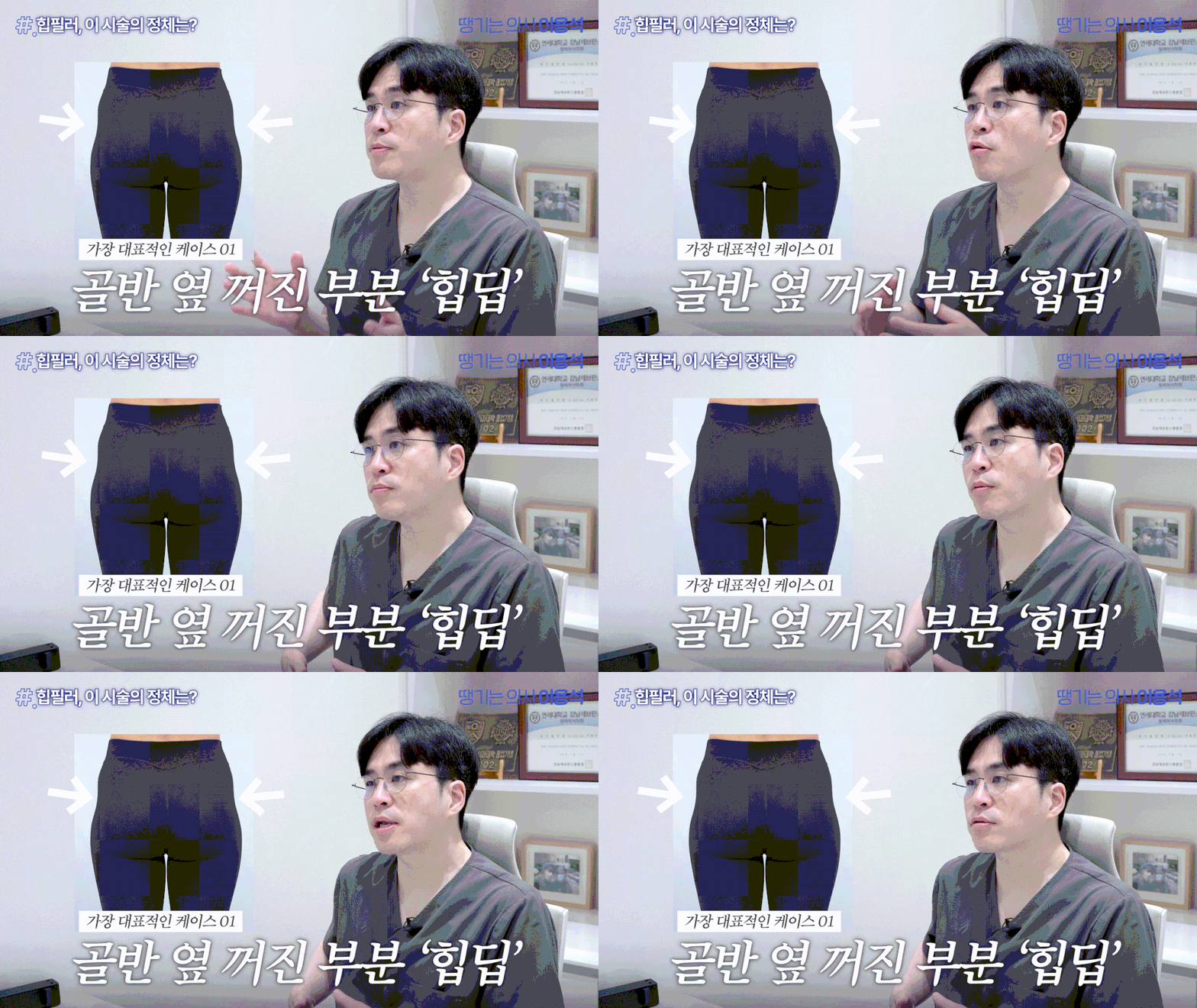
A hip dip refers to an indentation that appears along the side of the pelvis.
It is usually more noticeable when viewed from the front or at an angle,
while in some cases it may be surprisingly difficult to see from behind.
Many people visit us with concerns such as the following.
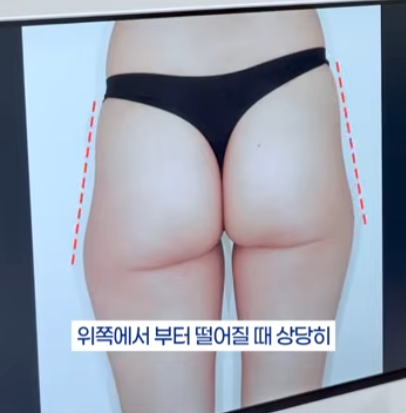
People who visit us may say that they are concerned that:
✔ Their hips look indented at the sides when wearing leggings.
✔ Their buttocks have volume, but the line appears interrupted.
✔ The transition between the waist and hips does not look natural.
🦴 Why do hip dips occur?
Many people think:
"Isn't it because there isn't enough fat?"
However, hip dips are often influenced more by anatomical structures than by body weight, including:
✔ Pelvic structure
✔ The position of the femur
✔ The attachment points of the gluteal muscles
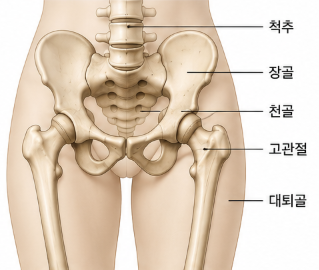
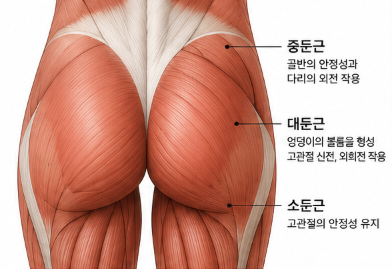
Simply put,
it is a structural contour that naturally appears depending on the location where the pelvic bone (ilium) and thighbone (femur) meet,
as well as the shape and positioning of the gluteal muscles.


Source: 2022 KBS Song Festival, ITZY Yuna / Instagram igotyuandme YUNA
Let’s explain with an example.
The same height,
the same weight,
the same body fat percentage,

A may have a smooth line along the side of the pelvis,
while B may have a visible indentation along the side of the pelvis.
This difference is not due to body weight, but to differences in skeletal structure.
ITZY Chaeryeong and Yuna
Source: Star Daily News (https://www.stardailynews.co.kr)
Source: MK Sports reporter (https://m.entertain.naver.com)
In other words,
👉 Hip dips are not a problem caused by inadequate body management.
👉 They are significantly influenced by an inborn body structure.

🏋️♀️ So, will they disappear if you do squats?
Can hip dips be improved through exercise?
This is the question we receive most often.
To give you the conclusion first,
exercise may help lift the buttocks, but it may have limitations when it comes to improving hip dips.
This is because exercise grows muscles overall.
It is difficult to selectively fill only one specific area.
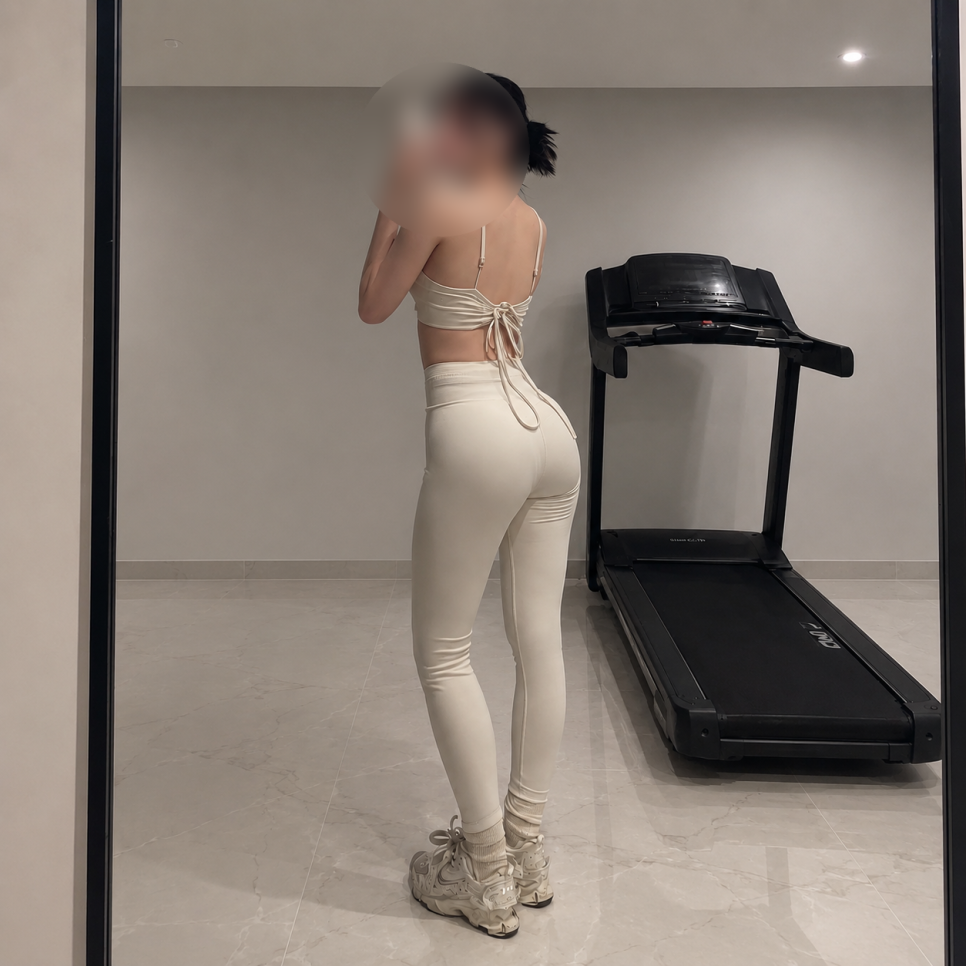
For example,
it is similar to wanting to inflate only one side of a balloon,
but the entire balloon actually becoming larger.
If you work hard at squats, you may expect:
✔ A lifting effect in the buttocks
✔ Increased firmness
✔ Increased buttock volume
However, there may be limitations when it comes to accurately filling an indentation in a specific area along the side of the pelvis.
Even people who have exercised for a long time often say:
"My buttocks have grown, but my hip dips are still there."

💡 That is why hip fillers are receiving attention
In what situations may hip fillers be considered?
Hip fillers may be considered as one way to supplement areas that are difficult to improve through exercise.
By adding volume to indented areas,
they can create a more natural transition from the waist to the pelvis,
and from the pelvis to the buttocks.
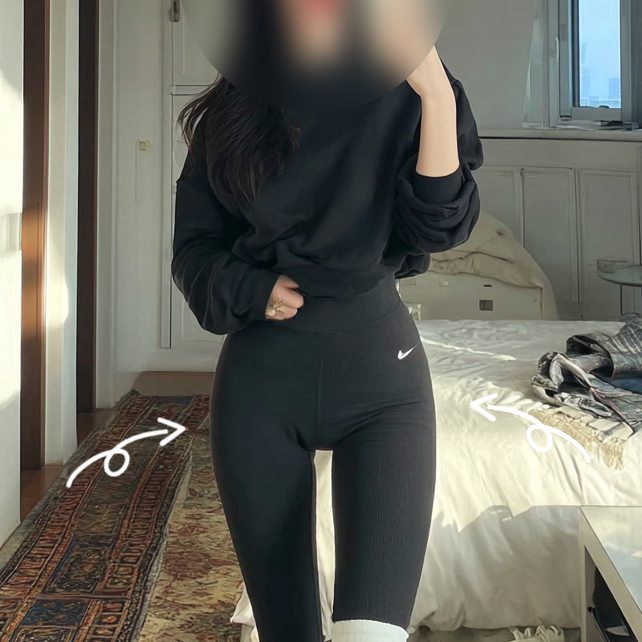
The important point is
that the purpose of a hip filler is not simply to make the buttocks larger.
Recently,
many more people want a
"smooth pelvic line"
rather than
"large buttocks."
That is why the key to the design is proportion and balance, rather than volume.

💡 Why hip fillers may be considered
- A design suited to your body shape is possible.
While exercise can help with overall muscle development,
hip fillers can be designed with a focus on the areas needed, taking into account the individual’s body shape and the form of their hip dips.
- Some people may expect relatively quick changes.
Although there are individual differences,
some people may expect relatively quick changes after the procedure,
and the results and recovery process may vary depending on the individual’s condition.
- The timing of returning to daily activities may vary from person to person.
The recovery process and timing of returning to daily activities after the procedure
may differ depending on the product used and the individual’s condition,
so it is important to follow the medical staff’s instructions for aftercare.
- A design that takes a natural body line into account is possible.
The goal is to design a natural body line suited to the individual’s body shape,
taking into account the line extending from the waist through the pelvis and to the buttocks.
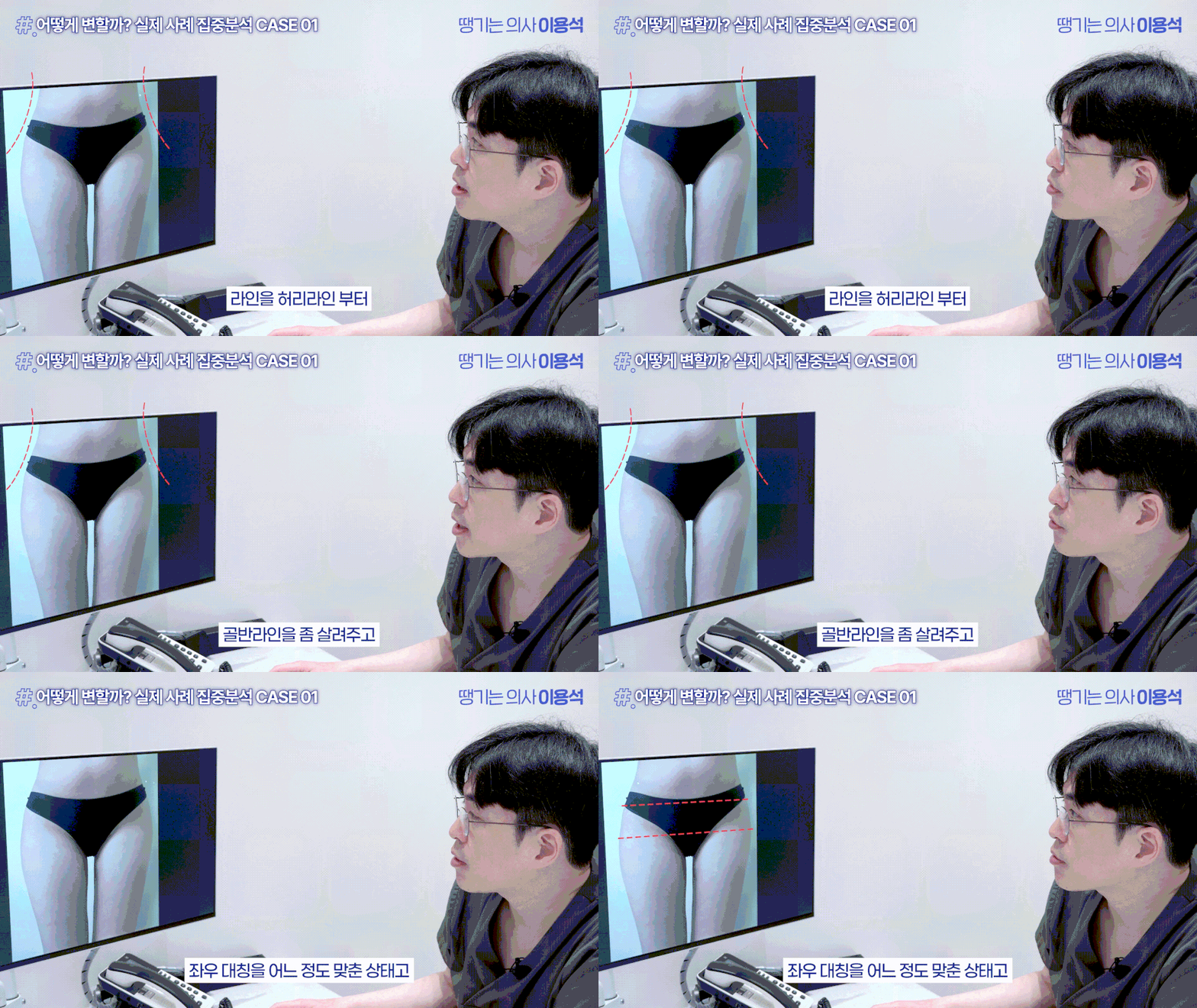
Will using more hip filler produce better results?
The answer is no.
This is because everyone has different:
✔ Pelvic width
✔ Hip dip depth
✔ Skin thickness
✔ Body shape
⚠️ More hip filler does not necessarily mean better results
Occasionally, you may see cases on social media that pursue excessive volume.
However, from a medical professional’s perspective, the most important question is not
how much filler was used,
but how naturally it was designed.
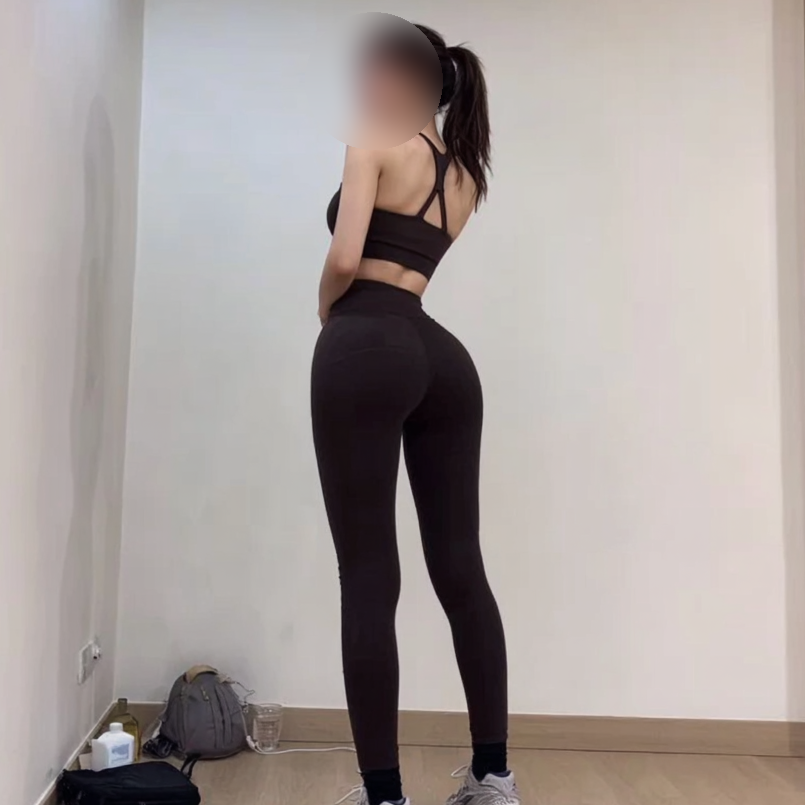
This is because everyone has different:
✔ Pelvic width
✔ Buttock size
✔ Hip dip depth
✔ Skin thickness
✔ Body shape
Even when the same amount is used, the results can be completely different.
That is why sufficient consultation and the design process are especially important.

If you are considering a hip filler, also check the following points.
People considering hip fillers often have questions about the following as well:
The difference between hip fillers and fat grafting
How long hip fillers last
Precautions after a hip filler procedure
When exercise can be resumed
Which method is suitable for my body shape
These points may vary depending on the individual’s condition, so it is best to confirm them through a thorough consultation.
HIP-UP
Selectively enhancing the areas you want
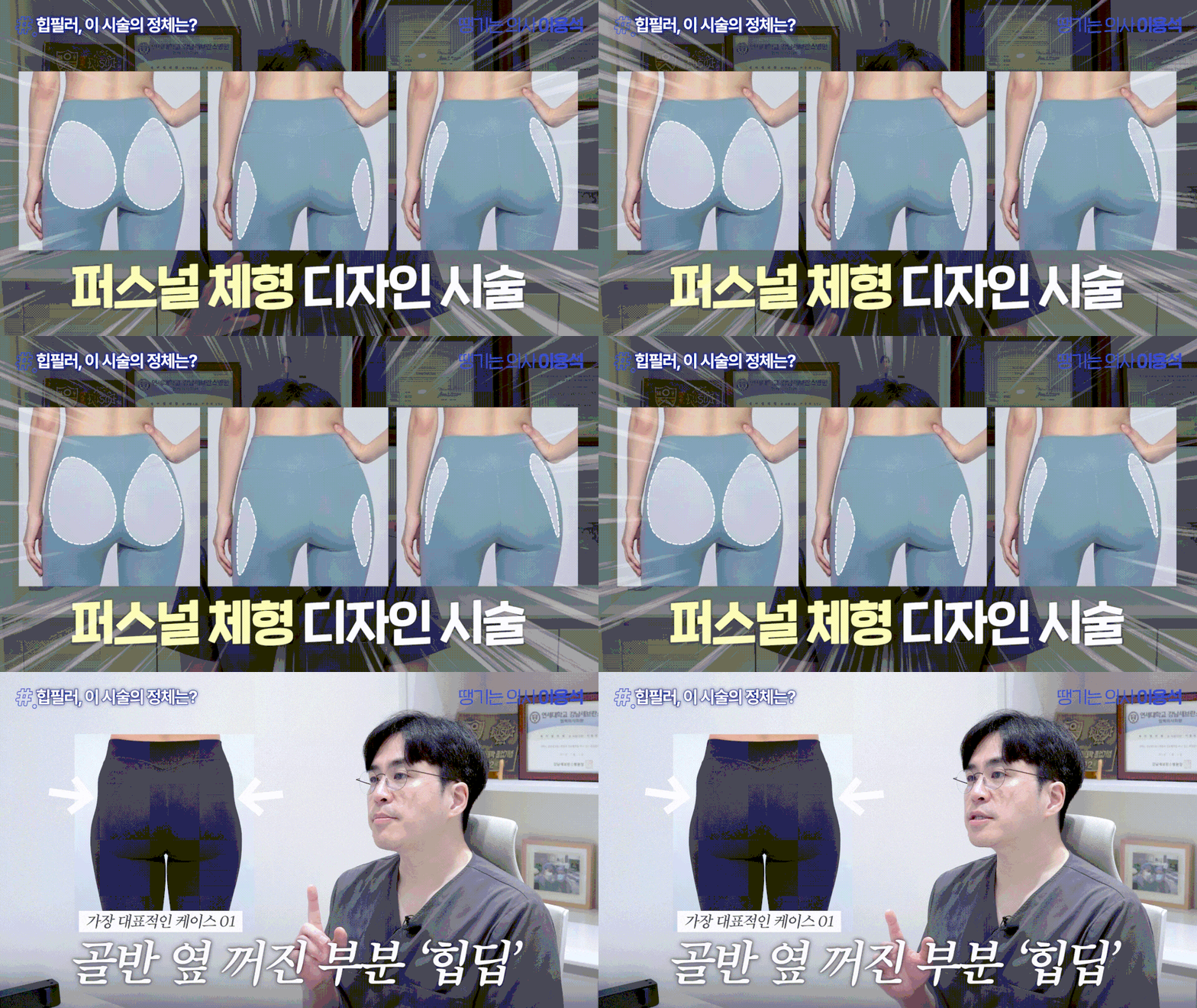
Hip-dip fillers are designed according to the individual’s body shape, so natural-looking volume may be expected.

Overall volume, upper volume, outer volume, inner volume, asymmetrical hips, hip-dip line
📝 Let’s summarize
Hip dips are not simply a problem caused by a lack of fat.
They are, in most cases, a natural physical characteristic that appears due to skeletal structure and muscle arrangement.
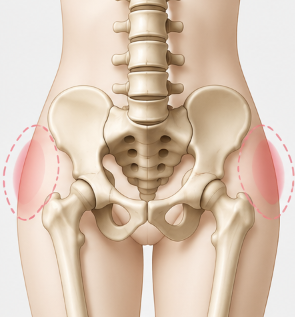
Therefore, squats and hip exercises may help increase buttock volume,
but they may have limitations when it comes to supplementing indentations along the side of the pelvis.
For this reason, hip fillers may also be considered in cases where improvement through exercise alone is difficult.
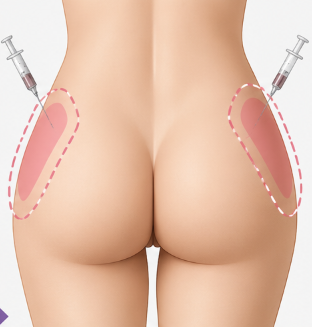
What is important is not simply creating volume,
but creating a natural line suited to the individual’s body shape and proportions.
Jfeel does not simply inject filler.
We analyze skeletal structure and body balance
and focus on designing a more natural and harmonious line.

Frequently Asked Questions (FAQ)
Q. Is a hip filler a procedure I can have instead of exercising?
Exercise and hip fillers may have different purposes.
Exercise may help with overall muscle development,
while hip fillers may be considered as one way to supplement volume that is lacking depending on the body shape.
Q. Who are hip fillers suitable for?
If you are concerned about your pelvic line because of hip dips,
or if it is difficult to achieve the desired improvement in your line through exercise alone,
you can confirm your suitability through a consultation.
Q. Is more hip filler better?
The amount and design needed may vary depending on the individual’s skeletal structure and body shape,
so it is important to establish a plan after a thorough consultation.
Q. What is the difference between a hip filler and fat grafting?
The materials used and characteristics of the two procedures differ,
so it is important to choose a method suited to your body shape and goals.
Q. When can I exercise after a hip filler?
Aftercare instructions may vary depending on the product used and the individual’s condition,
so it is best to follow the medical staff’s guidance.
To summarize the key points once again:
✔ Hip dips are not caused solely by a lack of exercise.
✔ They are often influenced by skeletal structure and muscle arrangement.
✔ Exercise may help lift the buttocks, but it may have limitations when it comes to improving hip dips.
✔ With hip fillers, a design suited to the body shape is more important than simply using a large amount.
If you feel that your frontal or pelvic line is lacking because of hip dips,
we recommend finding out through a professional consultation which method is most suitable for your body shape 😊

✅Everything About Hip-Dip Fillers✅
Jfeel Clinic
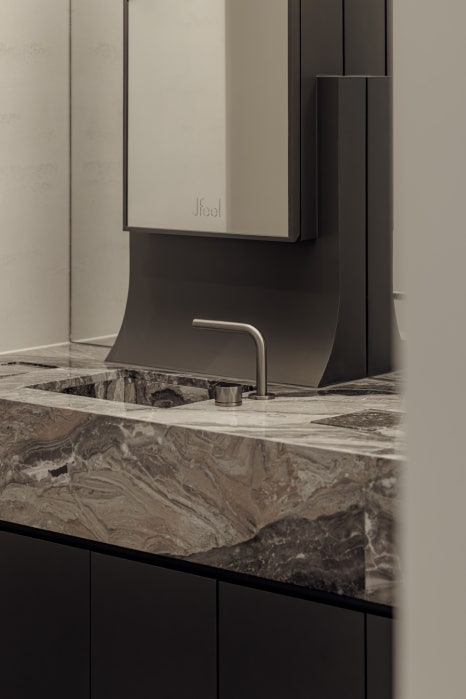
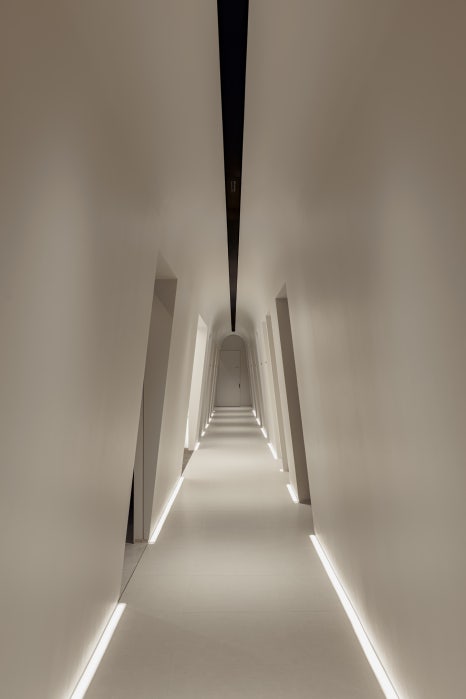
Private treatment spaces
Jfeel operates private spaces so that consultations and procedures—from consultation and design to treatment—can take place in a more comfortable environment. 😊
Some people initially worry, "Won’t it be a little embarrassing?"
However, because consultations and procedures take place in a private space,
some people may feel more comfortable depending on their individual preferences.

Jfeel considers it important not simply to fill hip dips,
but to design natural volume and a pelvic line while taking each individual’s body shape and proportions into account.
Rather than excessive volume, we focus on a hip line that suits your body best.
That is the direction Jfeel envisions for hip fillers. 🍑
All procedures may produce different results depending on the individual’s skin condition and treatment design.
If you have any questions before the procedure or need a consultation,
please feel free to contact Jfeel Clinic at any time!
Let’s create your most beautiful look together with Jfeel today 💕
👉 Right now
Consultation and appointment inquiries
☎ 02-533-0060
📍 Gangnam Branch: B1, Starplex Building, 438 Gangnam-daero, Gangnam-gu, Seoul
📍 Hongdae Branch: Floors 5 and 7, Mirae Plaza, 166 Yanghwa-ro, Mapo-gu, Seoul
📍 Gangbyeon Branch: 3rd floor, Burger King Building, 466 Achasan-ro, Gwangjin-gu, Seoul
👉 If you found today’s post helpful, please like and share! 😊
👉 If you have more questions, schedule a consultation! ❤️