Pelvic filler is not simply a procedure to add volume. It is a treatment designed to shape the pelvic and hip lines while taking body shape and skeletal structure into account. Let’s take an objective look at its longevity, whether the filler shifts downward, possible side effects, and aftercare.

Will Pelvic Filler Really Shift Downward?
Hello.
This is 제이필의원, where we pursue the most beautiful-looking results.
People searching for pelvic filler tend to have similar questions.
Will pelvic filler shift downward over time?
How long does pelvic filler last?
What side effects can pelvic filler cause?
What is the difference between hip dip filler and pelvic filler?
In this post, we will objectively explain the longevity of pelvic filler, the possibility of it shifting downward, possible side effects, and aftercare.

What Is Pelvic Filler?
Pelvic filler is not a procedure that widens the pelvic bones.
It involves injecting a body-specific filler into areas that appear to lack volume, such as the side lines of the pelvis or hip dips, to help create a more natural-looking line from the waist through the pelvis, hips, and thighs.
Many people consider a consultation when they have concerns such as the following:
The side lines of the pelvis appear sunken
Hip dips are prominent
The transition between the waist and pelvis does not look natural
Hip dips are difficult to improve even after exercising
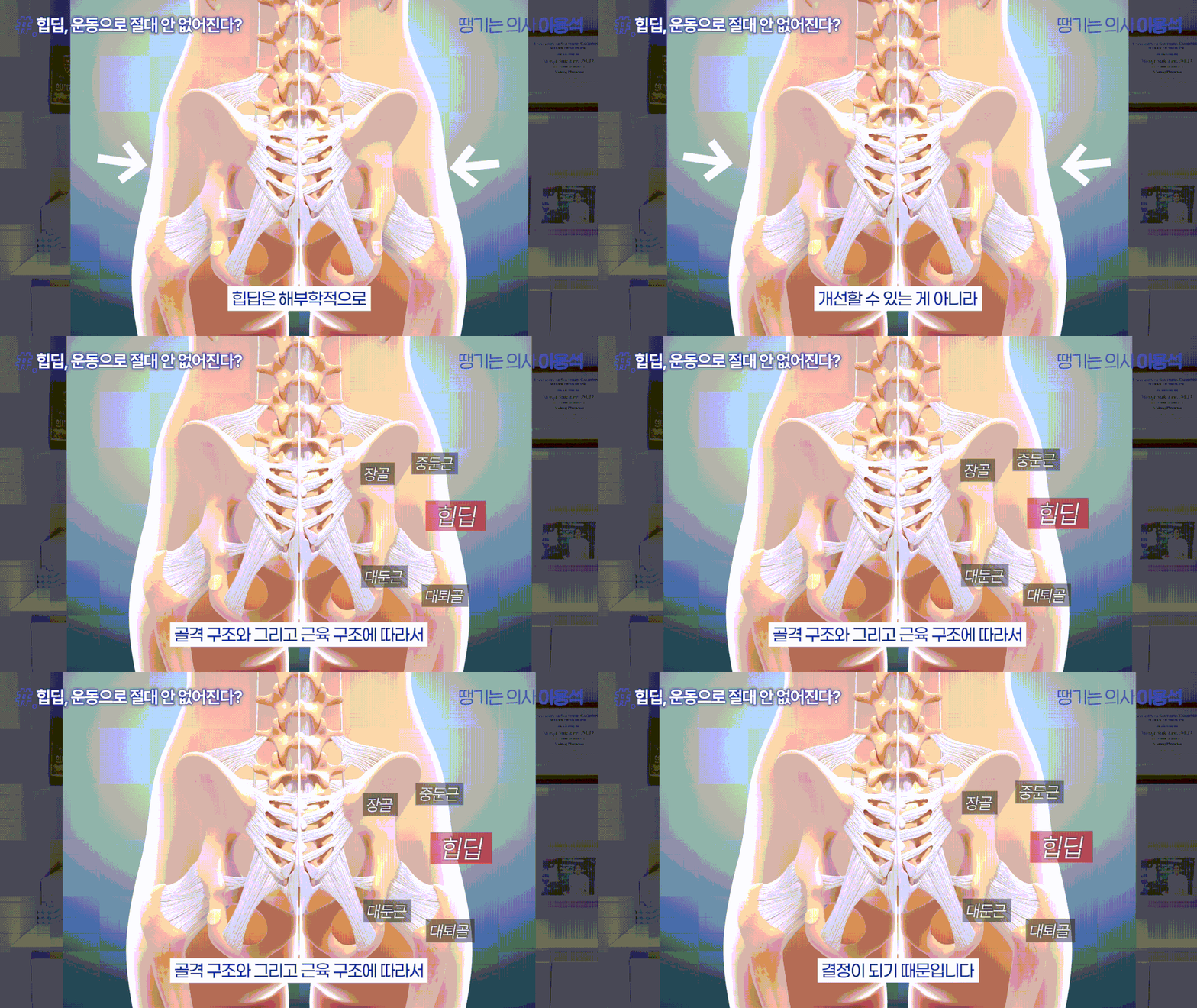
Why Hip Dips Can Be Difficult to Improve Through Exercise Alone
Hip dips are not caused solely by a lack of muscle.
Various anatomical factors, including pelvic shape, muscle attachment points, and fat distribution, may all play a role.
Therefore, even with consistent exercise, the indentation along the side of the pelvis may remain. In such cases, some people consider consulting about pelvic filler or hip dip filler.

Will Pelvic Filler Really Shift Downward?
This is the question we hear most often during pelvic filler consultations.
Starting with the conclusion:
Filler does not flow downward like a liquid.
However, the shape may change over time in the following situations:
The filler was injected into an inappropriate layer
An excessive amount was concentrated in one area
The characteristics of the filler used were not suitable for the treatment area
The area was subjected to strong pressure or repeated stimulation immediately after the procedure
In these situations, the filler may appear to spread, or the lines may change.

The Most Important Factor in Pelvic Filler Is Design.
The pelvis is an area subject to more movement and pressure than the face.
This is because it is continuously affected by daily activities such as walking, sitting, exercising, and sleeping positions.
Therefore, with pelvic filler, the following may be more important than how much filler is injected:
Which layer it is injected into
In which direction it is injected
Where it is injected
How much is distributed across the area
Design that takes both body shape and skeletal structure into account also plays an important role in creating the overall silhouette.
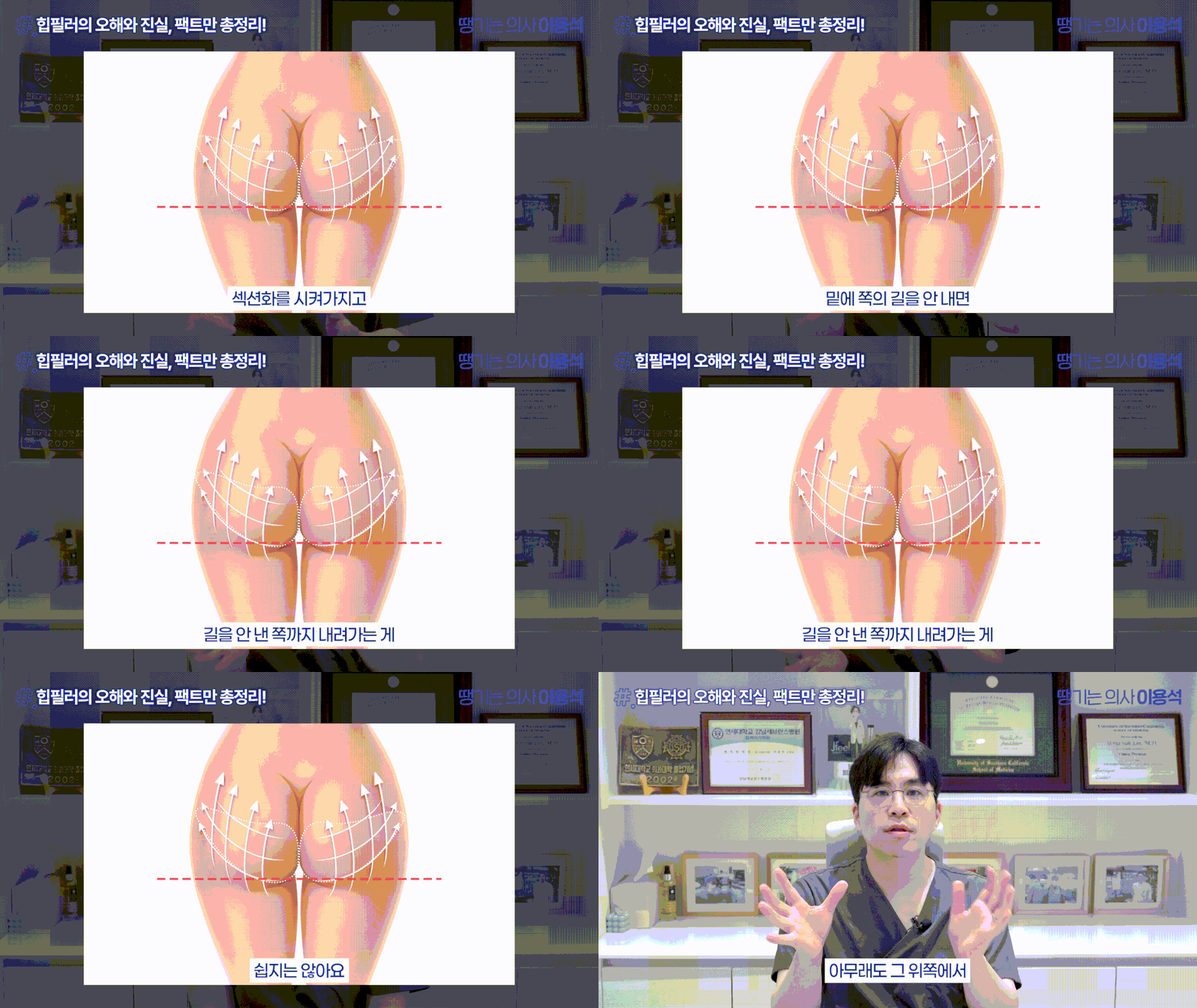
Why the First Procedure Is Important
The initial design is important for pelvic filler.
If excessive volume is created from the beginning or filler is concentrated in one area, the lines may appear unnatural over time.
Conversely, injecting the appropriate amount into the appropriate layer while focusing on the areas that need it may help create more natural-looking lines.

How Long Does Pelvic Filler Last?
The duration of pelvic filler varies from person to person.
The main factors that affect it include:
The type of filler used
The amount injected
The individual’s metabolic rate
Amount of exercise
Lifestyle habits
The degree of pressure on the treatment area
Body-specific fillers often use larger particles and products with higher viscosity than fillers used on the face, so they are generally known to last relatively longer.
Although there are individual differences, cases in which the results last for two to three years or longer have also been reported.
However, filler may gradually be absorbed or lose volume over time, so its duration can vary depending on the individual’s condition.

What Side Effects Can Pelvic Filler Cause?
The following symptoms may temporarily occur after pelvic filler, depending on the individual:
Swelling
Bruising
Tenderness
A sore or tight feeling
A sensation of a foreign object
Some people also have concerns about the following:
An uneven texture
Asymmetry between the left and right sides
An unnatural amount of volume
Lines that appear wider than expected
These aspects may vary depending on the individual’s body shape, treatment area, injection site, and other factors. Therefore, it is important to develop a treatment plan after a thorough consultation.

What Is Important to Prevent Pelvic Filler from Spreading?
For natural-looking results, both the design before the procedure and aftercare afterward are important.
Before the procedure, it is helpful to plan while considering the following together:
The side lines of the pelvis
Hip dips
The transition to the thighs
Skin thickness
Amount of fat
Desired volume
It is also important to create a balanced design suited to the individual’s body shape rather than placing a large amount in one area.
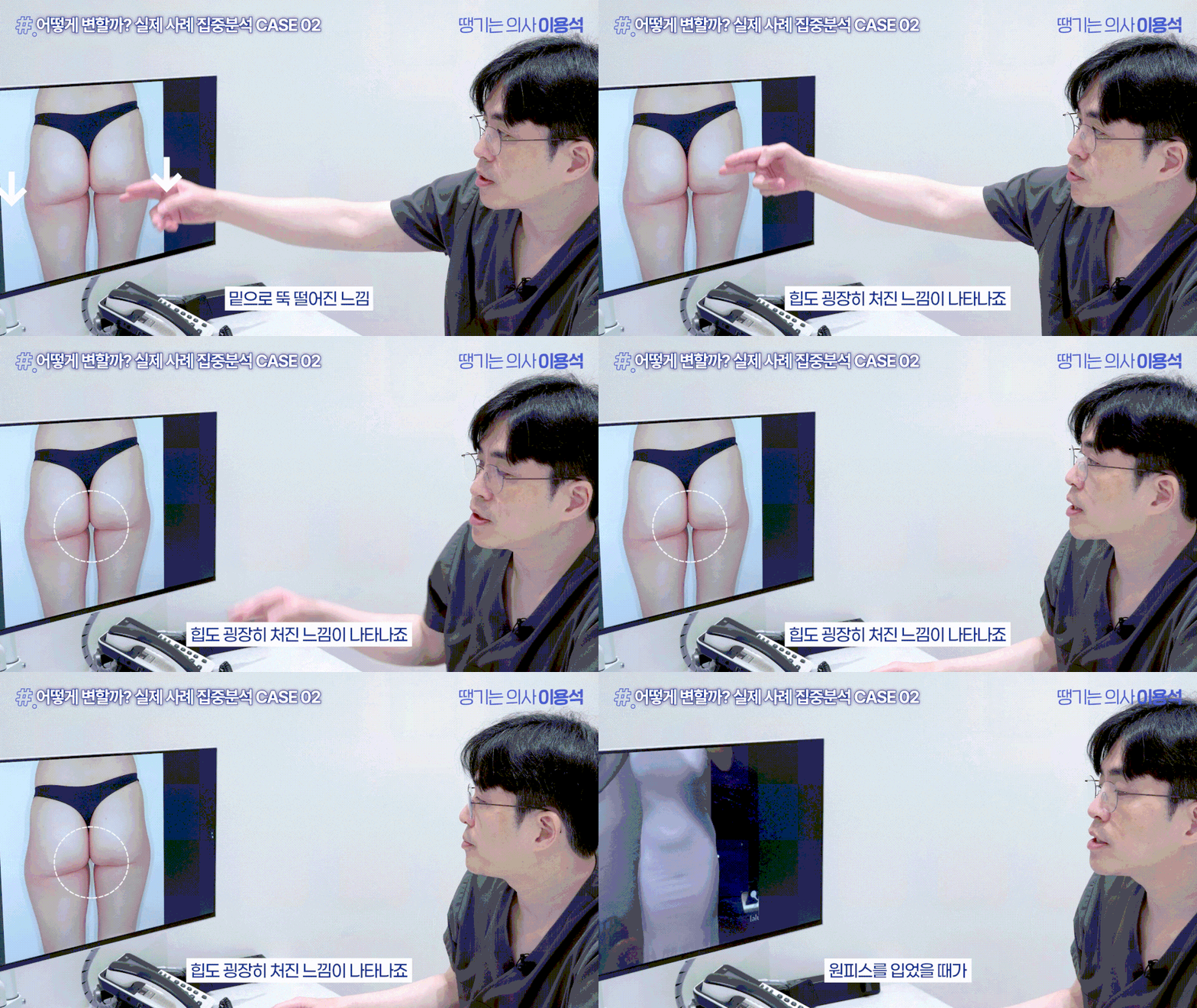
Aftercare following pelvic filler is also important.
After the procedure, it is advisable to follow the precautions provided by the medical staff for a certain period.
For example, the following may require caution for a certain period:
Strong massage
Prolonged pressure
Saunas
High-intensity exercise
Wearing tight clothing
The precautions may vary depending on the treatment area and individual condition, so it is advisable to follow the medical staff’s instructions.

Can I Sit After Pelvic Filler?
This is a question many people have.
Regular daily activities may be possible, but immediately after the procedure, it is advisable to avoid positions that place continuous pressure on the treatment area.
In particular, the following may require caution for a certain period:
Leaning to one side while sitting for a long time
Positions that put pressure on the side of the pelvis
Positions that strongly compress the back of the area
Specific aftercare methods may vary depending on the treatment area and individual condition.

Design Is More Important Than Longevity for Pelvic Filler.
Pelvic filler is not simply a procedure involving the injection of a large amount of filler.
Considering the overall balance from the pelvis through the hips and thighs when creating the design may be an important factor in achieving natural-looking body lines.
It can also be helpful to consider the following together when planning satisfactory results, rather than focusing only on longevity:
The characteristics of the product used
Injection site
Design
Aftercare
Individual body shape

Pelvic Filler FAQ
Q. Will pelvic filler shift downward over time?
Filler does not flow downward like a liquid. However, the shape may change depending on the treatment method, injection site, and the individual’s lifestyle habits.
Q. How long does pelvic filler last?
It varies depending on the product used and individual differences. In some cases, it may last for two to three years or longer.
Q. Are hip dip filler and pelvic filler the same procedure?
The purpose and design may be similar in some cases, but the treatment area and design plan may vary depending on the individual’s body shape.
Q. When can I exercise after pelvic filler?
The timing for resuming exercise may vary depending on the treatment area and individual condition, so it is advisable to follow the medical staff’s instructions.