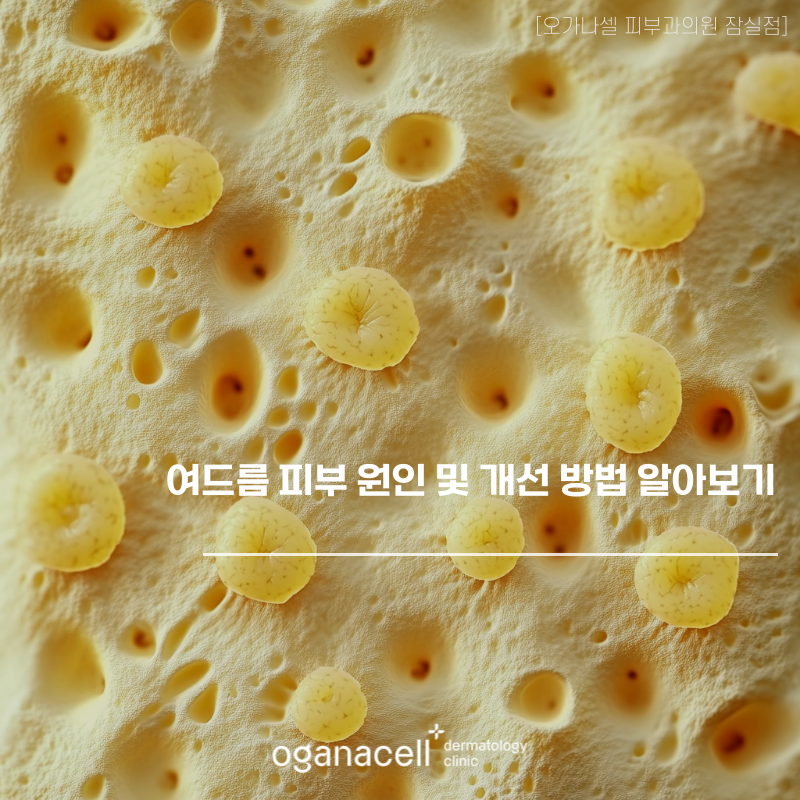
Acne-Prone Skin Causes
The timing and severity of acne can vary from person to person, but most people have experienced it at least once.
You may think of it as a temporary phenomenon of puberty, but acne is a skin condition.
In particular, cases that continue into adulthood are becoming more common, so an accurate understanding and proper care are needed.
What is acne?
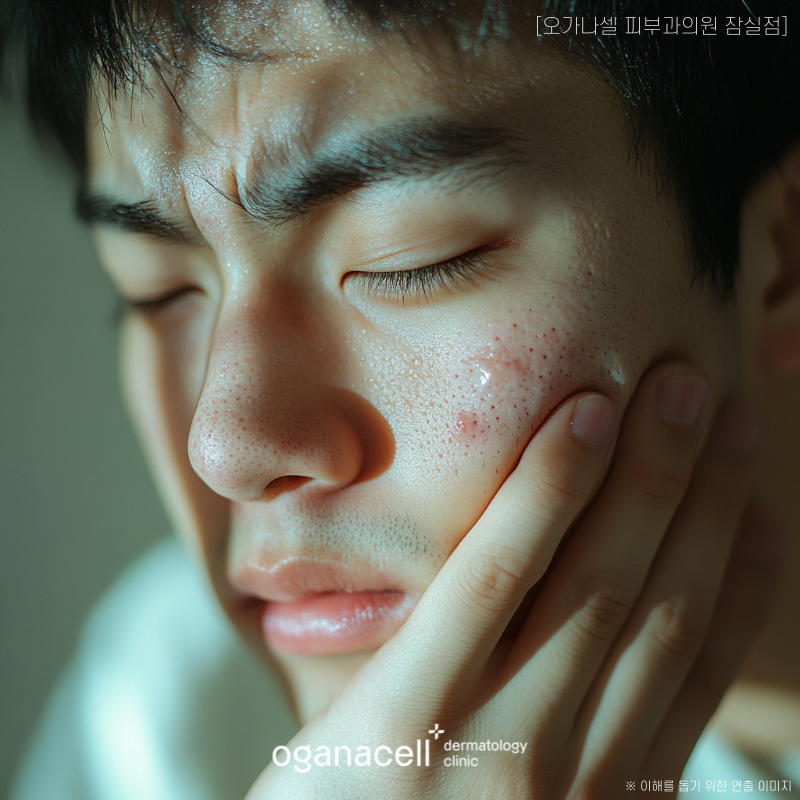
Acne is a chronic inflammatory condition that mainly appears in areas with many sebaceous glands, such as the face, chest, and back.
When the oily sebum produced by the sebaceous glands in the skin cannot be discharged through the pores and builds up, inflammation occurs.
Acne is not just a simple skin problem and requires care.
Why does acne occur?
There is not just one cause of acne.
Multiple factors work together.
It also appears differently in each person.
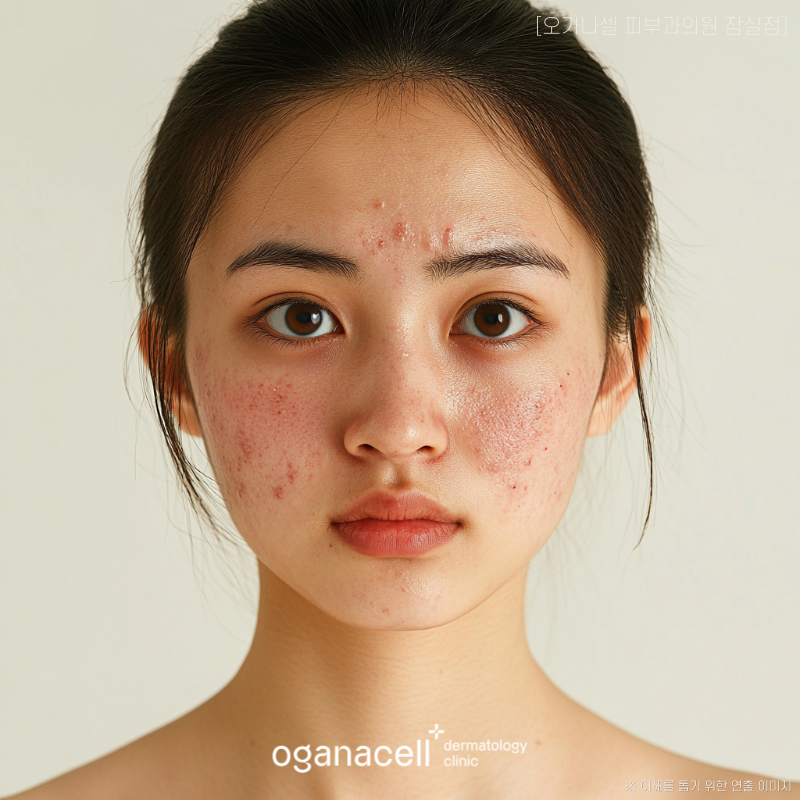
When sebum is secreted excessively, pores can easily become blocked, and in puberty or in women, sebum secretion may increase according to the menstrual cycle, which can be a cause.
When dead skin cells are not cleared and build up, they block the opening of the pore, preventing sebum from being discharged, and comedones — that is, blackheads or whiteheads — can form.
What symptoms appear?
Symptoms can also vary depending on each person's skin type, acne type, and the time of onset.
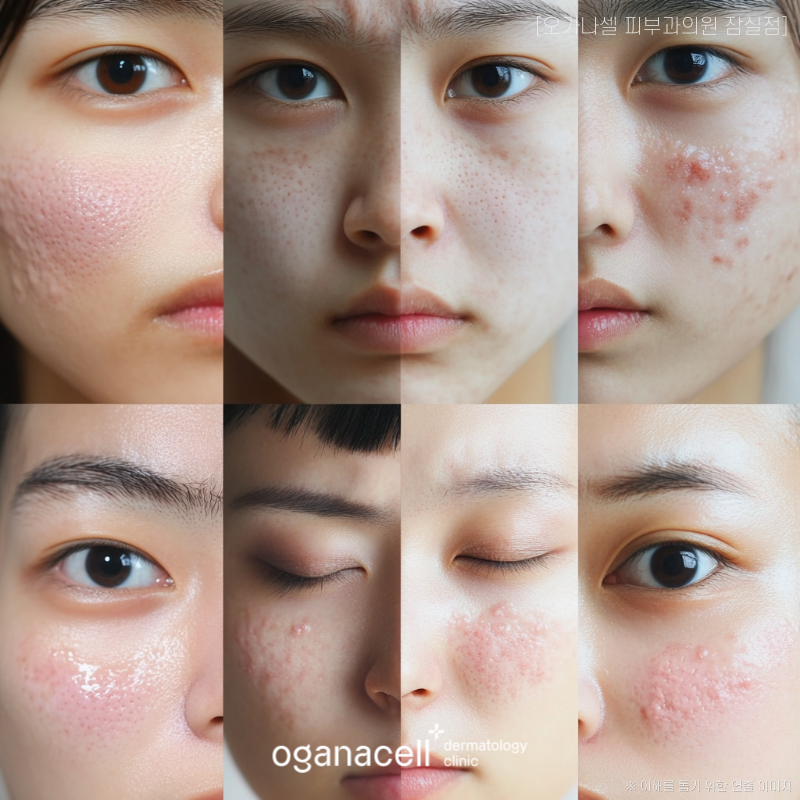
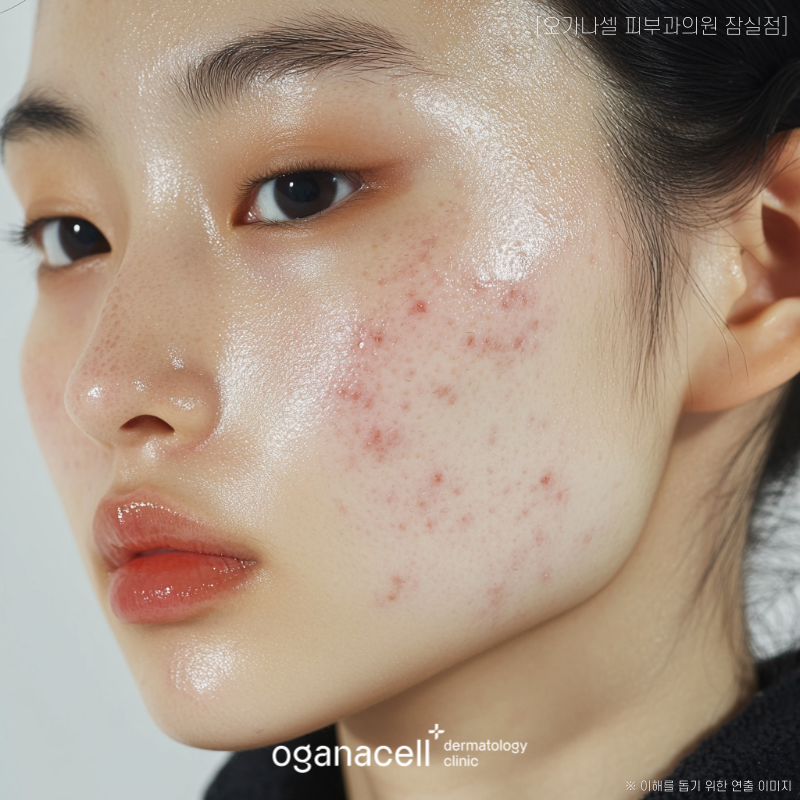
In the early stages, non-inflammatory lesions such as small pimples, blackheads, and whiteheads are visible.
As it progresses, it can worsen into inflammatory acne such as red, painful pustules and nodules, and in severe cases, acne scars or pigmentation may remain.
How is it diagnosed?
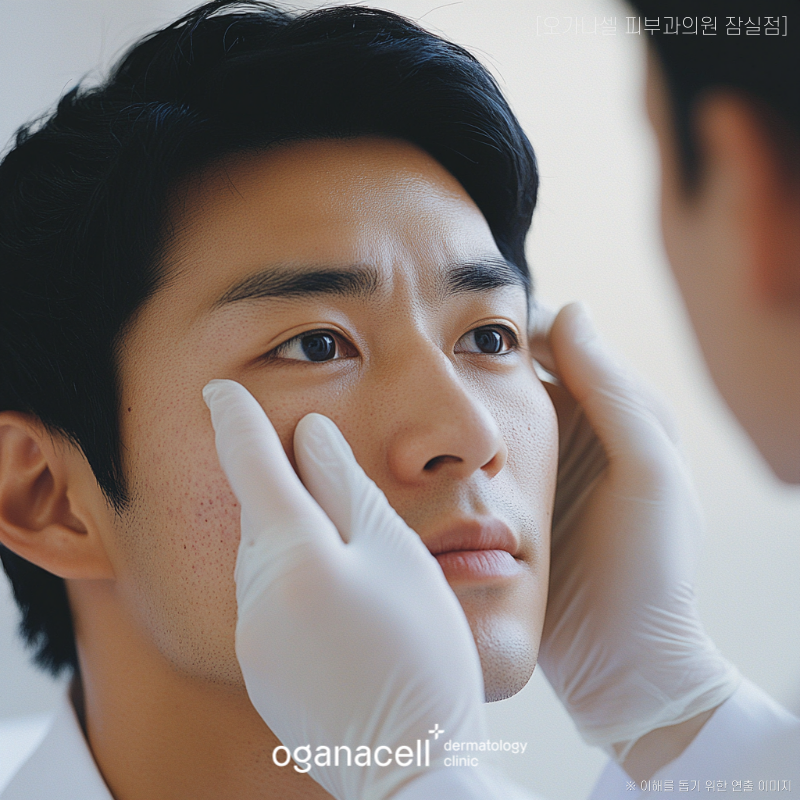
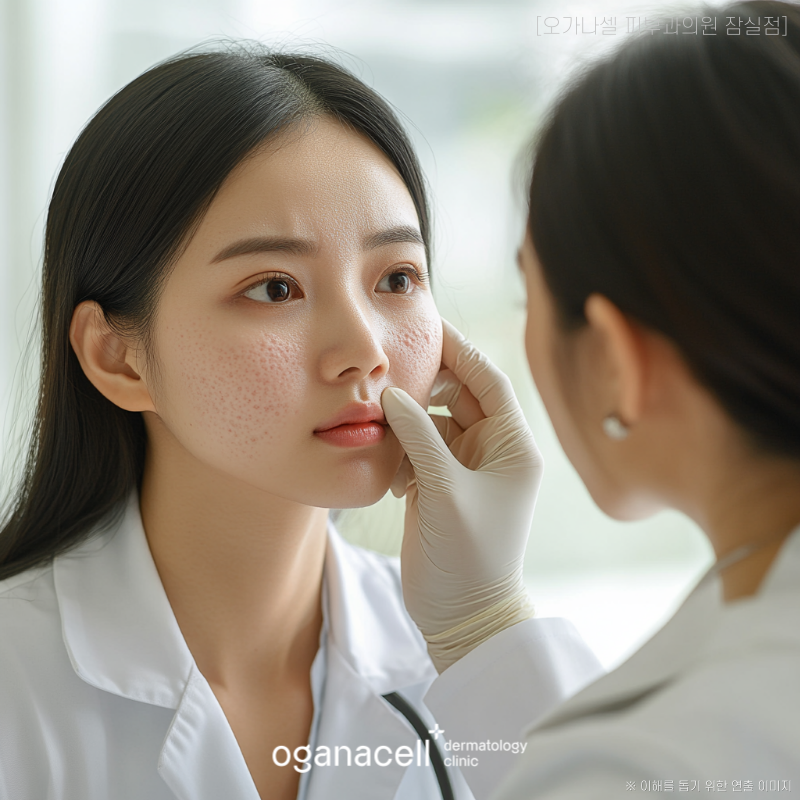
It can usually be diagnosed after a visual examination.
The type, extent, and presence of inflammation of the acne are evaluated
and a care plan is determined. If necessary, hormone tests or counseling about lifestyle habits may also be included.
Above all, we recommend managing your skin in a way that matches its acne condition.
How can acne be improved?
Start with basic daily care.
Wash your face gently twice a day without irritation; washing too often or rubbing too hard can actually make it worse.
We also recommend non-irritating makeup products, and avoid squeezing acne or touching it with your hands.
Getting enough sleep, managing stress, and maintaining healthy eating habits can also help.
If inflammatory acne is left untreated, scarring and pigmentation may occur, so please be careful.
The Jamsil branch of Onaga Cell Dermatology Clinic is located inside the Medical Center on the 11th floor of Lotte World Tower.
It is a 5-minute walk from Exit 1 of Jamsil Station.
Thank you^^
Concept images and videos to help understand acne-prone skin
#acneproneskin #acnecauses #causesofacneproneskin