Why Seasonal Skin Care Methods Matter
Why should skin care methods change by season?
In Korea, where all four seasons are distinct, external environmental factors such as temperature, humidity,
UV rays, and air pollution change significantly from season to season.
Because these changes directly affect the skin’s moisture level, sebum production,
and barrier function,
paying a little more attention to seasonal skin care can help maintain skin health.
Spring skin care,
protecting the skin barrier from fine dust and allergens
Spring is a time when external irritants such as fine dust, yellow dust, and pollen
become more common in the air.
These foreign substances can remain on the skin’s surface, clog pores, or
cause inflammatory reactions, so care is needed.
Double cleansing, using a mildly acidic cleanser, and incorporating antioxidant ingredients
may help depending on your skin type.

Summer skin care,
the importance of sebum control and pore care
When temperatures and humidity rise, as they do in summer,
sebum production increases and sweat becomes more abundant, which can easily clog pores
and lead to breakouts such as acne or pimples.
A lightweight, low-oil moisturizing cream, dead skin cell care, and especially
the thorough use of sunscreen are recommended.

Autumn skin care
managing temperature swings and skin condition
In autumn, skin can easily become sensitive due to large day-night temperature differences,
and moisture loss can progress quickly.
During this period, the key is to use products that are gentle and highly moisturizing
to care for the skin’s basic condition.
In particular, as it is a time to restore skin that has been tired from summer,
care suited to your individual skin condition may be needed.
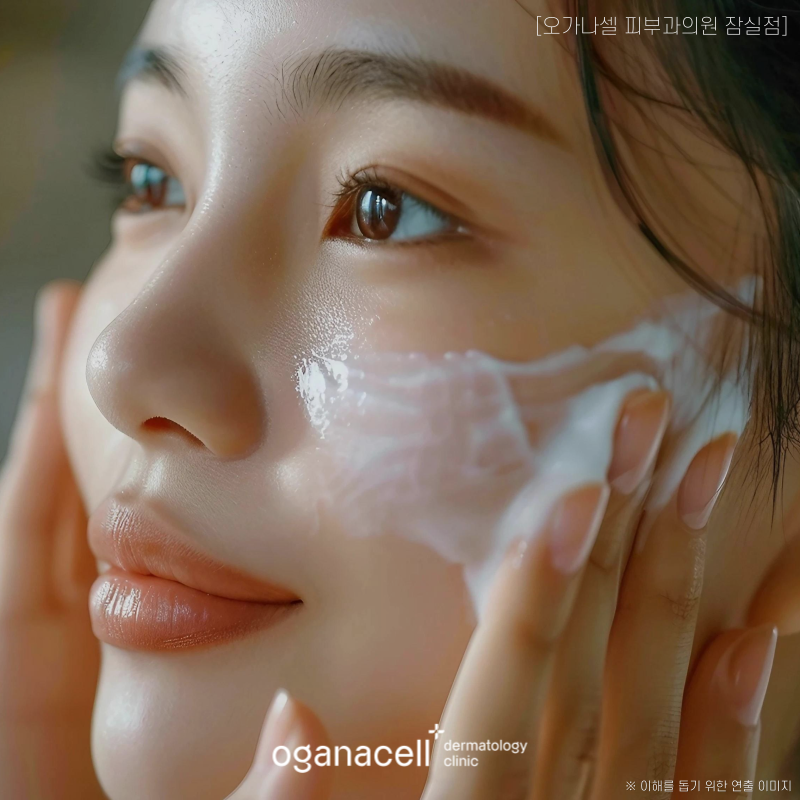
Winter skin care,
the key to managing dry air and moisture
In winter, both temperature and humidity drop, so skin moisture
evaporates easily. As a result, skin becomes dry more easily,
may flake, and can also be accompanied by itching.
At times like this, consider the frequency and texture of your moisturizer, and
rather than using a cleanser with strong cleansing power, it is recommended to use a mild product that
retains moisture and suits your skin.
Environmental adjustments, such as using a humidifier, may also help.
Because skin type and condition differ from person to person, such as oily, dry, or sensitive skin,
customized care is important.
The way skin responds to each season also differs,
so care that considers both seasonal factors and individual skin characteristics is needed. For example, people with dry skin may find that in environments or seasons that make skin especially dry,
they need to pay more attention than usual to moisturizing care.
Rather than “getting through all four seasons with one routine,” I hope this helps you understand the characteristics of each season and your skin’s reactions,
and use care methods suited to the situation.
Thank you^^
#SeasonalSkinCare #SpringSkinCare #SummerSkinCare #AutumnSkinCare #WinterSkinCare