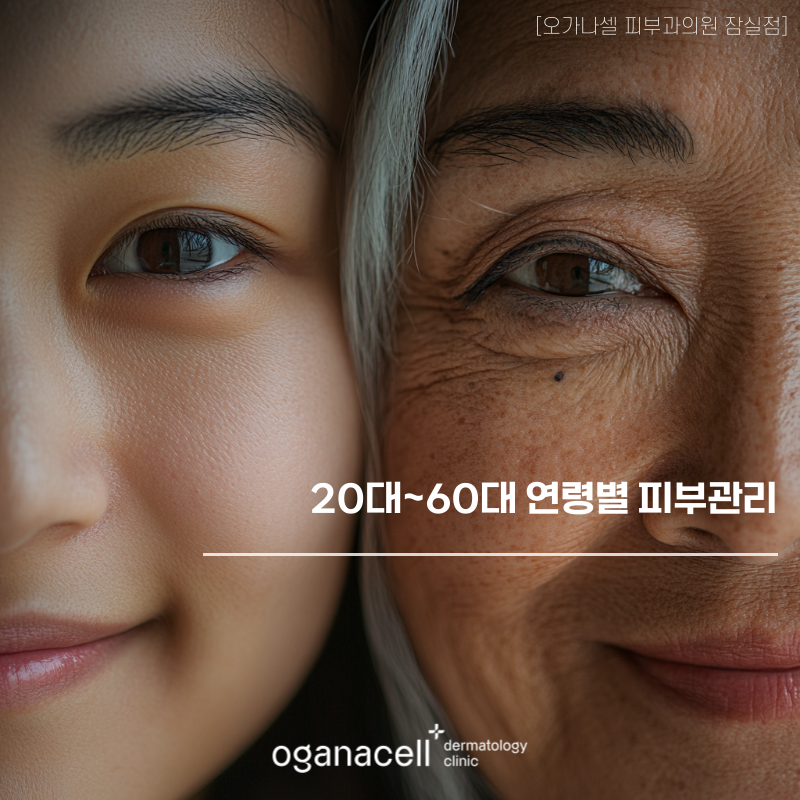
20s, 30s, 40s, 50s, 60s
Skin Care by Age Group
As we get older, our skin changes noticeably.
This is a natural phenomenon for everyone.
In your 20s, sebum production is active,
while after your 40s, elasticity and moisture decrease,
and the skin barrier function gradually weakens as well.
In this way, skin care should also be managed differently
according to age, and above all, the most important thing
is to maintain the basics that the skin needs at each stage.
So let’s take a look at the methods that can help with
skin care by age group.
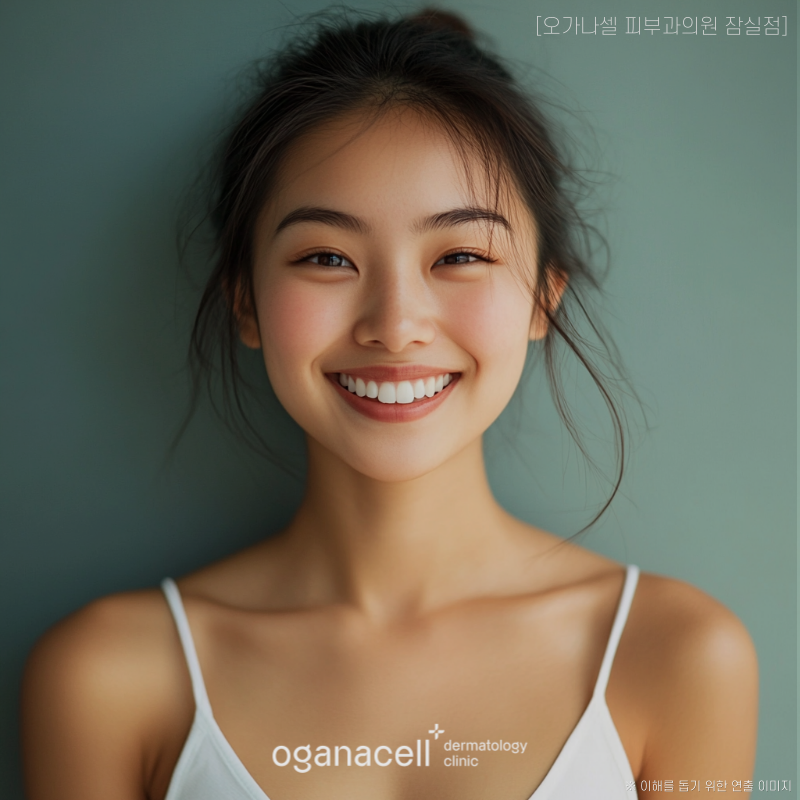
20s – Prevention-focused and faithful to the basics
Your 20s are a time when skin functions most actively,
but because sebum production is high, acne and breakouts can
occur often, so basic care is important.
Individual skin conditions, lifestyle habits, and damage from
UV exposure can all speed up skin aging.
For skin care in your 20s, a well-organized cleansing habit
is important so that excess sebum and breakouts do not occur,
and care should be non-irritating.
In particular, we generally recommend using sunscreen.
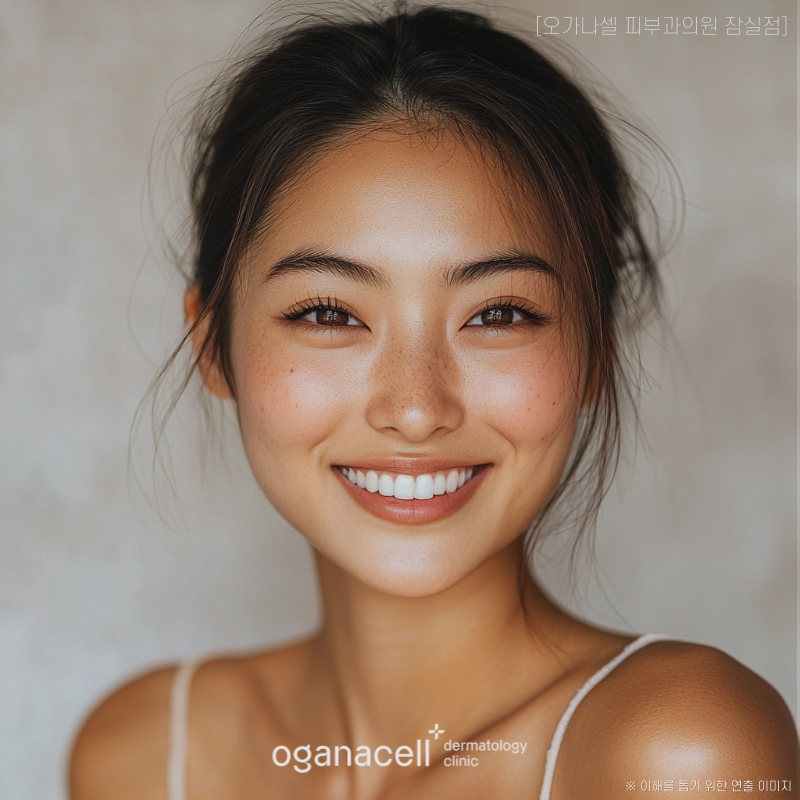
30s – The beginning of reduced elasticity and dullness
Your 30s are a time when the skin’s elastic fibers
begin to weaken gradually, pores may become larger,
and a tired-looking impression can appear more easily.
It is also a period when environmental changes such as
childbirth and lack of sleep can affect the skin.
In your 30s, it may help to focus on improving skin texture
with regular moisturizing and exfoliation management, and
to maintain a skincare routine that includes antioxidant ingredients.
It is important to manage lifestyle habits that can help ease
a loss of elasticity and to reduce skin irritation.
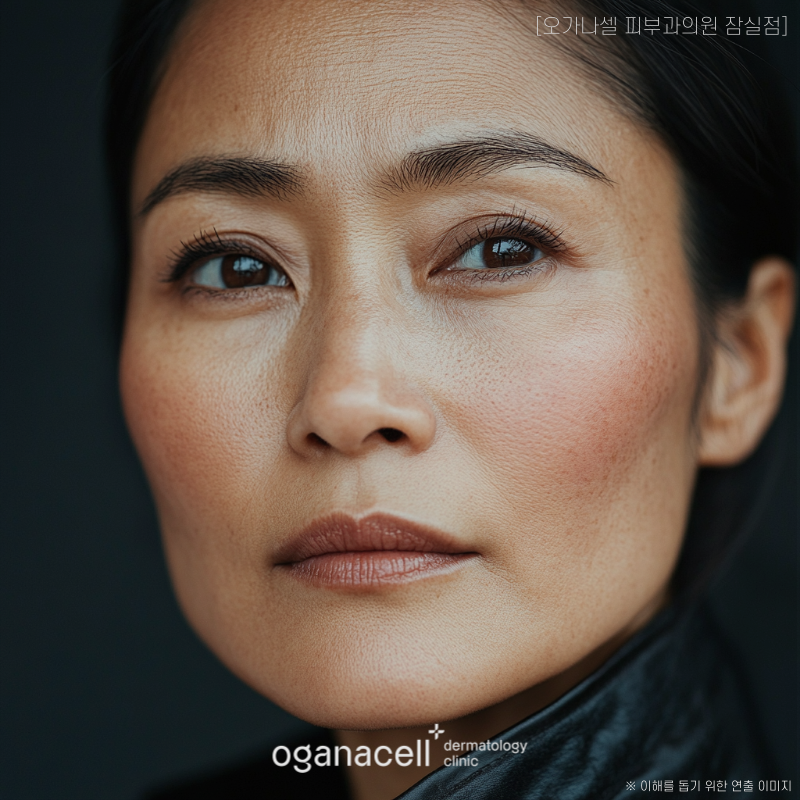
40s – The beginning of more complex concerns
In your 40s, elasticity decreases noticeably,
and wrinkles and pigmentation changes may appear together.
This is a time when melasma, blemishes, and redness can
appear more easily, so balanced care may be important
for maintaining a healthy skin tone.
If the skin becomes dry, elasticity can decline even more
quickly, so regular hydration is important.
Moisturizing is meant to prevent dryness and dullness,
and we recommend using mild, low-irritation care products.
You can also add soothing care to prepare for increased
pigmentation caused by everyday UV exposure or stress.
50s – A full decline in skin regeneration
From your 50s onward, the skin becomes thinner,
elasticity drops sharply, and wrinkles, hollowed cheeks,
and uneven skin tone begin to stand out.
Just like basic physical strength, the skin’s recovery speed
slows down too,
so rather than quick recovery, care can focus on
sustainable and 부담 없는 care.
Rather than trying to force the skin condition upward,
it may be better to focus on maintaining your current
condition through steady moisturizing and nourishment.
Keeping the skin from becoming dry, along with sleep and
nutrition management, can help with skin care in your 50s.
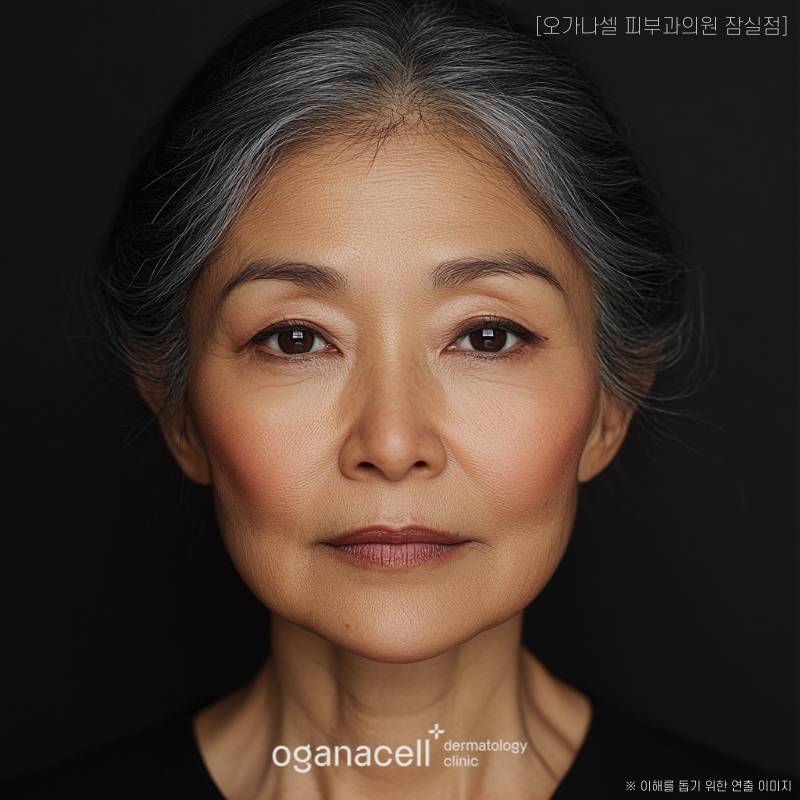
60s – A time when the skin should rest comfortably
Your 60s are a period when skin function generally declines,
and because the skin itself becomes dry and thin, recovery
and protection care may be more important than stimulation.
For people in their 60s, the key point may be to avoid
letting the skin become dry.
Please avoid strong cleansers and friction, and consistently
follow a basic care routine that helps form a protective barrier.
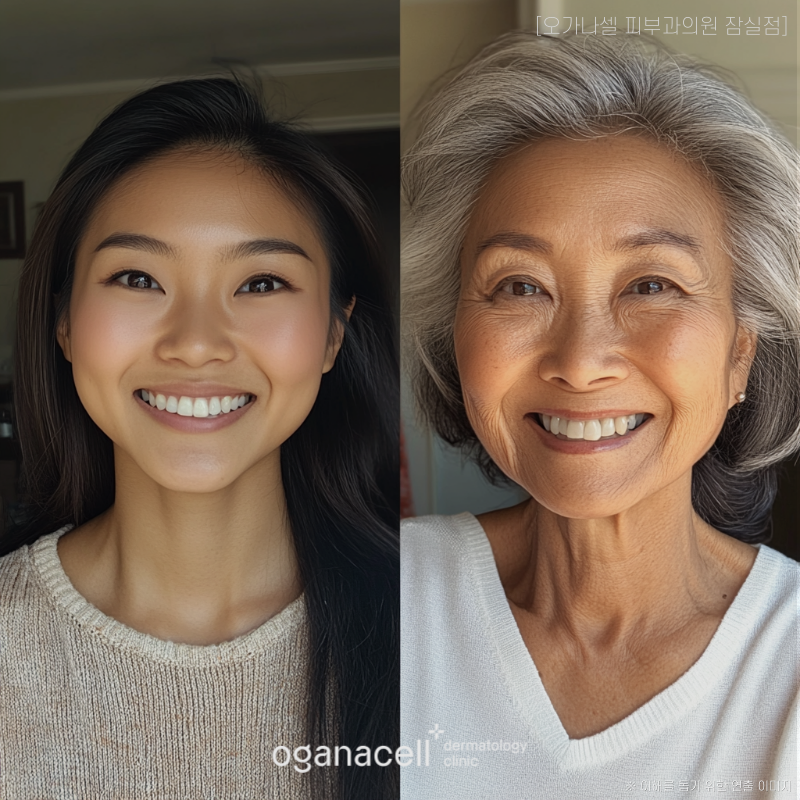
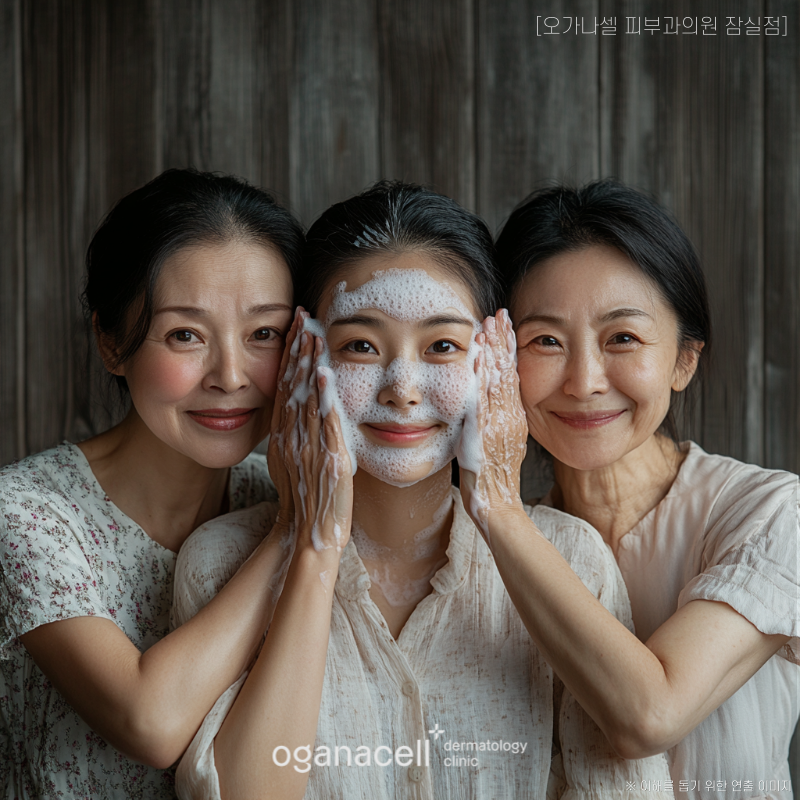
Skin age, care is not a choice but a basic necessity
Just like physical health, skin can also benefit from
customized care at each stage to help maintain it.
Depending on each person’s skin type, condition, and concerns,
the degree of maintenance or improvement may differ,
but
through customized care by age group such as your 20s,
30s, 40s, 50s, and 60s, you may be able to receive help.
I hope that even just everyday habits and consistent care
can help with skin care. Thank you^^
#SkinCareByAgeGroup #20sSkinCare #30sSkinCare #40sSkinCare #50sSkinCare #60sSkinCare