Melasma is one of the 대표적인 pigment disorders.
It is especially common in middle-aged women, and once it
appears, it does not go away easily, making daily prevention
and early management after it develops important.
Let’s take a look at what melasma is, its causes, types,
and ingredients that may help with care and management.
- What is melasma?
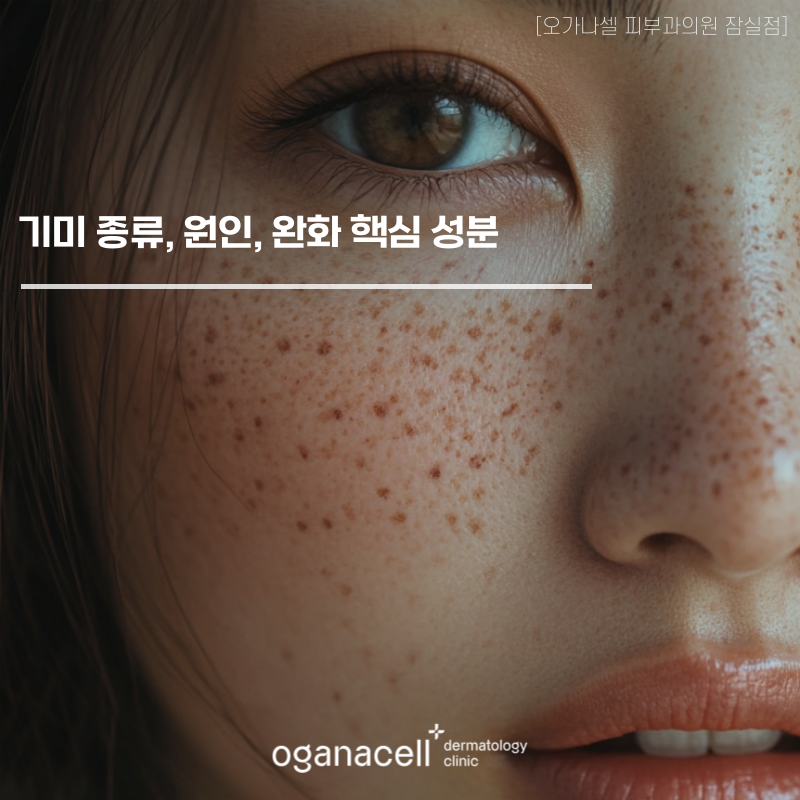
Melasma is an acquired pigment disorder in which brown or grayish pigmentation appears on the skin of the face.
It occurs symmetrically on the forehead, cheeks, bridge of the nose, and around the mouth, and is characterized by indistinct borders and a broad spread.
The causes vary from person to person, and the area, size, and shape of melasma can also differ.
Many people think it is a mole at first, only to later find out that it is melasma!

- Causes of melasma
The causes of melasma are complex, and it can mainly develop due to the following factors.
V Excess melanin production due to sun exposure
V Hormonal changes due to pregnancy, medication, menopause, etc.
V A strong family history of melasma
V Cosmetics that do not suit the skin type or condition
V Repeated stimulation from irritating friction on the skin (e.g. rough puff)
V Worsening of the skin barrier from frequent exfoliation care
V Stress affecting skin care
V Indirect effects such as lack of sleep
- Types of melasma
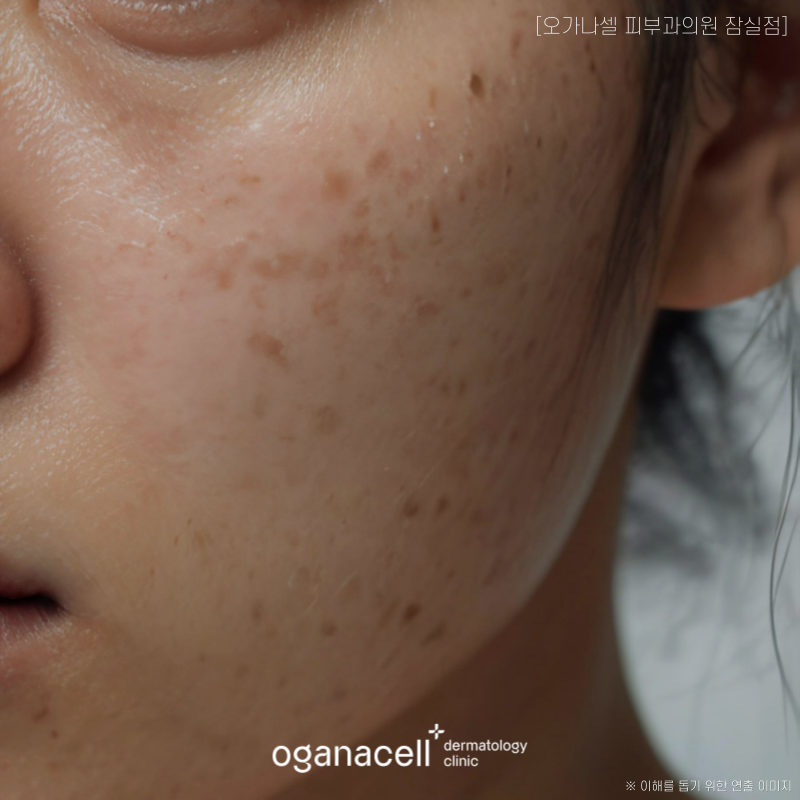
Melasma can be broadly divided into three types depending on the skin layer where melanin pigment accumulates.
These are epidermal, dermal, and mixed melasma.
In the case of epidermal melasma, it is distributed closer to the skin surface, while dermal melasma has pigment located in deeper layers of the skin.
Mixed melasma is a combination of these two types, and mixed melasma is commonly seen.
It is difficult to distinguish melasma based on appearance alone.

- Representative ingredients that may help relieve melasma
Let’s take a look at which ingredients may help relieve melasma.
- Vitamin C
Vitamin C (ascorbic acid), an antioxidant ingredient, helps inhibit melanin production and improve skin tone.

- Tranexamic acid
Tranexamic acid works by suppressing factors involved in the melanin production process.
- Arbutin
It blocks the enzyme that produces melanin and can also be found in whitening functional cosmetics.
- Niacinamide
It is an ingredient that blocks the pathway by which pigment moves to the epidermis, and it may also help improve the skin barrier.
Vitamin C, tranexamic acid, arbutin, niacinamide, and more
There are ingredients that help relieve melasma, but the ingredients that suit each person may differ depending on their skin condition.

Above all, a care method that suits the individual is important!
We looked at ingredients that may help relieve melasma, but above all, it is important to manage it through a method that matches the individual’s skin and melasma pigment condition.
These ingredients may be used in dermatological care, but their effectiveness can vary from person to person, and complete improvement or removal of symptoms may be difficult.
Melasma is a condition that can gradually darken over time, so an approach suited to your skin type is important.
Thank you.







 #MelasmaTypes #MelasmaCauses #MelasmaRemoval #MelasmaRemovalIngredients