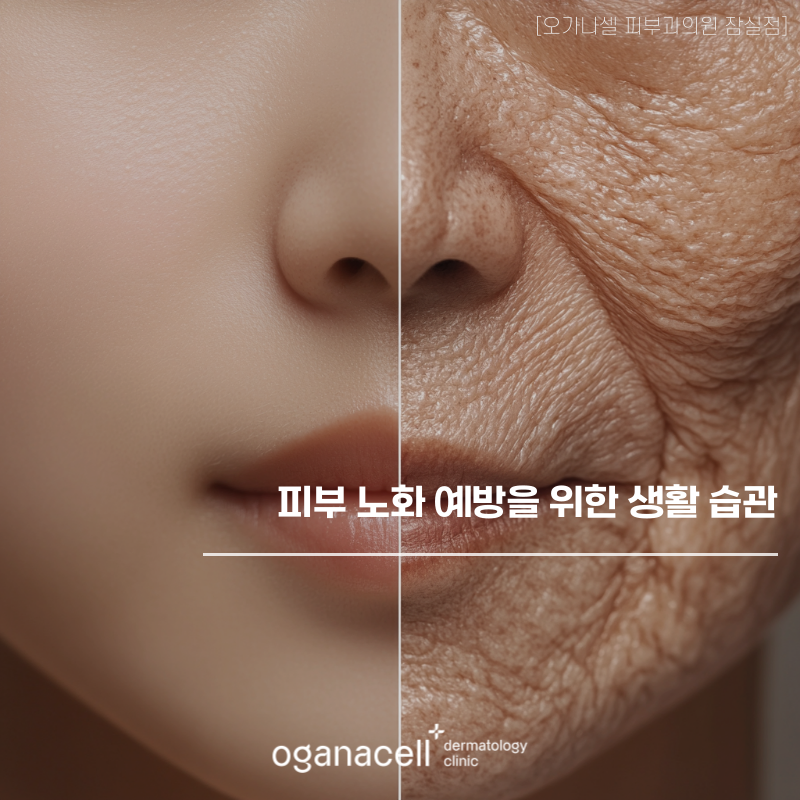
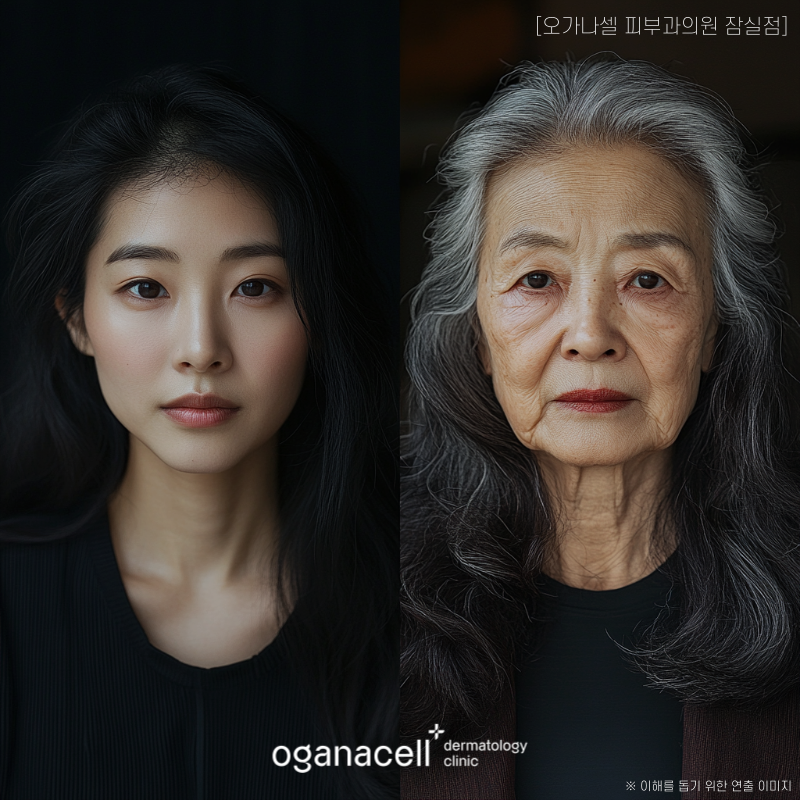
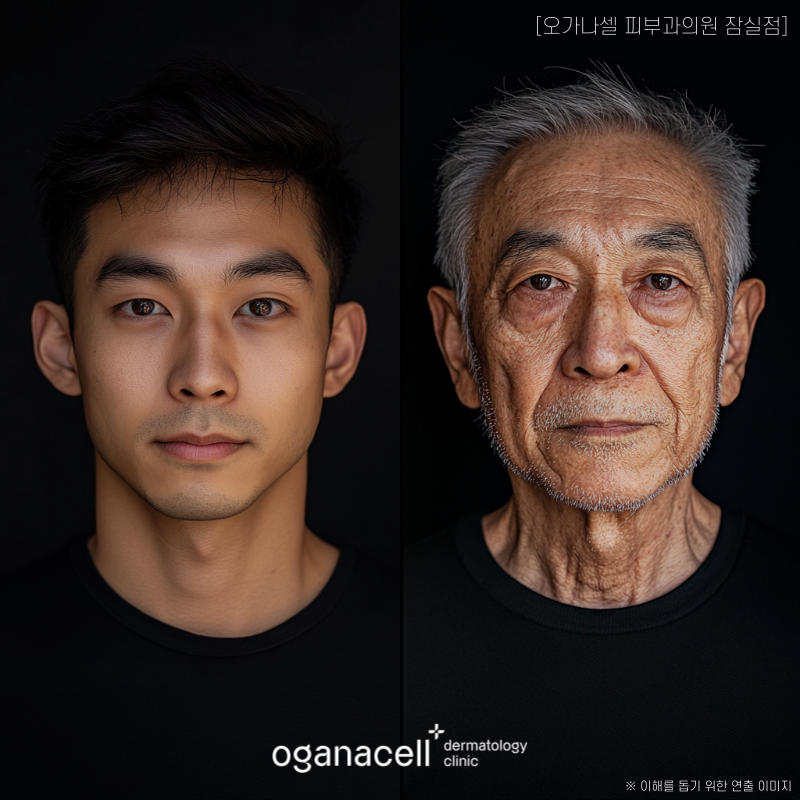
As we get older, changes such as reduced strength and sagging skin
are among the natural signs of aging.
In particular, skin is a visible part of the body, so wrinkles
and pigmentation such as dark spots can be noticed right away.
Skin condition changes due to various external and internal factors,
but healthy lifestyle habits can help slow the process
a nd prevent it.
Causes of Skin Aging
There are many causes of skin aging,
but they can be broadly divided into two categories.
There may be internal causes such as genetic factors and external causes such as UV exposure and lifestyle habits.
- Internal Causes
Internal causes are genetic factors and changes that naturally occur
as you age.
As the skin’s ability to regenerate decreases, and the production of collagen and elastin declines, the skin’s elasticity and thickness also decrease.
In addition, the skin’s ability to retain moisture also declines, making it more likely to become dry.
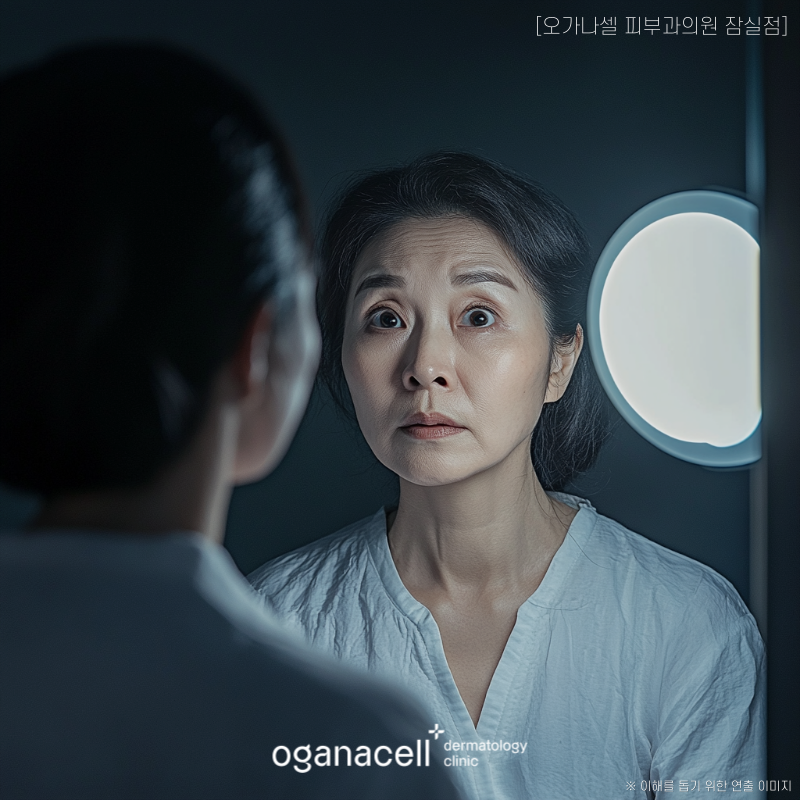
- External Causes (Extrinsic aging)
External causes are skin aging caused by the external environment. Representative external causes include ultraviolet (UV) exposure, air pollution,
smoking, and irregular lifestyle habits.
In particular, ultraviolet rays are known as a major cause of wrinkles,
dark spots, and pigmentation.
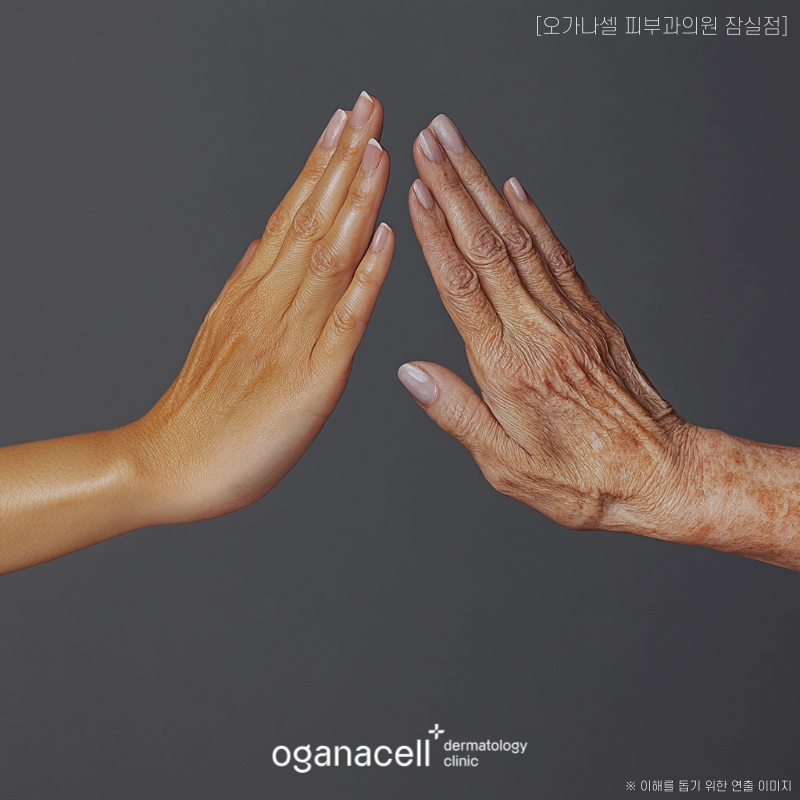
Lifestyle Habits for Maintaining Healthy Skin
To maintain skin health and prevent aging, there are several habits that can be practiced in daily life.
Since daily care can have a big impact on the skin, lifestyle habits are important.
- Eating Habits
A balanced diet is essential for skin health.
A diet that includes various vitamins and minerals
In particular, vitamin C and E, zinc, omega-3 fatty acids, and others help support skin health. It is good to actively consume fruits, vegetables, nuts,
and fish.

- Sleep
Sleep plays an important role in skin health.
While you sleep, the skin regenerates and recovers. Seven to eight hours of sleep per day is recommended.
- Stress Management
Stress can have a direct effect on the skin.
Chronic stress can cause hormonal imbalance
and may lead to acne, dermatitis, and an overall decline in skin health.
It is important to find and practice a stress-management method that suits you, such as yoga, meditation, or exercise.
Foods Containing Antioxidants
Antioxidant ingredients play a very important role in preventing skin aging.
Antioxidants help protect cells from free radicals
and prevent skin damage.
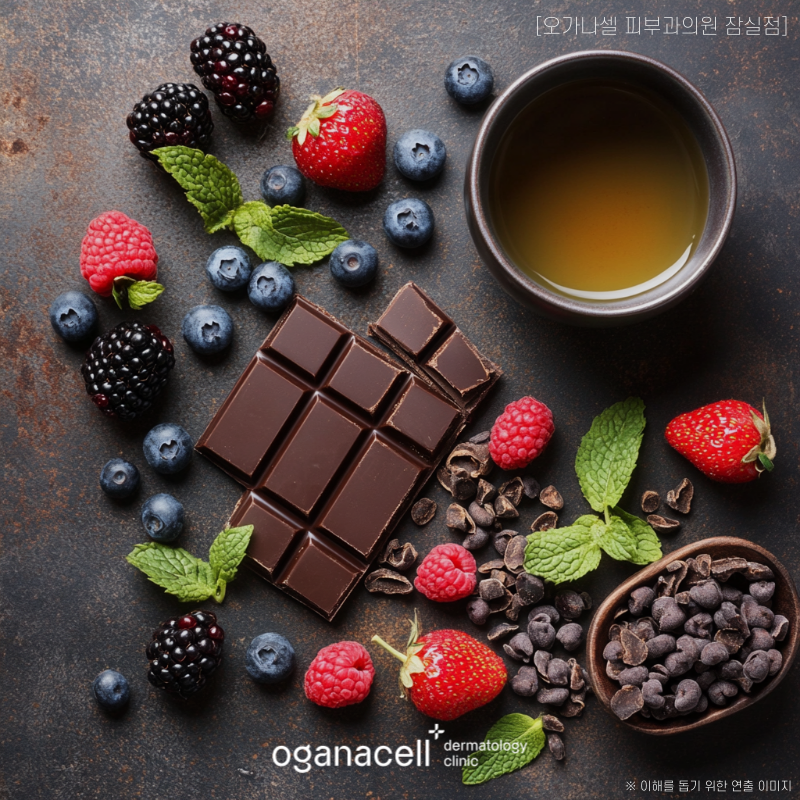
These ingredients are commonly found in natural foods.
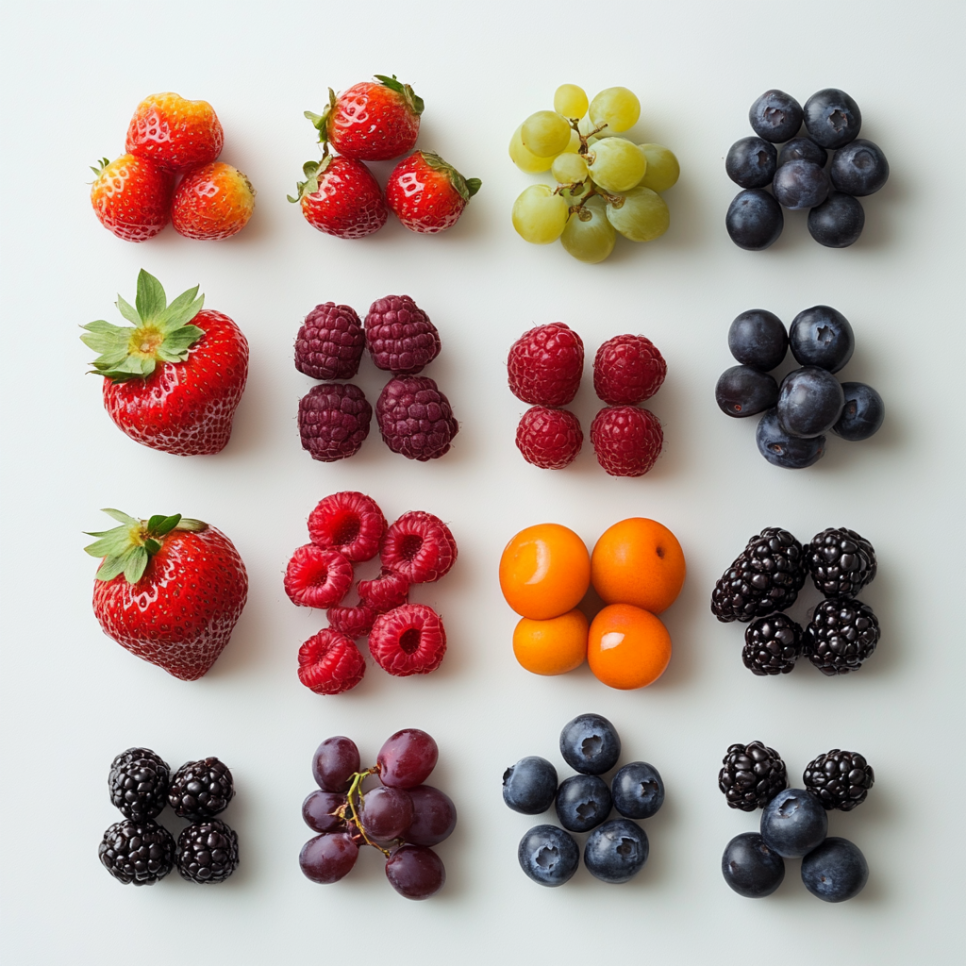
Foods rich in vitamin C such as oranges, strawberries, kiwis, and broccoli,
or vitamin E foods such as almonds and avocados, can also be helpful.
There are also polyphenol foods that help protect skin cells,
including dark chocolate, green tea, grapes, and berries.
Foods such as omega-3 can also help, but intake should first be based on what suits an individual’s body type and health.
The Importance of Sun Protection
Ultraviolet rays are one of the biggest causes of skin aging.
Ultraviolet rays directly damage the skin
and can cause wrinkles, dark spots, and pigmentation.
In particular, ultraviolet A (UVA) penetrates deep into the skin,
damaging its structure, while ultraviolet B (UVB)
causes inflammation on the surface of the skin.
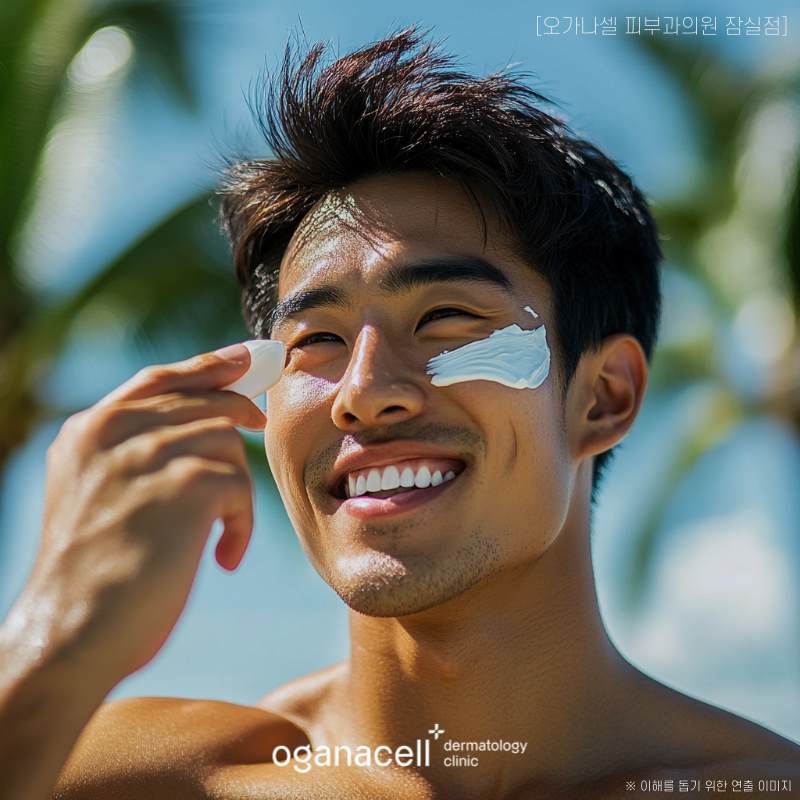
Therefore, it is strongly recommended to use it in daily life regardless of whether you are indoors or outdoors.

Prevention of Skin Aging
Begins with Managing Lifestyle Habits
Although skin aging is an unavoidable natural process,
proper lifestyle habits can help slow it down and maintain skin health.
A balanced diet, enough sleep, stress management,
consuming foods rich in antioxidants, and thorough sun protection
can all help skin health, so please try to practice them consistently.
Of course, the degree of benefit varies from person to person.
Thank you^^







 #SkinAging #PreventSkinAging #SkinAgingPreventionHabits