To maintain a clear and even skin tone, many
people worry about melasma and spots.
At first glance, they may seem similar, but they have different causes and
characteristics, so customized care is needed.
Let’s look at how melasma and spots differ
and learn about prevention and management methods for each!

Causes of Melasma and Spots
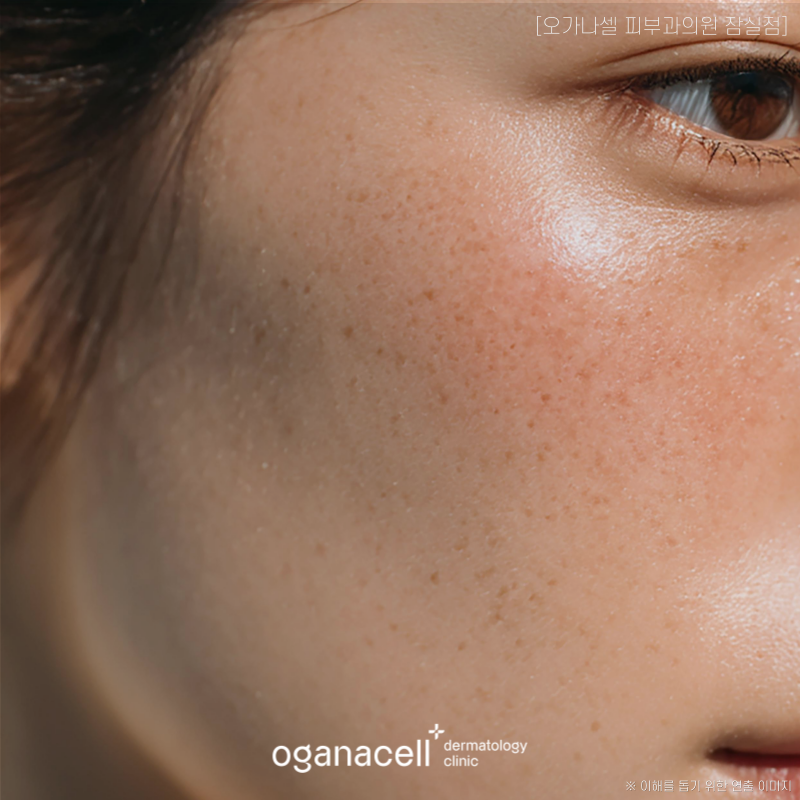
Melasma is a brown pigmentation that mainly appears on sun-exposed areas such as both cheeks, the forehead, and around the nose.
Its main causes include ultraviolet rays, hormonal changes, genetic factors,
and skin irritation, and it can be especially influenced by pregnancy, oral contraceptives,
and stress.
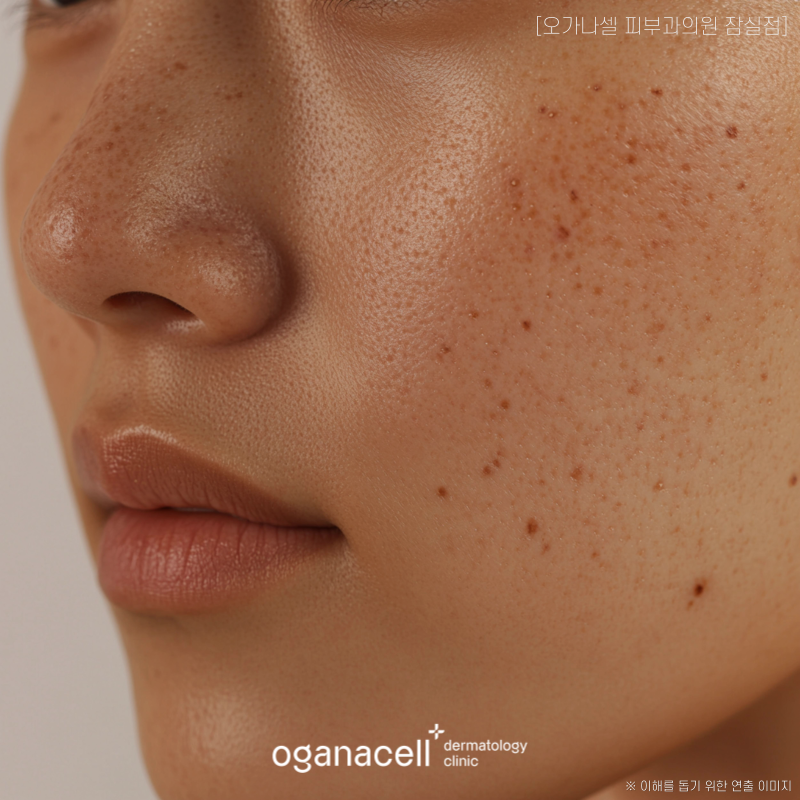
Spots are irregular pigmentation of a smaller size,
and they often occur due to ultraviolet exposure.
External irritation or post-inflammatory hyperpigmentation
(such as acne marks) can also lead to spots.

Prevention and Management Methods for Melasma
Prevention is very important for melasma. Once it appears,
it is often difficult to remove completely,
so consistent daily care is needed from the beginning.
Avoid going out during times when the sun is strong,
and when you do go out, it helps to strengthen UV protection
by using a hat, parasol, sunglasses, and similar items.
To avoid irritating the skin, it is best to avoid excessive friction, exfoliation,
and using hot water.
Regular sleep and stress management can also
have a positive effect on melasma care.
Prevention and Management Methods for Spots
Spots are mainly caused by increased melanin production due to ultraviolet rays,
so UV protection is the key preventive measure.
Even when ultraviolet rays are not strong, indoor lighting and smartphone
blue light can also be irritating, so the use of sunscreen is recommended
in daily life.
The habit of touching your face frequently can worsen spots,
and scratching or squeezing the skin can lead to
post-inflammatory hyperpigmentation, so please be careful!

How to Use Sunscreen Properly
To manage both melasma and spots,
proper use of sunscreen is important.
This is a key point I always emphasize in skin care.
It is recommended to apply it 15 to 30 minutes before going out,
and it is a good habit to reapply every 2 to 3 hours
after sweating or coming into contact with water.
Choosing a sunscreen that suits your skin type
and using an appropriate amount (usually about the size of a 500-won coin)
is also important.

Lifestyle Habits That Worsen Melasma and Spots
In our daily lives, there may be habits that worsen skin melasma or
spots without us even realizing it.
So let’s take a look at what kinds of lifestyle habits there are.
Face washing with too much rubbing!
Lack of sleep and stress!
Smoking and excessive drinking!
Neglecting sun protection!
Not cleansing thoroughly after makeup!
Basically, small habits like the ones above in daily life can
affect pigmentation, so a lifestyle that does not
irritate the skin is needed.
Summary of the Differences Between Melasma and Spots
| Category | Melasma | Spots |
|---|
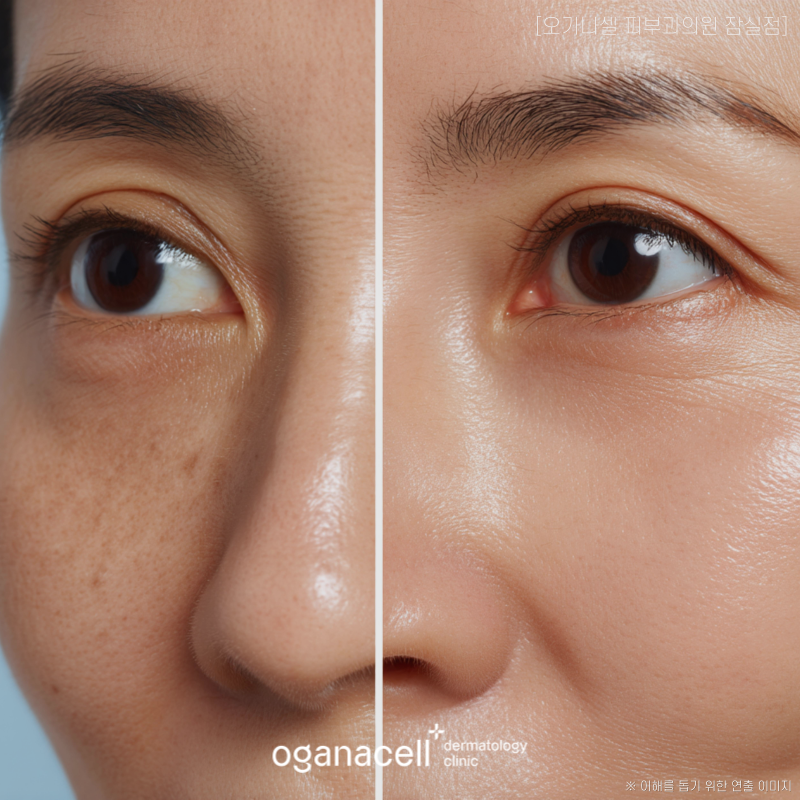
| Shape | Symmetrical brown patches | Irregular small pigmentation |
| Area | Mainly cheeks, forehead, around the mouth, etc. | Entire face, localized areas |
| Cause | Ultraviolet rays, hormones, genetics, etc. | Ultraviolet rays, post-traumatic hyperpigmentation |
| Prevention | Reduce irritation, UV protection, etc. | UV protection, avoid irritation, etc. |

Because melasma and spots differ in their causes and characteristics,
it is important not to confuse them and to adjust your lifestyle habits accordingly.
Above all, consistent UV protection, minimizing skin irritation,
and maintaining healthy lifestyle habits are the first steps
in managing melasma and spots. Thank you.








#melasma #spots #melasmacare #spotcare #differencebetweenmelasmaandspots