Shaving, Waxing, Bleaching
What Are the Differences and What Should You Watch Out For?
Hair care: which method is better?
As summer approaches and more skin is exposed,
concerns about hair management grow as well.
Shaving is quick, but it has to be done often,
waxing is often said to hurt,
and bleaching makes people wonder whether it is okay.
But no matter how familiar the method may be,
it affects the skin directly, so it is important to know the
characteristics and precautions of each method accurately.
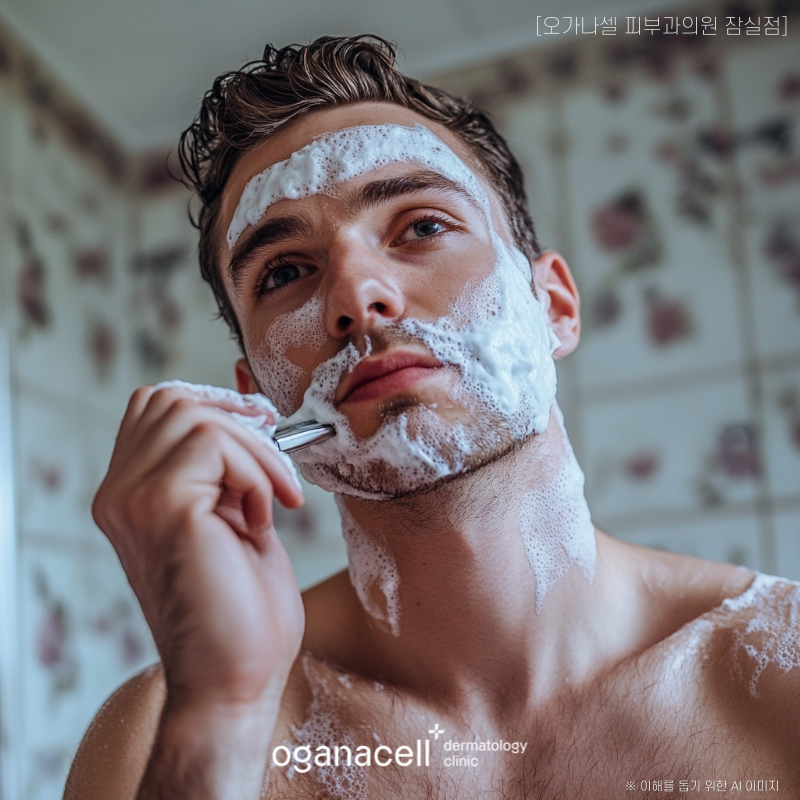
- Shaving – A quick method, but one that must be done often
Shaving is the easiest hair removal method to use.
It does not take much time, and it is convenient
for tidying up only the needed area.
However, because the razor blade touches the skin directly,
it can irritate the stratum corneum, and after shaving
some people may experience dryness or itching.
In particular, if a razor is used for a long time
or not managed hygienically,
skin troubles can easily occur, so caution is needed.
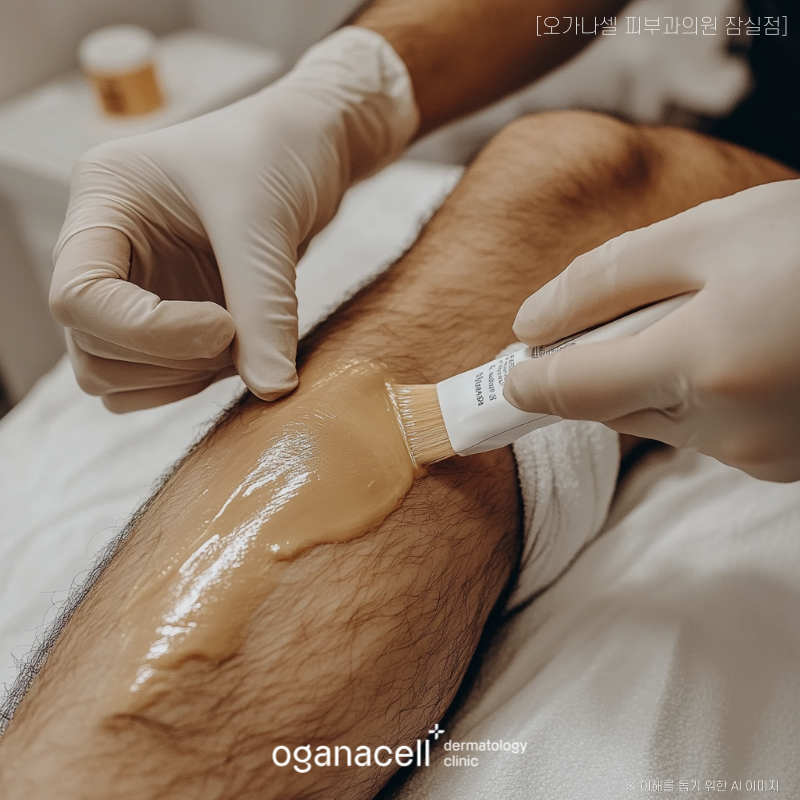
- Waxing – A relatively long-lasting method,
but with strong irritation
Waxing removes hair from the root, and it can last
as little as 1–2 weeks, or as long as 3 weeks or more.
This may vary from person to person.
However, because the hair is pulled out,
strong irritation is applied, and many people report
redness, stinging, and increased skin sensitivity.
Right after waxing, the skin may become
temporarily sensitive, so avoiding sun exposure or
scrubs for a while can help.
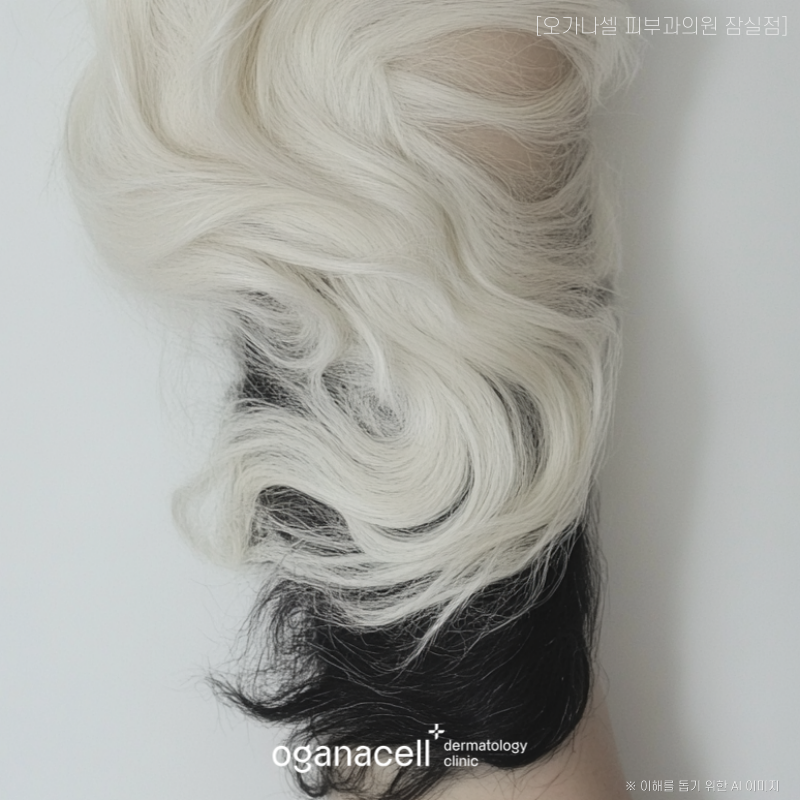
- Bleaching – A method that makes hair lighter without removing it
Bleaching is a method that does not remove hair,
but instead lightens the color of the hair.
When applied to areas where the hair is fine and light,
it can make the hair look less noticeable visually.
However, because chemical bleaching ingredients come
into contact with the skin, it can be irritating for sensitive skin,
and a patch test is recommended before use.
Also, when using a bleaching product, it is important not to leave it on longer
than the specified time.
Otherwise, it can actually cause irritation!
- Skin care habits that help in daily life
What matters when managing hair is
the health of the skin itself.
If the skin is healthy, sensitivity to irritation decreases,
and discomfort after hair management also decreases.
Before and after hair removal, it is good to use products
that are gentle and have moisturizing effects
to protect the skin barrier.

Also, drinking enough water and getting regular
sleep in daily life help skin recovery.
Keep razors and hair-care tools clean,
and wash towels and underwear frequently to prevent unnecessary
irritation to the skin and the growth of bacteria.
These small habits add up and play a big role in
keeping the skin in healthy condition.

- Choosing the method that suits you
All three methods have their own pros and cons, and the appropriate choice may vary
depending on skin condition and lifestyle patterns.
What matters is not the method itself, but paying attention to how the skin changes
after care and taking care to provide proper moisture and prevent irritation.
Rather than saying that one method is better,
it is a wise approach to observe your skin’s response and find the method
that suits you best.

Because hair removal routines and approaches can vary depending on each person’s skin condition, I hope this was helpful after a careful check and without irritation.
The Jamsil branch of Ogana Cell Dermatology Clinic is located inside the Medical Center on the 11th floor of Lotte World Tower.
Thank you^^








#DifferencesBetweenShavingWaxingBleaching #JamsilHairRemoval #JamsilHairRemovalDermatology