Have you ever stood in front of the mirror and thought this?
"I never used to worry about this..."
If you have ever had that thought even once, I believe you may be noticing
changes somewhere in your skin.
In your 20s, skin that always seemed the same suddenly becomes dull.
In your 30s, signs of fatigue stay on your face.
In your 40s, the skin around the eyes starts to feel more noticeable when you smile.
And after your 50s, you begin to feel that your skin has changed.
Skin is the place in our body that shows age first.
As we get older, it is natural for the skin to change,
but depending on how you care for it, the pace of that change
and the way it looks can be different.
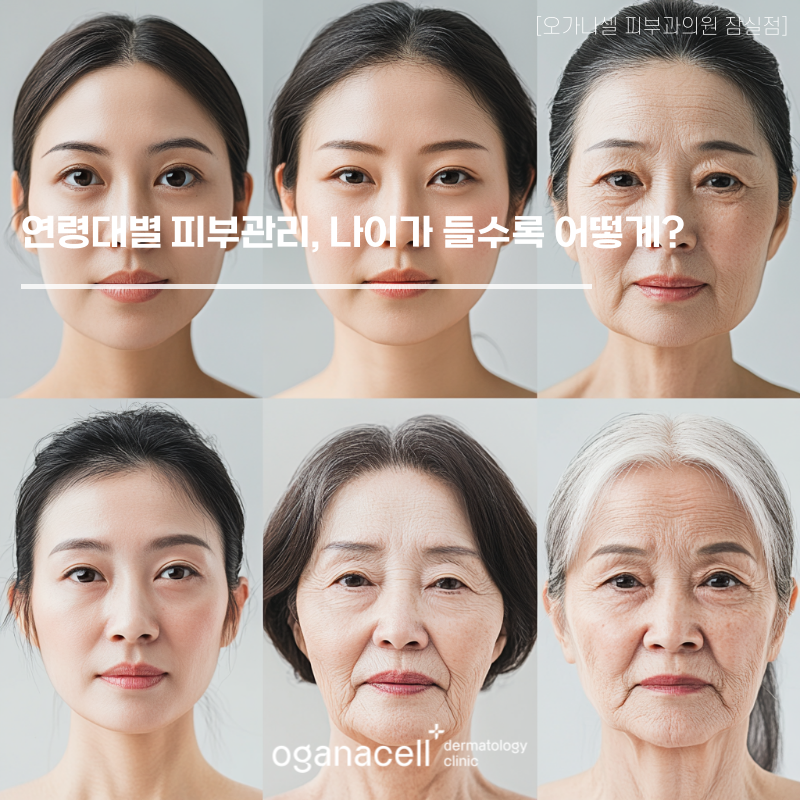
- It is natural for skin to change as we age
In your 20s, does skin that used to be smooth suddenly start to sag,
loosen, and feel dry?
These changes are a natural part of the aging process.
Especially from the mid-to-late 30s onward, the skin's overall
structure slowly changes due to decreased collagen,
reduced elasticity, and weaker moisture retention.
V Late 20s to 30s: reduced sebum, fine lines begin
V 40s: reduced elasticity, enlarged pores, thinner skin
V 50s and older: increased dryness, reduced elastic fibers, changes in skin tone
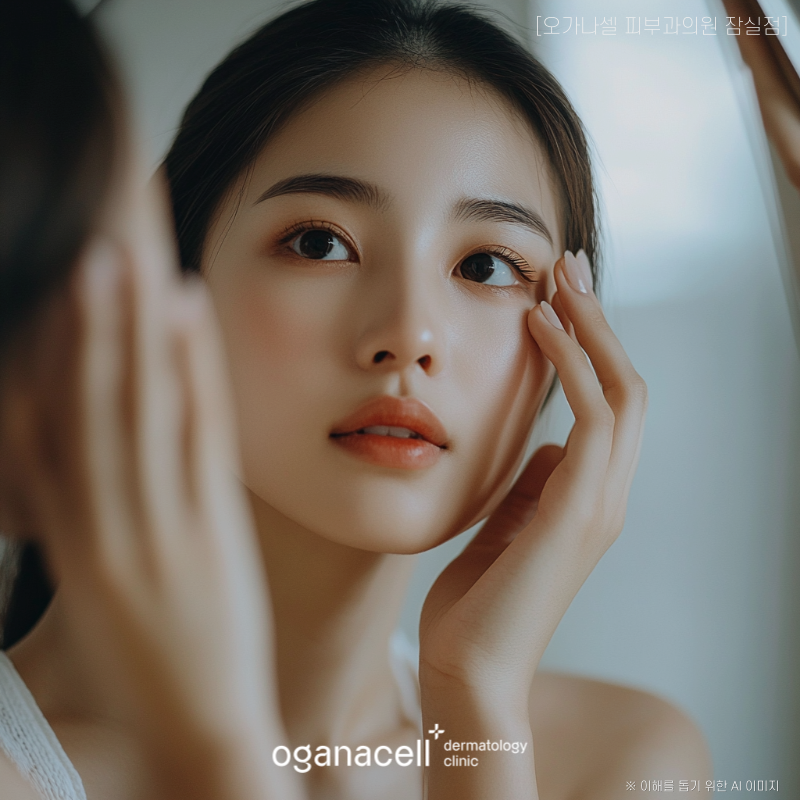
- Everyday causes that make skin sag more easily
Skin changes are not caused simply by "age."
The habits we repeat without much thought in daily life can
speed up skin sagging!
One of the main causes is sun exposure.
There are also research cases showing that about 70% of skin aging
is photoaging, meaning these symptoms appear because of sunlight.
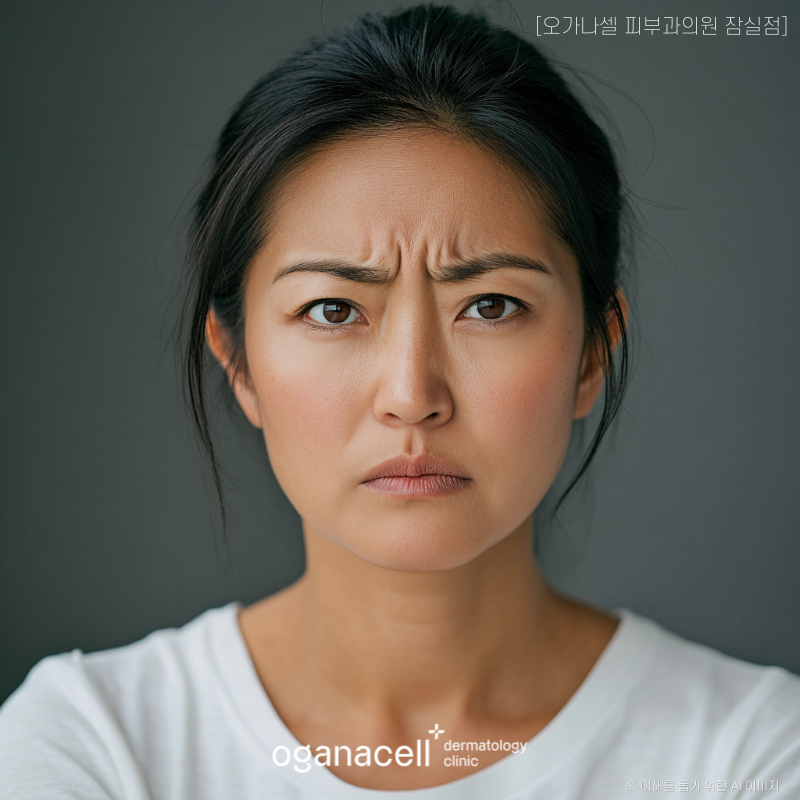
In addition, irregular sleep, lack of water, smoking, and alcohol,
as well as facial habits (for example, resting your chin on your hand or squinting)
can also affect the skin, along with overly harsh cleansing and excessive weight control.
- Age-specific skin concerns,
try caring for them this way
Although it varies from person to person, skin concerns generally differ by age,
so care methods should differ as well.
V Skin care in your late 20s to 30s
From the late 20s onward, balanced oil and moisture care is important
because it plays a key role in sebum control, so make sure to replenish moisture sufficiently.
Along with managing daily habits to help prevent early loss of elasticity,
sunscreen should be applied every day, both indoors and outdoors.
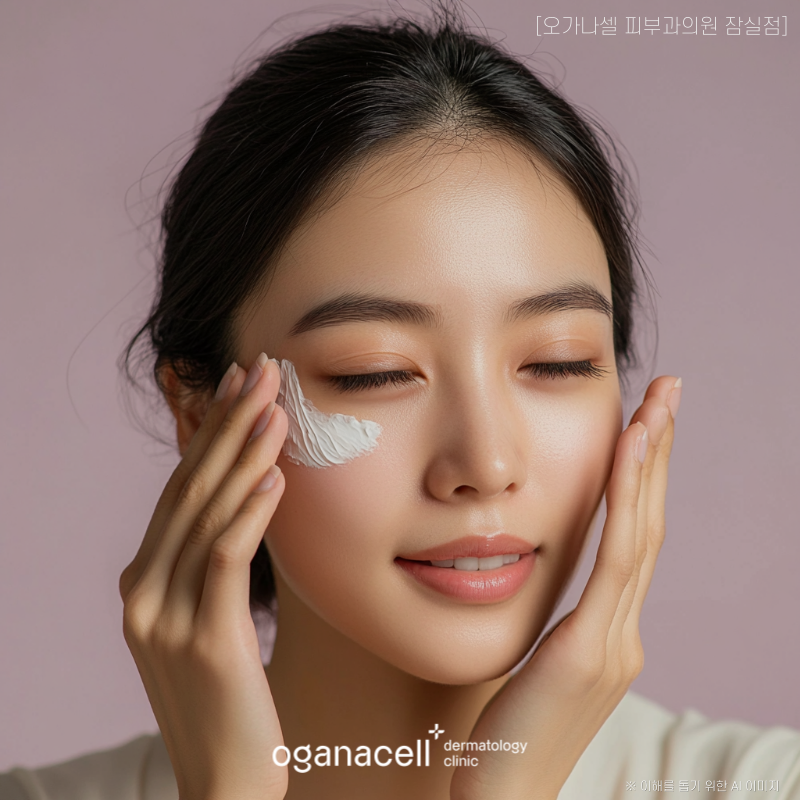
V Skin care in your 40s
This is the time to pay attention to both skin texture and elasticity.
To prevent dryness after cleansing, layer moisturizers,
and for managing a softening facial contour,
appropriate massage or exercise can also help.
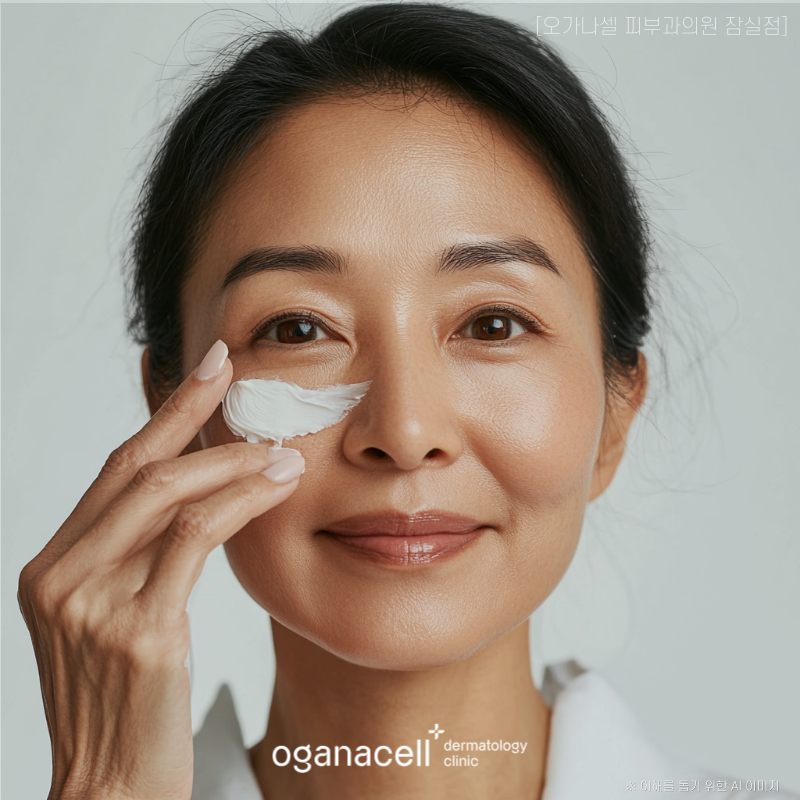
V Skin care in your 50s and older
Deep hydration, gentle cleansing, and cosmetics with low-irritation ingredients
are recommended. As the skin gradually becomes thinner
and loses strength, irritation should be reduced.
A routine focused on strengthening the skin barrier is also important.
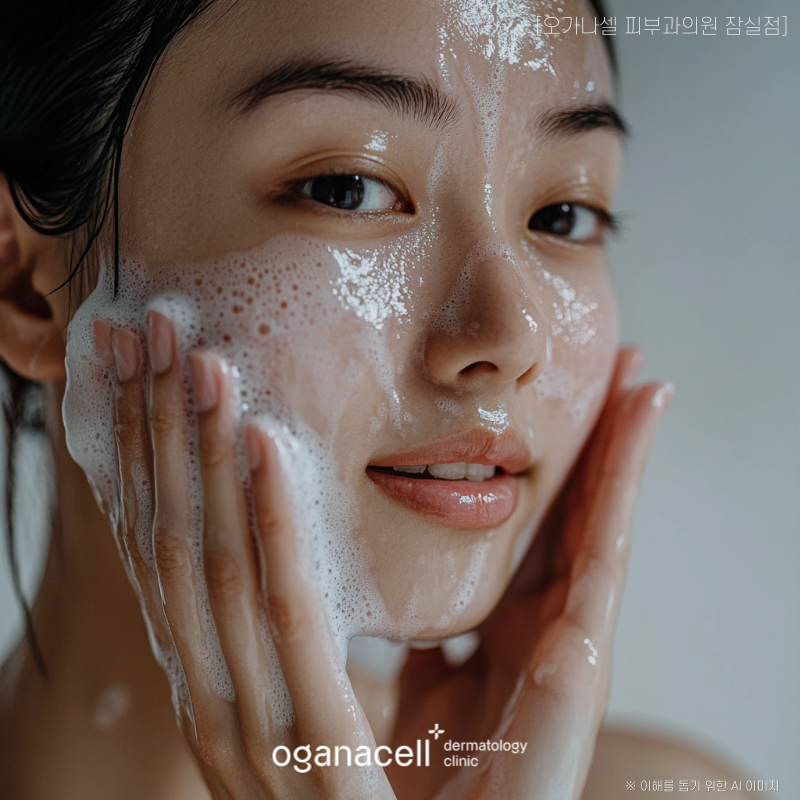
- Habits that preserve elasticity
ultimately show your "age"
Once skin elasticity decreases, it is difficult to restore,
so it is important to check your lifestyle habits early.
One of the daily care steps we always emphasize is sun protection!
We recommend using sunscreen every day,
and gently exfoliating 1 to 2 times a week.
Moisturize within 3 minutes after washing your face, and choose a moisturizer
by considering ingredients that suit your skin type.
Getting enough water and managing sleep are also important.
It can also help to check the facial expressions that change when you speak
or concentrate by looking in the mirror.
- The secret behind people who look younger than their age? Consistent care
Skin does not lie.
Keeping skin in your 20s looking like it belongs in your 20s, or maintaining
healthy skin in your 50s, starts not with unrealistic expectations,
but with steady care that matches your age.
Habits that preserve elasticity, along with regular cleansing, moisturizing,
and sun protection as mentioned above, can help skin resist changes
for a long time.
If necessary, you can look into personalized methods through dermatology care,
but it is not suitable for everyone, and side effects may occur, so please be careful!
Skin care that matches your current age,
start practicing it today!
It is natural for skin to change with age,
but the speed of that change is influenced by our habits and care.
Please remember from today that small daily routines can affect your skin,
and I hope this has been helpful.
The Jamshil branch of Ogana Cell Dermatology Clinic is located inside the Medical Center on the 11th floor of Lotte World Tower,
and three board-certified dermatologists work together there.
Thank you.








#AgeBasedSkinCare #JamshilDermatology