As the season when clothing gets lighter approaches,
body hair removal naturally starts to draw more attention.
Hair care for areas that are more exposed, such as the arms,
legs, and underarms, has even become a daily habit
for maintaining a neat appearance.
However, frequent hair removal can irritate the skin,
so it is necessary to understand your skin before
starting care.
Shall we take a look at the skin care basics that are good
to know before hair removal?

- In the season when clothing gets lighter,
why do we become more sensitive about hair removal?
In hot weather, short sleeves, sleeveless tops, shorts, and so on
naturally expose more skin, and as a result,
sensitivity to body hair also increases.
As sweat and sebum secretion become more active,
it creates an environment where skin troubles can easily occur
after hair removal.
During this period, many people consider hair removal not just for
cosmetic reasons, but also for cleanliness and hygiene.

- Common hair removal methods and
the irritation they can cause to the skin
In daily life, people usually choose hair removal methods such as
shaving, hair removal cream, or waxing.
But this care that we do regularly can actually be an irritant!
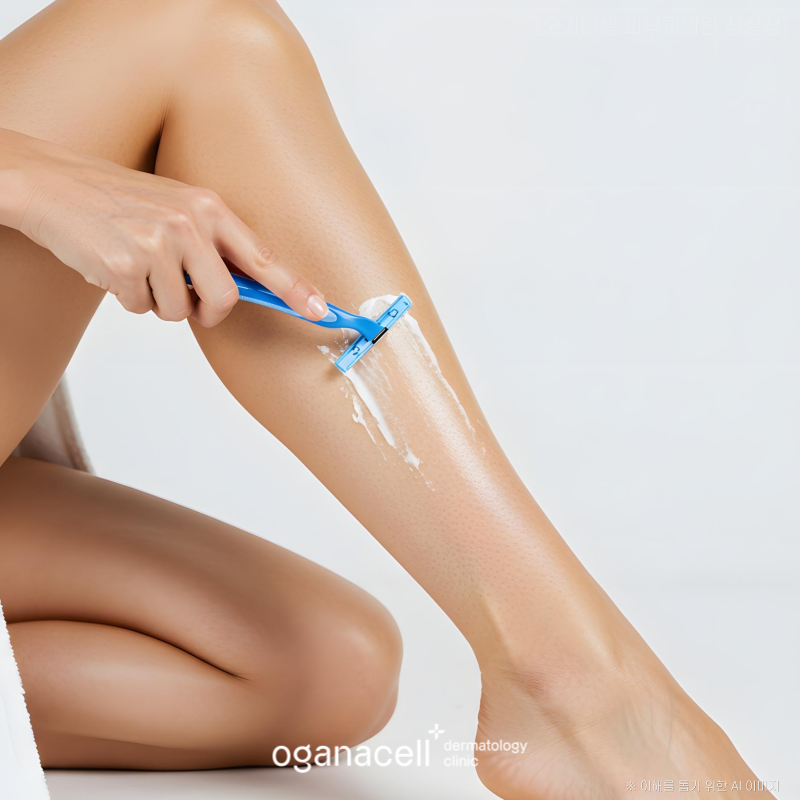
- Shaving
It is fast and convenient, but because the blade comes into direct
contact with the skin, it can cause tiny cuts or irritation.
- Hair removal cream
This method uses chemical ingredients to dissolve and remove hair,
and if you have sensitive skin, it may cause an allergic
reaction or stinging.
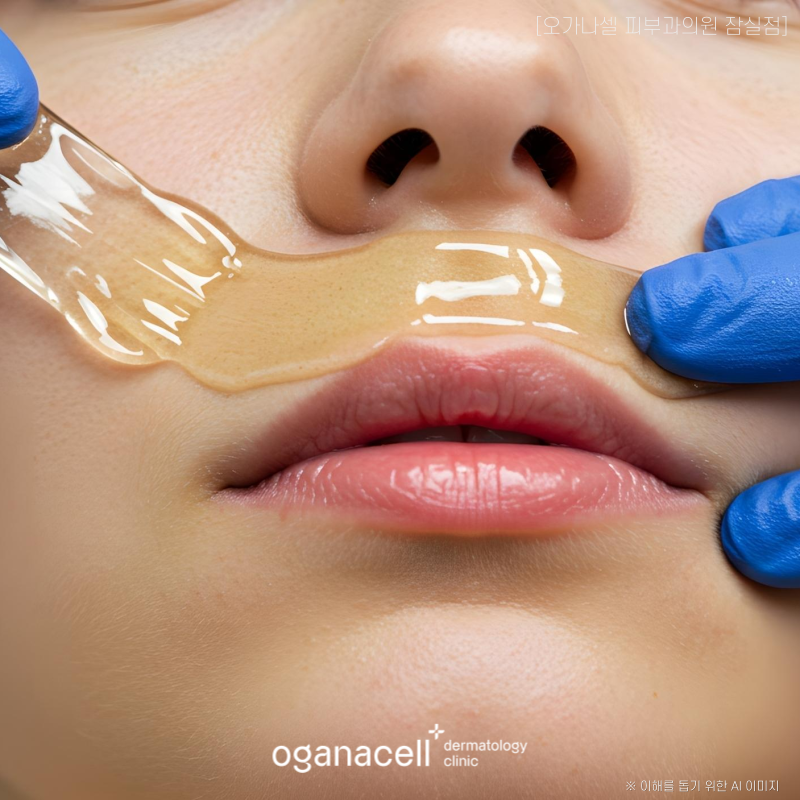
- Waxing
It can remove hair down to the roots,
but the strong irritation may be accompanied by pain,
temporary redness, and follicle irritation.
Each method has its pros and cons, and because reactions vary
depending on skin type, it should be chosen carefully.
- Skin changes that can occur when using
shaving or hair removal cream
Repeated hair removal can lead to damage to the skin barrier,
pigmentation, or roughness around fine hairs.
In particular, blade shaving can make the skin surface thinner
due to friction,
and if you shave against the direction of hair growth,
ingrown hairs, meaning hairs that grow into the skin,
can occur, so please be careful!
In the case of hair removal cream, a pH imbalance may occur,
so a patch test is recommended before use for sensitive skin.

- The long-term effects of repeated irritation
on the skin
When the skin is repeatedly exposed to external irritation,
its defense mechanisms can weaken.
This can cause dryness, increased dead skin buildup,
and sensitive reactions,
which can eventually lead to rough skin texture or
pigmentation that darkens certain areas.
Because these changes build up naturally over time,
long-term skin care is more important than short-term changes!

- Everyday tips for the skin before and after hair removal
- Avoid exfoliating the day before hair removal
Since the skin may become more sensitive,
it is best to avoid irritating scrubs.
- Moisturize immediately after hair removal
It is important to apply moisturizer while the skin is in a state
where it can lose moisture easily,
so that the skin barrier can recover.
- Avoid sun exposure
If exposed to ultraviolet rays right after hair removal,
pigmentation may become worse, so it is best to use enough
sunscreen before going out.
- Replace razor blades often
Dull blades can irritate the skin more,
so hygiene management is also important.

Hair removal: skin care basics you should know?
Check one thing at a time, starting with what touches your body!
Hair removal is not just a cosmetic routine, but a habit that
directly affects the skin.
Rather than focusing only on short-term results,
you need habits and knowledge that prevent strain on the skin
in the long term.
It is desirable to approach it carefully by considering your
skin type and condition, and not to neglect post-care after
hair removal.
Ogana Cell Dermatology Clinic Jamsil Branch is located inside
the Medical Center on the 11th floor of Lotte World Tower.
Thank you^^








#HairRemovalBefore #HairRemovalTips #JamsilHairRemovalDermatology #JamsilDermatology