How to Manage Hair Removal, as Explained by a Jamsil Dermatology Specialist
Arms, legs, underarms, and even the backs of your hands!
Have you ever felt embarrassed by the “hair” that catches your eye without warning? Especially in seasons when short sleeves and shorts become more common, interest in hair removal tends to increase.
However, a light approach like “just shave it” can actually lead to skin irritation or problems.
So today, we’ll introduce ways to manage hair removal more cleanly while reducing the burden on your skin!
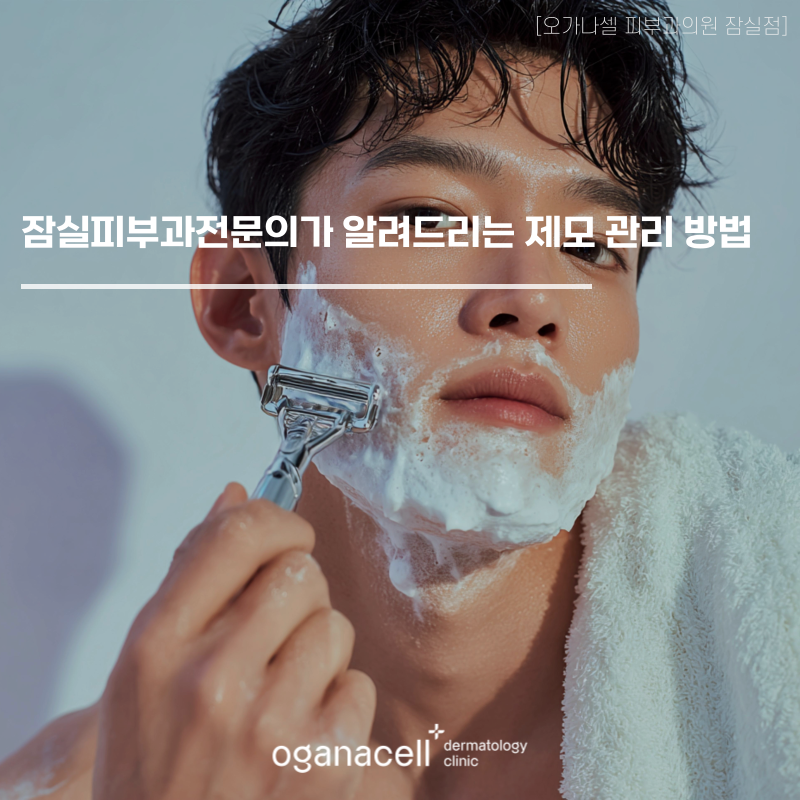
- Why should you pay attention to hair removal?
Hair removal is not just for cosmetic purposes.
This is because areas with a lot of hair can have increased sweat and sebum secretion, which may lead to bacterial growth or discomfort such as folliculitis and itching.
Many people consider hair removal for a cleaner appearance,
but it can also be considered part of hygiene and skin health care.
Poor management can inadvertently cause odor or inflammation!
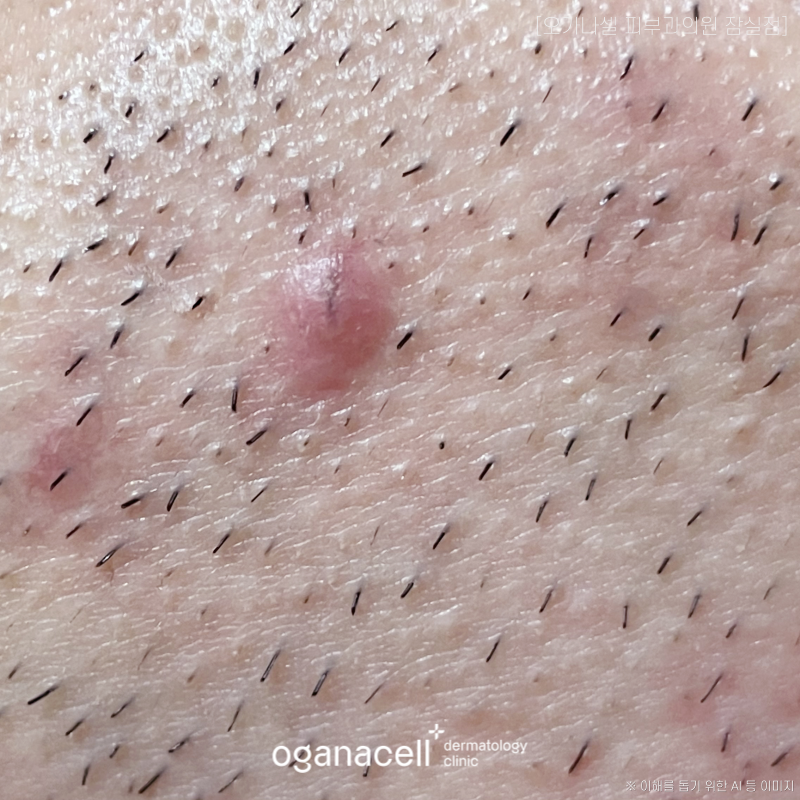
- Things you must check before hair removal
Before hair removal, we strongly recommend checking your skin condition.
Proper hygiene management of the tools you use and moisturizing are also important!
Skin condition check
Avoid hair removal on areas with wounds, inflammation, or dryness.
Check the tools you will use
Razors, hair removal devices, and similar tools should be kept clean and used in properly maintained condition to reduce skin problems.
Check your moisturization
Dry skin is more sensitive to irritation, so lightly moisturizing the day before hair removal can also help.
- After hair removal, soothing the skin comes first
When you remove hair, the skin is irritated, so it may temporarily become red or itchy.
After hair removal, it is important to soothe the skin!
Soothe with cold water
Right after hair removal, lower the skin temperature with lukewarm or cool water.
Avoid alcohol ingredients
Products such as toners or creams with strong alcohol content can cause irritation, so choose products that suit your skin.
Maintain moisture
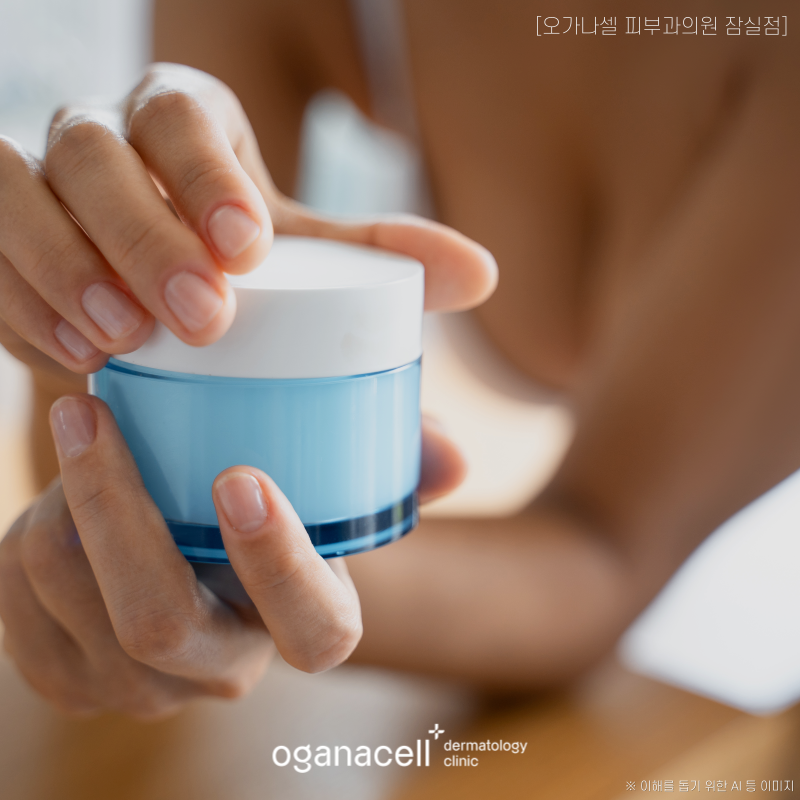
After soothing, apply a fragrance-free, non-irritating moisturizing cream or lotion to help care for the skin barrier.
- Hair removal care points by area
Hair removal care methods can differ depending on the area!
Underarms
Because the skin is thin and a folded area, it is especially sensitive to irritation. Avoid clothing that causes a lot of friction, and moisturize frequently.
Arms/legs
For relatively large areas, reduce overly frequent hair removal, and it is safer to leave a 2–3 day gap between exfoliation and hair removal!
Face/around the mouth
Since these areas have high sebum secretion, there is a risk of clogged pores and acne, so careful soothing after hair removal is necessary.
- Habits in daily life that help with hair removal care
For skin that has been irritated after hair removal, it is also necessary to manage the habits you often follow in daily life.
Change towels and pillow covers frequently
Wash your face immediately on days when you sweat a lot
Use razors only as personal items
Even these small habits can reduce skin irritation after hair removal and help maintain healthy skin.
Above all, the key is to reduce skin irritation!

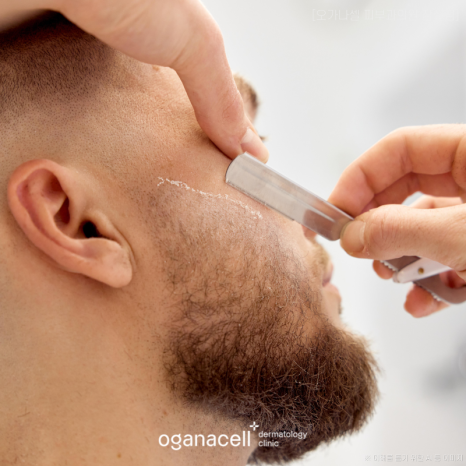
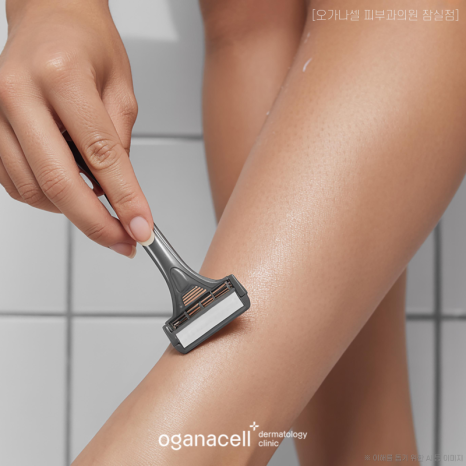
Clean and hygienic hair removal,
with the right method!
Hair removal is not just cosmetic; it is one of the everyday care routines that help keep skin healthy.
Rather than using excessive methods, it is important to check your skin condition carefully and manage it consistently while minimizing irritation.
Even if it is not professional treatment, small changes in your daily habits can make a big difference to your skin.
Above all, please do it in a way that suits your individual skin condition.
The Jamsil branch of Ogana Cell Dermatology Clinic is located inside the Medical Center on the 11th floor of Lotte World Tower. Thank you :)








#잠실피부과전문의 #제모관리방법