Sincheon-dong Dermatology: Blackheads and Small Bumps
How to Manage Different Types of Acne
"Why does acne appear differently for each person?"
"Are blackheads one type of acne too?"
"It’s upsetting to even get acne scars...ㅠㅠ"
Even if you use the same cleanser and live in the same environment,
after all, some people have many blackheads on the nose, while others
repeatedly get small bumps on the chin or cheeks, and some people
suddenly develop red, painful inflammatory acne.
Acne is not caused simply by excessive sebum alone.
Because skin type, hormones, lifestyle habits, irritation by area,
and seasonal changes all work together in complex ways,
the way it appears differs from person to person^^
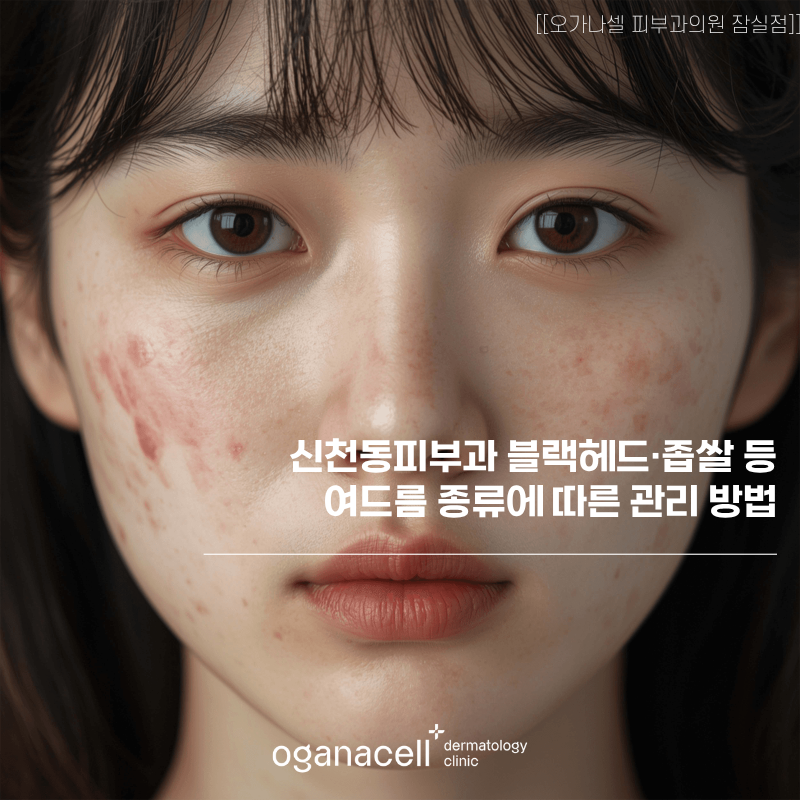
Acne patterns that commonly occur depending on skin type
Sincheon-dong Dermatology
- Oily skin with a lot of sebum
Blackheads and whiteheads are concentrated
When sebum cannot fully be discharged from the skin surface,
it oxidizes at the pore opening and appears as a blackhead,
or it stays white inside and remains as a whitehead.
It often appears especially in the T-zone, such as the nose, forehead, and center of the chin.
- Sensitive, dry skin
Repeated small bumps and red papules
When the skin barrier weakens and dead skin cells lift up, sebum
cannot escape and becomes blocked inside the pores,
rising to the surface in the form of small grains like "small bumps."
If irritation repeats, it can easily develop into
red, swollen papules.
- Skin with major hormonal changes
Concentrated around the chin and mouth area
Especially before and after menstruation, or when daily routines are irregular,
redness may appear around the jawline,
or inflammation may repeatedly occur in the same spot.
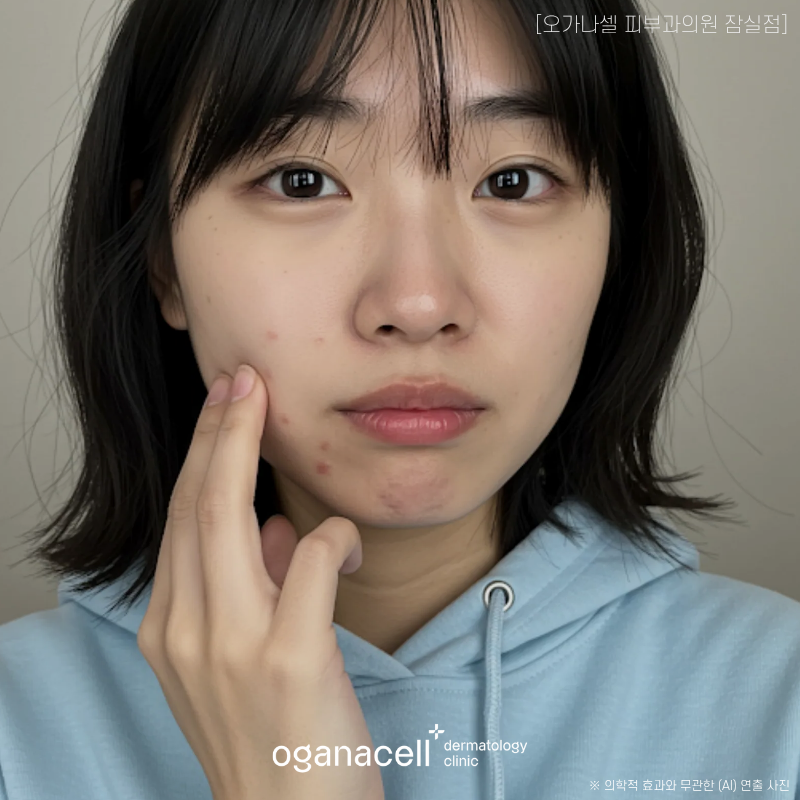
Characteristics of each acne type and the direction of care
Sincheon-dong Dermatology
✔ Blackheads (open comedones)
Sebum and dead skin cells oxidize in the pores and appear dark,
a form that does not hurt, but squeezing with your hands can enlarge the pores!
If you look at people who frequently squeeze them, you can easily see pores becoming larger
and rougher, like a strawberry nose.
Avoid excessive extraction in daily life, and gentle cleansing,
along with balanced exfoliation management, may help.
✔ Small bumps/whiteheads (closed comedones)
There is no pus, but they appear as small raised bumps.
They are common in sensitive skin and can become inflamed if they repeat!
Above all, reducing skin irritation is basic, and along with restoring the oil-water balance,
check whether any of the products you use in daily life contain irritating ingredients.
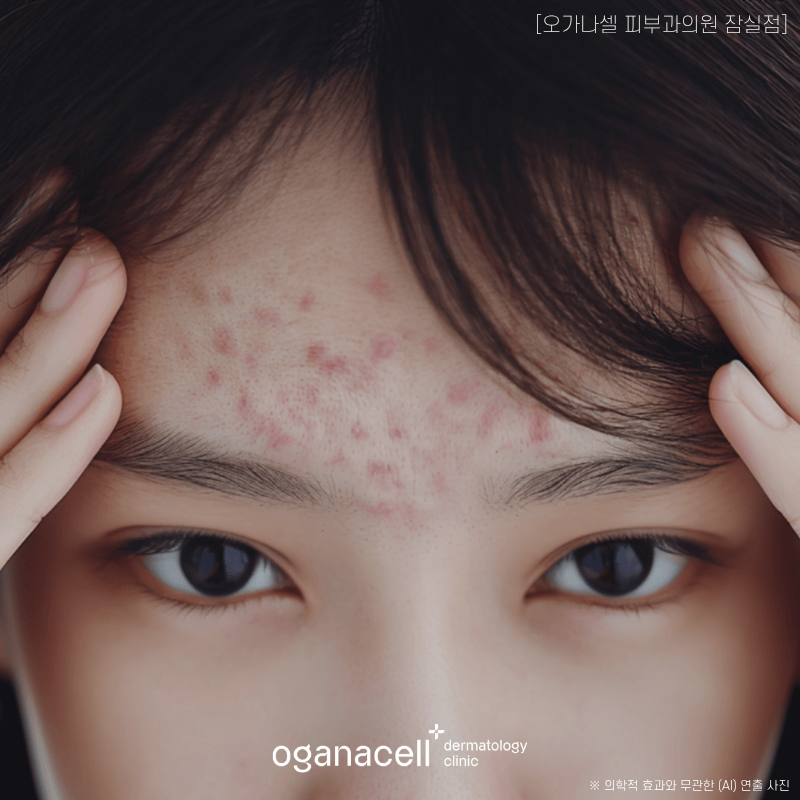
✔ Papules and pustules (inflammatory acne)
This is the stage where the skin becomes red and swollen or pus is visible,
and it feels stinging and painful; if handled incorrectly, scars may remain.
We do not recommend squeezing it yourself, and even when doing home care,
rather than changing skincare products, it may be important to check the causes of irritation.
Also, if necessary, professional care to calm the inflammation may be needed.
✔ Deep acne (nodules and cysts)
This is a form in which inflammation progresses deep within the skin,
and it is large, hard, and strongly painful and warm...!
It is the stage with the highest risk of scarring among acne types.
Again, irritation or squeezing is not recommended, and it is necessary to
monitor and manage the skin condition consistently.
Rather than leaving it untreated, we also recommend early dermatology care.
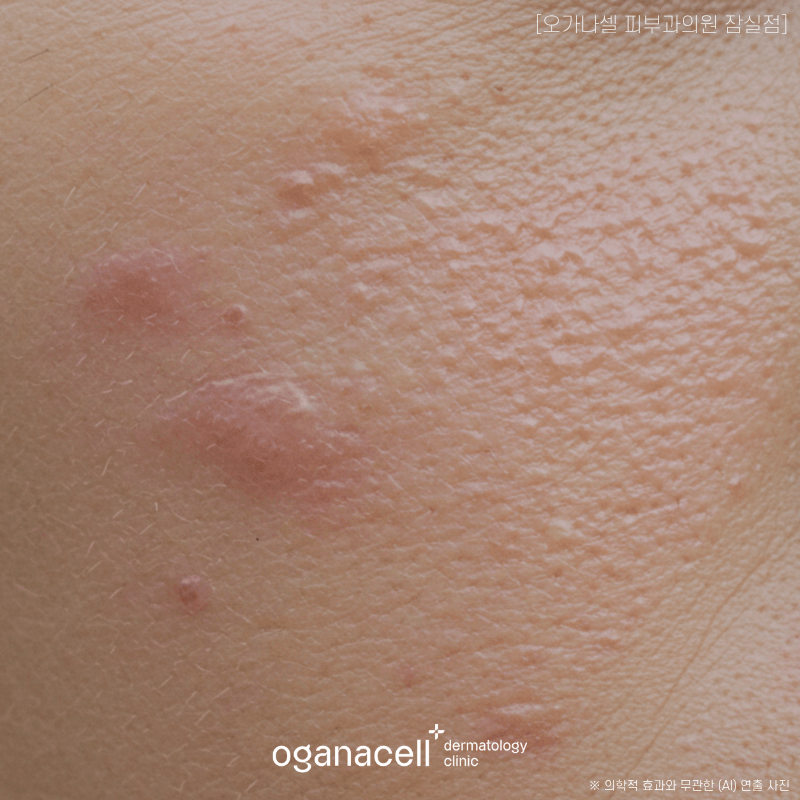
Acne characteristics by area
Sincheon-dong Dermatology
Because the reasons acne appears differ by area,
understanding the pattern makes the direction of care much clearer.
Forehead/hairline → Residue from hair products, irritation from hair
Around the cheeks → Friction from masks, dryness, weakened barrier
Chin and around the mouth → Hormonal changes, the habit of touching with hands
Around the nose → Increased sebum, cleansing residue
Chest and back → Sweat, oil, irregular shower routine
These can vary from person to person, and if acne repeatedly
appears in a specific area, we recommend first checking the cause
that fits that area^^
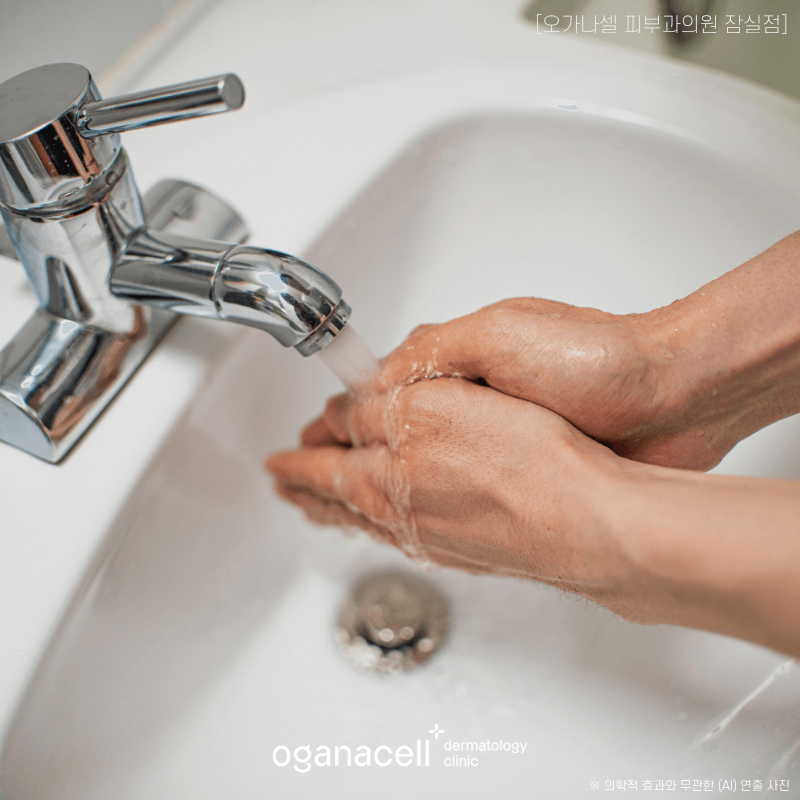
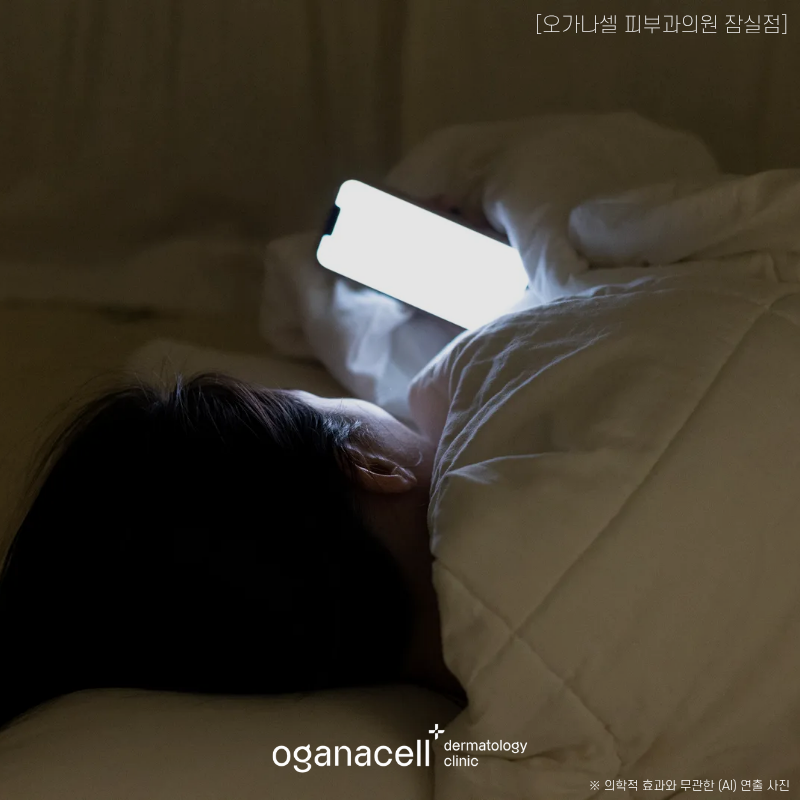
Habits that worsen acne
Sincheon-dong Dermatology
Acne can be affected by hormonal changes depending on the period,
but even one small habit can worsen the condition.
For example,
Excessive cleansing and scrubbing!
Incorrect product layering!
Irritating foods and irregular eating habits!
Lack of sleep and stress!
Makeup-related issues!
Moisture and friction inside masks!
In particular, repeated squeezing can make acne deeper or cause pigmentation,
so caution is needed.
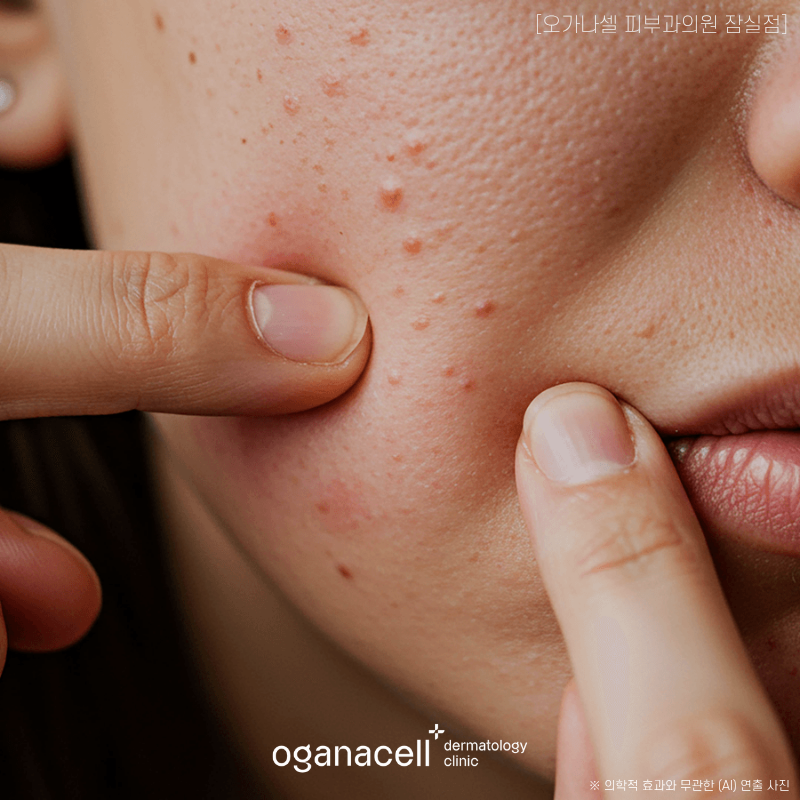
Why direct squeezing is dangerous
Sincheon-dong Dermatology
Because you keep seeing it and it keeps bothering you, your hands keep going to it.
However, if you squeeze it by hand or forcefully extract it,
it may look like only the surface has been emptied for a moment,
but deep in the skin the core remains as it is, which can lead to
more severe inflammation or leave scars...!
Because acne is a skin condition that is very sensitive to irritation,
safe care is more important than touching it directly.
Depending on the type of "acne,"
care methods should be different!
Blackheads, small bumps, inflammatory, nodular, and cystic acne
all have different causes and conditions under which they appear,
so the direction of care must also be different.
Sincheon-dong Dermatology, Ogana Cell Dermatology Clinic Jamsil Branch,
analyzes each person's skin type, acne type,
and area of occurrence in detail, and provides 1:1 personalized
acne care guidance.
To properly manage various types of acne, first,
it is most important to identify what form of acne is appearing on your skin^^
Thank you.






#Sincheon-dong Dermatology #GoodSincheon-dongDermatology #FamousSincheon-dongDermatology #Sincheon-dongAcneDermatology #AcneTypes #AcneManagementMethods