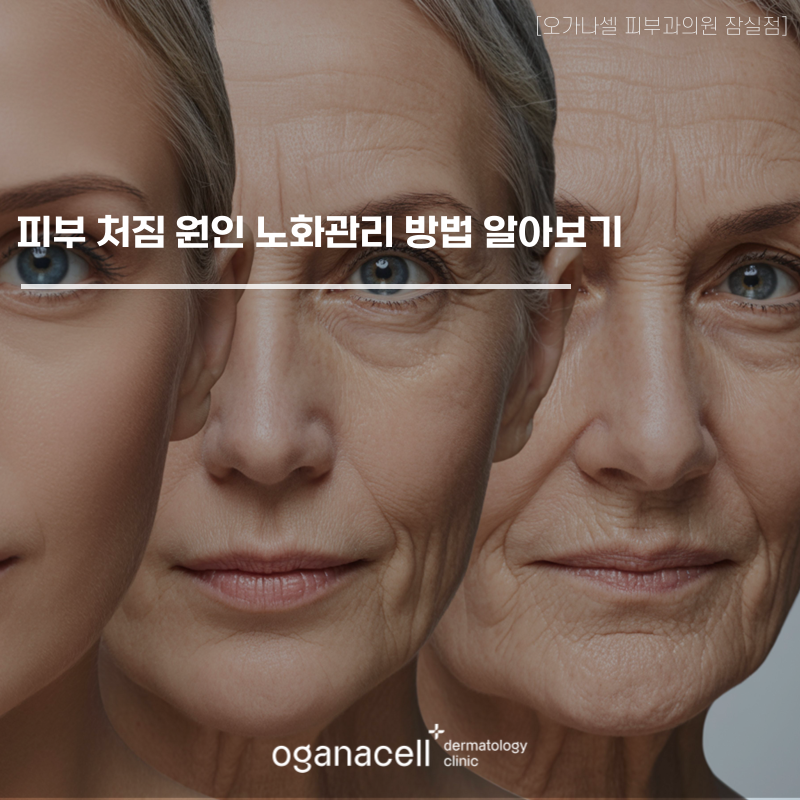
As we get older, it is natural for the face to sag.
However, the degree of aging differs from person to person depending on lifestyle habits, facial expressions, and other factors. But if there are wrinkles or facial sagging that feel especially bothersome,
the face may seem to be pulled downward, or nasolabial folds may stand out even when you are not smiling.
In particular, even if you have not gained much weight, you may start to feel that the cheeks have sagged and the jawline has become less defined,
which can make you think, “Is this what getting older feels like?”
Skin sagging is often not a change that appears all at once, but rather something that builds up little by little until it becomes noticeable.^^
Is skin sagging simply because of age?
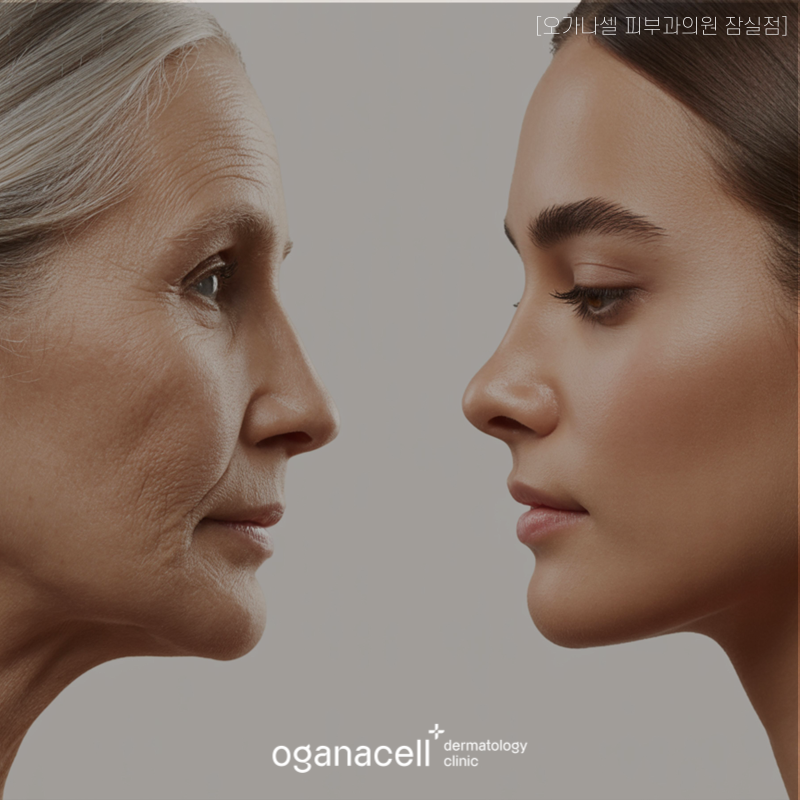
While people often think of “aging” as the biggest reason skin sags,
in reality, several factors work together.
Inside the skin, structural components that support elasticity are in balance, maintaining the skin’s shape.
When this balance begins to break down,
it can lead to sagging or wrinkles.
Factors that influence this include UV exposure,
dry environments, lack of moisture,
frequent fatigue and stress, and lifestyle habits.
Changes that appear when skin elasticity declines
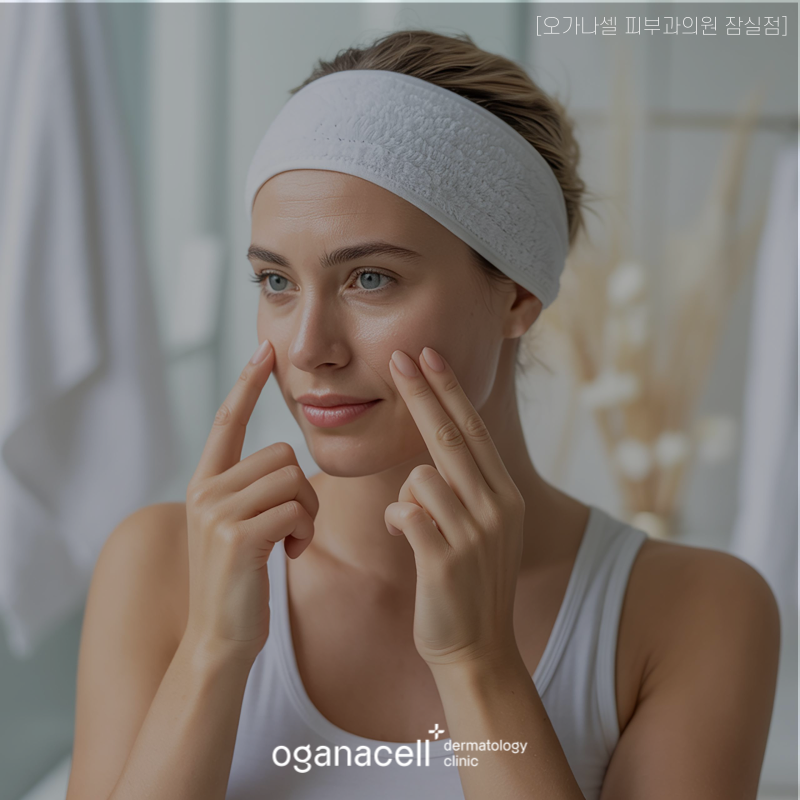
When skin elasticity decreases, you may notice the following changes.
A feeling that the cheeks are pulled downward
A less defined facial outline
More noticeable nasolabial folds, forehead lines, and eye wrinkles
Skin feeling thinner and looser to the touch
An overall appearance that looks older
These changes often occur not because of a surface skin problem, but because the support structure inside the skin has weakened.
Factors in daily life that accelerate aging

Skin sagging is closely connected to lifestyle habits as well.
If sun protection is insufficient,
the skin’s elasticity-related components can be used up more quickly,
and prolonged exposure to dry environments can weaken the skin barrier,
making it harder to maintain elasticity.
Also
lack of sleep, repeated fatigue, and irregular eating habits can also act as factors that slow the skin’s recovery process.
When home care starts to feel limited
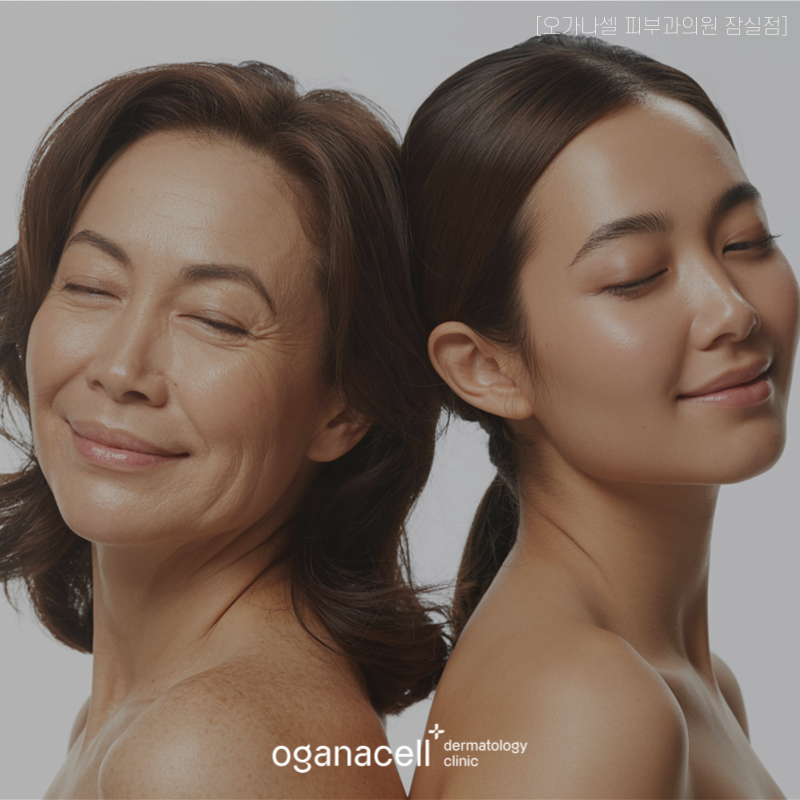
With daily care such as moisturizing, massage, and functional cosmetics, early loss of elasticity can be managed to some extent.
However,
if sagging has already become noticeable or changes in the facial contour are clearly visible, it may be difficult to feel a satisfying difference with home care alone.
At this point, many people become curious about dermatology-based elasticity care.^^
The right elasticity correction method differs for each person
There are several approaches to managing skin sagging.
Depending on skin condition and the degree of sagging, various elasticity care methods in dermatology, such as Thermage, Ulthera, and Alltite, may be considered.
However, because their depth of action, method, and purpose are different,
it is difficult to say that the same choice is the right answer for everyone.
The important thing is to carefully examine your current skin condition,
compare the options, and make a careful decision.
Ogana Cell Dermatology Clinic Jamsil Branch
1:1 Elasticity Correction

Skin sagging is a change that is difficult to explain by age alone.
Because the speed and pattern can vary depending on the living environment, skin condition, and care history,
it is important to find an aging management method that suits you.
Dermatology elasticity care includes Thermage, Ulthera, and Alltite,
and while there are several options, the care method and the way it feels can differ depending on each person’s skin condition.
That is why I hope you will make your decision after receiving a thorough diagnosis from a dermatologist.
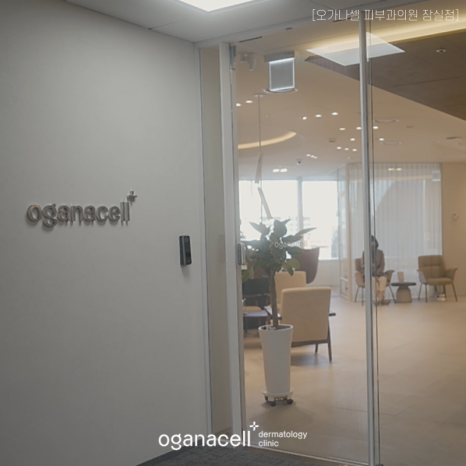
Ogana Cell Jamsil Branch is located inside the Medical Center on the 11th floor of Lotte World Tower. Thank you.^^
#SkinSagging #CausesOfSkinSagging #AgingCareMethodsForSkin