“My skin feels like it gets dry more easily than before.”
“My jawline and neck wrinkles keep catching my eye every time I look in the mirror...”
“My skin texture has become rough, and makeup doesn’t sit well anymore.”
.
.
.
Skin sends different signals depending on lifestyle habits, the environment, and age-related changes.
In particular, during seasonal transitions or periods of accumulated fatigue, the skin barrier can become more sensitive, and people often notice inner dryness, breakouts, and reduced elasticity at the same time.
Today, let’s talk one by one about some of the most common skin concerns that can be felt fairly easily in everyday life.^^
Is acne simply a matter of oil?
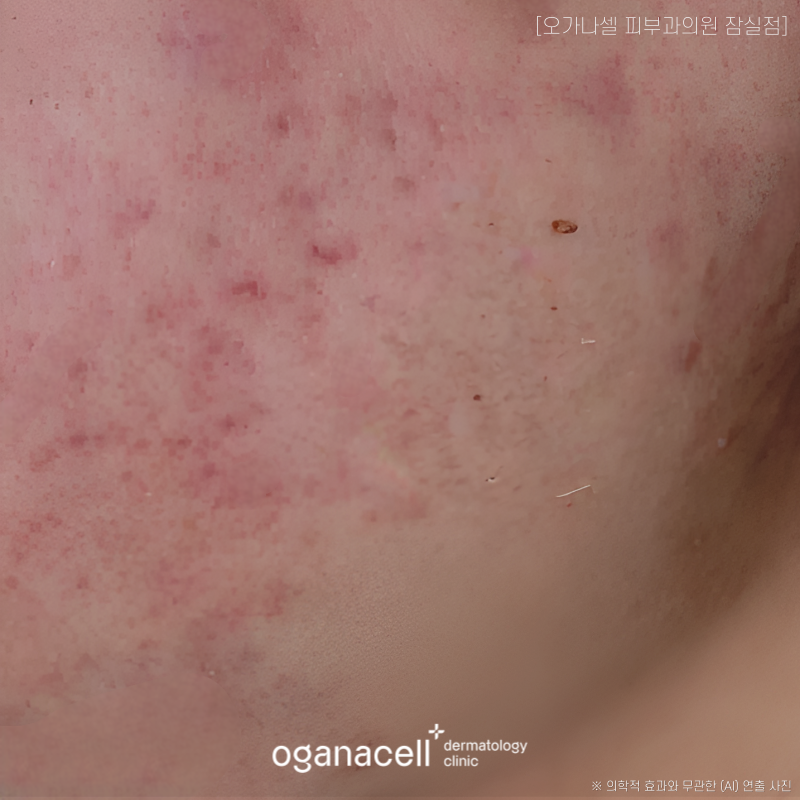
Acne does not occur simply because there is too much sebum.
Lack of sleep, stress, a weakened skin barrier, and frequent irritation can also affect it.
In particular, when the skin is sensitive and there is repeated squeezing or the use of harsh products, it can lead to red marks or other skin concerns.
Also, even if it looks like the same acne,
whether it is mainly sebum-based, inflammation-based, or strongly influenced by lifestyle habits
can change the direction of care.
Depending on the skin condition, acne care and soothing skin care may be considered together.
Why do scars remain?
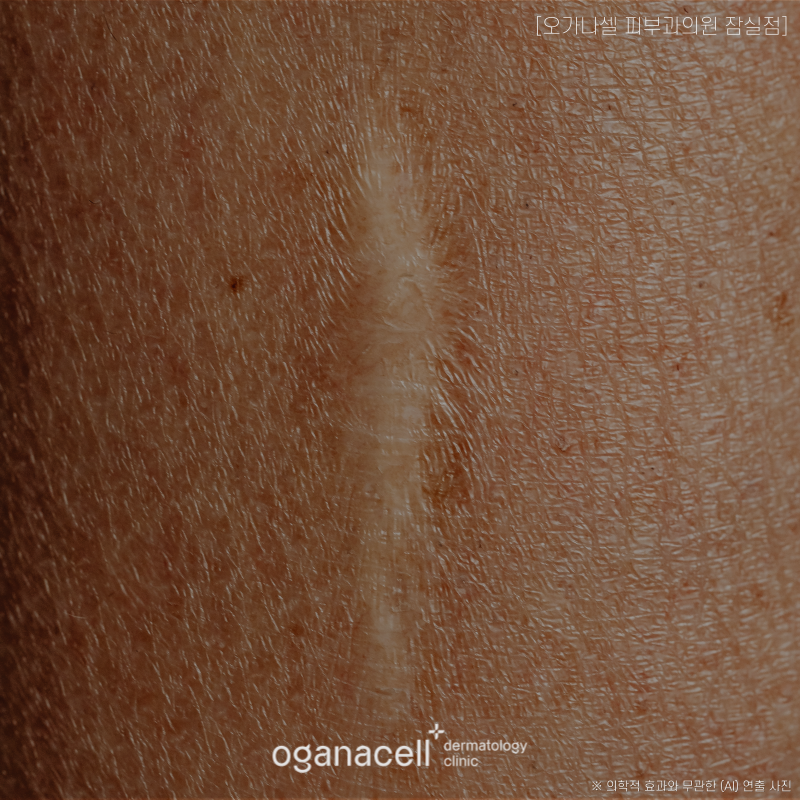
When skin is repeatedly exposed to inflammation or irritation,
traces can remain during the recovery process.
In particular, repeatedly touching or squeezing acne with your hands can lead to red marks or depressed scars.
Also, because the skin’s regeneration process and collagen environment both have an effect, even scars that look similar can differ in depth and shape from person to person.
Scars can sometimes look more noticeable depending on lighting or makeup, so many people feel stressed about them...!
Depending on the skin condition, skin care focused on scars and regeneration, or approaches such as Curejet and skin boosters, may also be considered.
Why does skin texture look rough?
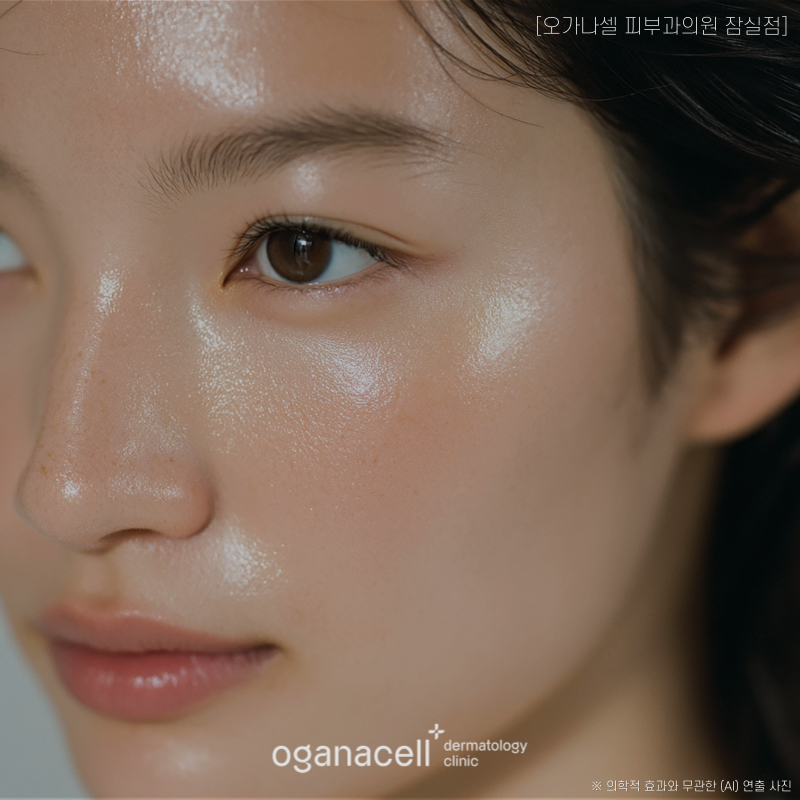
“Even when I wear makeup, my skin doesn’t look smooth.”
Concerns about skin texture are often not just a matter of dryness alone; pores, unevenness, and reduced elasticity can also play a role.
In particular, when the skin becomes thinner or shows signs of collagen loss,
small changes in skin texture can become more noticeable.
Also, repeated irritation or a weakened skin barrier can make makeup adherence seem worse,
or make the skin look rougher under lighting.
If skin texture and pore concerns are both present, care in the direction of Juvelook or Juvelan may also be considered.
The difference between skin dryness and inner dryness
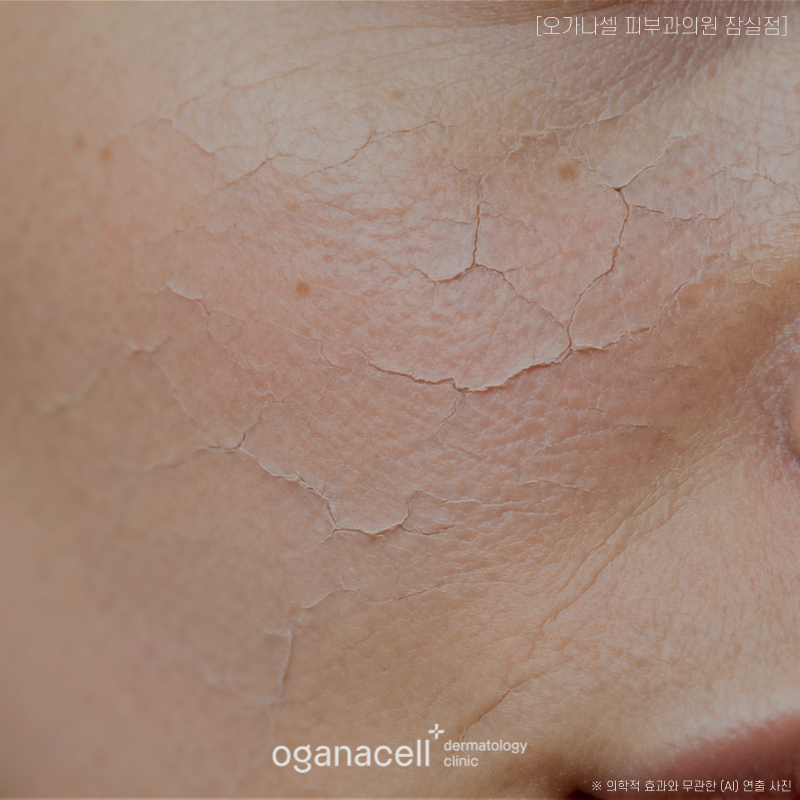
“The outside is oily, but the inside feels tight.”
This is one of the things we often hear in the clinic as well.
Especially during seasonal transitions, the skin’s internal moisture balance can easily become disrupted, and many people say the outside feels oily while the inside feels tight.
When this condition repeats,
it can lead to rough skin texture, makeup pilling, or changes that look like fine wrinkles.
Also, repeated exposure to heating and cooling environments, frequent cleansing, and lack of sleep can make the feeling of inner dryness worse.
So rather than simply applying a lot of products, it is important to manage moisture in a way that matches the current skin condition.
When inner skin dryness and skin texture concerns are present together, care in the direction of skin boosters such as Skinvive may also be considered.
Skin changes caused by aging
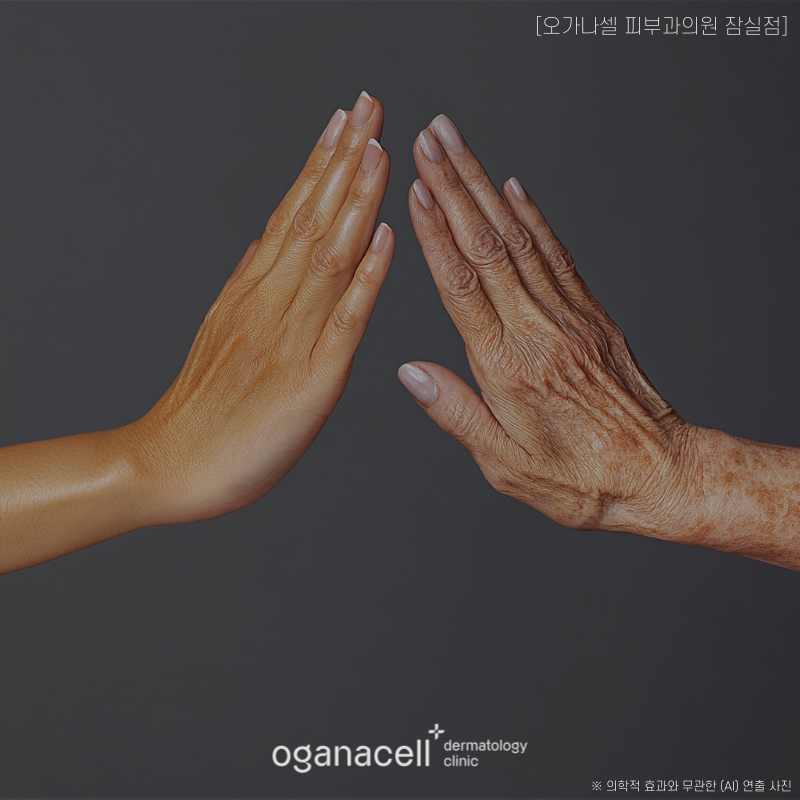
Skin aging is not simply limited to the appearance of one wrinkle.
As collagen and elasticity within the skin decrease,
the jawline may look less defined,
and mid-cheek sagging or changes around the nasolabial area may appear together.
Some people also feel stressed because their skin seems thinner than before or because elasticity seems to collapse more easily.
Because of these changes,
many people become curious about lifting treatments such as Ulthera, Density, and Alltite.
However, even if the sagging looks similar,
the appropriate direction can vary depending on skin thickness, fat volume, and elasticity status.^^
Neck wrinkles are also strongly affected by lifestyle habits
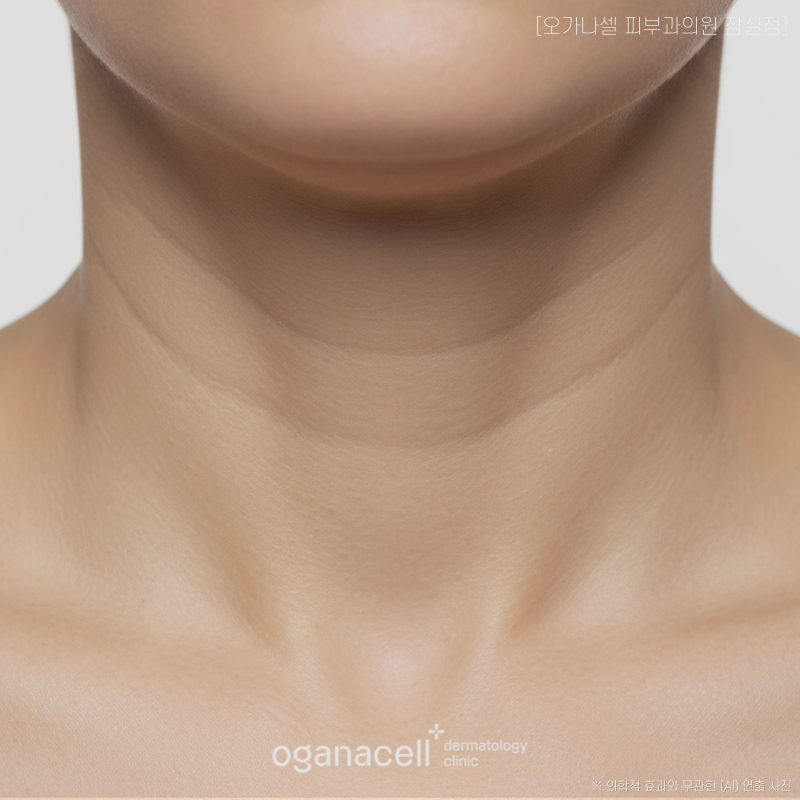
The skin on the neck is thinner than the face
and is a more mobile area, so it is relatively easily affected by lifestyle habits.
In particular, if you spend a long time looking at your smartphone
or repeatedly keep your head down,
horizontal neck wrinkles can become more noticeable.
One of the concerns we hear a lot from younger age groups these days is “neck wrinkles.”
Also, sleeping posture, skin dryness, and reduced elasticity can all play a role,
leading to vertical wrinkles or fine lines.
Because the neck area has thinner skin than the face,
an approach suited to the individual skin condition is important.
Above all, what matters most is care that suits my skin
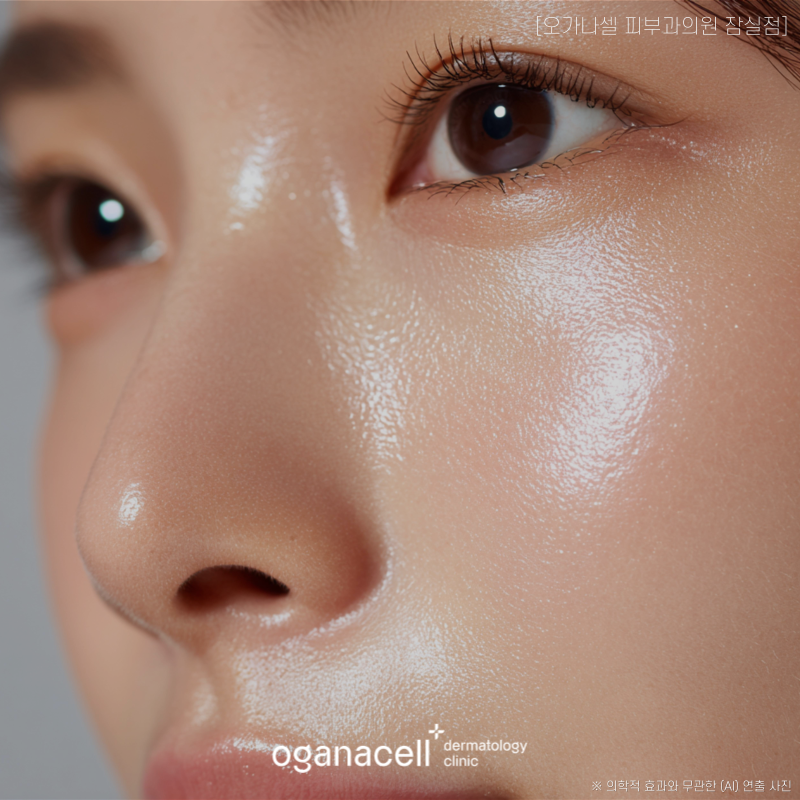
Even if it looks like the same skin concern,
the cause and skin condition can differ from person to person.
For some, inner dryness may be the main issue,
while for others, a weakened skin barrier or reduced elasticity may also be present.
So for skin care, rather than simply following a trending method,
it is important to consider your current skin condition and lifestyle habits together.
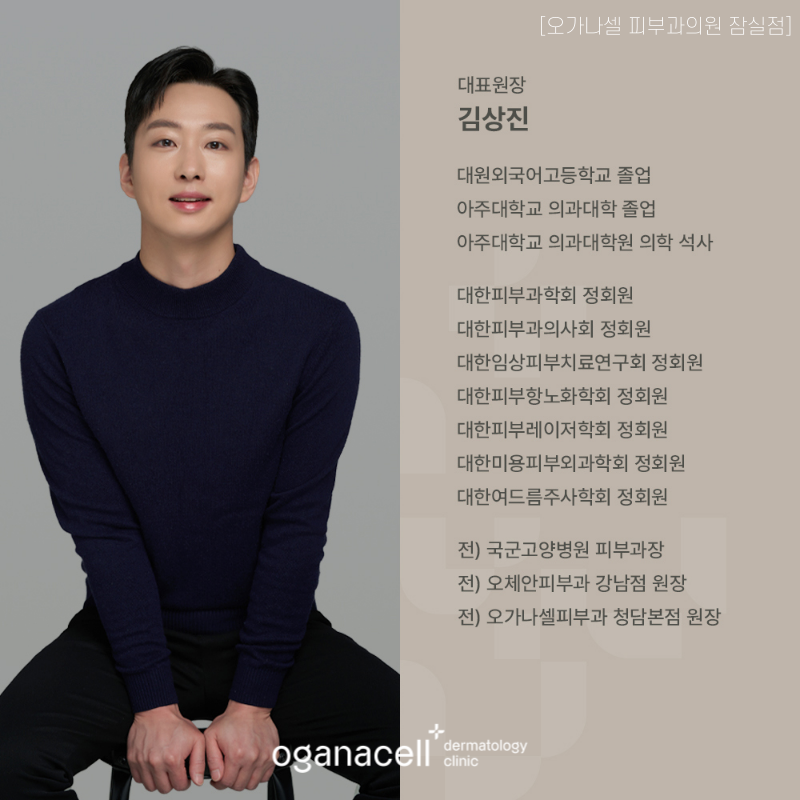
The Jamsil branch of Ogana Cell Skin Clinic
is staffed by a board-certified dermatologist who checks your skin condition one-on-one and provides care tailored to your individual skin type and concerns.
We guide patients through personalized skin correction that removes what is unnecessary and focuses only on what is needed.
We are located inside the Medical Center on the 11th floor of Lotte World Tower, just a 1-minute walk from Exit 1 of Jamsil Station,
so please feel free to contact us anytime.
Thank you!










#JamsilDermatologySpecialist