
The nose, positioned at the very center of the face,
has a significant influence on determining a person's
image based on its height, length,
and angle.
If you are unhappy with the current shape of your nose,
it may be possible to improve it
through a surgical solution.
Rather than simply making the nose
high and prominent,
it was preferable to refine it
while considering the characteristics
and appeal of the other facial features.
At our clinic,
we handled various cases,
including dorsal humps, crooked noses,
long noses, upturned noses,
and bulbous nose correction.
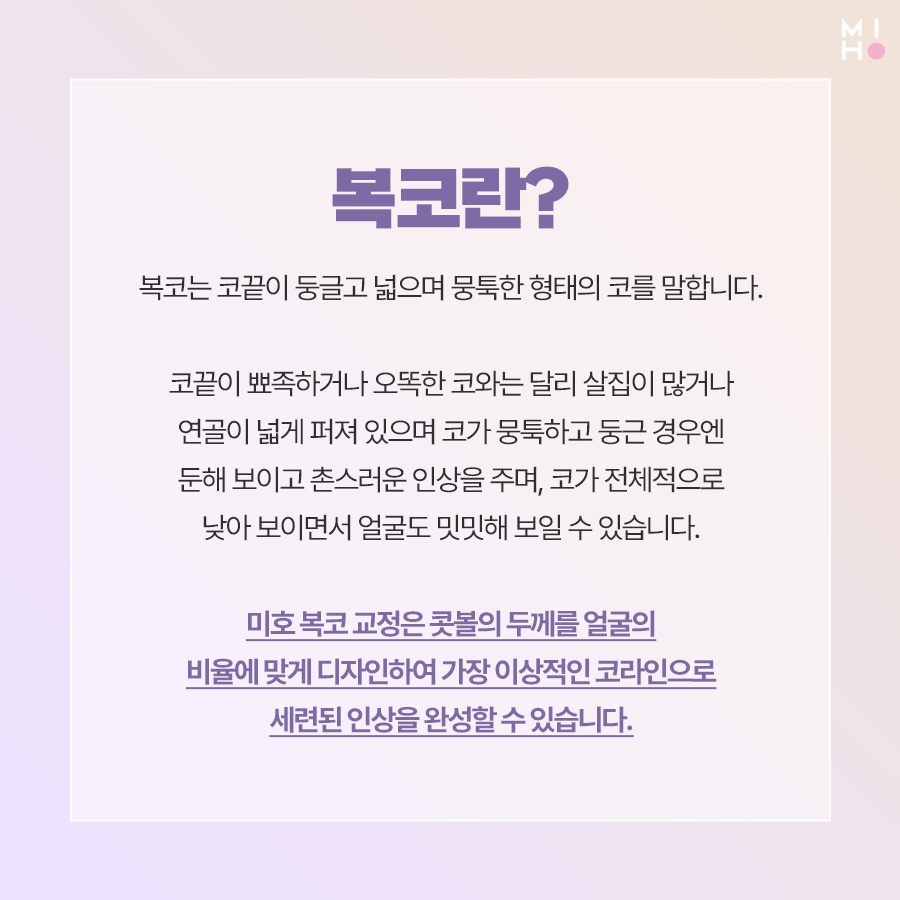
The shape commonly referred to as
a beautiful nose had a slightly concave area
just above the nostrils
when viewed from the side.
The tip and the nostrils were subtly
separated, creating a sophisticated impression.
However, if this area was not clearly separated
or the tip was blunt,
it could create an impression of being dull
or unsophisticated.
In physiognomy,
this type was called a “lucky nose,”
as it was believed to attract good fortune.
In the past, a generous-looking appearance
was viewed positively,
but these days, as refined and defined
images are preferred,
many people were instead
looking into bulbous nose correction.
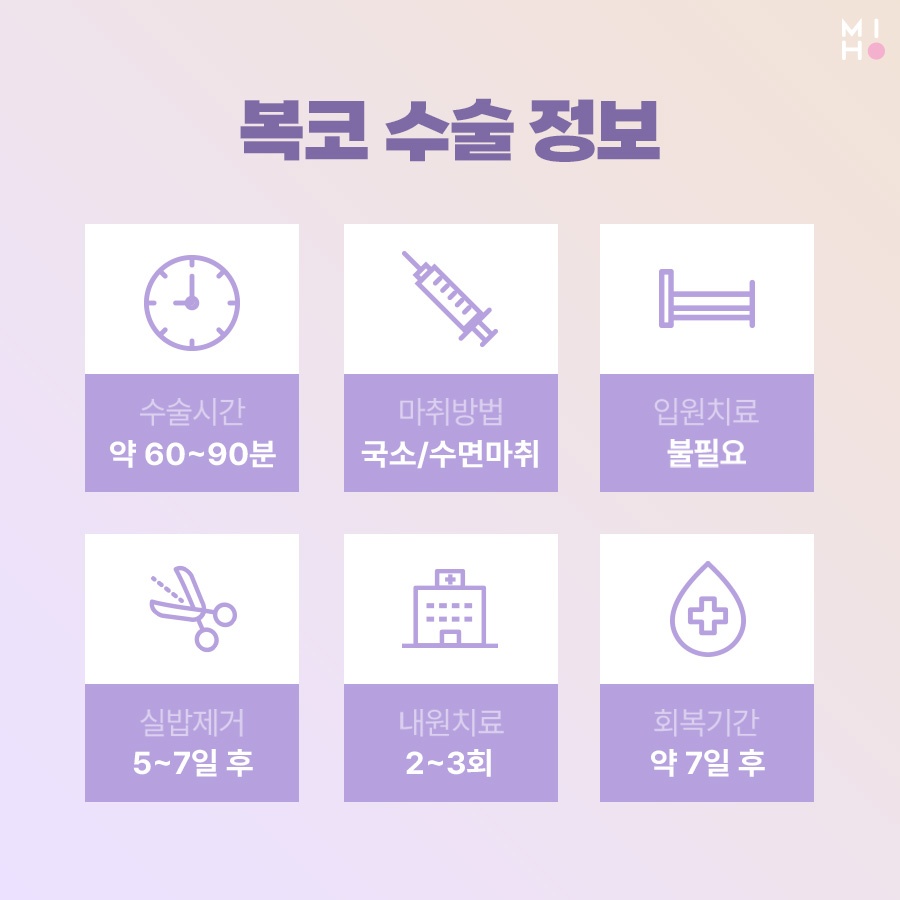
People sometimes tried to create shadows
with makeup products
to compensate for a blunt nose shape,
but this had limitations.
The effect was temporary, so the nose
returned to its original appearance
after removing the makeup,
and because only the frontal appearance
was being corrected,
there was little difference when viewed
from the side.
If the appearance had even become
a source of insecurity,
it could be worthwhile to consider
bulbous nose correction.
Even among bulbous noses,
the shape varied slightly from person to person.
Therefore, it was preferable to carefully
determine the individual's type
and then attempt improvement,
such as identifying whether only the cartilage
was spread out or whether the bones themselves
were wide.
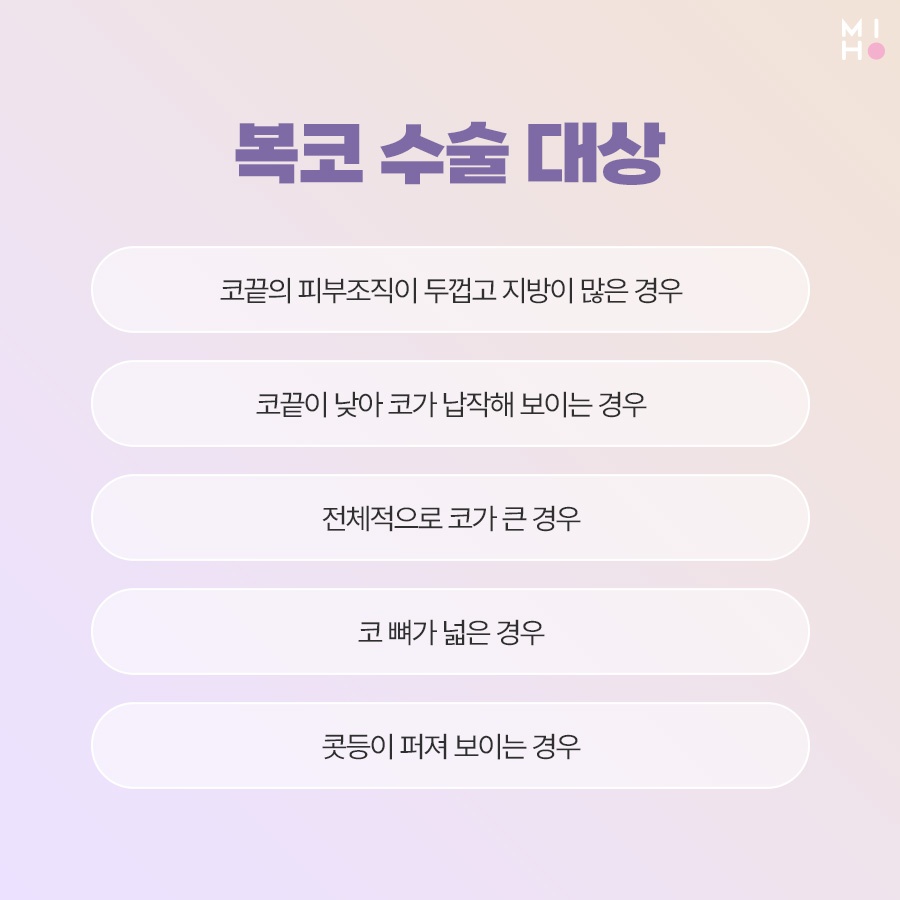
There were also several causes
for a nose to appear wide
and spread out to both sides.
The reason could not be determined clearly
based on the outward appearance alone,
because the inside of the nose
had a more complex structure
than people might expect.
Therefore, a preliminary examination
using 3D CT was necessary
to identify the cause.
At our clinic, the shape of the bones
and the condition of the cartilage
were assessed based on the examination results,
and an individually tailored solution
was devised and proposed to each patient.
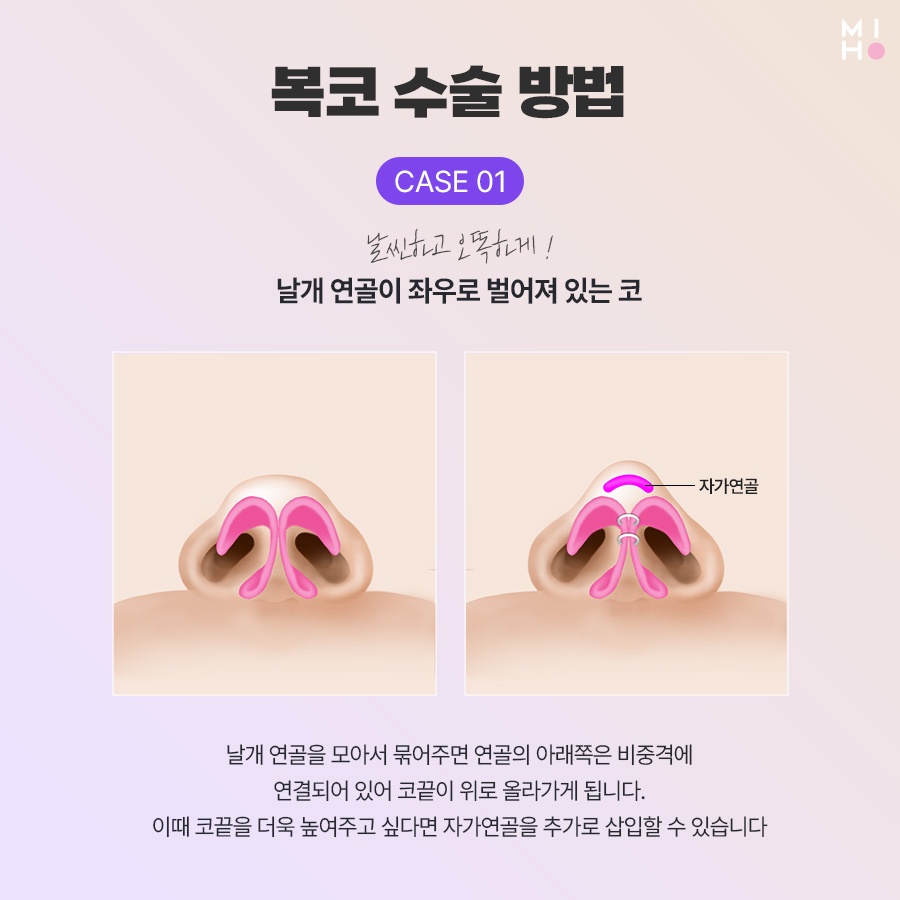
The bulbous nose correction process
involved different techniques
for each type.
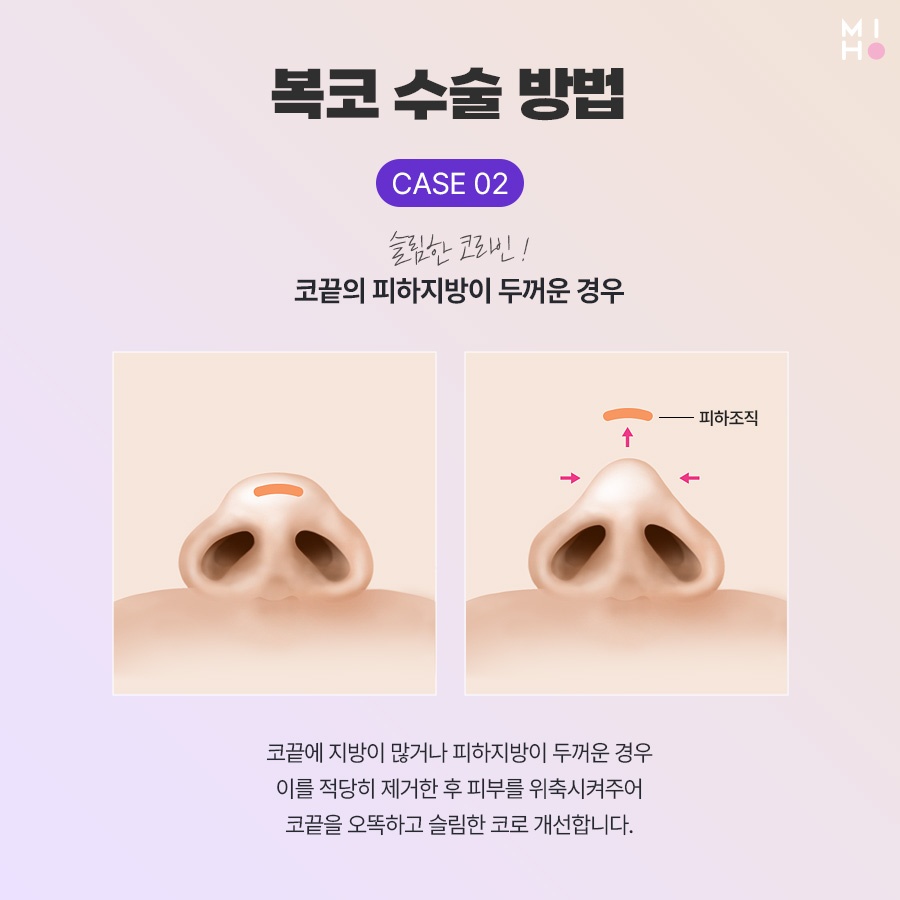
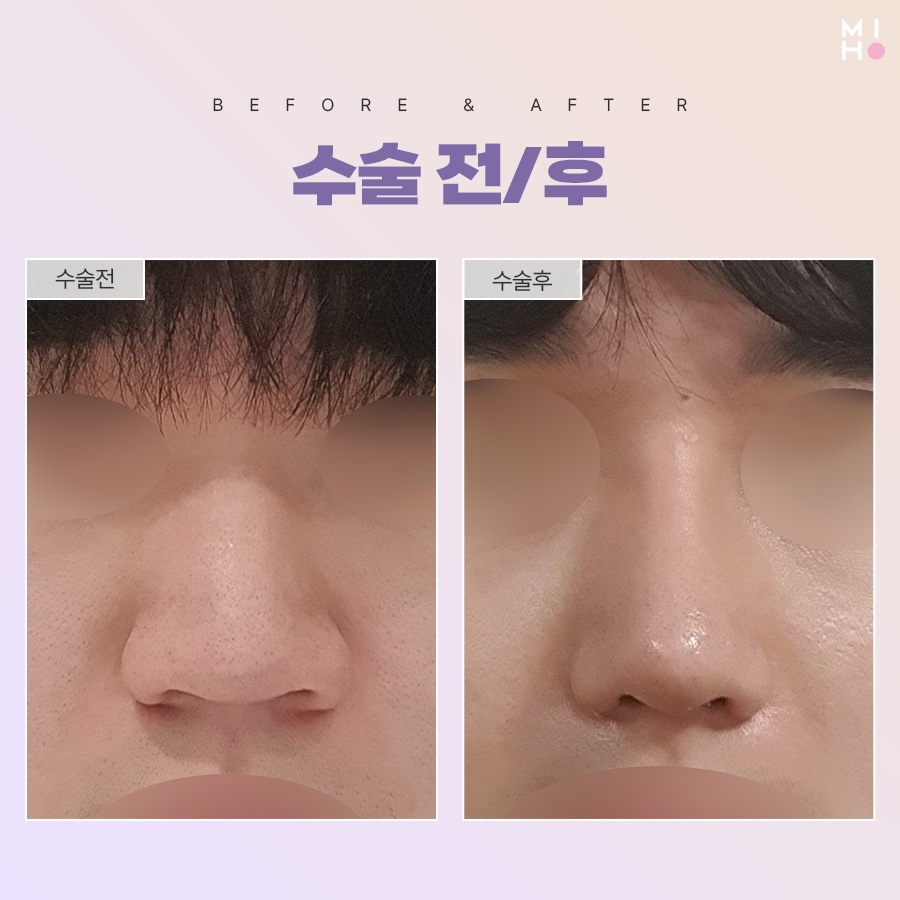
First, the shape of the alar cartilage,
that is, the cartilage of the nostrils,
was examined. If it was spread out,
it was brought toward the center.
If the skin was also thick,
it was slightly reduced from the inner side
to create a more defined shape.
This method could be performed
with or without excision.
If an incision was a concern,
sutures could also be used
to pull the area inward.
Depending on the circumstances,
a technique to raise the nasal bridge
could be performed at the same time.
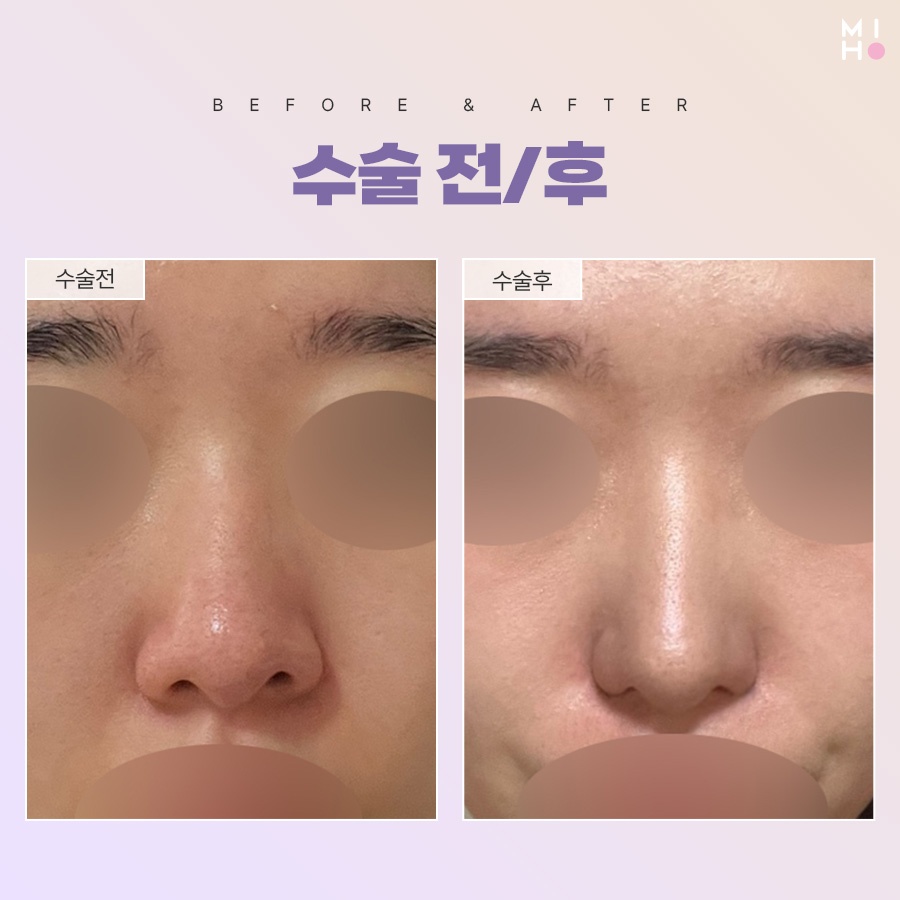
Reducing the area of the nasal tip
and raising the bridge could create
a slimmer, more defined line.
If the CT scan showed that the bones themselves
were wide,
an osteotomy was necessary.
An osteotome was used to cut along
the outer side of the nasal bones,
after which they were moved inward.
By partially cutting the bones,
their shape could be changed
and the width adjusted as desired.
This method was divided into an approach
performed from inside the nose
and one in which an incision was made
in the outer skin to insert the osteotome.
The former left no externally visible scar,
but fine adjustment was difficult.
The latter allowed for precise osteotomy,
but had the disadvantage of leaving a mark.

The detailed process of bulbous nose correction
varied greatly depending on the patient's needs
and the shape of the nose.
It was preferable to plan the design
after having a sufficient consultation
with the attending physician
before proceeding with the treatment.
What needed to be kept in mind
was that the design should suit
the individual's face
rather than simply following
a conventionally beautiful nose shape.
The satisfaction with the result could be improved
by applying a plan that considered
the line extending from the forehead to the chin,
the distance between the eyebrows,
and the horizontal width of the nostrils
appropriate for the individual's facial features.
If a large nose was considered a complex,
simply reducing its size indiscriminately
could produce an unnatural result.
Even in cases that looked similar externally,
the method applied varied
depending on the internal nasal structure.
To avoid having to undergo a second
or third attempt,
thorough preliminary examination
and sufficient discussion
with the attending physician were necessary.
No matter how strong the medical professional's
sense of aesthetics was,
if the result did not meet the patient's expectations,
it would be difficult to consider it a success.
Therefore, the patient's desired outcome
needed to be communicated clearly
to the attending physician.
Like any other surgical solution,
this procedure required proper aftercare.
Immediately afterward, the nose was secured
with a protective device and tape
to protect it,
which was maintained for approximately one week.
Until an implant or osteotomized bone
had fully settled into place,
impact or pressure on the area
needed to be avoided.
Because infection could occur through
the incision site,
careful hygiene was also essential.
Daily activities were possible
from one to two weeks afterward,
but when an osteotomy had been performed,
bruising could spread to the area around the eyes,
so it was advisable to keep this in mind
when undergoing the treatment.
For a faster and smoother recovery,
it was advisable to avoid bending the head
or chewing hard foods.
It was also recommended to sleep
on one's back whenever possible,
and those who wore glasses were advised
to wait approximately two weeks
before wearing them.
To prevent inflammation,
smoking and drinking alcohol
needed to be avoided for at least four weeks,
and medications prescribed by the medical institution
should be taken according to the dosage instructions.
Compared with a low or crooked nose,
bulbous nose correction was a relatively
more technically demanding solution.
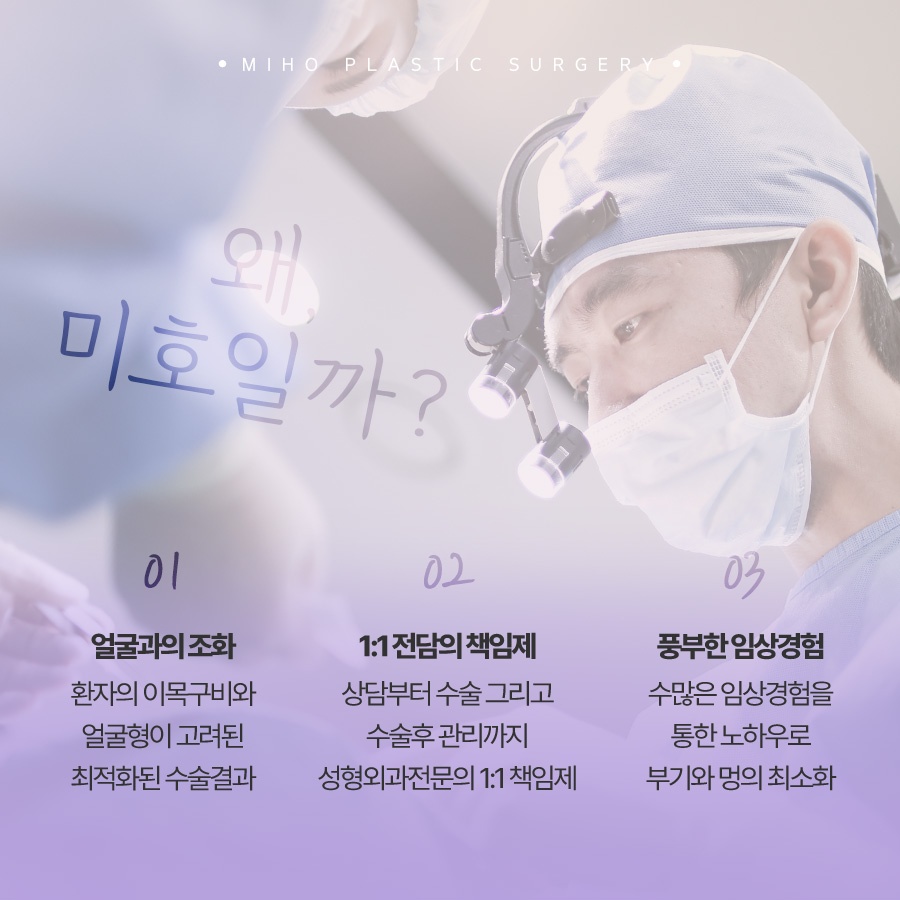
It was hoped that patients would consult
an attending physician experienced
in treating blunt noses
and receive a method suited to their individual needs
to achieve a more attractive appearance.


Previous image
Next image