Functional nasal surgery insurance coverage can help achieve good results at a lower cost

Recently, more people seem to be
suffering throughout the year
from conditions such as nasal
congestion and rhinitis.
They continue to visit an
ear, nose, and throat clinic,
but often complain that their
symptoms improve only while
they are taking medication,
with no fundamental solution
to the problem.
If this situation
continues,
using functional nasal surgery
insurance coverage to correct
the problem can be an effective
option.
Because structural abnormalities
are also corrected, the results
are considered favorable. In
addition, if the procedure is
covered by indemnity insurance,
it may be possible to reduce the
financial burden, which is why
satisfaction is generally high.

Functional nasal surgery
insurance coverage cannot be
used at any time or in every
case.
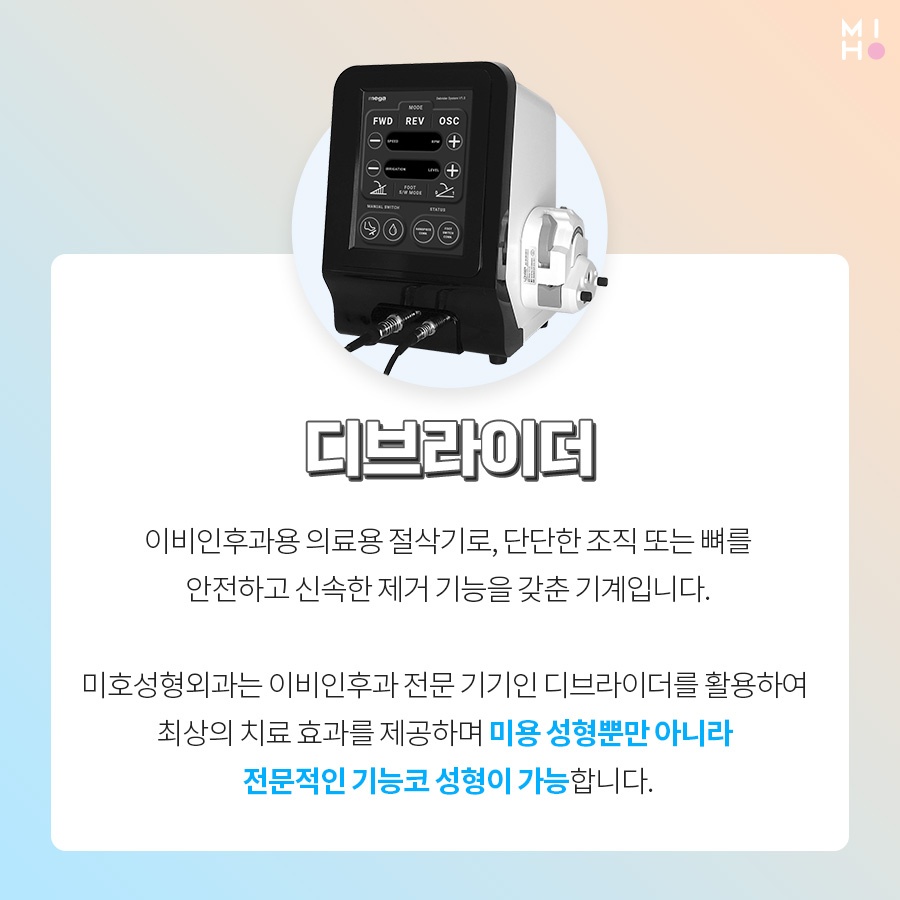
First, it may apply when a
person is diagnosed with a
deviated septum, in which the
cartilage and bone between the
two nasal passages are bent.
This condition can cause nasal
congestion, rhinitis, and
chronic sinusitis. It is also
sometimes considered a factor
that worsens existing diseases.
It can also cause the nose to
look crooked externally or cause
the tip to droop, often leading
to appearance-related stress or
reduced self-confidence. When
abnormal symptoms are detected,
it is therefore advisable to
correct the shape and reduce the
discomfort.
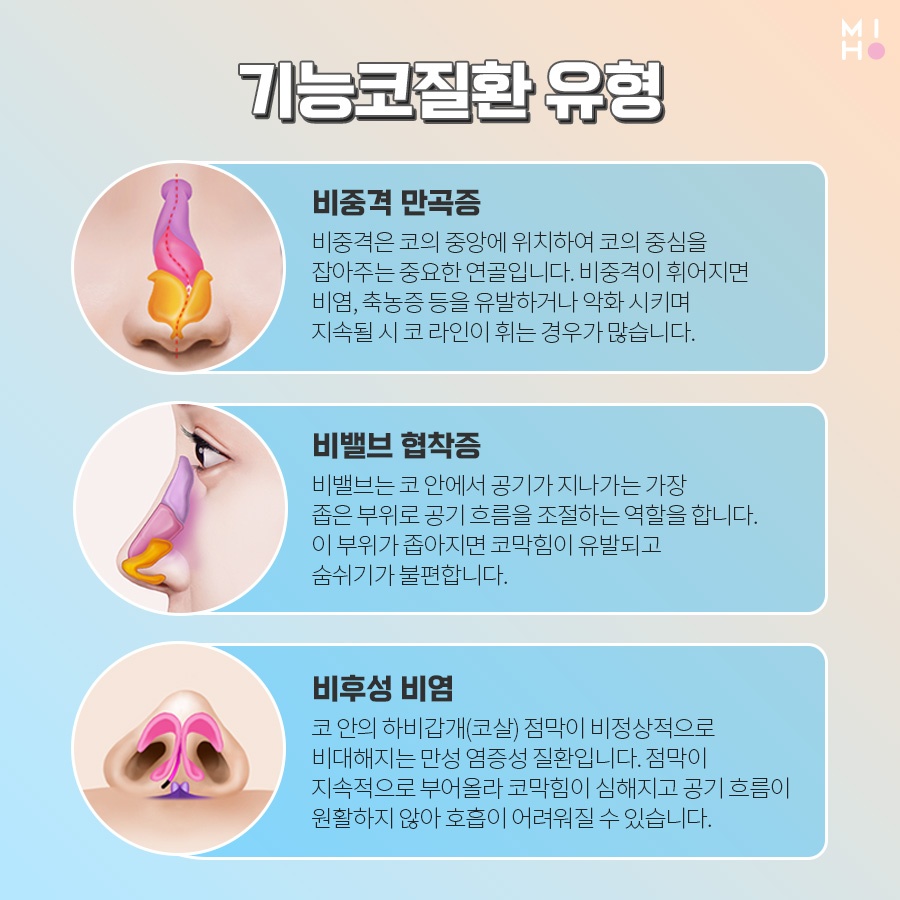
Functional nasal surgery
insurance coverage can also
help address nasal valve
stenosis.
This condition occurs when the
nasal valve, located about
7–8 mm inside the nostril
entrance, narrows because of
inflammation, a tumor, a saddle
nose, or other causes, resulting
in nasal congestion or breathing
difficulties.
A frequently used method in
such cases is nasal valve
reconstruction. This naturally
raises the height of the roof
inside the nose, making it easier
to breathe.
In particular, because the shape
of the inferior turbinate and
lateral nasal wall may also need
to be corrected during the
process, it is widely considered
to improve aesthetic aspects as
well.
Finally, positive results are
also frequently observed in
hypertrophic rhinitis, drawing
attention to this treatment.
This condition occurs when poor
airflow within the nasal cavity
causes friction with the mucous
membrane, resulting in swelling
and inflammation of the internal
tissues. In the early stages,
symptoms mainly include a runny
nose, nasal congestion, itching,
and sneezing, so it is easy to
mistake the condition for a cold.
However, once it becomes chronic,
the turbinates enlarge and the
structure inside the nasal cavity
changes. This can also lead to
sinusitis, snoring, sleep
disorders, and sleep apnea, so
appropriate measures are needed
before the condition worsens.

Recently, various devices have
been used to diagnose and address
these symptoms, attracting
considerable attention.
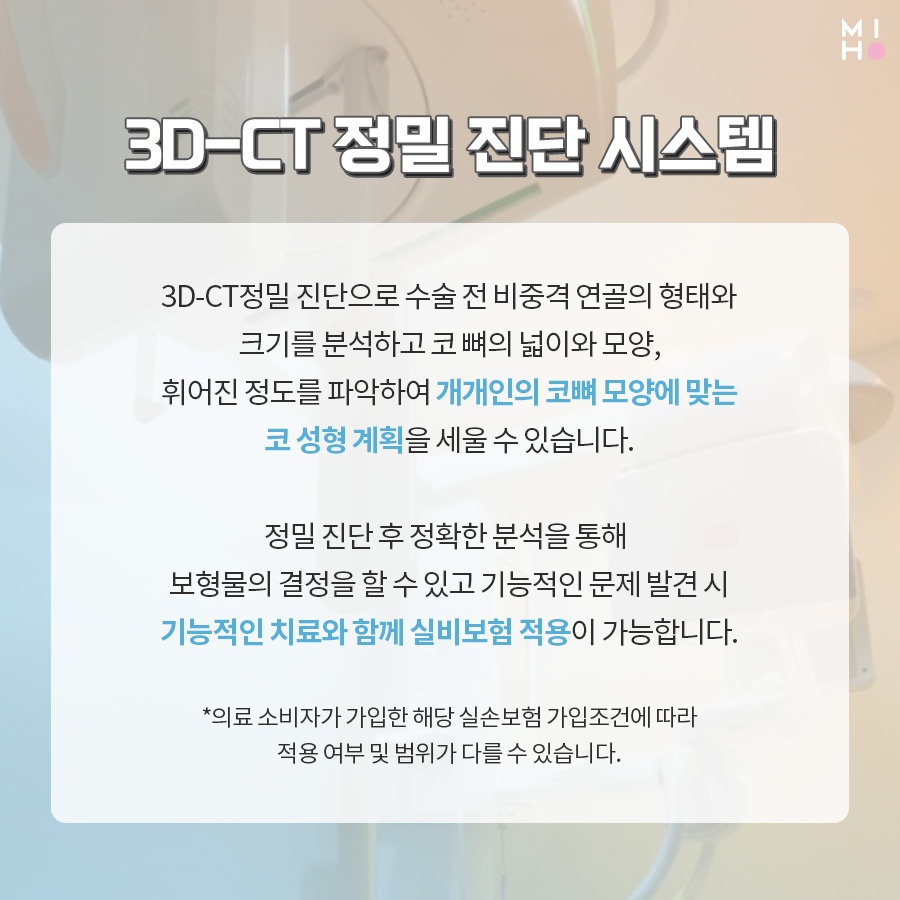
One such approach uses 3D CT
scans. This is useful for
identifying the width of the nasal
bones, whether there are fractures,
and other factors to determine
appropriate treatment.
At the same time, it is possible
to assess not only the shape and
position of the cartilage but also
the degree of deviation. This is
considered useful for determining
the necessary implants and
incision sites.
If functional problems are also
detected, the procedure may be
recognized as eligible for
indemnity insurance coverage,
potentially producing two benefits
at once.
In addition, it is important to
prove that the nose's actual
function has improved and that
the procedure qualifies for
functional nasal surgery
insurance coverage.
An otolaryngology debrider is
used for this purpose. Equipped
with a low-friction, direct-drive
motor, it is well suited to
minimizing damage to the turbinate
mucosa when correcting bent bones
and other structures.
It is also considered attractive
because its light weight reduces
hand fatigue, while the handpiece
is equipped with straight-through
suction, which helps maintain
visibility during cutting.
When the medical team's expertise
is added to this, achieving better
results is not difficult.
First, the size and shape of the
septal cartilage and bone are
analyzed.
If the person is experiencing
difficulties because of a deviated
septum, the overall shape is also
corrected along with the septal
correction procedure.
If inferior turbinate hypertrophy
inside the nose is the problem,
the enlarged tissue can be removed
and reduced to relieve the
discomfort.
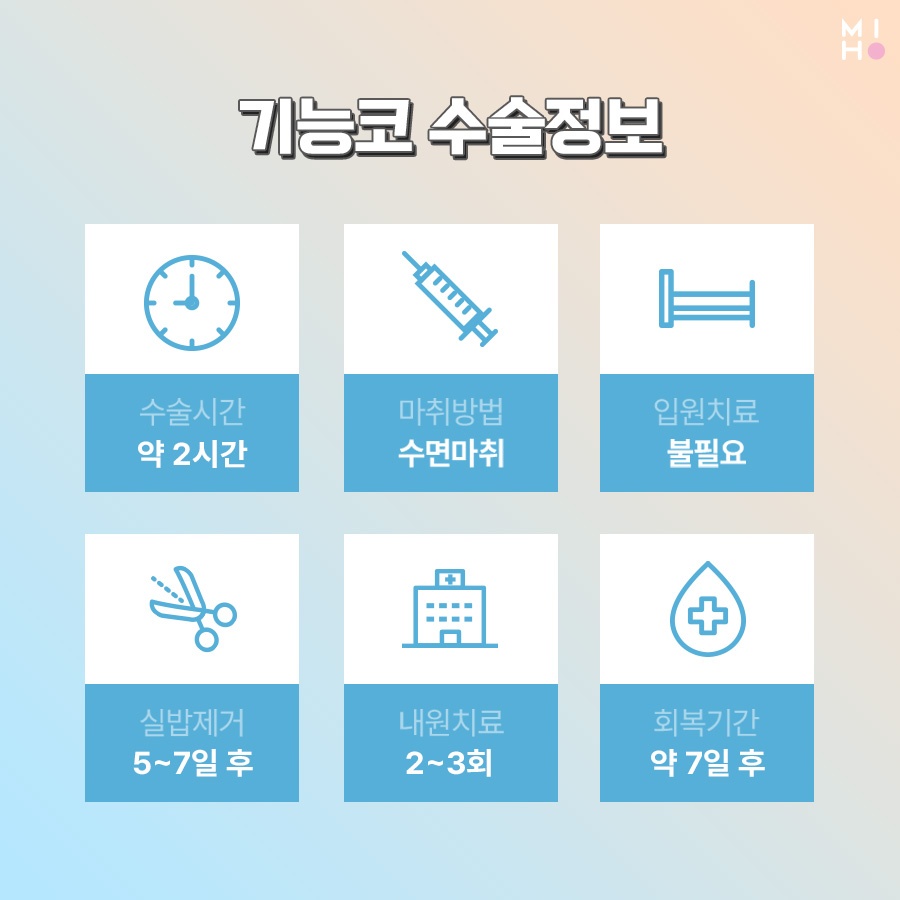
However, it is worth remembering
that the correction takes about
two hours and requires a recovery
period of approximately seven
days, including suture removal.
Once the procedure is determined
to be eligible for functional nasal
surgery insurance coverage,
implants may also be used.
A representative example is
silicone, which has received
approval from the U.S. Food and
Drug Administration. It does not
easily change shape and has a low
likelihood of causing inflammation,
so it is also popular among
consumers.
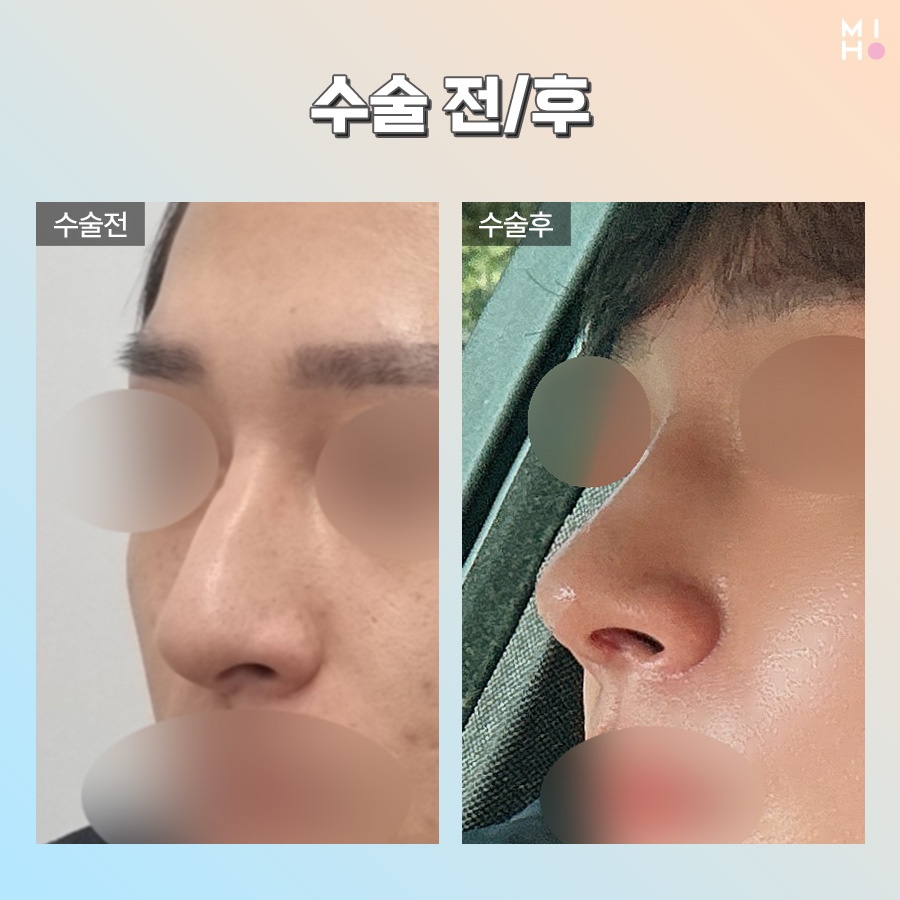
Another material considered
comparable is Fitme Nose.
This product is manufactured on a
one-to-one customized basis using
3D customization technology based
on CT data. Because it is easy to
create a shape optimized for each
person's nasal bones, it is also
well suited to reducing problems
such as bending and lifting.
AlloDerm, made by processing
human skin and removing components
that can trigger immune rejection,
can also be useful.
It is mainly used to raise the tip
of the nose or to cover silicone
when the skin on the bridge of the
nose is thin. Since it is not easily
absorbed by the body, it is also
widely considered suitable for
correcting the shape of the nose.
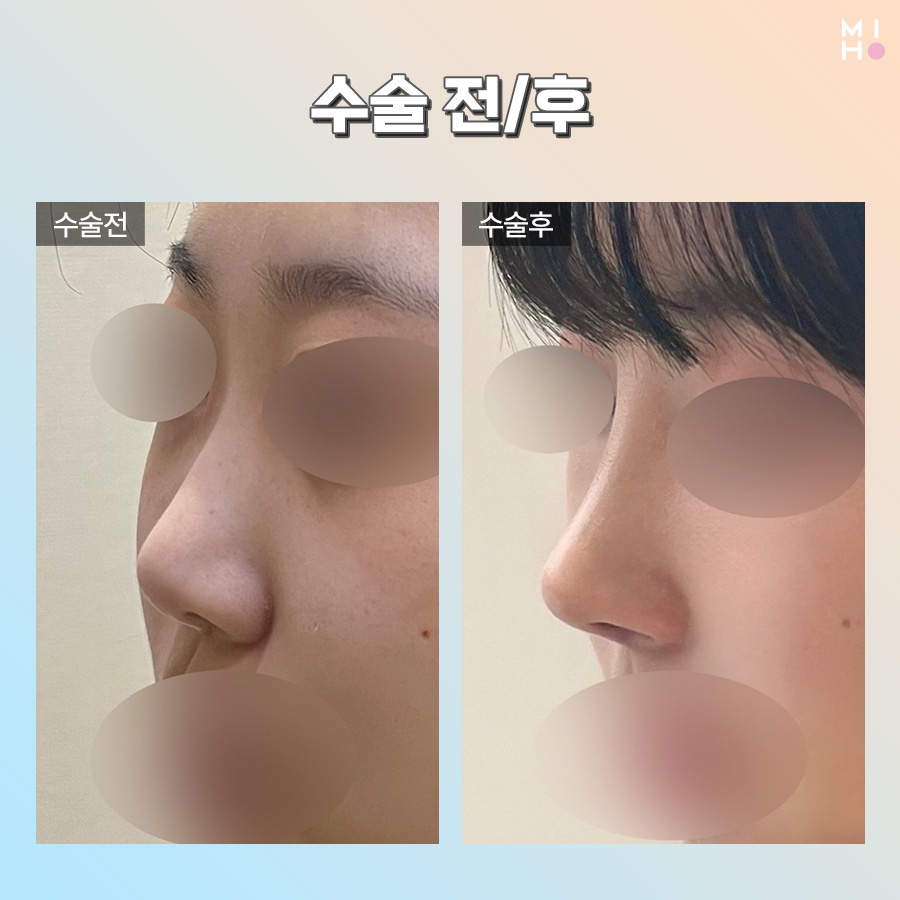
Separately, indemnity insurance
benefits may also be available when
using autologous tissue collected
from the person's own body, such
as fascia, which is suitable for
layering, autologous dermis, septal
cartilage, costal cartilage from
ribs 6 through 10, and ear
cartilage.
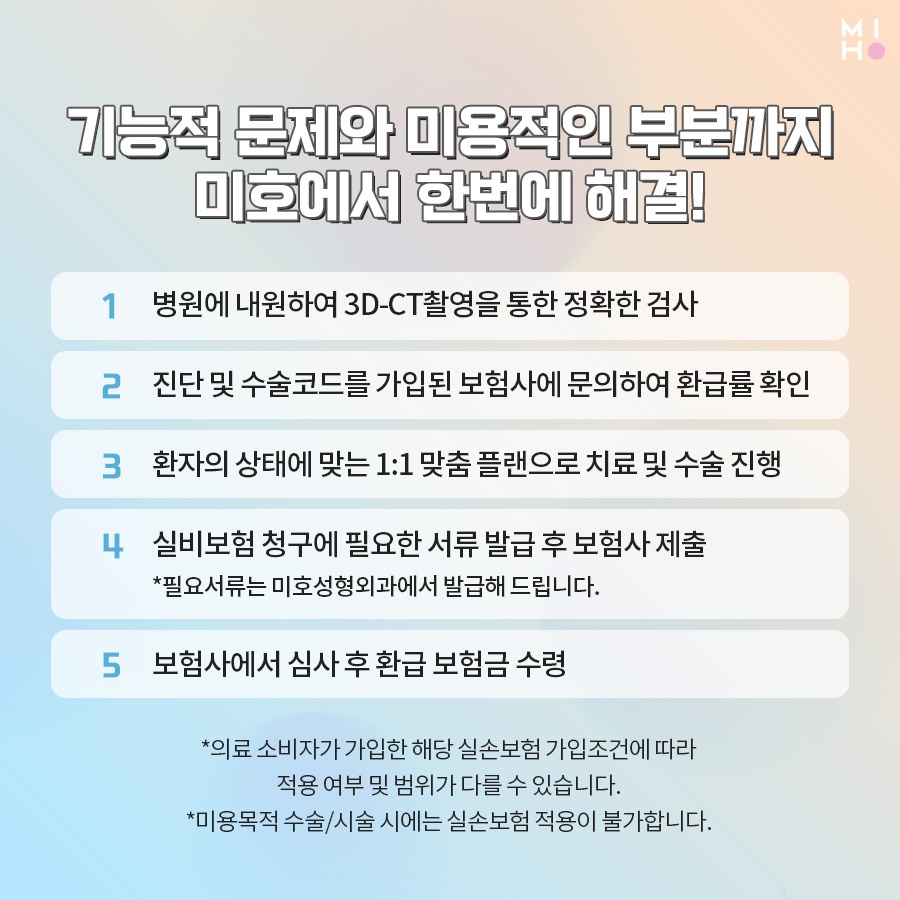
To receive these indemnity
insurance benefits, the first step
is to visit a medical institution
for an examination and diagnosis.
Then, contact the insurance company
with the disease code to confirm
whether coverage applies and the
amount payable. After that, the
correction can be planned and
performed according to the
individual's circumstances.
Once this process has addressed
the fundamental problem, obtain
the documents required for the
insurance claim, such as a medical
certificate, and submit them. After
review, the designated insurance
benefit will be paid and the entire
process will be complete.
The procedure is not as complicated
as it may seem. Nevertheless, if
you are suffering from discomfort
such as nasal congestion because
you are unaware of this option,
consider using functional nasal
surgery insurance coverage to help
restore a better daily life.


Previous image
Next image