
The nose is considered an important facial feature that plays a major role in determining a person’s first impression.
In particular, even a slight difference in the bridge or tip of the nose can change the overall appearance, so many people make efforts to achieve the shape they want.
However, more people are also experiencing concerns because the method used was inappropriate or they are dissatisfied with the results, making caution necessary.
Today, we will discuss revision rhinoplasty costs and how to choose a medical institution, which may be useful for people in this situation.
Learning these points carefully in advance can be a great help when making a second attempt.
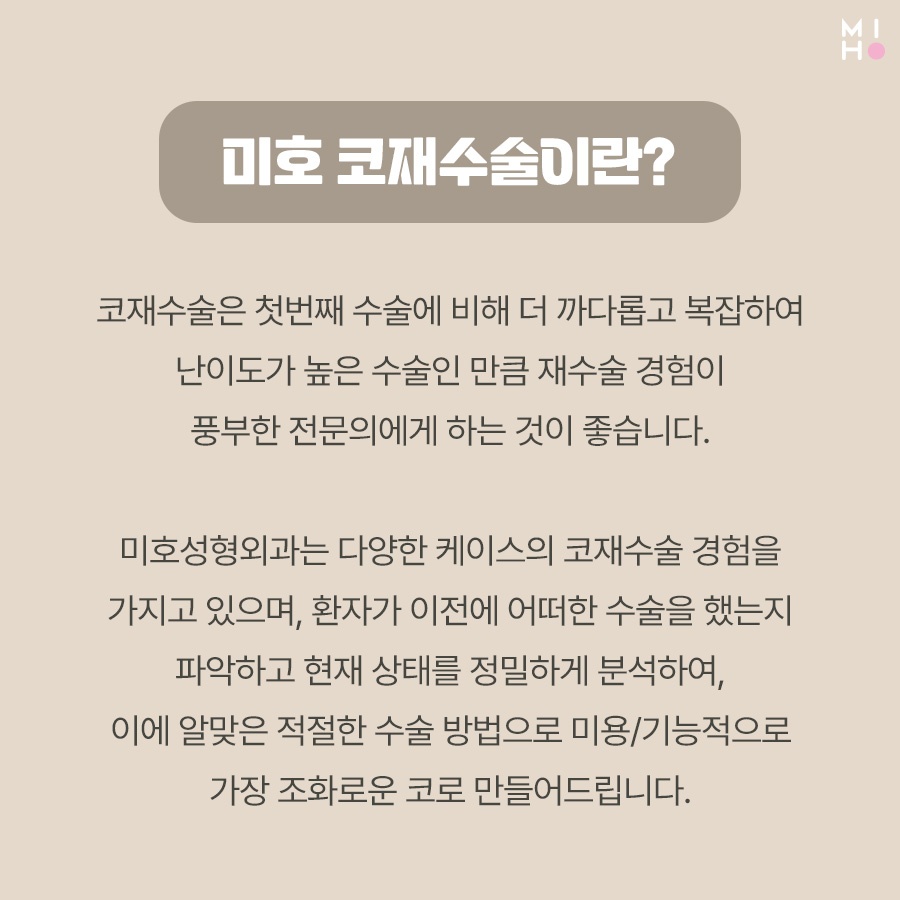
Many people visit a medical institution for the first time with the courage to overcome their insecurities and improve their appearance, but later become concerned because they are dissatisfied with the results.
There are also occasional cases in which functional problems develop over time, such as inflammation or difficulty breathing.
In such cases, there may be no choice but to address the problem, even if it means paying the cost of revision rhinoplasty.
However, the cost alone can range from around 3 million won at the low end to more than 10 million won at the high end, so it is best to research and prepare properly from the beginning before proceeding.
Preparing sufficient funds for revision rhinoplasty does not mean that the preparation is complete.
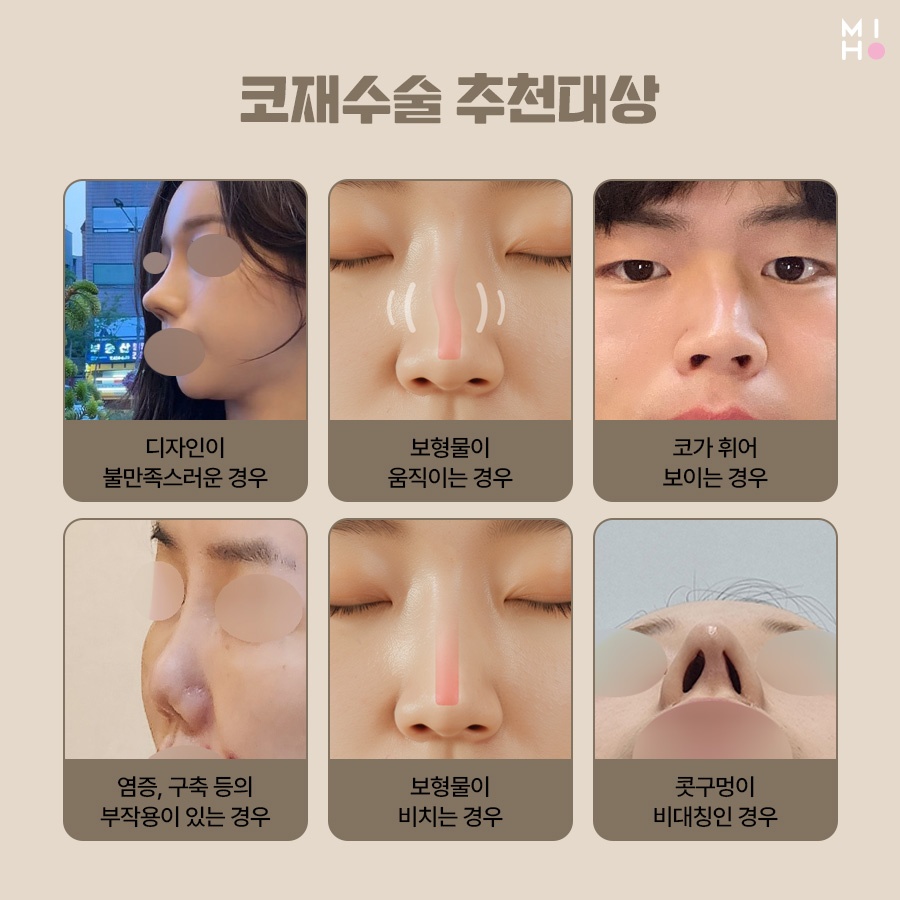
First, it is necessary to check whether the columella has become deviated over time or whether a dorsal hump has developed.
It is also important to determine whether symptoms of a contracted nose have appeared, causing the nasal tip to become progressively shorter, and whether the previously inserted implant has shifted and caused inflammation.
In addition, it is advisable to consider the overall situation—including symptoms such as pus and swelling, worsening nasal obstruction, or differences in the size of the two nostrils—before deciding whether to make a second attempt.
It is also not something that can be done whenever one wishes.
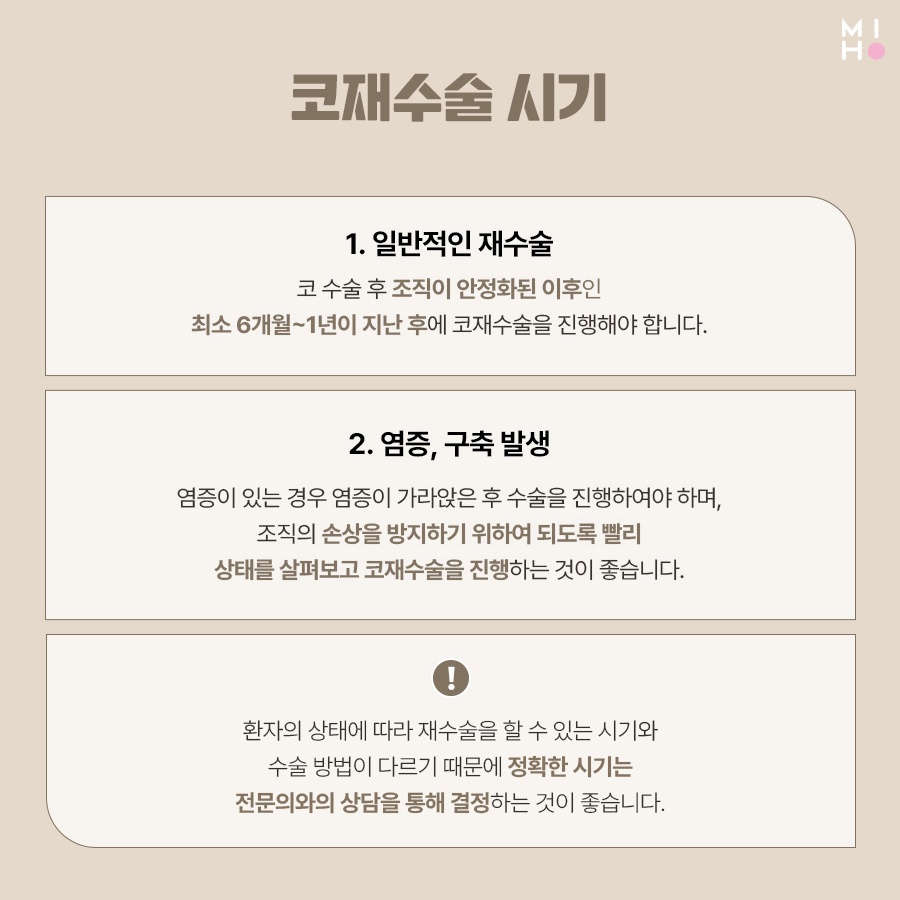
When attempting to reshape an unsatisfactory nose, it is generally advisable to visit a medical institution after approximately six months to one year has passed since the initial procedure.
By this time, the existing wounds will have healed and the tissues will have become much more stable, increasing the possibility of achieving a satisfactory result even with a second procedure.
However, if pus or discharge is present, it is more effective to first address the cause—for example, by removing the implant and allowing the affected area to heal—before proceeding.
Just as revision rhinoplasty costs vary widely, the methods actually used also differ considerably.
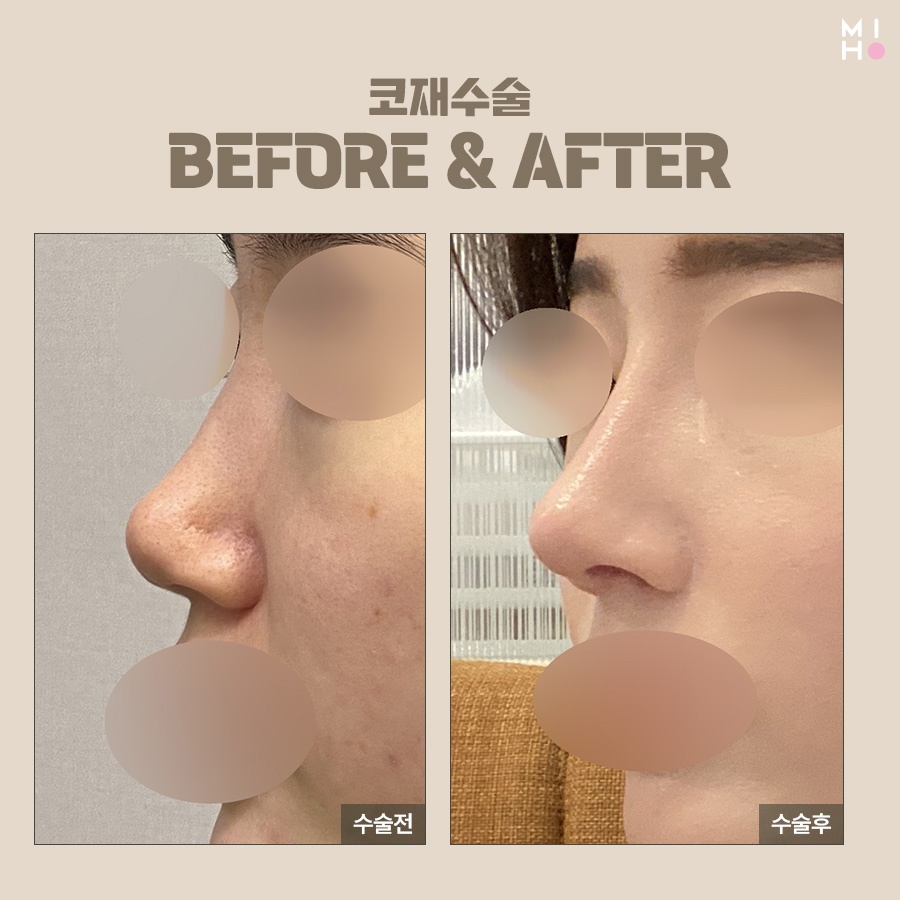
First, if excessive pressure on the cartilage support placed at the nasal tip during the initial procedure caused the septum to bend, resulting in deviation of the columella or a difference in the size of the nostrils, reconstruction may be performed by removing the existing implant and correcting the septal cartilage.
When contraction is severe, the previously inserted silicone implant or other material may be removed immediately, and the shape may be reconstructed using autologous tissue that can help reduce inflammation, potentially producing a better result.
If the nose becomes deviated again after it has been corrected once, the asymmetry of the facial bones may be assessed, and the shape may be corrected by reinserting silicone that has been tailored to the skin or by performing osteotomy.
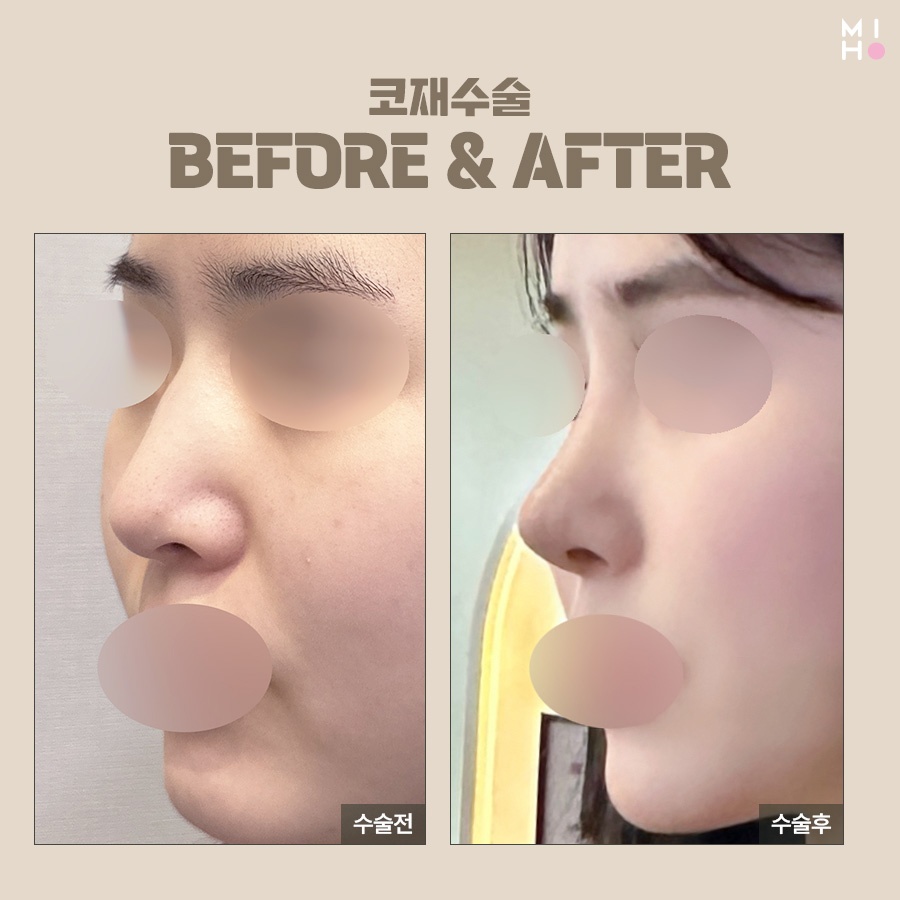
When a dorsal hump is a concern, the protruding nasal bone may be reduced to create a natural contour. Conversely, if the bridge is too low, an appropriately designed implant may be used to adjust it to a suitable height.
If a previously inserted Fitme Nose implant has shifted and caused problems, it may be removed and firmly secured between the periosteum and the bone.
In addition, if the skin has become thin and the implant is visible through it, the implant may be removed and replaced with autologous tissue, or wrapped with an artificial dermis before being reinserted.
If the patient is dissatisfied because the desired result was not achieved during the initial procedure, materials such as silicone may be removed and replaced with a material suitable for the nose, allowing its shape to be corrected.
A variety of materials are used for such revision procedures, including artificial implants such as silicone, Fitme Nose, and AlloDerm, as well as autologous tissues such as ear cartilage, septal cartilage, rib cartilage, and fascia. This allows for various approaches to be considered.
To undergo another procedure on the bridge or other parts of the nose, it is also advisable to secure enough free time in addition to preparing for the cost of revision rhinoplasty.
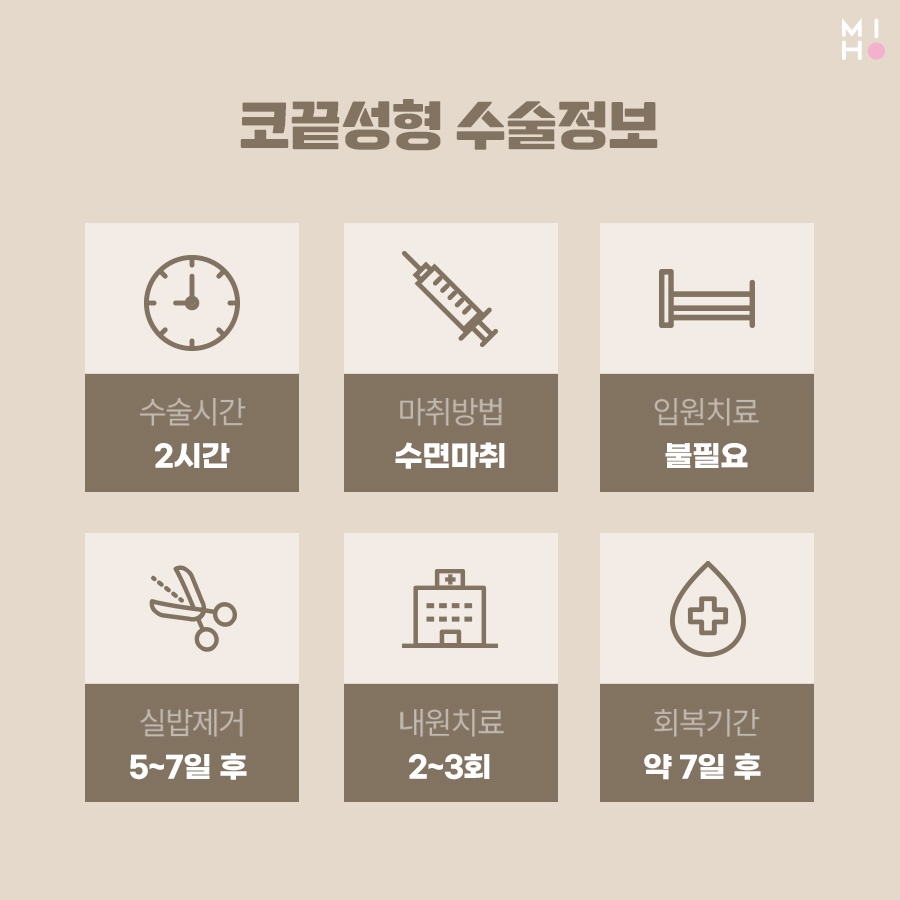
The revision procedure itself takes approximately two hours.
Because sedation anesthesia is used, a separate hospital stay is not required, but it is advisable to prepare items such as a hat or scarf in advance to protect the treated area.
Stitches are removed after approximately 5–7 days, so a recovery period of around 7 days is needed.
Since it is also necessary to visit the medical institution approximately 2–3 times during this period to check the condition of the wound, it is best to prepare for these appointments as well.
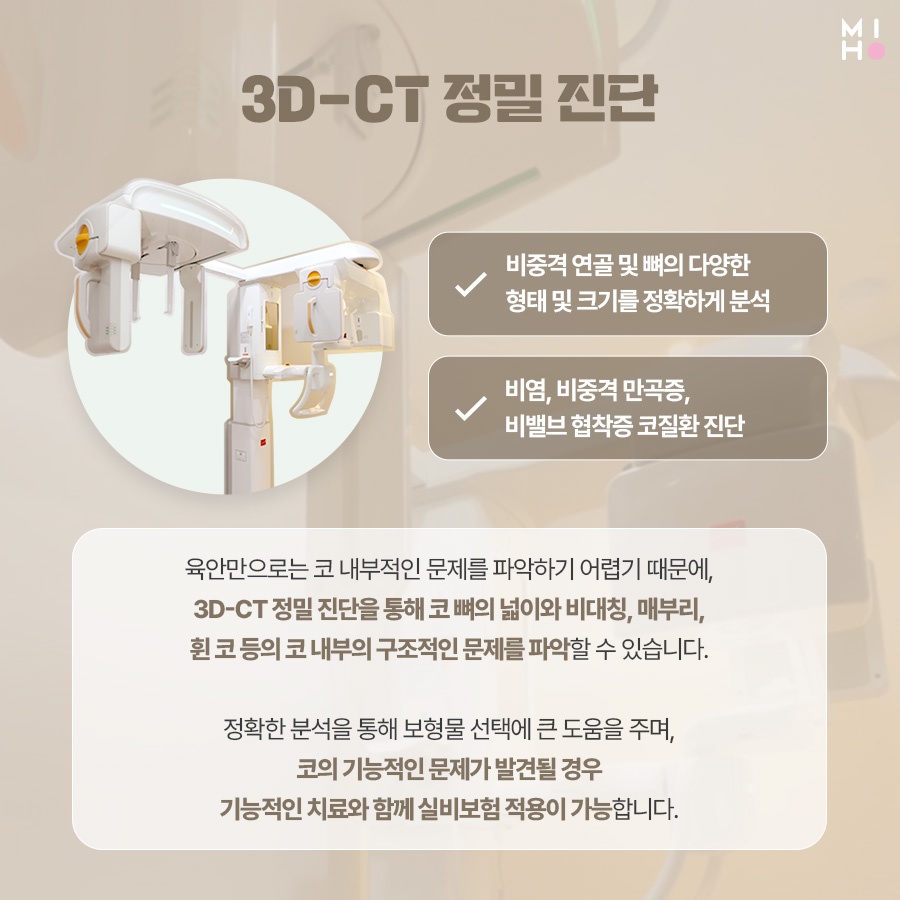
It is also important to check whether the medical institution has a 3D CT scanner.
This equipment can be used to assess the overall condition, including the width of the bone, asymmetry, the presence of fractures, the degree of nasal deviation, and the condition of the septal cartilage.
In particular, this process may also reduce the burden of choosing an implant. If functional problems occur, it is generally considered possible to reduce the financial burden by using indemnity insurance.
However, coverage and eligibility may vary depending on the terms of the relevant insurance provider, so caution is necessary.
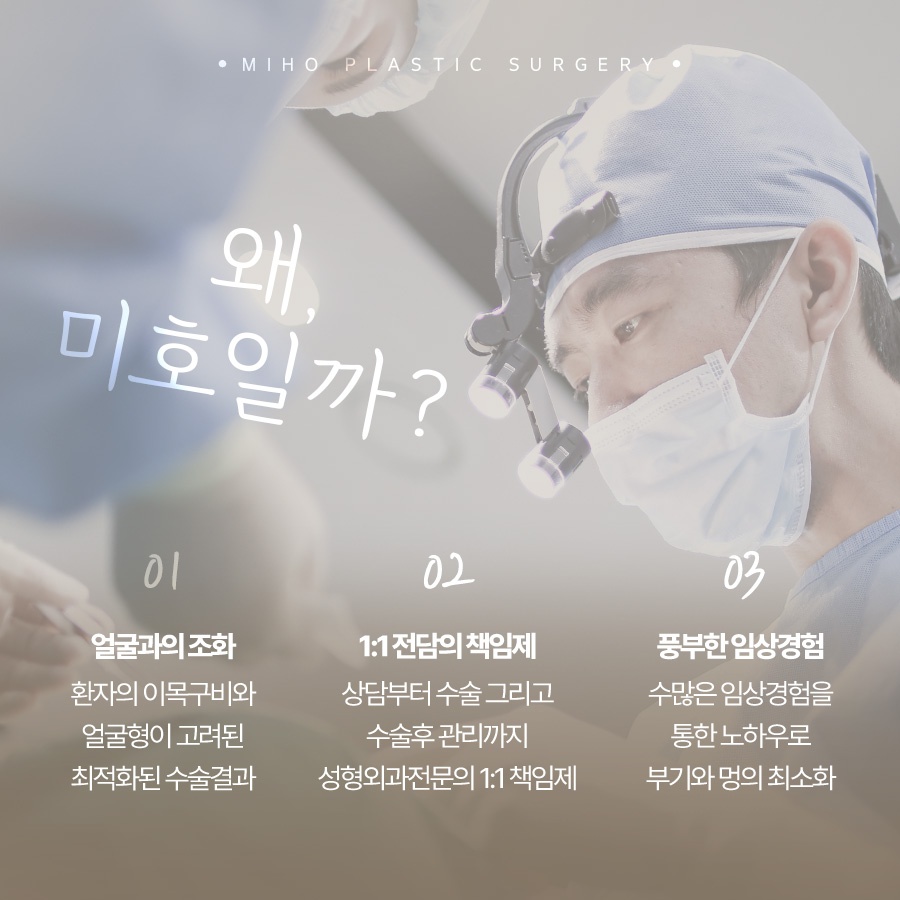
Recently, more people have been looking into revision rhinoplasty costs because of concerns such as dissatisfaction with the appearance or the development of discharge.
However, not many people realize that the medical institution is more important than the price.
In particular, revision procedures require a more careful approach because the methods used and the results can vary greatly depending on each medical professional’s skills and experience.
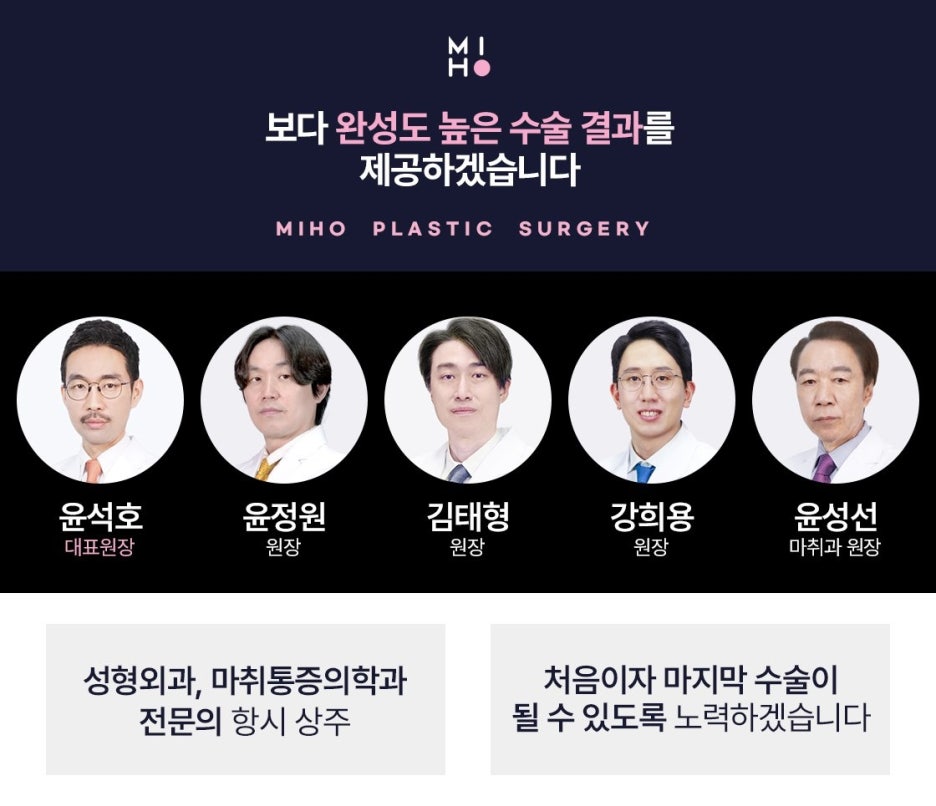
If you are considering a second procedure at this time, look for a medical institution with extensive experience and an environment capable of responding to emergencies.
Previous image
Next image